REVIEW · ZAANSE SCHANS
Zaanse Schans: Private Cruise + Live Guide, Optional Drinks
Book on GetYourGuide →Operated by Dutch Boat Tours - Cruises · Bookable on GetYourGuide
A quick ride by the windmills beats the crowds. On this private Zaanse Schans cruise, you get close-up views you simply can’t match on foot, plus a live guide who connects the mills and factories to everyday life in North Holland. I really like the panoramic boat vantage point on the 17th-century windmills and the waterside houses, and I also like that it’s built as a compact, guided route through the Zaan area instead of wandering and guessing. One thing to think about: it’s not a food tour, so you’ll want to plan around no included drinks or meals.
The big value here is the small-group feel: your own private boat for up to 12 people, so questions come fast and you’re not waiting your turn to hear the story. The potential drawback is simple—you’re on a boat, and the tour isn’t suitable for wheelchair users.
In This Review
- Key points worth your attention
- Why this Zaanse Schans windmill cruise feels different than walking
- Price and group value: what $153 per group actually buys you
- Getting to the right dock at Zaanse Schans (and why it matters)
- What the 1-hour private route is really like
- Stop-by-stop: windmills, factories, and the walkable pause at Wormerveer
- The Zaanse Schans windmills: your first big visual hit
- Waterside Dutch houses: the view you only get from water
- Het Jonge Schaap: a mill stop that adds variety
- Paintmill. De Kat: seeing the working side of the region
- Cargill cocoa and Batavia 1894: the industrial thread
- Wormerveer: where old architecture meets raw industry
- Zeepziederij De Adelaar: a factory-themed stop
- Meelmolen De Bleeke Dood: flour milling energy
- Smells like Chocolate and Oliemolen De Ooievaar: finishing with “character”
- Comfort, roof setup, and what you’ll actually hear on board
- Who this tour suits best (and who might prefer something else)
- Small practical tips that make the cruise better
- Should you book this private Zaanse Schans cruise?
- FAQ
- How long is the private cruise?
- What’s the group size limit?
- Is there a live guide on board?
- What’s included in the price?
- Are food and drinks included?
- Where do we meet, exactly?
- Will the tour run in bad weather?
- Is it wheelchair accessible?
Key points worth your attention
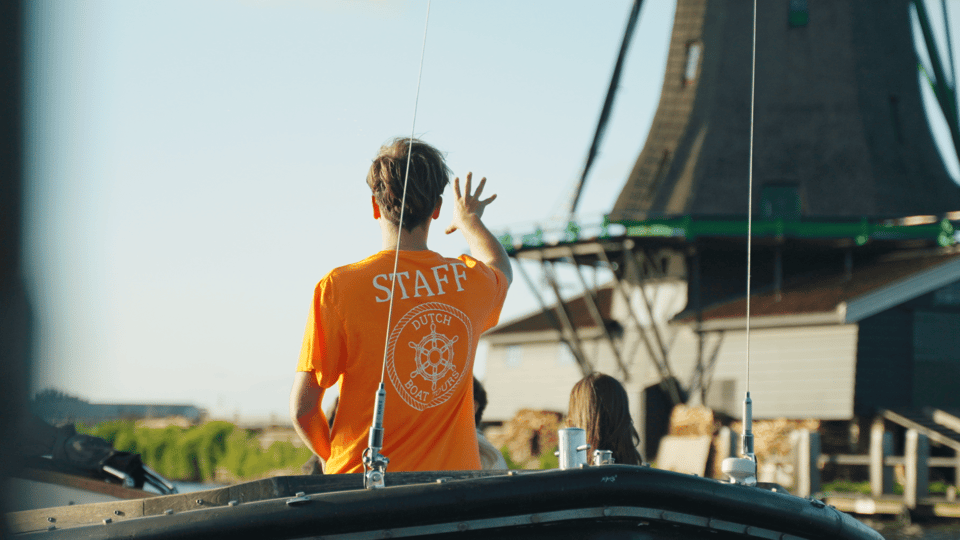
- Private boat, max 12 people: better questions, better photos, less waiting.
- Windmills from the water: you see the scale and spacing that land viewpoints miss.
- Stop-by-stop route: windmills, mills, cocoa and oil-related sites, then Wormerveer.
- Rain-ready setup: the roof can be opened or closed during the cruise.
- Dock details matter: it’s not the big tourist-boat dock—walk a bit farther for the smaller boats.
Why this Zaanse Schans windmill cruise feels different than walking
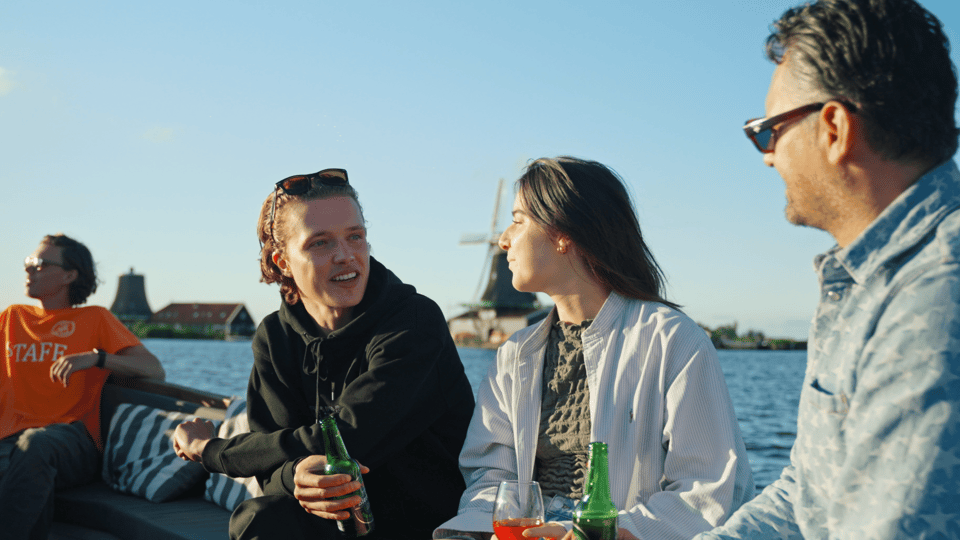
Zaanse Schans is famous for windmills, but it can also be a place where you spend time shuffling between photo spots. This cruise changes the rhythm fast. You start at the main dock of Zaanse Schans and, within minutes, the windmills and the Zaanstreek buildings line up along the water like a living diagram of how the region works.
I especially like two things you can feel right away. First, from the boat you get clear panoramic sightlines—the windmills aren’t just background props; they sit in the working geography of canals and waterfront structures. Second, the guide helps you read what you’re seeing: how those centuries-old factories and mill sites shaped local life and industry.
The other practical bonus is time. The whole experience runs about an hour, so you can fit it into a busy day without losing half your afternoon to logistics and transit.
You can also read our reviews of more tours and experiences in Zaanse Schans.
Price and group value: what $153 per group actually buys you
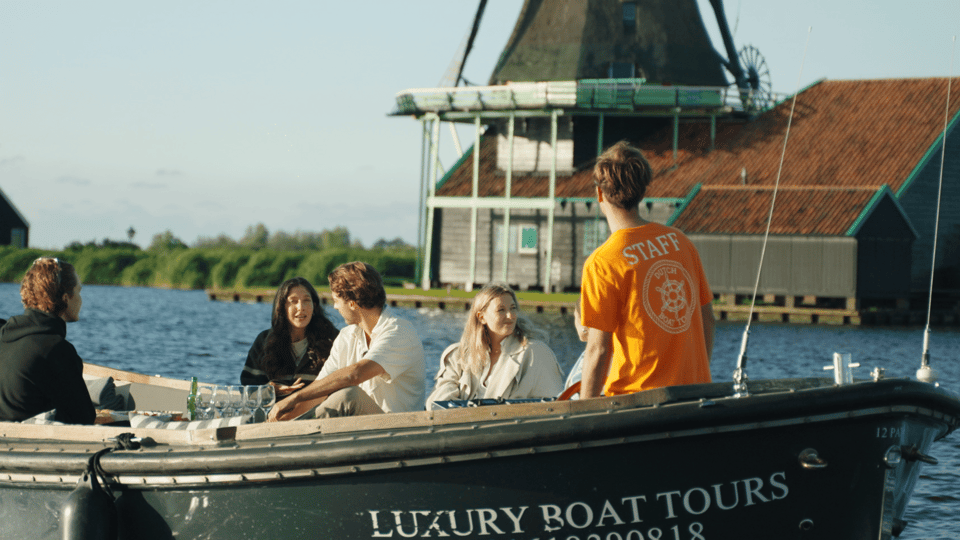
The price here is $153 per group (up to 12 people) for a 60-minute private cruise with a live guide/skipper. That’s the key detail: you’re not paying per person for a guided boat story. If you’re traveling as a family, a duo, or a small group of friends, this can end up being good value compared with booking separate experiences.
This is also a “smart use of money” kind of tour. Instead of spending time and energy walking between sites, you’re buying a guided water route that shows you the connections—windmills, workshops, and industrial landmarks—without you needing to figure out the order yourself.
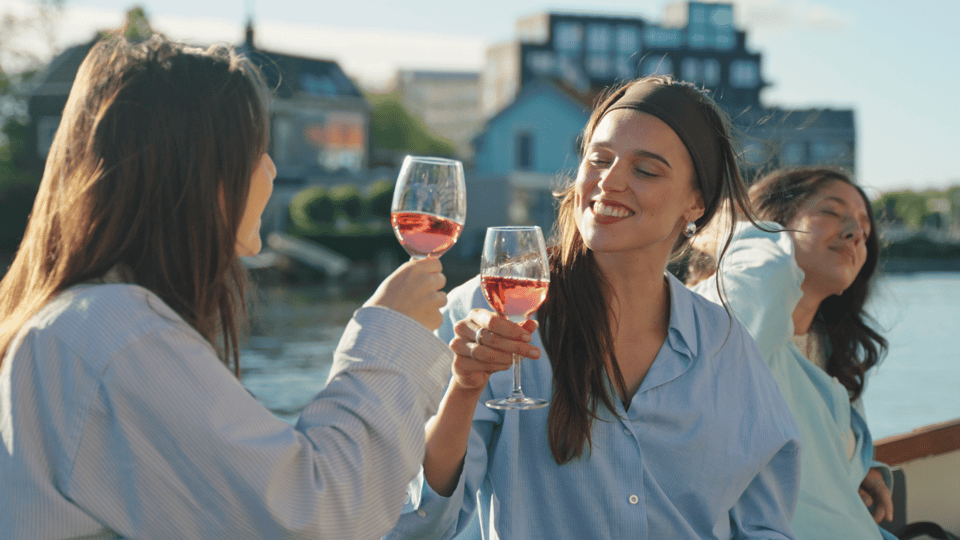
One note for your planning: food and drinks aren’t included. If you want something to sip, the tour offers optional drinks (check at booking), but don’t assume a drink comes with the ticket.
Getting to the right dock at Zaanse Schans (and why it matters)
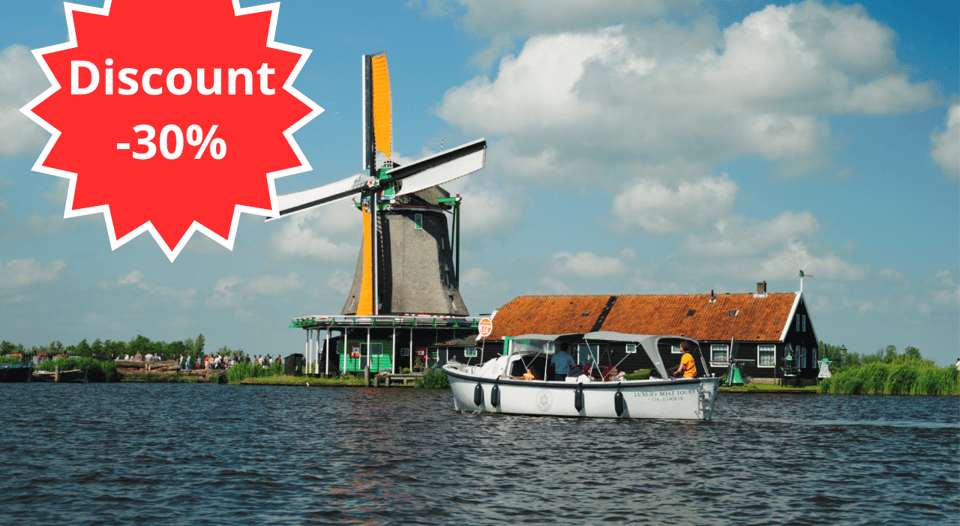
This is one place where a small mistake can cost you time. The meeting point is at the main dock of Zaanse Schans, and the instructions specifically warn that it’s not the private dock used for the larger tourist boats.
Here’s the practical tip: walk a bit farther from Windmill Cruises toward the water. You should see a bigger dock where you’ll only notice smaller boats—this is where you want to be. Try to arrive at least 15 minutes early. On busy days, that buffer keeps you calm and on schedule.
Because you’re boarding a private licensed boat, getting to the correct dock helps everything run smoothly for everyone.
What the 1-hour private route is really like
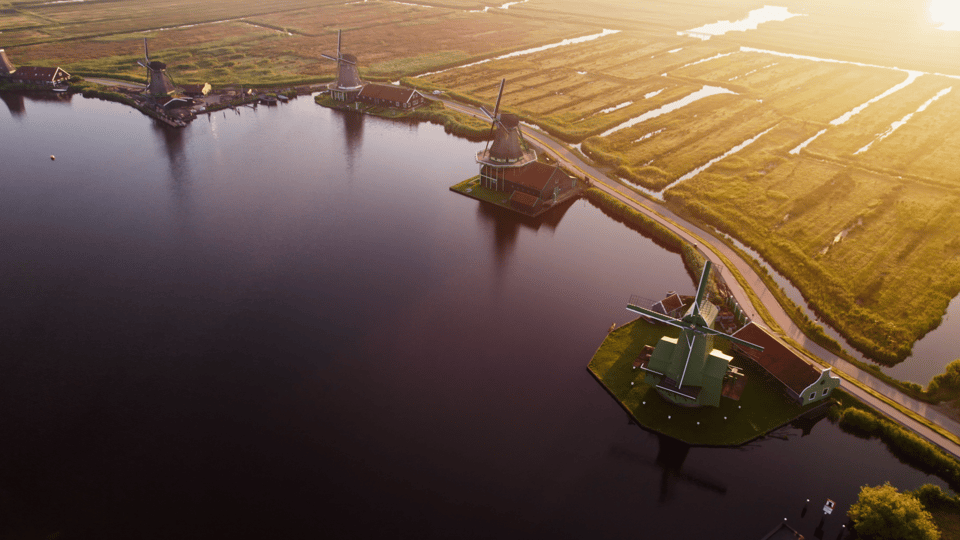
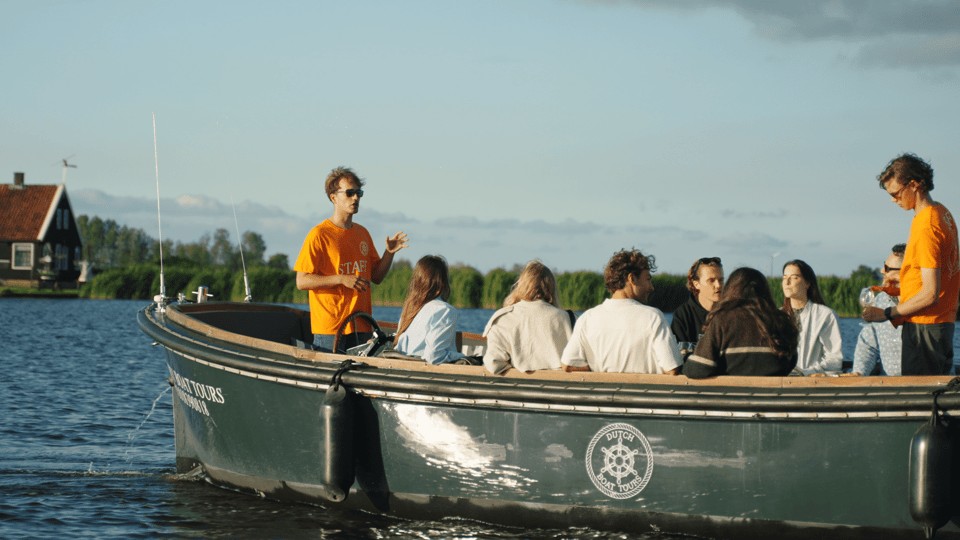
This cruise is designed as a smooth “see-and-learn” loop. You’ll be greeted by your host, step aboard a luxury licensed boat, and settle in while the skipper drives past the main sights. Your guide narrates in Dutch and English, with enough context to make the mills feel like more than scenery.
The boat cruise segments between stops are short—think quick passes rather than long waits. That works because Zaanse Schans is about visual density. You don’t need a long stop at every point; you need the story and the view.
And if the weather turns? No stress. The tour runs rain or shine, since the boat has a roof that can be opened or closed. It’s a relief in North Holland, where skies can change quickly.
Stop-by-stop: windmills, factories, and the walkable pause at Wormerveer
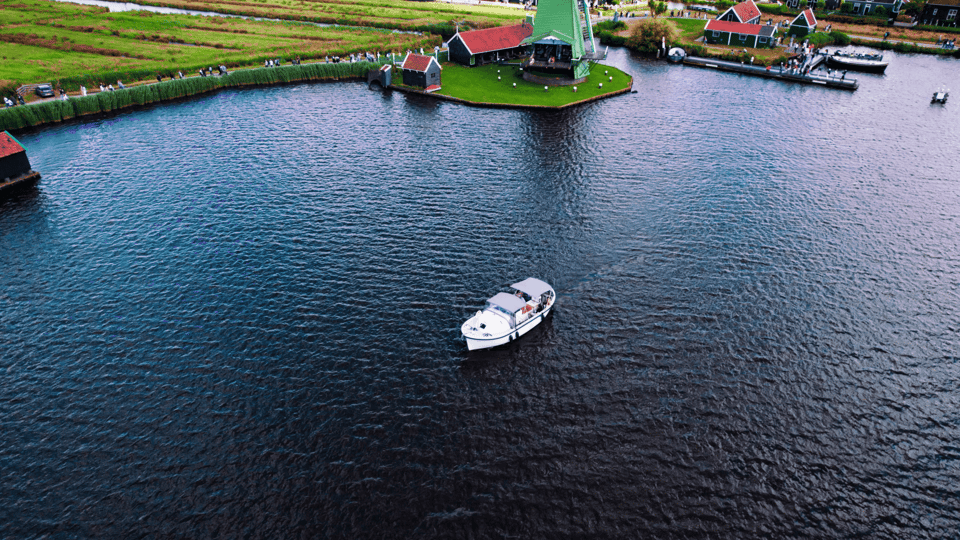
The route flows from classic Zaanse Schans landmarks into industrial-era sites, then finishes back at the dock. Here’s what each stop is doing for you.
The Zaanse Schans windmills: your first big visual hit
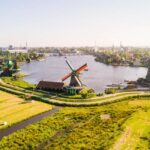
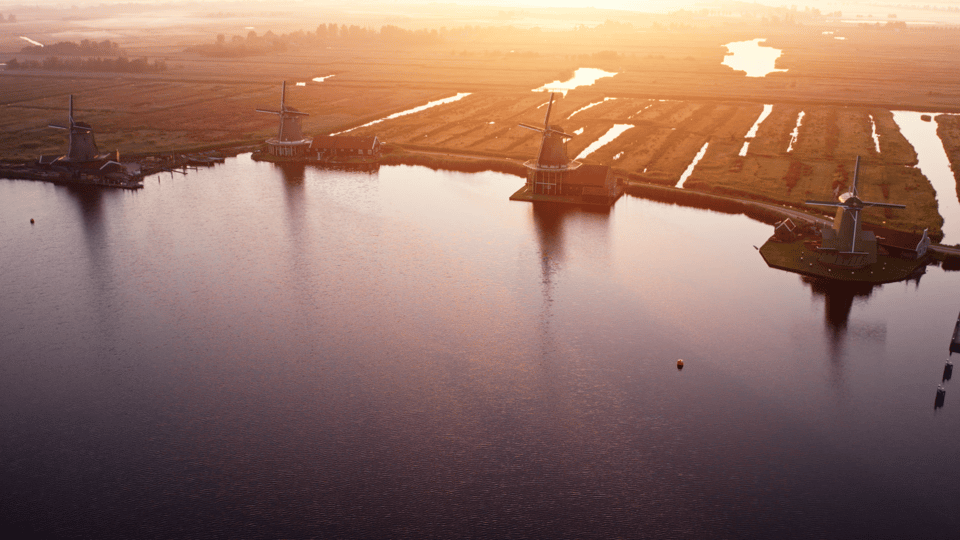
Your first encounter is the windmills of Zaanse Schans. From the boat, you see them as a cluster with structure and spacing—taller than you expect from land, and more “connected” to the waterfront than you’d guess.
This is also where the guide’s role starts to matter. You’re not just looking at blades turning; you’re getting the basics of why wind power and mills mattered to the region.
Photo tip: sit where you don’t get blocked by your group or the roof edge. If you can choose your side, pick the side that keeps the windmills facing forward for the cleanest angles.
Waterside Dutch houses: the view you only get from water
Soon after, you’ll pass traditional Dutch houses along the waterside. This is one of the cruise’s best “quiet wins,” because the architecture reads differently from the canal than from the street.
On foot, you can miss how close the houses sit to the water. From the boat, you see the relationship: canals weren’t an afterthought—they were part of how people lived and how goods moved.
Het Jonge Schaap: a mill stop that adds variety
Mid-route, you’ll cruise by Het Jonge Schaap. Even if you’ve never studied Dutch milling, a stop like this gives your eyes a change of rhythm. It’s not only about the big iconic windmills; it’s also about how multiple mill sites contributed different functions.
Because the cruise is guided, you’ll get the explanation tied to what the site represents in the Zaanstreek.
Paintmill. De Kat: seeing the working side of the region
Next comes Paintmill. De Kat. The name itself hints at a specific industry. From the water, you get an instant sense that these were not just decorative structures. They were part of the working system.
This is a good moment to listen carefully. The guide’s narration turns the mill name into something practical—what it likely produced and why it mattered locally.
Cargill cocoa and Batavia 1894: the industrial thread
You then pass Cargill cocoa and Batavia 1894. These stops are where the cruise helps you understand the broader story beyond wind power. The Zaan area isn’t only windmills—it’s also about trade, manufacturing, and the factories that grew alongside older technologies.
Because the cruise is timed in short passes, the value is in learning what each site is and why it’s part of the same industrial ecosystem.
Wormerveer: where old architecture meets raw industry
Then you head through the Dutch countryside and reach Wormerveer. This is an important shift from “windmills and mills” into “town life and industry.”
Wormerveer has an interesting mix of old architecture and more industrial-looking parts. From the water you’ll get views that feel like a snapshot of working Holland rather than a staged heritage set.
Zeepziederij De Adelaar: a factory-themed stop
You’ll cruise by Zeepziederij De Adelaar, which points toward soap-making. This is another example of why the guided route beats random walking: your guide connects the site type to the way the region historically functioned.
Even if you don’t know Dutch industry terms, the narration should help the names click into place.
Meelmolen De Bleeke Dood: flour milling energy
Next up is Meelmolen De Bleeke Dood. As a mill stop, it reinforces the theme that wind and milling were central to how the Zaanstreek processed essential goods.
From the boat, you also get a sense of how these sites sit in a line of waterways—this matters because it explains how operations made sense geographically.
Smells like Chocolate and Oliemolen De Ooievaar: finishing with “character”
Near the end, you pass Smells like Chocolate and then Oliemolen De Ooievaar. These names give you color, and the guide’s explanation should add the why behind them.
The last stretch matters because you’ve built context. By the time you reach these stops, you’re not just watching structures—you’re following a logic chain from wind-driven processing to the wider goods-and-industry picture.
Comfort, roof setup, and what you’ll actually hear on board
Your boat experience is set up for comfort. It’s a luxury licensed boat with a roof that can be opened or closed, so you can still enjoy views even if the weather isn’t perfect.
In terms of the live guide, this tour is structured around storytelling, not just pointing. You’ll hear how windmills and factories shaped Dutch history in the Zaan area. That’s the difference between seeing an attraction and understanding the system that produced it.
If you’re hoping for a smooth, friendly narration style, keep an eye out for guides like Mattias, Maurice, or Ilija—their names come up for being welcoming, informative, and focused on making the experience feel like your own.
Who this tour suits best (and who might prefer something else)
This cruise is ideal if you want the Zaanse Schans highlights without the guesswork.
It’s a great fit for:
- Families who want an easy way to see multiple sites in one hour
- Couples or friends who value private time and easier conversation
- Anyone who likes industrial history but doesn’t want to spend hours reading labels
It may be less ideal if:
- You want long time on land at each stop (this is a boat-first route)
- You need wheelchair access (the tour is not suitable for wheelchair users)
- You’re looking for included food and drinks (bring plans for that—food/drinks aren’t included)
Small practical tips that make the cruise better
- Arrive early at the main dock so you don’t rush boarding.
- Bring a layer. Even with a roof, wind off the water can feel sharper than you expect.
- If you care about photos, choose a side where you can keep windmills in frame as the boat moves past.
- Have your questions ready. With a private group, you’ll get clearer answers from your guide.
Should you book this private Zaanse Schans cruise?
If your goal is to see the windmills and industrial sites of Zaanse Schans in a way that’s guided, efficient, and scenic from the water, I’d book it. The private setup makes a real difference: up to 12 people, live narration in Dutch or English, and a weather-flexible boat that keeps you enjoying the views.
Skip it only if you already plan to spend most of your time exploring on foot and you don’t care about a guided interpretation. In that case, a walk-and-photos day might be enough.
For the right traveler, this is one of the best ways to understand Zaanse Schans fast: the windmills look iconic, and the guided route helps you see why they mattered.
FAQ
How long is the private cruise?
The tour runs for about 1 hour.
What’s the group size limit?
There’s a maximum of 12 people per boat. Larger groups need to split into 2 boats.
Is there a live guide on board?
Yes. You’ll have a live tour guide/skipper, with languages listed as Dutch and English.
What’s included in the price?
The cruise includes the 60-minute boat ride with the tour guide/skipper, plus all safety equipment and taxes.
Are food and drinks included?
No. Food and drinks aren’t included. Optional drinks may be available.
Where do we meet, exactly?
Meet at the main dock of Zaanse Schans with a panoramic view of the windmills. Note that this is not the private dock with the big tourist boats—walk a bit farther toward the water to find the larger dock for the smaller boats. Arrive at least 15 minutes early.
Will the tour run in bad weather?
Yes. The tour takes place rain or shine because the boat roof can be opened or closed.
Is it wheelchair accessible?
No, it’s not suitable for wheelchair users.