REVIEW · AMSTERDAM
Amsterdam: Architektur Er-fahren
Book on GetYourGuide →Operated by Herzblut Amsterdam Stadtführungen · Bookable on GetYourGuide
One good city view turns into a whole design lesson. This German-language bike tour connects Amsterdam’s classic canals to modern, award-minded construction—right along the water.
I especially like how the route forces your eye to switch between historic canal houses and modern waterfront buildings. Another strong point is the way the guide weaves architecture with everyday Dutch life, including water-related challenges and housing pressures, plus genuinely funny moments. One thing to consider: it runs rain or shine, and you’ll need to feel comfortable riding a bike for the full 2.5 hours.
Key points at a glance
- Beursplein/Damrak start, then a ride along the water toward IJ and Amsterdam Central
- Canal houses, warehouses, and modern projects seen through practical design comparisons
- Contrast-focused route: industrial vs picturesque architecture, plus houseboats
- Stops on the Amsterdam Western Islands where function and form meet real constraints
- A small group (up to 10 participants) helps the guide keep details flowing in German
- Tour includes guided context and stories, with lots of information and fun details
In This Review
- Architektur Er-fahren: Why This Bike Tour Feels Like Architecture Class With Views
- From Beursplein/Damrak to the IJ and Amsterdam Central: Starting Where the City Tells the Truth
- Canals, Warehouses, and a Prize-Winning New Project: How to Read Old vs New Fast
- Houseboats and Western Islands: Seeing Amsterdam’s “Real” Architecture From the Waterline
- How Amsterdam Handles Water and Soft Ground: Function, Design, and Housing Pressure
- The Guide’s Style Matters: German Storytelling That Keeps You Looking Up
- Practical Stuff That Will Make or Break Your Ride
- Price and Value: What $46 Buys You (and What It Doesn’t)
- Who Should Book Architektur Er-fahren—and Who Might Skip It
- Should You Book Architektur Er-fahren?
- FAQ
- What language is the guided tour?
- How long is the Amsterdam Architektur Er-fahren bike tour?
- Where do I meet the guide?
- Is bike hire included in the price?
- Does the tour run in bad weather?
- How big is the group?
Architektur Er-fahren: Why This Bike Tour Feels Like Architecture Class With Views
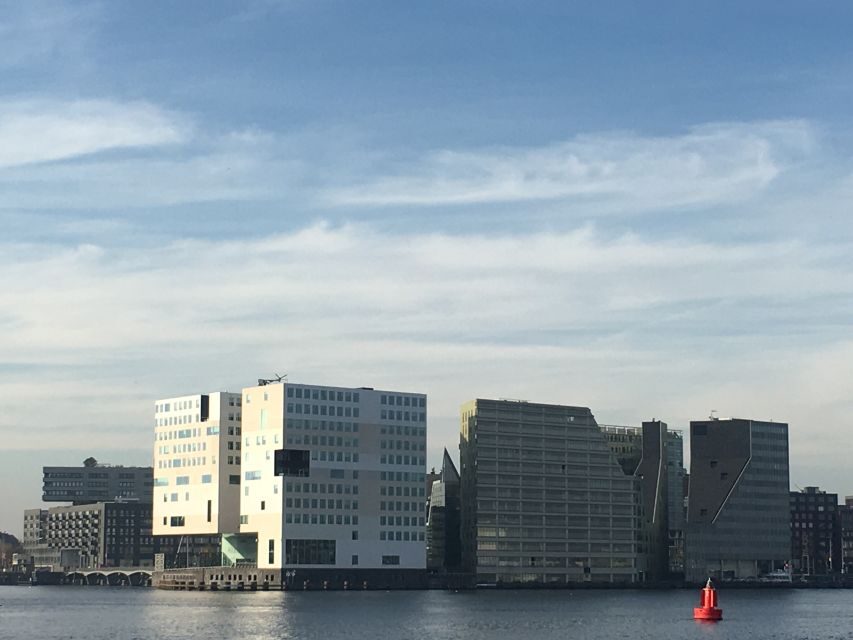
Amsterdam can look like one long postcard, but this tour teaches you to read it like a city planner. In 2.5 hours, you move through the spaces where architecture has to solve real problems: water, soft ground, shifting priorities, and a growing population. The big win is that you’re not stuck staring at a brochure—you’re cycling and seeing how buildings relate to canals, warehouses, and the newer waterfront.
If you like architecture, you’ll probably enjoy the way this tour compares eras side-by-side. You get the canal-house vibe, then you’re off to newer construction that responds to modern needs and design thinking. The contrast between traditional character and contemporary solutions is the core idea, not a side note.
And yes, the whole thing is guided in German by the team from Herzblut Amsterdam Stadtführungen. You’ll spot your guide by the black-and-white striped band around their neck. That detail matters because traffic and bike lanes in Amsterdam are quick—you want to find your person fast and get rolling.
From Beursplein/Damrak to the IJ and Amsterdam Central: Starting Where the City Tells the Truth
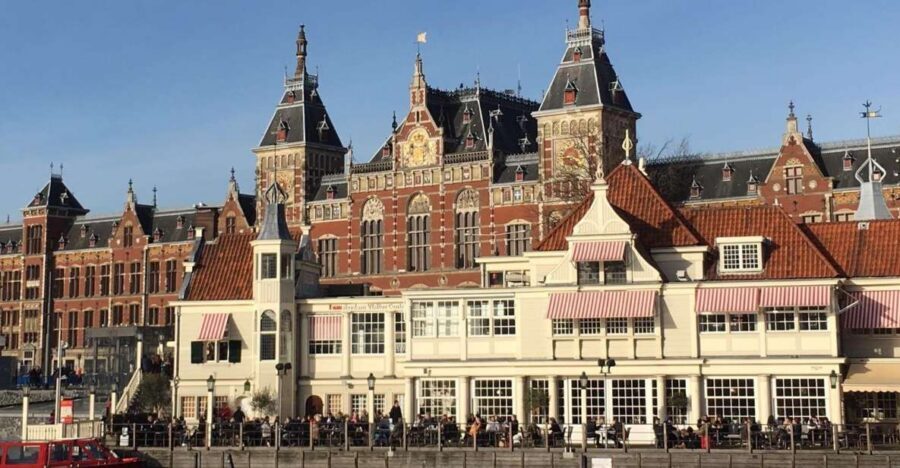
You begin at Beursplein/Damrak, a great launchpad because you’re already close to the water and the city’s big movement corridors. From there, the ride heads toward the IJ and Amsterdam Central, staying alongside the waterfront for stretches with broad views.
I like this start because it sets the “architecture framework” immediately. Amsterdam’s built environment isn’t just about facades—it’s about edges: where the city meets water, where land meets infrastructure, and where older structures once did their job. Even before you get into the more eye-catching modern elements, you start noticing how buildings face canals and how warehouses and industrial-looking spaces sit differently than canal houses.
You’ll also get that classic Amsterdam experience without trying to cram in the entire city center on foot. Cycling turns long distances into something manageable, especially when the goal is observation, not sprinting between landmarks.
Practical note: the tour includes a return ride to the starting point, so you’re covered, but you are still on a bike for the full duration.
You can also read our reviews of more tours and experiences in Amsterdam.


Canals, Warehouses, and a Prize-Winning New Project: How to Read Old vs New Fast
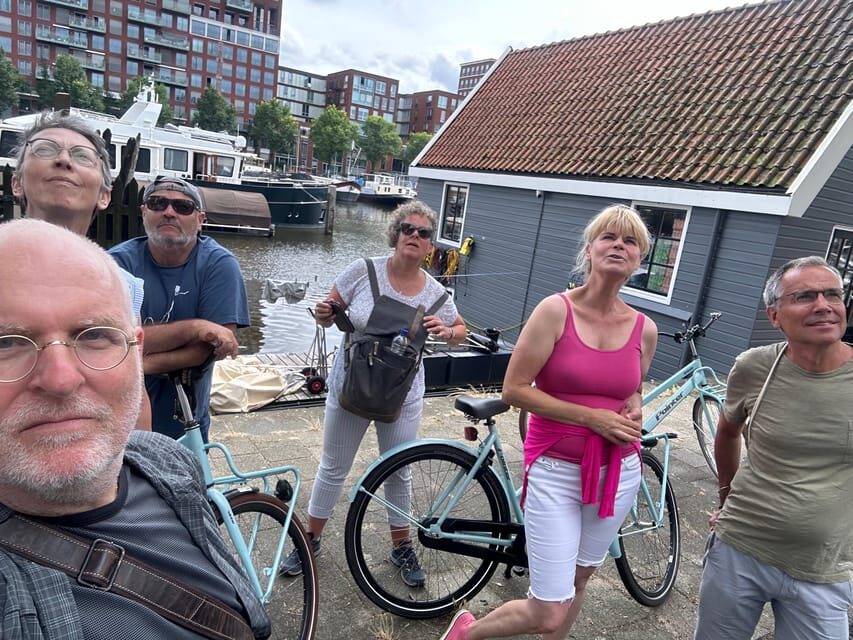
The tour’s promise is clear: from a canal-house world to a prize-winning new-build project, and the connection between them. That comparison is more useful than you might think, because it changes how you look at Amsterdam after the tour. Instead of just admiring buildings, you start asking questions like: What problem does this design solve? How does it handle water? What does it signal—status, function, community needs?
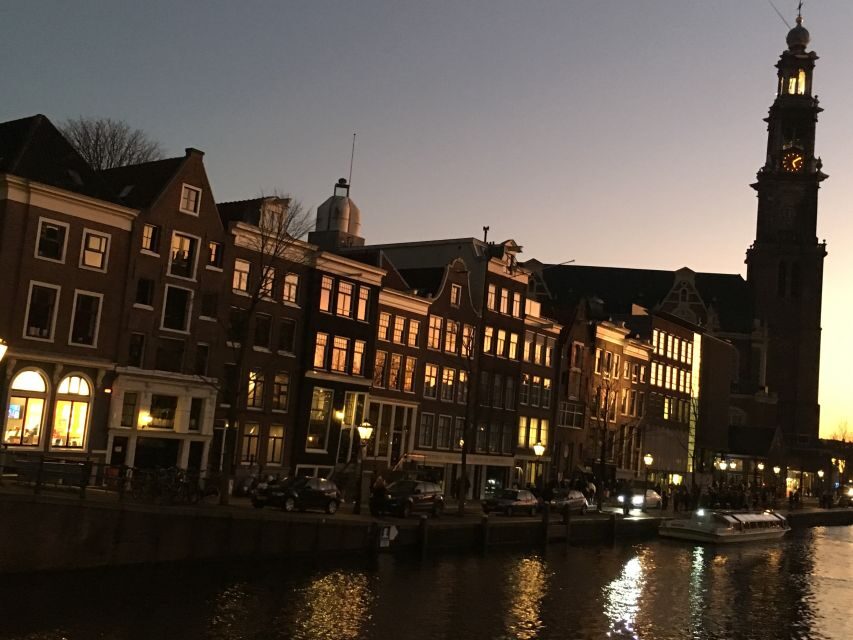
Along the way, you’ll see historic canal structures and warehouses sitting near modern elements. Warehouses give you the industrial logic—practical volumes, a working relationship with ports and movement. Canal houses often look delicate by comparison, but they’re also products of constraints and density. When you observe them back-to-back with newer architecture, the differences become educational rather than confusing.
One review highlighted that the knowledge from the ride transfers directly to other buildings you see afterward. That’s the real value here: you leave with a way of noticing, not just a list of stops. Even a detail like an older demolition being integrated into the story of city change can help you understand Amsterdam as something under constant redesign, not frozen in time.
Houseboats and Western Islands: Seeing Amsterdam’s “Real” Architecture From the Waterline
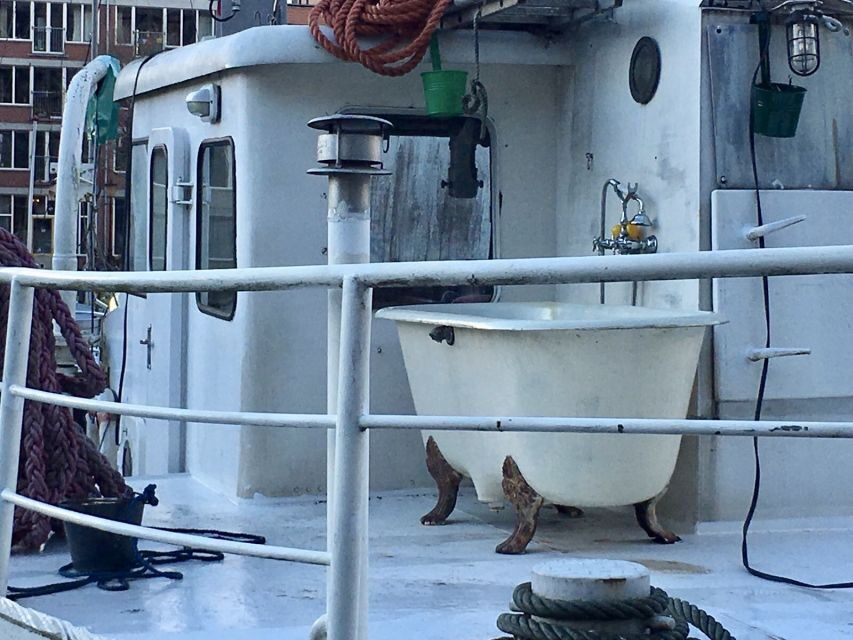
If Amsterdam has a secret sauce, it’s the relationship between built form and water. This tour leans into that. You’ll admire houseboats, then continue to explore the Amsterdam Western Islands, areas where architecture and infrastructure feel more tied to daily reality than to postcard perfection.
Houseboats are a great teaching tool because they show adaptation. They’re not only romantic—they’re functional. Seeing them during a moving bike ride helps you understand scale and placement fast. You’re not just looking at them head-on; you’re experiencing how they sit within the canal system, how they relate to surrounding land, and how the waterfront shapes design.
The Western Islands add another layer. With fewer “classic downtown” distractions, the contrast between industrial and picturesque architecture becomes easier to spot. Industrial elements read as problem-solvers: they respond to shipping, storage, and the blunt realities of space. Picturesque can still be efficient—just in a different way. The guide’s job is to point out what looks like mood versus what actually reflects constraints and choices.
This portion is ideal if you enjoy architecture that feels lived-in. It’s less about iconic selfies and more about observation that sticks.
How Amsterdam Handles Water and Soft Ground: Function, Design, and Housing Pressure
This is where the tour becomes more than style-spotting. Amsterdam has famous engineering, but the guide connects it directly to design choices you can see. The ride explains the city’s problematic land conditions and the constant influence of water, then ties that to the fact that Amsterdam is still growing quickly.
You’ll also learn how the city blends different housing needs. The tour highlights the tension and collaboration between social housing and luxury housing, showing that architecture in Amsterdam often has to do more than look good. It has to house people, deal with space limits, and fit within an environment that keeps challenging the built environment.
The tour also emphasizes innovative solutions in function and design. That language matters because it moves you away from “pretty building” and toward “why this building exists.” You’ll start seeing clever details as responses to constraints—things like structure decisions, layout logic, and how buildings fit into tight waterfront areas.
One review mentioned the guide’s storytelling about Dutch people and the water, and that’s exactly the thread you’ll feel through this segment: water isn’t scenery here; it’s an architect.
The Guide’s Style Matters: German Storytelling That Keeps You Looking Up
This tour is guided in German, and the small group size—limited to 10 participants—is a big part of the experience. In a group that small, it’s easier to ask questions and stay connected to the guide’s commentary while you’re moving.
What I like about the tour’s approach is that it doesn’t treat architecture like homework. The guide includes amusing stories about Amsterdam’s general life and history, so you’re not just hearing facts. The result is that you’re more likely to remember the design comparison because it’s attached to a human story.
One review specifically called out how much laughter happened during the ride. That sounds like a mood point, but it’s really functional: when you’re relaxed, you pay attention to details. And in a bike tour, attention is everything.
Also, the guide’s ability to make you apply what you learn to other buildings is a strong signal. If you’re the type who likes to understand cities on your own later, this style is a good match.


Practical Stuff That Will Make or Break Your Ride
This tour takes place rain or shine, so plan like Amsterdam weather is unpredictable and usually damp. Bring weather-appropriate clothing and expect that you’ll be outside for the whole 2.5 hours. The good news is the tour is structured and guided, so you’re not wandering around on your own.
For your comfort:
- Comfortable shoes are a must. Even if you’re on a bike, you’ll still need to stand and move a bit at stops.
- Bring water. It’s not included as part of the tour.
- Make sure your bike is functional and roadworthy. The tour doesn’t provide bike hire in the price.
Also, you should only book if you can confidently ride a bike. The experience is not suitable for people who can’t ride a bike. If you’re wobbly, this won’t be the calm training wheels kind of day—Amsterdam bike traffic demands steady control.
Finally, keep it sensible: intoxication, alcohol, and drugs aren’t allowed. That keeps the ride safe and keeps the guide able to focus on the architecture rather than managing risk.
Price and Value: What $46 Buys You (and What It Doesn’t)
At about $46 per person for a 2.5-hour guided bike tour in a small group, the price makes sense when you look at what’s included. You’re paying for:
- A guided biketour
- Lots of information and exciting details
- A route that connects multiple architectural “eras” and settings efficiently
What you’re not paying for:
- Food and drinks
- Bike hire (bike rental isn’t included)
Bike rental is something you can handle easily. The tour info suggests you can often get bikes from your hotel or hire bikes around €5 to €25. That range depends on the kind of rental and where you go. If you already have a bike, you can treat the $46 as mostly a guide-and-route fee, which is often where the value really is.
I also think the small-group limit matters for price perception. You’re not paying for a megagroup experience where you hear less and see less. With up to 10 participants, the guide can keep the story line connected and help you notice more.
Bottom line: if you want architectural context without spending hours mapping routes yourself, this price-to-value ratio feels fair.
Who Should Book Architektur Er-fahren—and Who Might Skip It
You’ll probably love this tour if you:
- Enjoy architecture and want to understand design decisions, not just aesthetics
- Prefer learning by cycling through real city spaces
- Want a route that contrasts industrial and picturesque Amsterdam
- Appreciate stories about how Dutch life ties into water and building choices
You might skip it if:
- You can’t ride a bike confidently
- You hate riding in mixed weather and would rather be indoors
- You’re looking for a food-focused tour (there are no included meals or drinks)
It’s also a good choice for people who want a strong first “architecture orientation.” After a ride like this, your next walks through Amsterdam tend to feel smarter because you know what to look for.
Should You Book Architektur Er-fahren?
If you want Amsterdam as a design puzzle—solved with water-smart engineering, housing reality, and a clear old-vs-new comparison—this is a strong bet. The combination of a small German guide, waterfront cycling, and architecture explanations gives you practical knowledge you can reuse while you keep exploring.
Book it if you’ll enjoy paying attention while moving and you’re comfortable riding in city conditions. Skip it if your priority is resting, shopping, or museum time with no cycling involved.
If you’re torn, I’d decide based on one thing: do you want to leave Amsterdam with a sharper eye for how buildings work? Because this tour is built for that kind of curiosity.
FAQ
What language is the guided tour?
The live tour guide speaks German.
How long is the Amsterdam Architektur Er-fahren bike tour?
The duration is 2.5 hours.
Where do I meet the guide?
You meet at Beursplein/Damrak and look for the guide wearing a black and white striped band around their neck.
Is bike hire included in the price?
No. Bike hire is not included. You can often get bikes from your hotel or hire bikes from local shops for roughly €5 to €25.
Does the tour run in bad weather?
Yes. The tour takes place rain or shine, so dress for the conditions.
How big is the group?
It’s a small group, limited to 10 participants.