REVIEW · AMSTERDAM
Amsterdam: Rijksmuseum Entry Ticket
Book on GetYourGuide →Operated by GetYourGuide Tours & Tickets GmbH · Bookable on GetYourGuide
A masterpiece hunt in one of Holland’s icons. This Rijksmuseum ticket is a smart, self-paced way to see Dutch art and history up close, with a timed entry window that helps you get going faster. I love the Gallery of Honour layout that puts world-famous works in your line of sight, and I love how The Night Watch is lit so you can spot small details instead of just big faces.
The one thing to plan for is crowding. The museum is popular, and the most in-demand rooms can feel packed unless you start early and move with purpose.
In This Review
- Key highlights worth aiming for
- Rijksmuseum ticket basics: what your $31 covers and how long you can stay
- Is the $31 value fair?
- Getting there from Amsterdam: tram 2, 5, and 12 to Rijksmuseum
- Entering fast: QR code scan, cloakroom, and your first 30 minutes
- Plan a smart loop through 800 years of Dutch art (without burning out)
- Gallery of Honour and The Night Watch: the main event, timed for crowds
- Crowd management that actually works
- Dutch Masters and the paintings that connect emotionally
- A note on photo etiquette
- Beyond paintings: Delftware, maritime history, clothing, and Asian art
- How to pace the day: when to go and how long it will feel “right”
- Photo rules, accessibility, and practical details that matter on-site
- So, should you book the Rijksmuseum entry ticket?
- FAQ
- What is the price of the Amsterdam Rijksmuseum entry ticket?
- How long is the ticket valid?
- What are the opening hours of the Rijksmuseum?
- When can I enter if my ticket has a start time?
- Is a guided tour included?
- Is there a multimedia tour, and what does it cost?
- Can I take photos or videos?
- How do I get there using public transport?
Key highlights worth aiming for
- Timed entry that lets you get inside smoothly, then explore at your own pace.
- The Gallery of Honour for a strong first impression and classic “wow” moments.
- The Night Watch with special lighting, plus a live research and restoration project you can support.
- Beyond Dutch Masters: Delftware, sculptures, clothing, prints, archaeological finds, maritime history, and more.
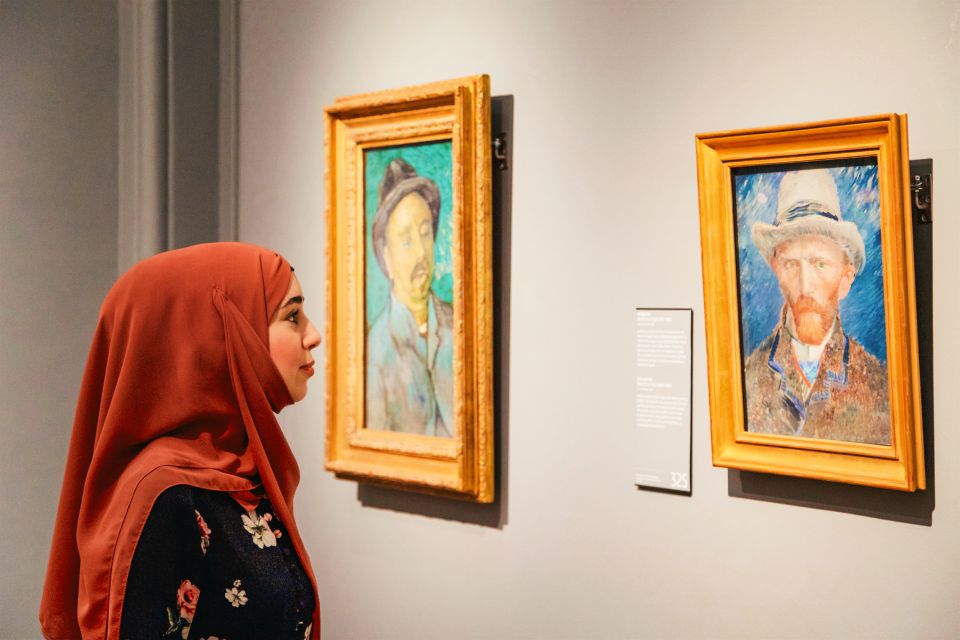
- Van Gogh’s obsession trail, including The Jewish Bride and the story connected to it.
- Photo-friendly rules (no flash, no selfie stick) so you can document without interrupting others.
Rijksmuseum ticket basics: what your $31 covers and how long you can stay
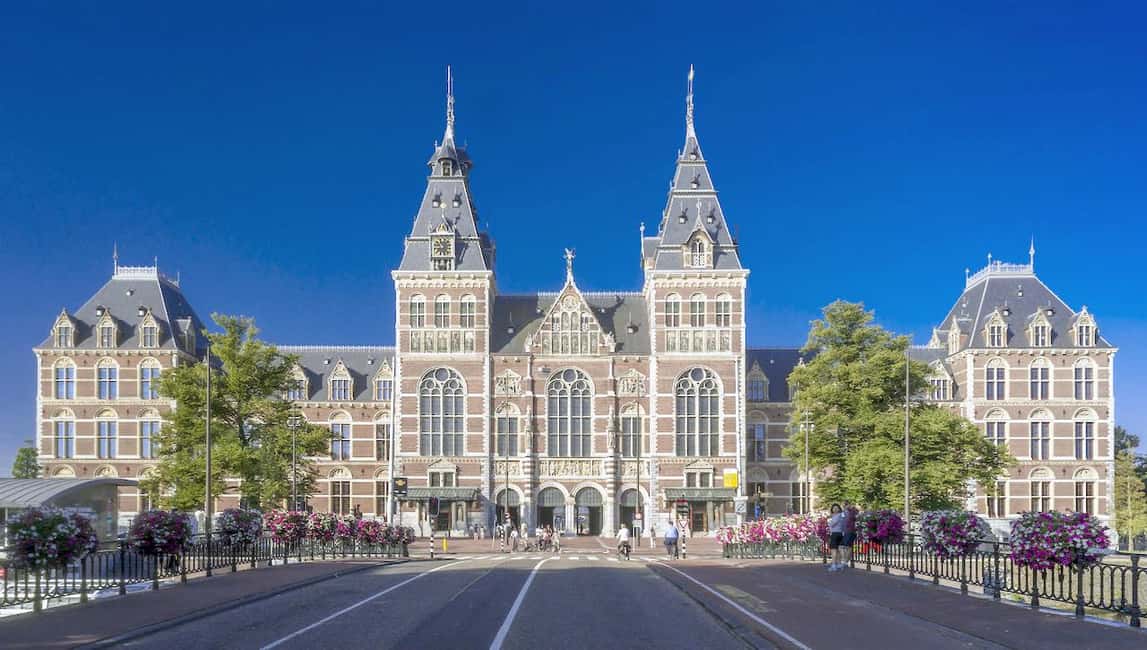
This entry ticket is priced at about $31 per person, valid for one day. That matters because the Rijksmuseum is not a “pop in for 30 minutes” place. You get real museum time, and you can pace your day based on your energy level.
Your ticket includes museum entry plus the permanent exhibitions, a cloakroom, and free Wi‑Fi. The Wi‑Fi is a small bonus, but it helps if you’re looking up numbered works on your phone while you’re standing in front of them.
A few key rules define the flow of your visit:
- The museum is open 9:00 AM to 5:00 PM daily.
- You must enter within 15 minutes after your ticket time.
- You can stay as long as you wish until closing.
- The ticket desk closes at 4:30 PM, so don’t treat late afternoon like a backup plan.
What’s not included: there’s no guided tour with this ticket. If you want an audio-style experience, you can buy a multimedia tour on site in 10+ languages for €6.50.
You can also read our reviews of more tours and experiences in Amsterdam



Is the $31 value fair?
Yes, especially if you care about the marquee works and also want the broader collection. The museum covers 800 years of Dutch art and history and includes thousands of objects across many categories. In practice, that means your ticket becomes “pay once, wander a lot.” If you’re the type who likes to drift between paintings, artifacts, and design objects, this is exactly the format that usually feels worth it.
Getting there from Amsterdam: tram 2, 5, and 12 to Rijksmuseum
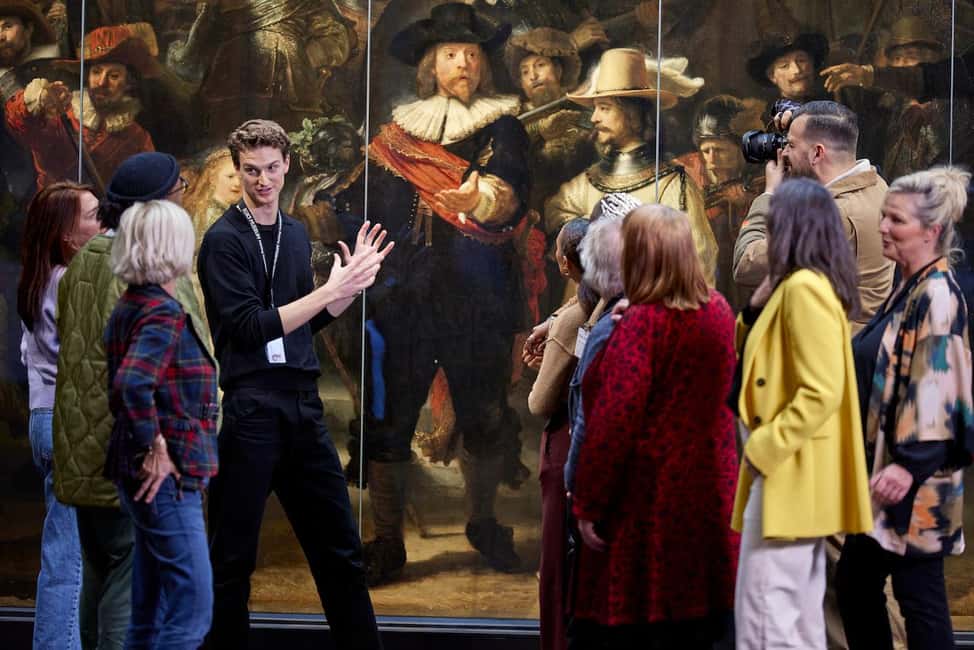
This is an easy museum stop to reach. You can get to the Rijksmuseum by tram 2, 5, and 12, and the nearest station is Rijksmuseum. That’s useful because Amsterdam’s central area is so walkable that you can pair this ticket with other stops without fighting transfers.
You’ll want to plan your timing based on that timed entry window. Trams run often, but you still don’t want to cut it close.
Entering fast: QR code scan, cloakroom, and your first 30 minutes

The ticket is built for quick entry. When you arrive, redeem your voucher by scanning your QR code at the entrance. Once you’re inside, your biggest job is to avoid wasting time trying to “figure out the museum” when it’s already crowded.
A good trick: use the first stretch to get your bearings. The Rijksmuseum is large, and the layout is designed so you can find your way without a guide, but only if you start with a plan.
You also have a cloakroom included, which helps if you’re traveling with a jacket, day bag, or extra layers. Some visitors also take advantage of lockers on site for free, which can make your wandering more comfortable once you’re settled.
And because free Wi‑Fi is included, it’s easier to:
- check details for specific numbered works
- plan what you want next while still standing in the gallery
- keep your phone battery from becoming the limiting factor
Plan a smart loop through 800 years of Dutch art (without burning out)
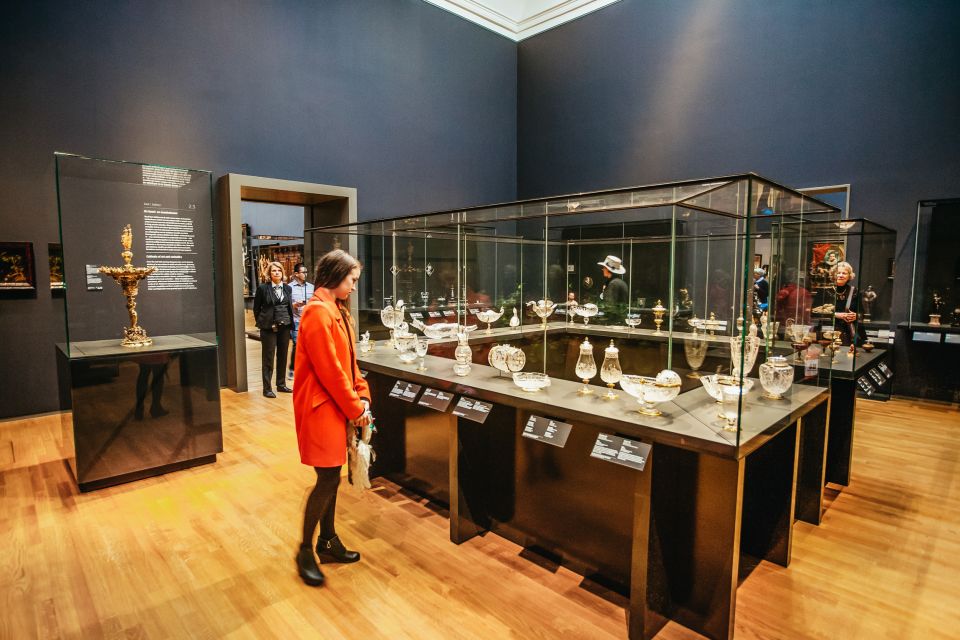
One of the reasons the Rijksmuseum can feel overwhelming is the scale. You’re looking at over 400 masterpieces and a collection spanning 8,000 objects. That’s not just paintings. You’ll run into ceramics, sculptures, archaeological artifacts, clothing, Asian art, prints, and items tied to Dutch maritime history.
So I suggest you don’t treat it like one long line of galleries. Treat it like a loop with a few “must-see anchors,” then let the rest fill in around them.
Here’s a realistic way to think about time:
- If you want the core highlights, plan a couple of hours.
- If you want to slow down and actually read labels, plan longer.
- If you’re visiting with kids or you like variety, you may find you need several hours to feel satisfied.
A practical approach:
- Start with the anchor rooms (Gallery of Honour and The Night Watch).
- Then move into the Golden Age painters you came for (Rembrandt and fellow Dutch Masters).
- Finally, enjoy the “surprise” collections where the museum tells a wider story: everyday life through objects, not just portraits and religious scenes.
This keeps you from walking past interesting parts because you feel behind.




Gallery of Honour and The Night Watch: the main event, timed for crowds
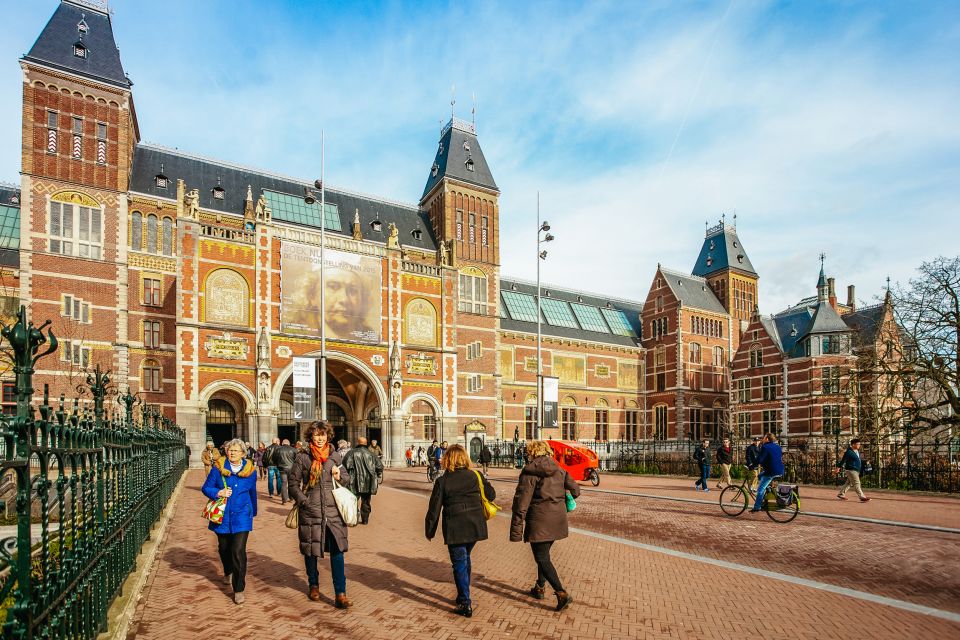
If you only do one thing, do this: find the Gallery of Honour and make a beeline for The Night Watch.
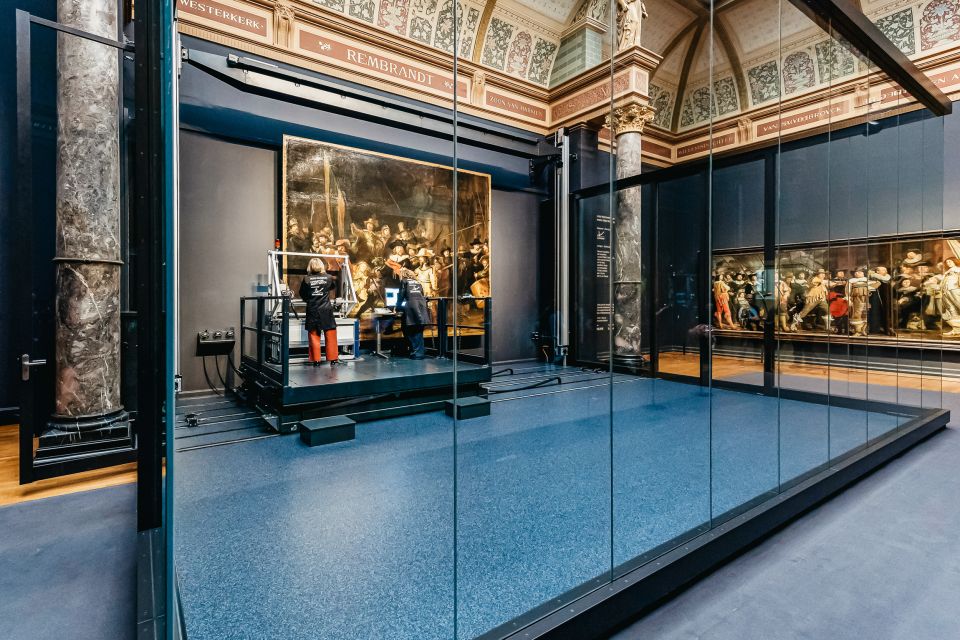
The museum displays The Night Watch in a beautifully lit hall, and the lighting is a big part of why it hits so hard. You don’t just see a famous painting. You start noticing how much is happening in the background, in the faces, and in the tiny shifts of detail that you’d miss in a darker viewing environment.
There’s another reason to time this well: the museum has begun the largest research and restoration project ever for The Night Watch, and it’s happening live in the museum. You can even support the project with a donation while you’re there. That makes the visit feel active, not just archival.
Crowd management that actually works
This is where your timed entry helps. The museum is open 9:00 AM to 5:00 PM, but the “best” experience is usually in the first part of the day. If you enter near opening time, you’re less likely to feel stuck waiting for views in the most popular halls.
And once you’re there, don’t get trapped at the hottest spot trying to see everything at once. Give yourself permission to stand for a few minutes, then step aside and let others pass. It keeps your own experience calmer, too.
Dutch Masters and the paintings that connect emotionally
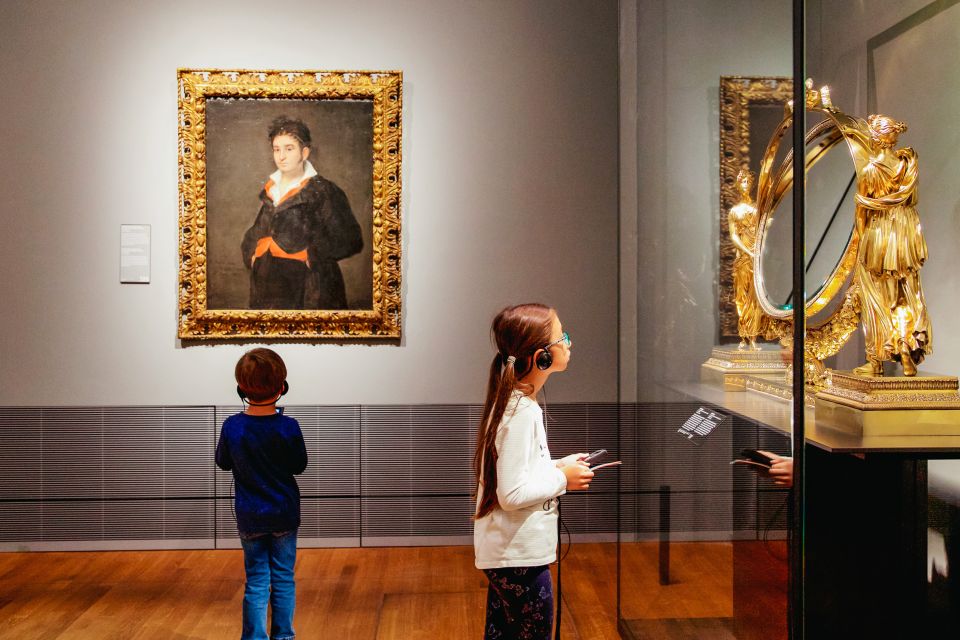
The Rijksmuseum is famous for the Golden Age painters. You’ll see big names like Rembrandt and Frans Hals, along with work that draws you toward how Dutch culture and daily life shaped art.
One painting that adds an emotional layer is The Jewish Bride. The story goes that Vincent van Gogh, visiting not long after the museum opened, was moved to tears and wrote that he would gladly give up ten years of his life to sit in front of it for two weeks, eating only a stale crust of bread. Whether you know van Gogh well or not, that kind of devotion makes you look at the painting differently.
Also, don’t assume you only came for Rembrandt. Reviews and visitors’ focus often mention other highlights such as Vermeer, and it makes sense: the Rijksmuseum is one of those places where the different masters complement each other rather than competing for your attention.
A note on photo etiquette
Photography is allowed, but keep it respectful:
- No flash
- No selfie stick
That means you can document your favorites, but you should also be mindful that the best views for people behind you depend on you not lingering in the middle of the flow.
Beyond paintings: Delftware, maritime history, clothing, and Asian art
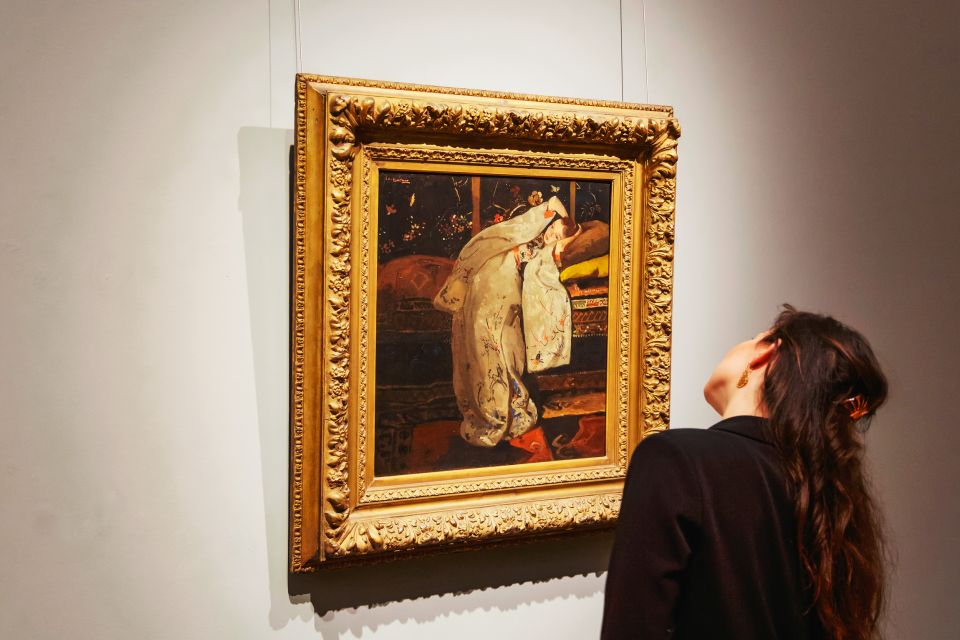
What makes the Rijksmuseum feel bigger than a “paintings museum” is how it connects art to the materials of everyday life and the bigger world.
You can expect to see:
- Delftware (those iconic blue-and-white ceramics)
- Sculptures
- Archaeological artifacts
- Clothing and costume
- Prints
- Asian art
- Items tied to Dutch maritime history
- Plus plenty of other objects that help you understand 800 years of change
This variety is the main reason I think the Rijksmuseum works well for different travel styles. If you’re a museum-and-history person, you’ll like the chronology. If you’re more of a design and objects person, you’ll love seeing how materials and craftsmanship reflect Dutch culture.
And it’s not only old objects. You might also come across newer works in the collection narrative, including a Mondrian-inspired dress by Yves Saint Laurent from 1965. That’s a great reminder that museums aren’t frozen time capsules. They’re conversation spaces.
How to pace the day: when to go and how long it will feel “right”
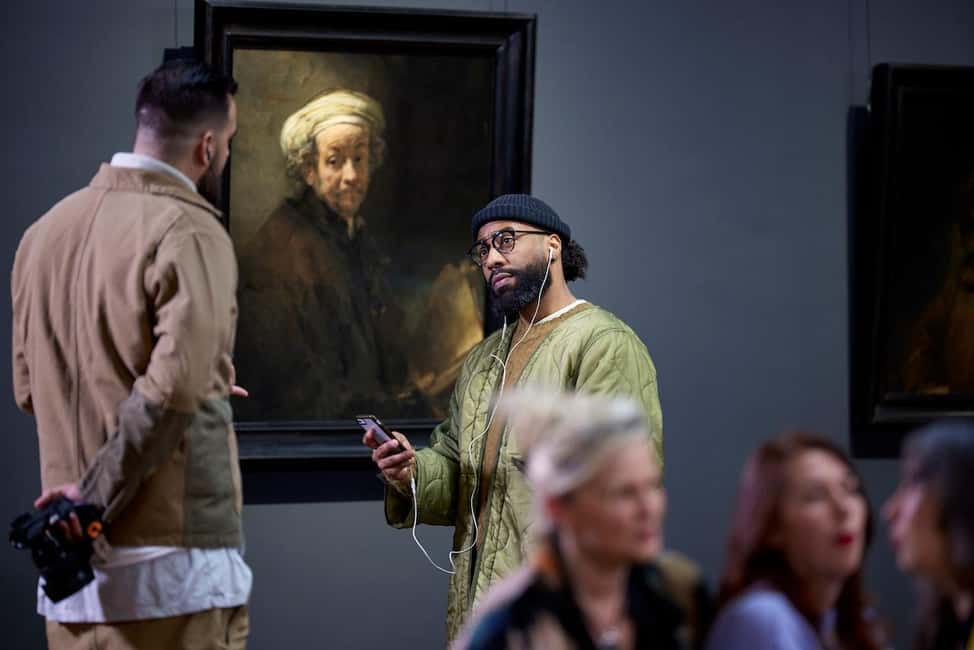
Crowds at the Rijksmuseum are not rare. The best way to protect your experience is to start early. The museum can get lined up right at opening, and once the busiest windows hit, the most popular rooms can slow you down.
Here’s what usually helps:
- Enter close to your ticket start time.
- Focus first on the rooms that require patience (The Night Watch is the obvious one).
- After that, you can branch out into quieter galleries without feeling like you missed the big moment.
If you’re traveling with kids, plan for more time than you think. The museum is big, and it can take time to go from one “cool thing” to the next without turning the day into stress.
For most adults who like to see a lot without racing:
- give yourself at least half a day
- and if you’re the type who reads labels, plan closer to a full afternoon
This is one of those places where trying to do everything usually leads to burnout, not satisfaction.
Photo rules, accessibility, and practical details that matter on-site
Here’s the practical stuff that can make or break your comfort:
- Photography/video is allowed except flash and selfie sticks.
- The museum is wheelchair accessible.
- Mobility scooters are not allowed.
- Pets are not allowed.
- Smoking is not allowed.
- If you can’t navigate independently, you can bring one companion free. You can pick up a companion entrance ticket at cash register 1.
Those rules sound strict, but they help keep galleries usable and preserve art and safety. If you’re planning around them, your day stays smooth.
Also, if you’re traveling with a group, note that group bookings for more than 20 people need to be handled via GetYourGuide.
So, should you book the Rijksmuseum entry ticket?
Book it if you want:
- a self-guided, flexible day with the option to add a multimedia tour later
- the chance to see Rembrandt’s The Night Watch in a purpose-built display
- the broader museum experience beyond paintings, including objects tied to daily life and Dutch history
- a ticket that lets you enter within a short window and stay until closing
Skip it (or consider a different format) if you want:
- a fully guided, narration-heavy experience, since this ticket is entry only
- an approach that minimizes crowds with a specific timed itinerary and guiding choices (this ticket is flexible, not structured)
My advice: if you’re in Amsterdam for a short trip, this is one of the best uses of a ticketed slot. Use the timed entry window to start strong, then let the museum’s scale do the rest of the work. You’ll likely leave feeling like you saw more than just famous paintings—you saw how an entire culture used art, design, and objects to record who they were.
FAQ
What is the price of the Amsterdam Rijksmuseum entry ticket?
The price is listed at about $31 per person.
How long is the ticket valid?
The ticket is valid for one day. You’ll need to check availability for the specific starting times.
What are the opening hours of the Rijksmuseum?
The museum is open every day from 9:00 AM to 5:00 PM. The ticket desk closes at 4:30 PM.
When can I enter if my ticket has a start time?
You can enter up to 15 minutes after the time shown on your ticket, and you can stay until closing.
Is a guided tour included?
No. This ticket includes entry and permanent exhibits, but a guided tour is not included.
Is there a multimedia tour, and what does it cost?
A multimedia tour in 10+ languages is available for purchase at the museum for €6.50.
Can I take photos or videos?
Yes, photography and video recordings are allowed, but no flash and no selfie stick.
How do I get there using public transport?
You can reach the Rijksmuseum by tram numbers 2, 5, and 12, with the nearest station being Rijksmuseum.