REVIEW · AMSTERDAM
Amsterdam: The ‘Hollandsche Manege’ Stables Entry Ticket
Book on GetYourGuide →Operated by De Hollandsche manege · Bookable on GetYourGuide
Amsterdam’s archways feel like time travel. Hollandsche Manege is a working riding-school site with 1744 roots, plus a small museum and real stables access inside one elegant venue. I like that it mixes the look of classical architecture with hands-on moments with the horses, and I also like that you get more than a quick photo stop—you’ll spend your time learning what Dutch horsemanship looks like day to day. The one thing to consider is that it’s not a fit for anyone with animal allergies.
What makes this ticket useful is how it packages the whole experience into one admission: venue access, a stables visit, and live lessons. It’s built for people who want something calmer and more specific than the usual Amsterdam checklist. If you’re coming expecting a long, full-day museum marathon, you might feel a little shortchanged—plan for a focused visit.
In This Review
- Key points to know before you go
- Entering Hollandsche Manege: the architecture does the talking
- Where your visit starts: making the most of your short time
- Ticket value: $18 buys access, stables, and live lessons
- Museum rooms: antique saddles, photos, and how Dutch training changed
- The stables visit: feeding, caressing, and learning daily routines
- Watching live lessons: what to look for (and why it’s worth it)
- How long it takes and how to schedule around it
- Who should book (and who should skip)
- Etiquette and practical tips that make the visit better
- Price and logistics: what matters before you commit
- Should you book Hollandsche Manege?
- FAQ
- How much is the Hollandsche Manege stables entry ticket?
- How long is the experience?
- What’s included in the ticket?
- Where do I meet for the visit?
- What languages are available?
- Is smoking or alcohol allowed?
- Is the venue wheelchair accessible?
- Is this suitable for people with animal allergies?
Key points to know before you go
- 1744-founded riding school: history you can still see in how the place is used today.
- Stables time: you’ll get close to the horses and learn their daily routine.
- Museum stops: antique saddles, weathered riding gear, and photos explain how the tradition evolved.
- Live lessons included: you’re watching instruction, not just sightseeing.
- Small rules that matter: no smoking indoors, and no alcohol/drugs in the venue.
- Not for animal allergies: horses are part of the experience.
Entering Hollandsche Manege: the architecture does the talking
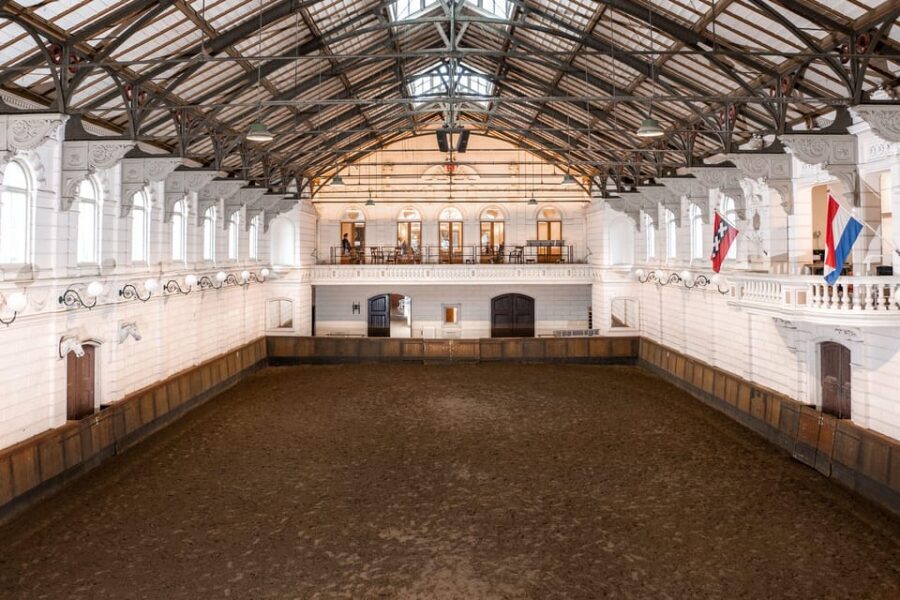
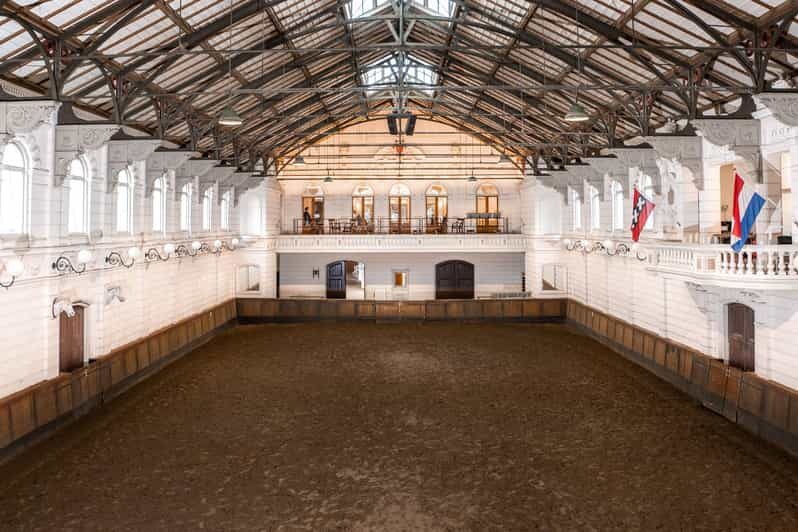
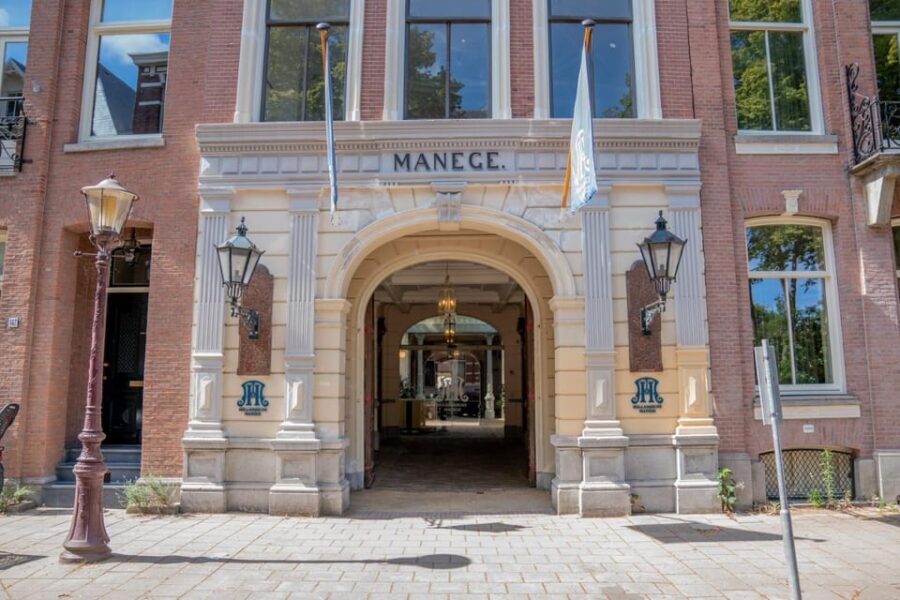
The first thing you’ll notice is the building itself. Hollandsche Manege has that grand, old-world riding-school look—graceful arches, tall columns, and polished surfaces that make the whole space feel formal. Even before you get to the museum pieces, the venue sets expectations: this isn’t a casual horse barn. It’s a historic stage for training.
I like that this setting works both ways. If you’re a horse person, the mood is instantly right. If you’re not, the architecture still makes the visit feel special and old-school, like you stepped into an 18th-century training hall.
You can also read our reviews of more tours and experiences in Amsterdam



Where your visit starts: making the most of your short time
Your visit begins at the large doors at the specified address (the meeting point the provider gives you). From there, think in terms of sections. You’ll move through the venue, then into the museum-style presentation, and you’ll also get stables time and live lesson viewing.
Because your total time is built to fit a single day entry, you’ll want to keep your pace steady. If you wander slowly through every corner, you can end up missing the lesson portion or rushing the stables. My advice: pick the museum items you most want to see, then save your energy for the parts involving the horses.
Also note the simple on-site rules. Smoking indoors isn’t allowed, and alcohol and drugs aren’t permitted. That helps keep the atmosphere family-friendly and focused on the horses and instruction.
Ticket value: $18 buys access, stables, and live lessons
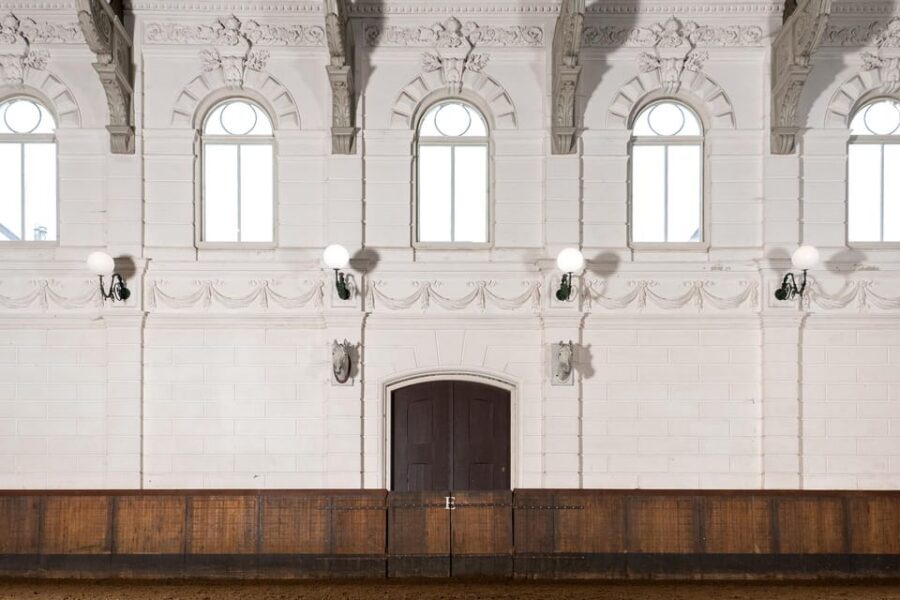
At $18 per person for one-day entry, this ticket is good value if your goal is “see the horses + learn the context,” not just “walk around a building.” The price covers the Hollandsche Manege ticket, access to the whole venue, the stables visit, and live lessons.
The biggest value play here is the combination. A museum ticket alone would be one experience. A stables visit alone would be another. This bundles both, and it does it in one compact outing. If you’re trying to fill time between bigger Amsterdam sights, it’s a smart pivot to something specific and calm.
One small note: drinks in the foyer aren’t included. So if you want a soda, coffee, or similar, budget for that separately.
Museum rooms: antique saddles, photos, and how Dutch training changed
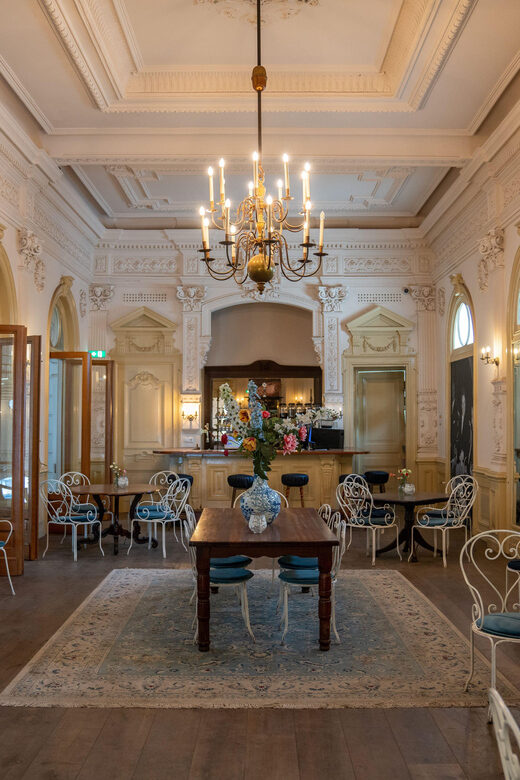
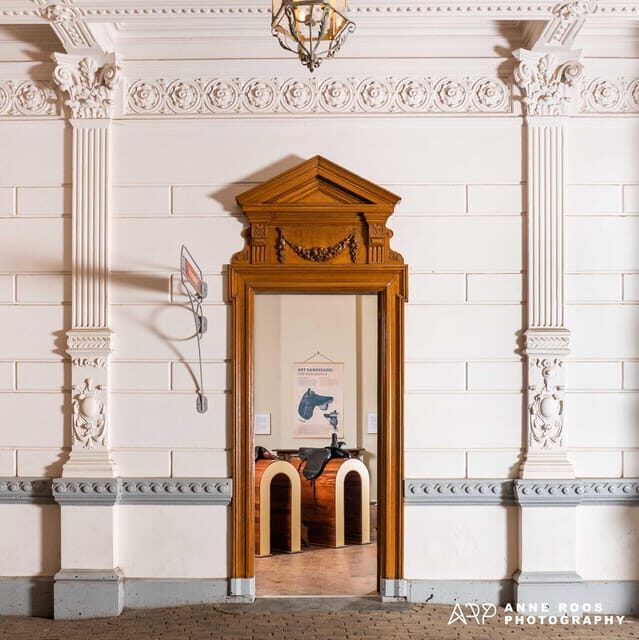
Inside the venue, you’ll find a museum-style walk through the tools and images that shaped Dutch horsemanship. The big wins are the antique saddles and weathered riding gear. They make the training feel tangible—less like textbook history and more like “these were used.”
You’ll also see photographs that trace the evolution of the riding school and its horse culture over time. For me, that’s what turns this from a pretty building into an educational stop: the artifacts explain the why behind the look.
If you like old equipment, you’ll likely enjoy lingering here. The museum portion gives you context for what you’ll watch later during the live lessons. You don’t need to be an equestrian expert to connect the dots—you can simply watch for the methods and presentation style that these historical items represent.
The stables visit: feeding, caressing, and learning daily routines
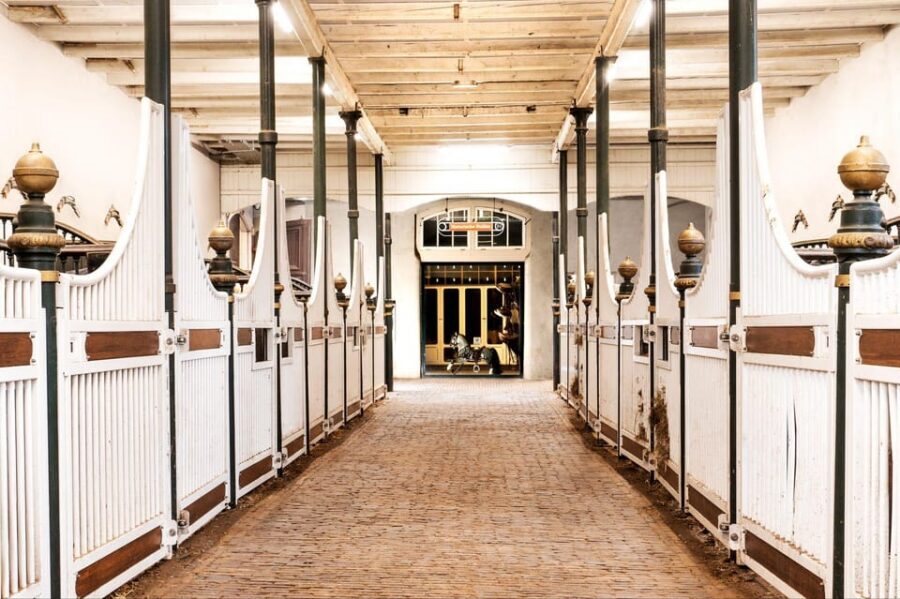
The heart of the visit is the stables time. This is where the tradition becomes personal. You’re not only looking at horses from a distance—you get access to their world inside the facility.
From the way people describe the experience, you can expect close contact moments such as caressing the horses and even feeding them. That’s not a throwaway interaction. It’s the kind of moment that changes your understanding of “horse watching,” because you get a sense of how calm routines and care work in a stable setting.
You’ll also learn how the horses live day to day. The venue presents their routine as part of the attraction, not just a background detail. This is where Dutch horsemanship feels less like spectacle and more like daily partnership.
Practical consideration: keep your expectations realistic about what hands-on time looks like. Even when you can interact with the horses, it’s still a working stable environment. Follow staff cues, stay aware of space, and don’t treat the horses like props.




Watching live lessons: what to look for (and why it’s worth it)
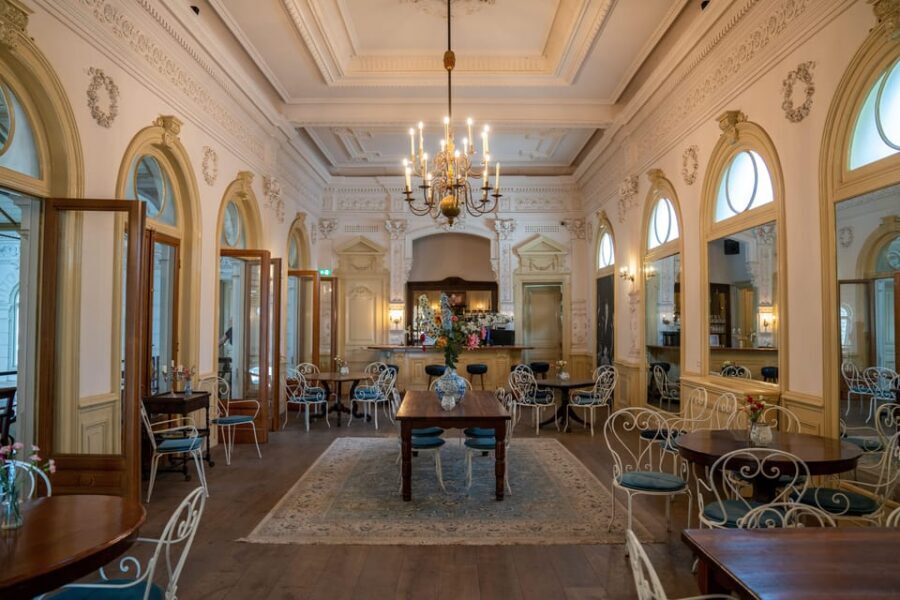
The live lessons included with your ticket are a major reason this experience feels complete. You’re not just touring history; you’re seeing instruction happen in a real training space.
Here’s what I’d focus on while you watch:
- How the rider and horse communicate: you can often spot the subtle back-and-forth that keeps training moving.
- The lesson structure: you’ll likely notice that it’s methodical and repeat-focused.
- The way the venue supports training: the arches and columns aren’t only pretty—they shape acoustics and movement patterns in the hall.
Even if you don’t know the vocabulary, you can still appreciate the discipline. And because the museum helps explain the historical gear and tradition, the lesson becomes more meaningful. You’re seeing continuity between “then” and “now,” not just a performance.
How long it takes and how to schedule around it
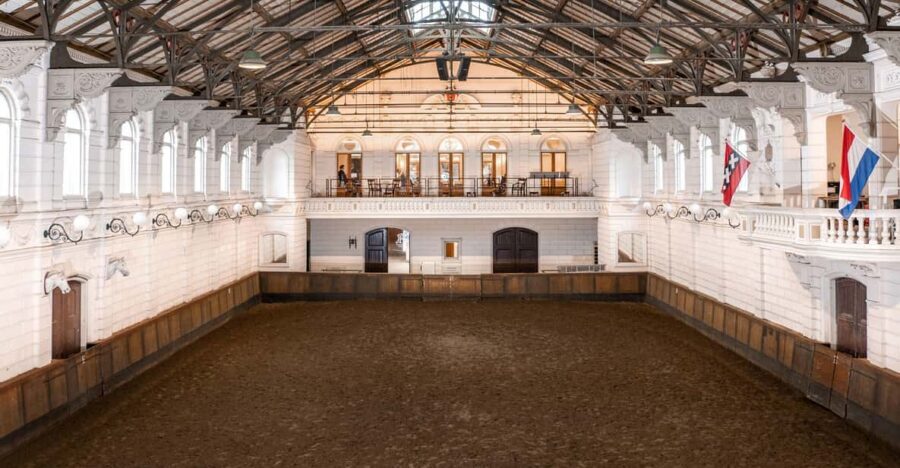
Your entry is for one day, and the experience is designed as a focused visit rather than an all-day event. One review-style detail that matters: the outing often feels like a well-used hour, not a half-day detour.
So plan it like this:
- If you’re doing Amsterdam in blocks, treat Hollandsche Manege as your “small, high-impact stop.”
- Pair it with lighter walking days. It works well when you want a break from museums that require hours of concentration.
Timing matters because the live lesson portion is part of the value. Check availability for starting times when you reserve so you land in a session window that fits your schedule.
Who should book (and who should skip)
This is ideal if you want:
- A structured horse-and-history experience in one location
- A calmer alternative to big-ticket tourist attractions
- A chance to see training in a historic setting founded in 1744
- Hands-on stables moments like touching and feeding (when allowed)
It’s not the best choice if:
- You have animal allergies (the horses are central)
- You’re looking for a long, multi-room museum day rather than a compact visit
- You want alcohol service as part of the experience (alcohol in the venue isn’t allowed)
If you’re traveling with kids, this can be a memorable hour because it combines learning with direct interaction. If you’re a solo traveler, it’s also a friendly sort of stop—easy to approach, not overly complicated, and built around shared viewing.
Etiquette and practical tips that make the visit better
A few small habits will help you get the most out of Hollandsche Manege:
- Arrive with a plan: you’ll move through museum items, then stables, then lessons. Don’t get stuck only on photos.
- Watch staff directions: stables rules can change depending on horse routines and safety needs.
- Be gentle with horses: if you get a chance to caress or feed, keep it calm and follow what the staff shows you.
- Bring comfy shoes: you’ll be walking inside the venue and standing for viewing time.
Also, since the foyer drink isn’t included, you’ll want to decide if you want to grab something nearby before you go or purchase on-site.
Price and logistics: what matters before you commit
The key logistics are simple: you’re buying a ticket for one-day entry, and you’ll get full venue access plus stables time and live lessons. Language support is available in Dutch and English, which is helpful if you want to ask questions while you’re there.
If you want flexibility, you can reserve and pay later. And cancellation is offered up to 24 hours in advance for a full refund, so you can adjust if your Amsterdam day shifts.
One more practical point: the provider notes the experience is wheelchair accessible, which is great if you need step-free planning.
Should you book Hollandsche Manege?
Book it if you want an Amsterdam experience with a clear focus: horses, training, and historic context in one ticket. For the money, the value is strong because your admission isn’t just a look—it includes museum-style understanding and live instruction in the same visit.
Skip it if animal contact is a problem for you (allergies), or if you need a long, full-day schedule with lots of separate activities. This is meant to be a compact outing that uses your time well.
If you’re the kind of traveler who likes places where the past is still used—not just displayed—Hollandsche Manege is a smart, low-stress choice.
FAQ
How much is the Hollandsche Manege stables entry ticket?
It costs $18 per person.
How long is the experience?
It’s listed as a 1-day ticket.
What’s included in the ticket?
The ticket includes access to the entire venue, a visit to the stables, and live lessons (plus the Hollandsche Manege ticket itself).
Where do I meet for the visit?
Go to the large doors at the specified address.
What languages are available?
The host or greeter provides Dutch and English.
Is smoking or alcohol allowed?
Smoking indoors is not allowed, and alcohol and drugs are not permitted.
Is the venue wheelchair accessible?
Yes, it’s wheelchair accessible.
Is this suitable for people with animal allergies?
No, it’s not suitable for people with animal allergies.