REVIEW · AMSTERDAM
Amsterdam: Unfold.art ‘Sora’ Immersive Art Exhibit Ticket
Book on GetYourGuide →Operated by Unfold.art · Bookable on GetYourGuide
A sky full of light sounds unreal. Sora turns the roof into outer space, using hundreds of kinetic lights and a synchronized soundscape.
I like that you can watch at your own pace and stay as long as you want, because not all art needs a stopwatch. I also love the clean concept: the sky as a window, made visual and audible.
You enter the round industrial space at Gashouder Westergasfabriek, then the installation keeps changing above you. The light and sound shift between calm and energetic, even stormy, which makes it feel less like background entertainment and more like a moving meditation.
One drawback to plan around: the audio is loud (over 87 decibels), so if you’re noise-sensitive or have health concerns, this isn’t a casual stop.
In This Review
- Key Points Before You Go
- What Sora by Nonotak Is Really About
- Gashouder Westergasfabriek: Why This Venue Matters
- The Light-and-Sound Show Overhead: What You’ll Actually Do
- Ticket Value and Timing: Is $22 Worth It?
- Practical Rules That Affect Your Visit (Noise, Bags, Kids)
- Who This Works For (and Who Should Skip)
- How to Plan Your Amsterdam Day Around It
- The Review Red Flag: Verify Your Ticket Matches Reality
- Should You Book Sora in Amsterdam?
Key Points Before You Go
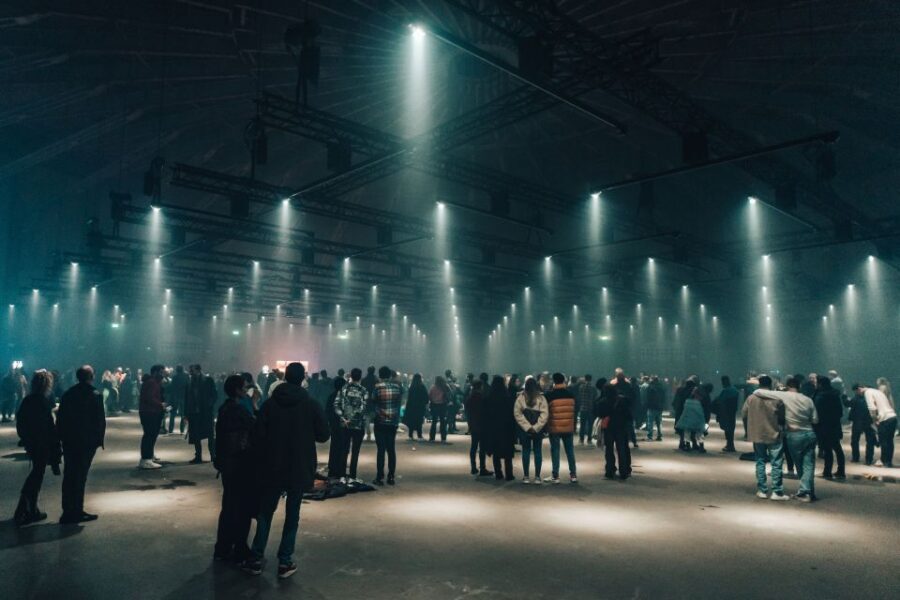
- Nonotak’s Sora imagines the sky as a window to outer space through choreographed light and sound
- Hundreds of kinetic lights create a geometric, star-like feel overhead
- No guide is included, so the experience is very self-paced
- Loud sound levels are part of the design (earplugs are available for purchase; headphones for children are free)
- Wheelchair accessible, but large bags and food/drink are not allowed
- Recent feedback is extremely mixed, so double-check that your ticket matches an active exhibit session
What Sora by Nonotak Is Really About
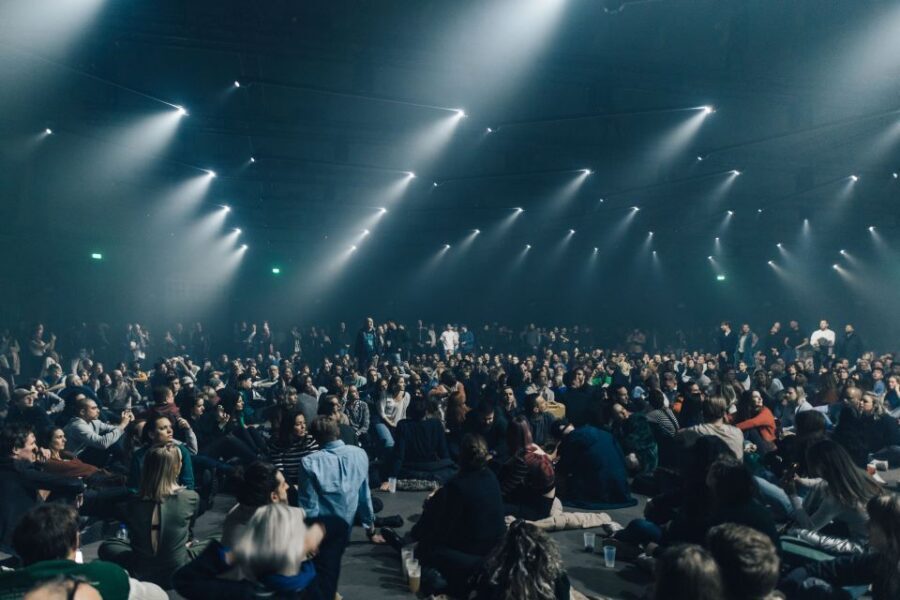
Sora is built around a simple idea you’ll feel fast: the sky isn’t empty. In this installation, it becomes a surface you can look into, where light behaves like stars and sound acts like the sky’s motion.
Nonotak (the artist duo behind the concept) treats the ceiling area like a stage. You’re not standing to read a panel or follow a narrative with a narrator. Instead, you’re there to experience how the “sky” can oscillate—calm moments, then more energy, and even storm-like intensity.
You can also read our reviews of more tours and experiences in Amsterdam



Gashouder Westergasfabriek: Why This Venue Matters
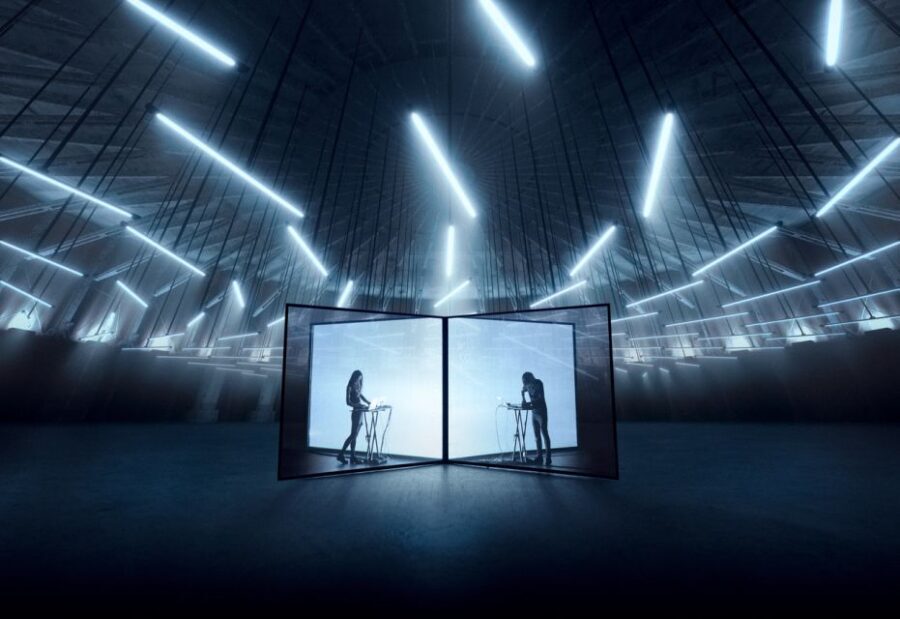
The experience starts inside the Gashouder Westergasfabriek, a former industrial space now used as a cultural venue. The building’s round form helps the installation feel wraparound, like the ceiling is truly the main event.
That matters because Sora depends on your visual focus above you. A typical museum room can be “flat” in feel. Here, the architecture supports the idea that the sky is overhead—so you naturally settle into watching rather than wandering.
The Light-and-Sound Show Overhead: What You’ll Actually Do
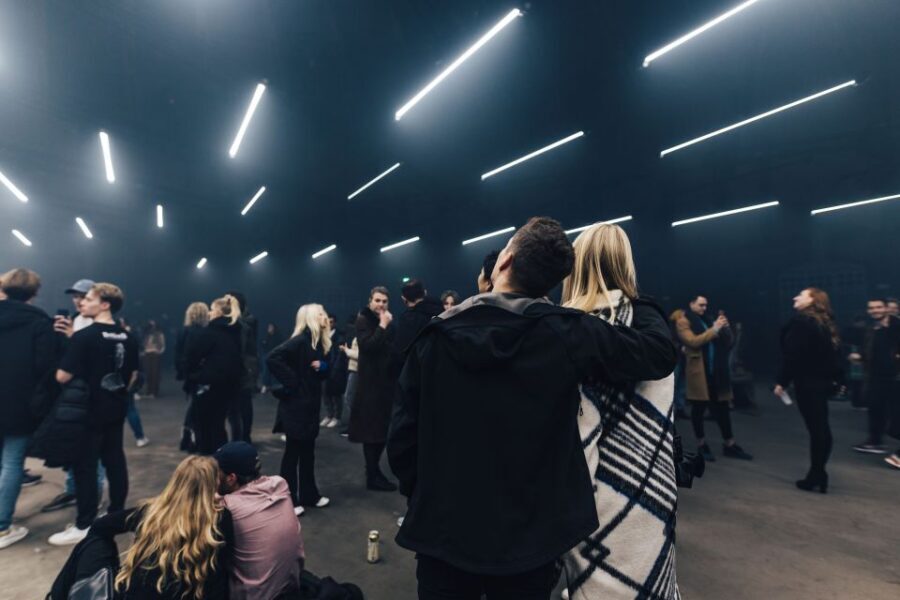
Once you’re in, you basically do one job: watch. The installation uses dynamic, choreographed light patterns—geometric choreography that reflects the complexity of stars above. As you stay, the visuals keep changing, so the show doesn’t feel like one repeating loop.
The soundscape is just as important. The audio rhythm shifts to mimic the sky’s oscillation between peaceful and energized states, even into stormy energy. This is also where the experience can surprise you: it’s not subtle. It’s designed to be felt in your senses, not just heard politely from the corner.
A nice part of the concept is the “window to outer space” feeling. If you go in expecting a flat slideshow, you’ll miss the point. You’re meant to let your eyes and ears work together as the installation evolves.
Ticket Value and Timing: Is $22 Worth It?
At about $22 per person, the price is basically paying for a ticket to Sora plus access to the Gashouder space. There’s no guide included, so you’re not buying a tour with commentary. Instead, you’re buying time inside a specific environment—an art experience you can choose to linger in.
That “stay as long as you like” detail changes the value equation. If you have flexibility and can sit for a while, you’ll often feel like you got your money’s worth. If you only have a few minutes, it’s easier to feel shortchanged because the main value is the slow shift of light and sound.
You also have a practical timing advantage: the ticket is valid for 1 day, and starting times depend on availability. So you’re not locked into one rigid schedule in the way some timed tours are.
Practical Rules That Affect Your Visit (Noise, Bags, Kids)
Sora comes with a few rules that can affect your comfort and convenience.
First: sound is loud by design. This experience uses loud, multidimensional sounds above 87 decibels. Earplugs are available for purchase at the bar. If you’re planning ahead, this is the kind of place where you’ll want protection even if you usually handle noise fine.
Children get a helpful note in the details: headphones are available for children free of charge. That’s worth remembering if you’re traveling with a kid who’s sensitive to sound (or if you just want to make the experience smoother).
Second: keep things simple. Pets are not allowed. Food and drinks are not allowed. Luggage or large bags aren’t allowed either. Plan to travel light and be ready to store or leave bulky items elsewhere before you arrive.
Here’s the big takeaway: Sora is about sensory immersion through sound and light, so the rules are designed to reduce distractions and risk. That’s good for the artwork. It’s also less flexible for your everyday travel setup.



Who This Works For (and Who Should Skip)
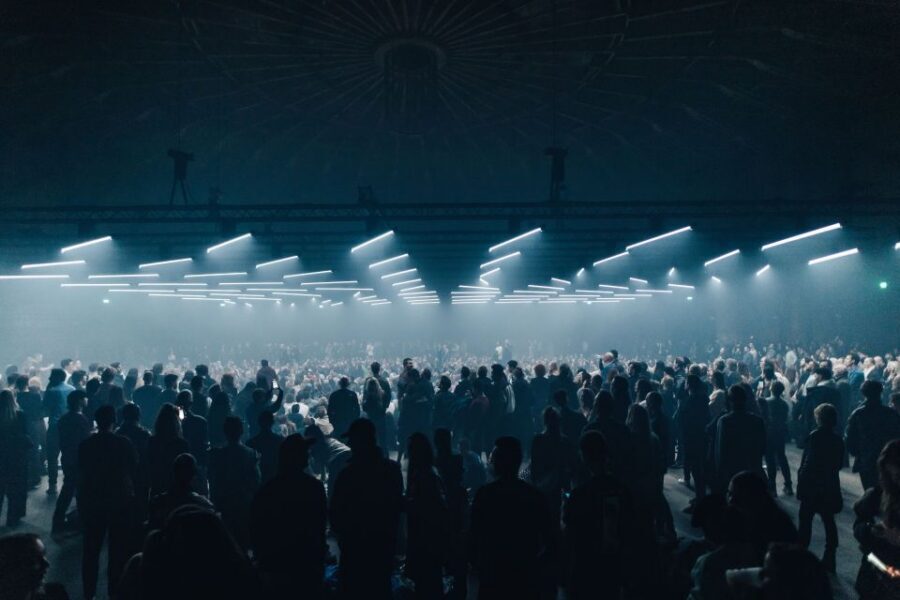
This is a great fit if you want a hands-off art experience where you can set your own pace. You don’t need to follow a route. You just enter, settle, and let the show carry you.
You’ll likely enjoy it more if you’re okay with:
- loud audio (or at least willing to use earplugs)
- a focus on the overhead space
- spending time without a guide explaining what to feel
It’s not suitable for people with epilepsy, based on the activity notes. Also, if very bright, high-stimulation environments are a problem for you, you’ll want to think twice before booking.
And if you’re the kind of traveler who needs constant narration or interaction, this may feel too quiet in a different way. There’s no guide included, so the experience is mostly you and the installation.
How to Plan Your Amsterdam Day Around It
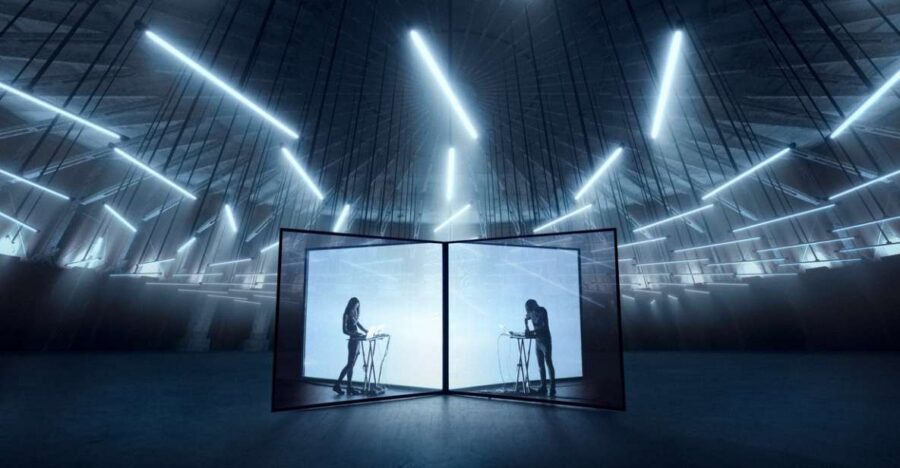
Because Sora is self-paced and you can stay as long as you like, you should build your day with breathing room. Don’t stack tight museum-to-museum plans right before or after. Give yourself time to arrive, get comfortable, and settle into the show.
I like treating it as an anchor stop. It’s not just another indoor ticket. The whole setting—Gashouder Westergasfabriek and the overhead light-and-sound environment—is distinct. If you add a little time before you go in, you’ll arrive calmer, which helps with the loud audio aspect.
Also, plan to keep your pack small. No large bags means you’ll have less to manage on arrival.
The Review Red Flag: Verify Your Ticket Matches Reality
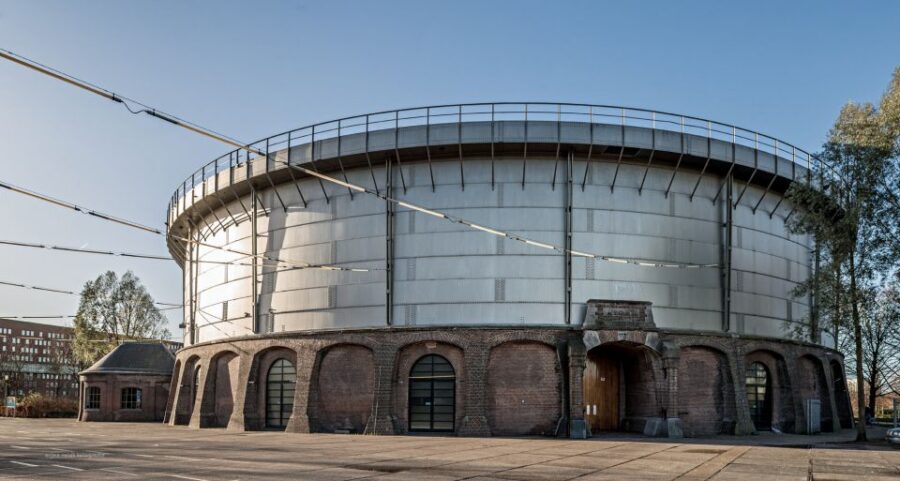
Here’s the part you shouldn’t skip. The available ratings and comments attached to this ticket type are extremely low, with reports that the exhibit wasn’t there and that the tickets were wrong.
I can’t confirm what you’ll find on your specific day, but I can tell you how to protect yourself:
- Before you commit, double-check the exact session or starting time you’re booking.
- Confirm that Sora is running at Gashouder Westergasfabriek for your time slot.
- If you’re flexible, a booking option with free cancellation up to 24 hours ahead can reduce risk.
In other words: don’t treat this as a “sure thing” the way you might with a famous landmark. Treat it like a show. Verify it’s on.
Should You Book Sora in Amsterdam?
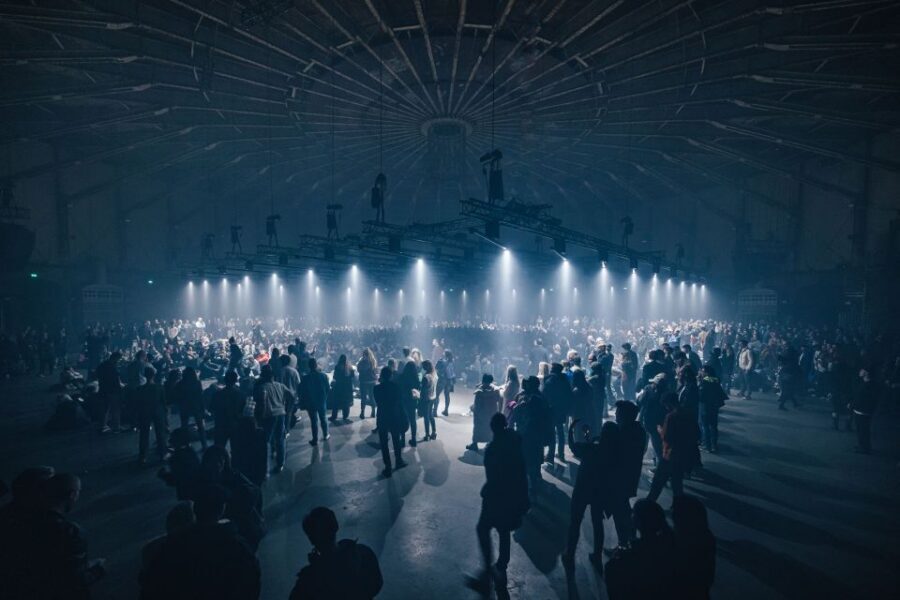
I’d book Sora if you’re excited by light-and-sound art and want a self-paced, overhead visual experience inspired by the sky and outer space. The concept—hundreds of kinetic lights, changing sound rhythms, and a place you can linger—makes it feel like more than a quick attraction.
I’d also book it only if you’re comfortable with the sound level. Bring or plan to buy earplugs, because above-87-decibel audio is real, and this is designed to be intense.
Skip it or think hard if you have epilepsy, strong sensitivities to flashing or sound, or if you rely on a guided experience to help you interpret what you’re seeing.
And because the public feedback is so rough, I strongly recommend doing one extra step: confirm the exhibit is operating for your specific session at the listed venue before you go.
If that checks out, Sora can be a rare Amsterdam moment—less about “learning facts” and more about letting the sky, sound, and light work on you for a while.