REVIEW · AMSTERDAM
“The 10 Most Polluted Masterpieces: A Sustainable Digital Tour”
Book on Viator →Bookable on Viator
Art meets air pollution, fast. This short Amsterdam experience takes you through the 10 most polluted paintings in an interactive, digital setup, with an avatar-style guide keeping the focus on sustainability and conservation. I like that it’s built for a quick hit of art-and-science thinking without needing to plan a museum day. One thing to watch: the schedule is tight (weekdays only, evening slot), so you’ll want to line it up before you arrive.
Two more reasons this works well for real life. First, you’ll get a mobile ticket, so you can travel lighter. Second, it’s a private experience, so your group stays together. The possible drawback is simple: since it’s an online meeting experience, it’s not the same as standing in front of the paintings with full-on museum scale and lighting.
In This Review
- Key highlights at a glance
- What you’re actually doing: a “10 polluted masterpieces” digital walkthrough
- Timing and check-in: fitting a 5:00 PM slot in Amsterdam
- The avatar guide experience: interactive, not passive
- Ten segments, sustainability theme: why “pollution” becomes a conservation lesson
- What makes it feel special: short, guided, and private
- Value check: what $12.51 buys you (and what it doesn’t)
- Digital vs. on-site art tours you may have seen elsewhere
- Who should book this experience
- Should you book: my practical verdict
- FAQ
- What language is the tour offered in?
- Where does the tour meet?
- How long is the experience?
- What time does it run?
- Is this a private tour?
- Do I get a ticket on my phone?
- Will I receive confirmation after booking?
- What is the cancellation policy?
- Should you bring a camera or headphones?
Key highlights at a glance
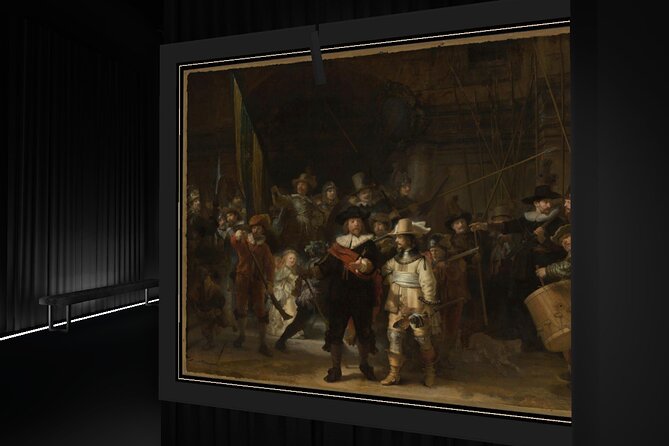
- Ten polluted paintings, one sustainability theme: each part ties artwork to conservation and environmental thinking
- Avatar-led interactive format: you’re not just watching; you’re moving through the experience
- English offered: clear for solo planning and mixed groups
- Private group only: you won’t be shuffled into a crowd
- Short window, 10 to 30 minutes: easy to slot in as an add-on
- Mobile ticket: fewer moving parts on the day
What you’re actually doing: a “10 polluted masterpieces” digital walkthrough
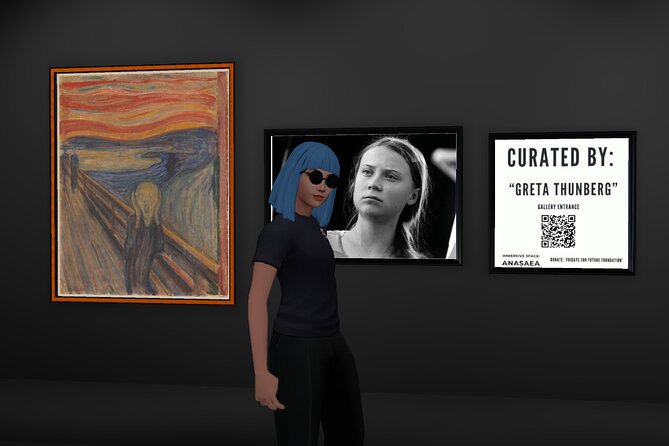
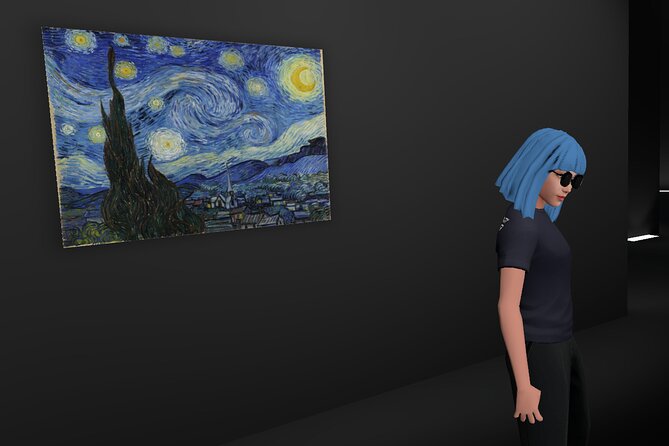
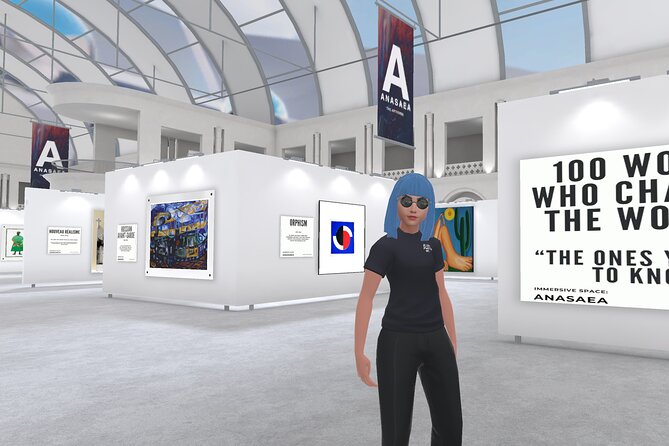
This experience is designed as a focused digital journey through the most polluted paintings, framed as a sustainability-and-conservation story. The title is bold, but the format is practical: you’re guided step-by-step in an immersive digital environment, with a guide logged in as an avatar.
The big appeal for me is that it turns a heavy topic—paintings affected by pollution—into something you can process quickly. You’re not stuck reading a wall of text for hours. Instead, you’re moving through ten segments that keep the conversation centered on preservation and why cleaner air and smarter conservation matter.
You should also know what this is not. It’s not described as a traditional in-person museum tour. The meeting point is online, which means the “where” is mostly about logging in and staying present during the scheduled time window. If you’re the type who wants museum atmosphere, long looking time, and galleries full of people, this will feel different. If you want a compact, guided learning moment, it’s a good fit.
You can also read our reviews of more tours and experiences in Amsterdam.



Timing and check-in: fitting a 5:00 PM slot in Amsterdam
The tour runs on a very specific schedule: during October 2026, Monday through Friday, from 5:00 PM to 5:30 PM. The experience itself is about 10 to 30 minutes, so you’re really committing to an evening window rather than a full hour.
Your meeting point is listed as Paleisstraat 107, 1012 ZL Amsterdam, Netherlands, and it says the activity ends back at the meeting point. Even though it’s an online experience, that address is still your “anchor” for start and end. That matters because it reduces the guessing game. You can plan transport to a real address, then follow the session instructions at the right time.
Practical tip: arrive a little early to get settled. Even for short experiences, the biggest mistake is being late and rushing the login or setup. Think of this as a timed show, not a drop-in workshop.
The avatar guide experience: interactive, not passive
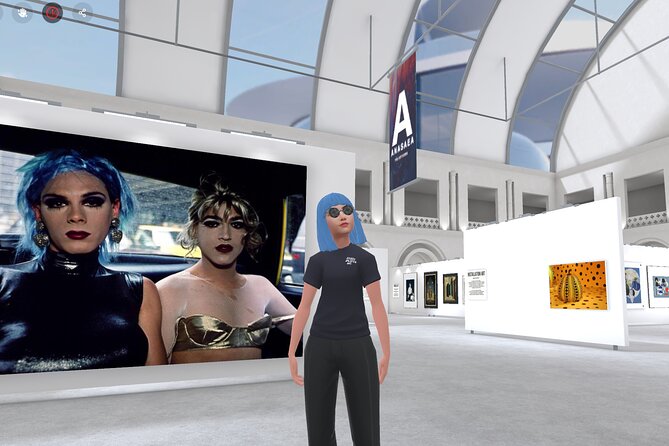
The core of the tour is the guide, logged in as an avatar. That detail may sound futuristic, but what it signals for you is a different pacing than standard audio guides or videos. You’re guided through the content in a way that feels like a conversation between you and a presence in the environment.
In plain terms: you should expect to actively follow along through the experience rather than just watch. The format is listed as immersive and interactive, and the guide is part of the reason. Even if you’re not into tech-heavy experiences, this kind of structure can help you keep attention for a short session.
One more practical note: it’s offered in English, which makes planning easier if you’re traveling with mixed comfort levels or you don’t want to hunt for translations.
Ten segments, sustainability theme: why “pollution” becomes a conservation lesson
The tour is specifically about the top 10 most polluted paintings and connects that to sustainability and conservation. That doesn’t just mean a sad story about damaged art. The angle is the opposite: it’s about how conservation decisions reflect choices we make about the environment.
Here’s what I’d watch for as you move from one painting segment to the next:
- Cause and effect: pollution isn’t treated like a vague idea. You’re guided to understand how environmental conditions affect surfaces, materials, and long-term preservation.
- Preservation thinking: the focus stays on what conservation tries to do—slow down deterioration, protect materials, and keep artworks viewable for the future.
- Sustainability as action: sustainability is presented as part of the conservation logic, not just a tagline. The paintings become examples of why cleaner air and better stewardship matter.
Because the tour is short, the content is likely designed to be clear and directional. You won’t get lost in every technical detail; you’ll get enough to understand the relationship between art care and environmental conditions. That’s a strength when you want learning without turning it into a full research project.
What makes it feel special: short, guided, and private
This is one of those rare experiences where “short” is actually a plus. At 10 to 30 minutes, you can fit it into a day without letting it crowd out everything else. If you’re staying in central Amsterdam and you want something meaningful that doesn’t eat half your afternoon or evening, this works.
And the private setup matters more than you might think. Since it’s described as a private tour/activity with only your group, you’re less likely to experience awkward pacing or distractions from people who are clearly browsing their way through. It tends to make a guided experience feel more personalized, even in a digital environment.
I also like that it allows service animals, and that it says most travelers can participate. That combination suggests the experience is designed with broad participation in mind, even if the exact accessibility details aren’t laid out.


Value check: what $12.51 buys you (and what it doesn’t)
Price is listed at $12.51 per person. That’s not “cheap” in the sense of meaningless. It’s priced like a focused add-on: a timed learning experience rather than a full museum visit.
For value, here’s the way I’d judge it:
- You’re paying for ten guided segments and an avatar-led structure, not just a video you could watch alone.
- You’re paying for English delivery and a private format for your group.
- You’re not paying for transportation inside a museum, ticket lines, or spending hours inside galleries.
What it doesn’t promise is the sensory payoff of in-person art viewing. If you want the tactile reality of brushwork at museum distances, you’ll still need a museum. But if you want conservation and sustainability thinking in a tight window, this is an economical way to get it.
Quick honesty: at this duration, don’t treat it as your only art trip. Treat it as a smart primer or a reflective add-on that makes whatever you see next hit harder.
Digital vs. on-site art tours you may have seen elsewhere
While researching, you might come across descriptions of art tours tied to older buildings and artist-led explanations in places far from Amsterdam—some mention a named artist, a seminary-like venue, and even refreshments tied to a local spring. Those details don’t appear in the Amsterdam digital format as provided here.
So here’s the takeaway for you: don’t judge this experience by those on-site stories. This one is explicitly presented as a digital, avatar-guided session with sustainability and conservation as the through-line. The “special location” energy you might hear about for other tours won’t be the selling point here. The selling point is the theme and structure, delivered online.
Who should book this experience
Book it if you fit one (or more) of these:
- You want a short guided art learning moment without committing to a long museum block.
- You care about conservation and sustainability and like connecting big environmental problems to real-world examples.
- Your group prefers private pacing.
- You’re traveling in a shoulder season or you like having an option that doesn’t depend on museum hours.
Skip it if:
- You’re hoping for the full museum experience: walking galleries, seeing large canvases in person, and taking your time without a timed digital format.
- You can’t make the weekday evening window. This isn’t a “any day” activity in the data given.
Should you book: my practical verdict
I’d book this if you want art that connects to environmental reality and you like structured learning that doesn’t stretch for hours. The format is built for focus: avatar-led guidance, ten themed segments, and a time window that you can actually schedule.
If your goal is pure in-person art viewing, you’ll likely be happier with a museum visit. But if your goal is to understand why paintings suffer from pollution and what conservation tries to do about it, this is a tidy, smart option.
FAQ
What language is the tour offered in?
The tour is offered in English.
Where does the tour meet?
The meeting point is Paleisstraat 107, 1012 ZL Amsterdam, Netherlands, and the activity ends back at the meeting point.
How long is the experience?
It runs for about 10 to 30 minutes.
What time does it run?
For October 2026, it runs Monday to Friday from 5:00 PM to 5:30 PM.
Is this a private tour?
Yes. Only your group participates.
Do I get a ticket on my phone?
Yes. The tour uses a mobile ticket.
Will I receive confirmation after booking?
Confirmation is received at the time of booking.
What is the cancellation policy?
You can cancel for free up to 24 hours in advance of the experience for a full refund.
Should you bring a camera or headphones?
The tour details provided don’t mention camera or headphone requirements. If you have a device for accessing the digital experience, make sure it’s charged and ready.