REVIEW · VOLENDAM
Volendam: 2.5-Hour Cheesemaking Workshop & Clog Making Tour
Book on GetYourGuide →Operated by Simonehoeve Cheese, clogs and restaurant · Bookable on GetYourGuide
Cheese and clogs in two and a half hours. This Volendam workshop at Simonehoeve pairs cheesemaking lessons with a wooden shoe factory visit, plus plenty of tastings.
What I like most is the mix of hands-on cheesemaking steps and the way the clogs tour fills the waiting time while your cheese presses. You also get to sample Dutch favorites like Gouda and Edam, along with biscuits and wine.
One possible catch: don’t expect a full, traditional Gouda aging project done entirely on-site. You’ll make a young cheese you can vacuum-pack and take home, and there may be home steps after the workshop that matter for how well it travels.
In This Review
- Key highlights worth planning for
- Simonehoeve near Volendam: a working farm-and-factory kind of stop
- From raw milk to your own young cheese: what you’re really making
- The press-time break that turns into clog history (and a wood demo)
- Tastings: what you eat, and why it helps your cheesemaking lesson
- What you bring home: your vacuum-packed cheese and the home-ripening choice
- Price and value: what $145 covers (and what it doesn’t)
- Language, guide style, and group feel
- Who should book this tour—and who might want to rethink it
- Getting there: meeting point and simple Amsterdam routing
- Should you book Volendam’s cheese and clog workshop?
- FAQ
- How long is the Volendam cheesemaking and clog tour?
- What will I make and take home?
- Can the cheese be eaten right away?
- Is the milk pasteurized?
- What is included in the experience besides the cheese?
- What is not included?
- Where do I meet, and how do I find it?
- Is the tour accessible and in multiple languages?
Key highlights worth planning for
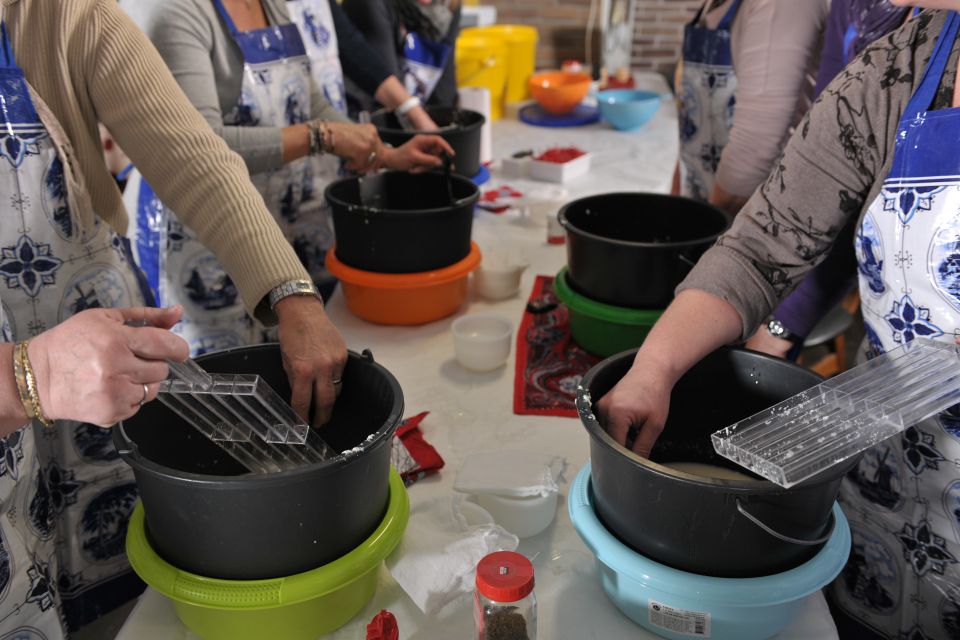
- Raw, non-pasteurized milk cheesemaking basics you can actually follow step-by-step
- A young farmer’s cheese you make and take home (vacuum packed)
- Wooden shoe factory tour during press time, with historical to modern clogs
- Tastings of Dutch cheeses, biscuits, and Dutch fruit wine while you learn
- A guide-led experience in multiple languages, including Dutch, English, French, German, Italian, and Spanish
Simonehoeve near Volendam: a working farm-and-factory kind of stop
This is not a museum-style cheese lecture. Simonehoeve is a real site where cheese and clog culture sit side-by-side, so the learning feels practical from the start. You’ll spend your 2.5 hours moving between the cheesemaking area, the wooden shoe factory, and the shop where the flavors of North Holland show up.
You’ll also get a clear sense of the region’s rhythm: milk comes in, curds get handled, and then there’s time to tour, taste, and shop. That flow matters because it turns waiting into something useful instead of idle time.
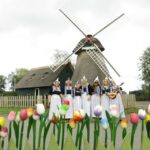
If you’re coming from Amsterdam, you’ll take bus 316 from Amsterdam CS (IJzijde). The stop is labeled Hotel Volendam, and the cheesefarm and clog factory are just a couple of meters away. Look for a mini-windmill to find the right place fast.
You can also read our reviews of more tours and experiences in Volendam
From raw milk to your own young cheese: what you’re really making
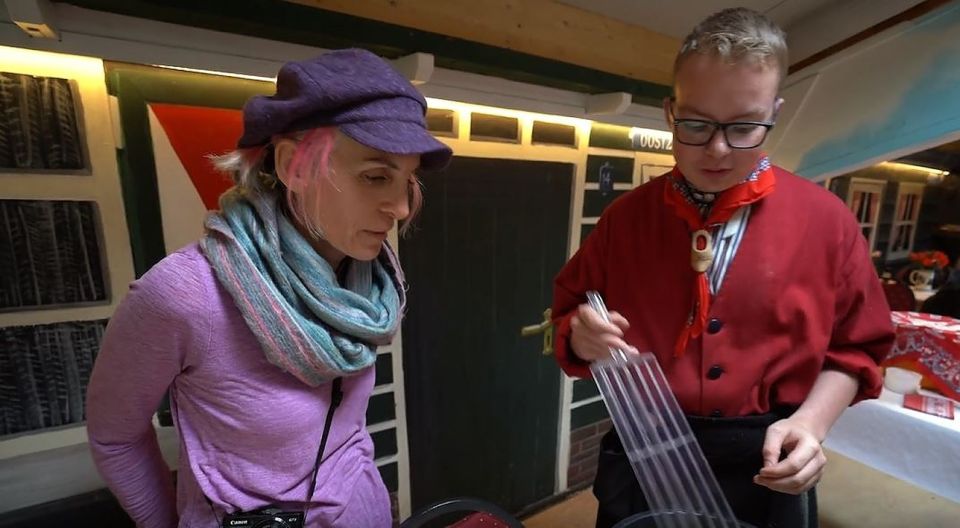
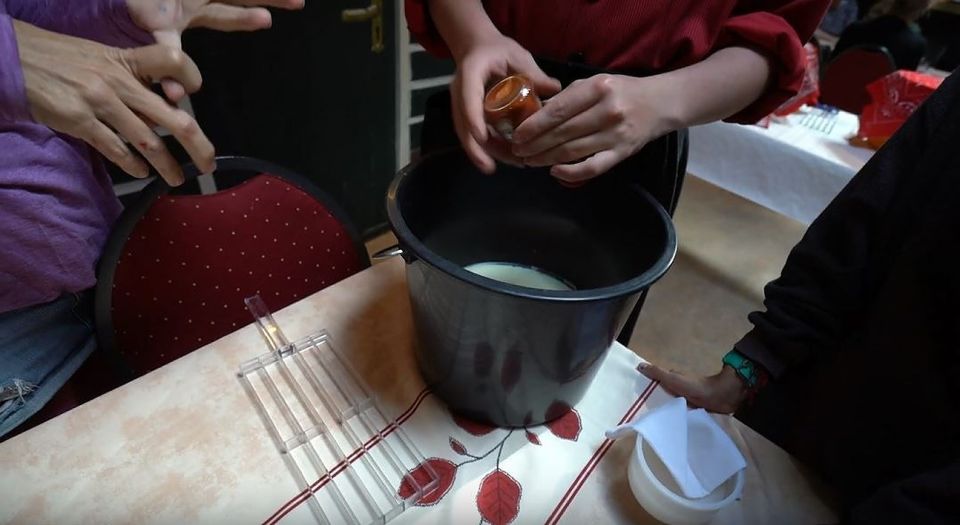
The core of the experience is learning cheesemaking with the same raw, non-pasteurized milk approach used for the cheeses in this part of Holland. You start with milk from local cows, then follow the steps as the instructor guides you through the process.
Here’s the sequence you can expect to focus on:
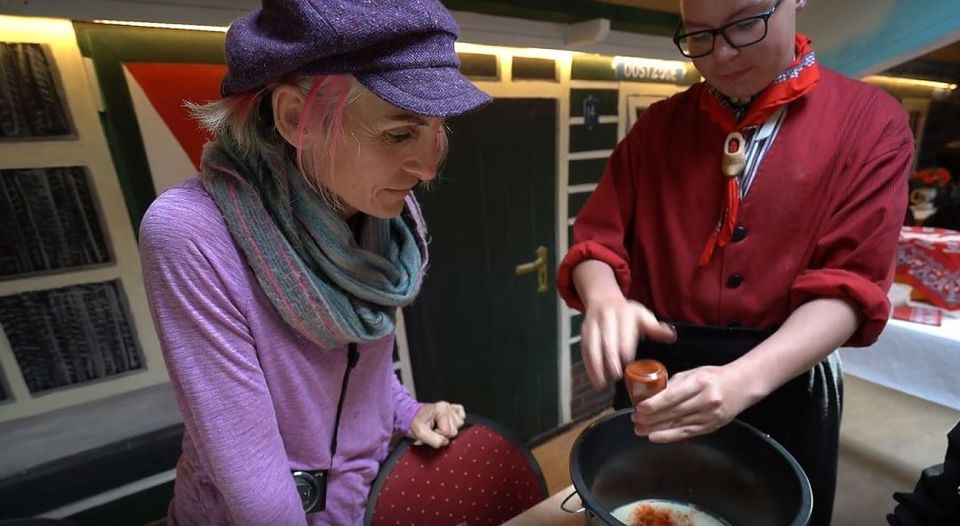
- Mixing the milk and getting the right start for the curds
- Heating as part of shaping the texture
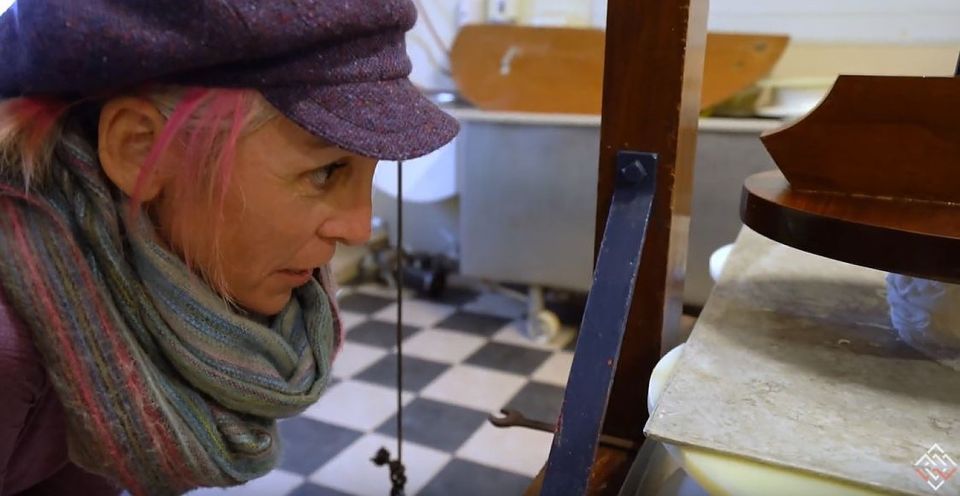
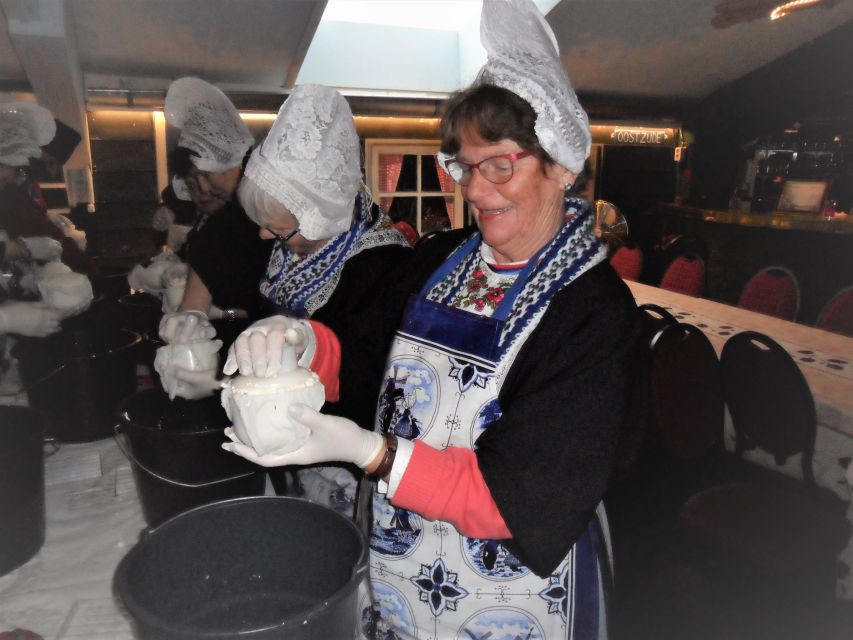
- Pressing so the cheese forms and firms up
- Tasting along the way, so you connect what you’re doing to what it becomes
The goal is not to produce a long-aged wedge. You’ll make a little farmer’s cheese that’s very young. That youth is part of why this workshop works in only 2.5 hours: it’s designed for a cheese you can eat soon after making.
You’ll also learn that this young cheese can be vacuumed and eaten directly, or ripened at home using a liquid plastic-style cover method. That’s a big detail to keep in mind: the workshop teaches the process up to a stage where you can carry it forward at home if you want a different result.
One more important note: raw milk is the main ingredient here. So treat the product like fresh dairy. Handle it carefully once you have it, keep it chilled when possible, and follow whatever instructions you’re given at the end of the workshop so it has the best chance during travel.
The press-time break that turns into clog history (and a wood demo)
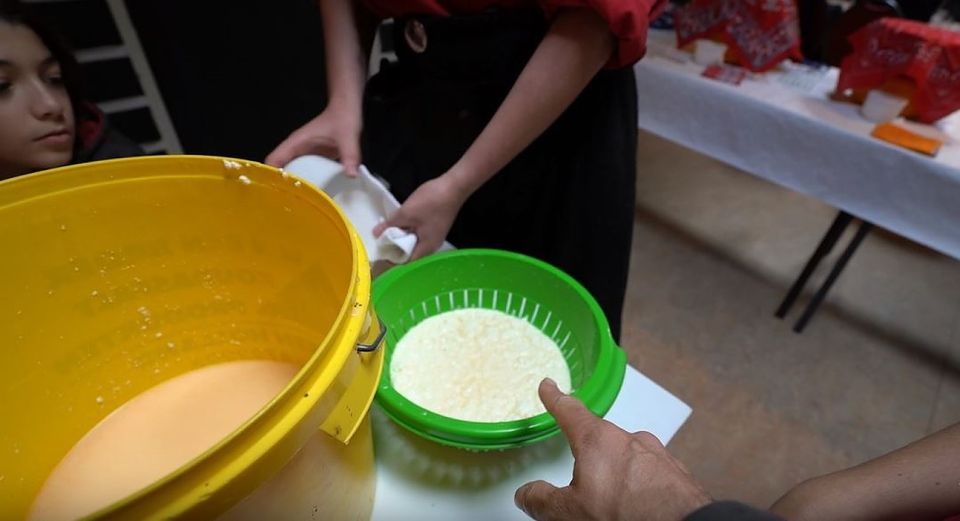
While your cheese is being pressed, the tour smartly switches gears. That waiting period doesn’t get wasted.
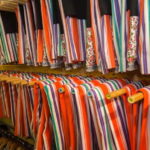
Instead, you go through a wooden shoe factory where you can learn how clogs are made from wood. You’ll see different styles, from older clog forms to more modern variations. The most useful part is that you’re not just looking at finished pairs—you’re seeing how a chunk of wood turns into footwear, with an old-fashioned demonstration included as part of the experience.
This is also where the workshop feels especially “Dutch.” It connects everyday tools and craftsmanship: milk work on one side of the site, and wood work on the other. If you like your activities hands-on, you’ll probably enjoy that the clogs part gives your brain a break from cheese and still keeps you learning.
Tastings: what you eat, and why it helps your cheesemaking lesson
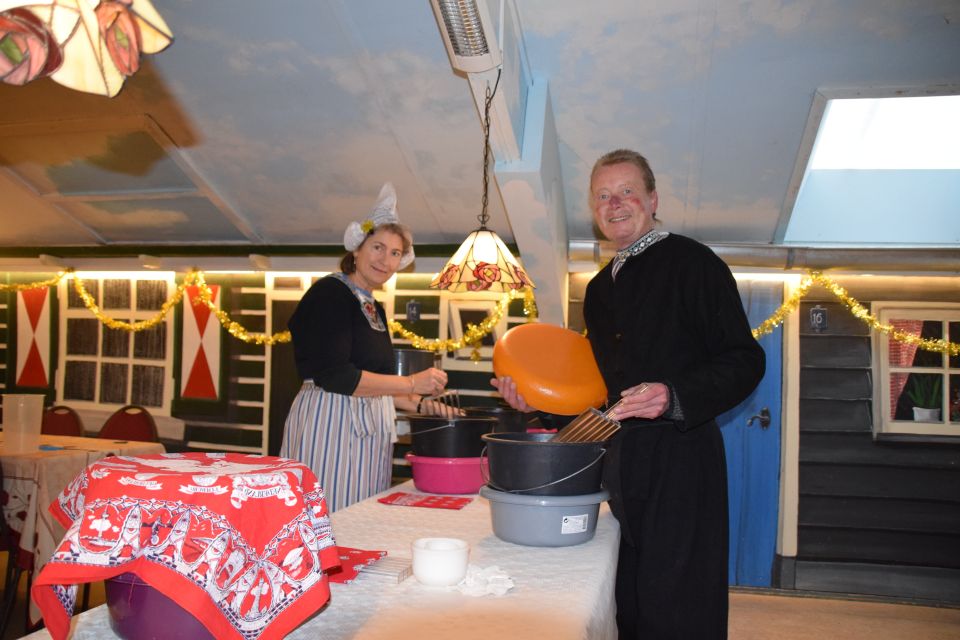
The workshop is built around more than technique. You’ll taste Dutch cheese and local snacks as part of the experience, including Gouda and Edam. That matters because it gives you reference points while you’re making your own cheese.
When you taste Gouda and Edam in the same session, you’re basically learning with comparisons:
- You understand what “young” tastes like once you’ve made your own
- You get a feel for flavor differences tied to process and aging
- You leave with a clearer idea of which Dutch cheeses you actually like, not just which ones tourists buy
On top of cheese, you’ll also sample Dutch biscuits such as stroopwafel, plus Dutch fruit wine. That pairing fits the vibe of the place: a farm experience with real products you can buy and bring home.
Even if you’re not a cheese expert, the tastings help you connect the dots quickly. The workshop teaches steps; the tasting turns those steps into taste memory.
What you bring home: your vacuum-packed cheese and the home-ripening choice
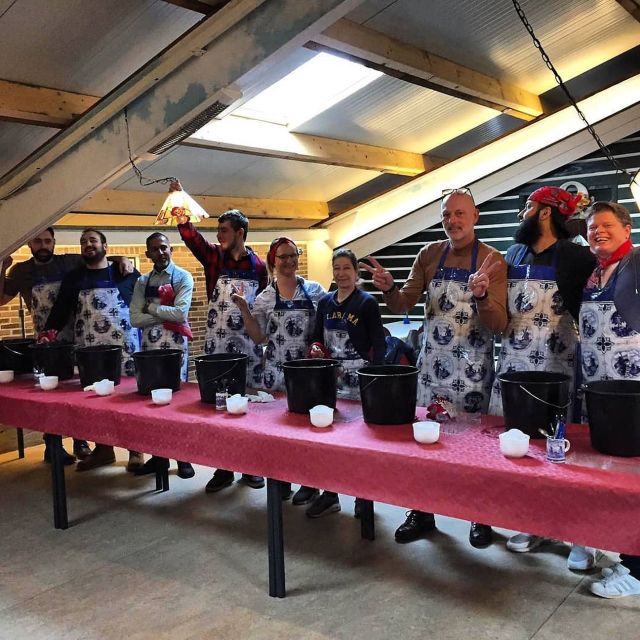
Your take-home item is the homemade cheese you make during the class. It’s vacuum packed, which is helpful for carrying it. It also supports the two options you learn:
- Eat it directly (since it’s very young)
- Ripen it at home using the liquid plastic cover method explained during the workshop
This is exactly where planning helps you avoid disappointment. If you’re traveling with limited space in your suitcase, think about how you’ll pack it and how carefully you can keep it stable and protected. One low-star experience described the cheese getting damaged because of how it traveled, so don’t treat the take-home cheese like a casual souvenir.
If you want to ripen it later, make sure you’re ready for the timing and home steps that go along with that method. If you only want to eat it soon, you can focus on the direct-eat path and plan your meal schedule accordingly.


Price and value: what $145 covers (and what it doesn’t)
At $145 per person for a 2.5-hour workshop, this isn’t a budget activity. So you’ll want to look at what you’re actually buying.
For your money, you get:
- Guided cheesemaking instruction with real steps and tasting
- A visit through the wooden shoe factory during press time
- Sampling of Dutch cheese (including Gouda and Edam), biscuits like stroopwafel, and Dutch fruit wine
- A homemade cheese included to bring home
What’s not included is additional drinks and food. That’s normal for this kind of tour, but it’s worth knowing so you don’t assume you’ll be fully fed beyond the tastings.
Because the activity combines two crafts in one tight time window (cheese + clogs) and still includes a take-home product, the price feels more justified than a pure lecture. If you enjoy practical learning—especially in a short format—this one can be a strong value.
If you’re the type who wants to leave with a fully aged Gouda process experience done from start to finish during the class, you should adjust expectations. The workshop centers on a young farmer’s cheese stage you can take away and possibly finish at home.
Language, guide style, and group feel
Instruction is offered in several languages, including Spanish, Dutch, English, French, German, and Italian. That’s a real comfort if your group is mixed, because you can follow the cheesemaking steps without fighting translations.
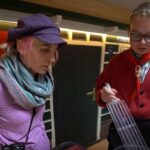
One guide name that shows up as memorable is Fred, described as fun and entertaining. Even without knowing who you’ll get, the key point is that the tour is guided and interactive. The cheesemaking process needs coaching, and the clog factory section benefits from narration too.
The group is a private group, which usually makes it easier to ask questions and move at a pace that fits your comfort level. If you’re traveling with friends or want a more personal workshop vibe, this setup is a plus.
Who should book this tour—and who might want to rethink it
This is a good fit if:
- You want a hands-on cheesemaking experience rather than just tasting
- You like pairing food learning with another craft (clogs)
- You’re happy making a young cheese you’ll eat soon or ripen later at home
- You enjoy tasting while learning, so you can connect technique to flavor
It may not be the best fit if:
- You’re expecting to create a full classic Gouda end-to-end on-site, including aging
- You’re traveling light and can’t safely transport fragile fresh items
- You want a strictly cheese-only class with minimal factory time
The sweet spot is curiosity plus flexibility. You’re not just buying a souvenir wedge—you’re getting an experience that explains how Dutch dairy work and Dutch woodwork both shape everyday life.
Getting there: meeting point and simple Amsterdam routing
You meet at Simonehoeve, Wagenweg 2, 1145 PW Katwoude/Volendam.
If you’re starting in Amsterdam, take bus 316 from Amsterdam CS (IJzijde). Tickets can be bought at the station or from the bus driver, but cash isn’t accepted. When you arrive, find the area near the stop Hotel Volendam. The cheesefarm and clog factory are only a couple of meters away, and you’ll recognize it by the mini-windmill.
If you can, aim to arrive between 9:00 AM and 3:00 PM as suggested for smooth timing with the day’s schedule.
Should you book Volendam’s cheese and clog workshop?
I’d book this if you want a short, guided taste of Dutch craftsmanship: cheese you make, cheese you learn from, and clogs you can connect to the same hands-on culture. The workshop format is practical, and the press-time factory tour is a smart way to keep the learning moving.
Skip it or at least lower your expectations if you’re chasing a full, traditional Gouda aging journey completed entirely during the workshop. This is about making a young cheese stage and giving you the option to take it forward at home.
If you pack carefully and treat the take-home cheese as real food (not a loose souvenir), this can be a memorable 2.5 hours with real payoff.
FAQ
How long is the Volendam cheesemaking and clog tour?
The workshop lasts 2.5 hours. You can check available starting times when booking.
What will I make and take home?
You’ll make a young farmer’s cheese during the session. It’s vacuum packed and included, so you can take it home.
Can the cheese be eaten right away?
Yes. The young cheese can be vacuumed and eaten directly, or it can be ripened at home using a liquid plastic cover method.
Is the milk pasteurized?
No. The cheesemaking uses raw, non-pasteurized milk.
What is included in the experience besides the cheese?
You’ll get a guided cheesemaking tour, time to learn about clog making in the wooden shoe factory, and tastings such as Dutch cheese, biscuits like stroopwafel, and Dutch fruit wine.
What is not included?
Additional drinks and food are not included beyond what’s part of the tastings during the tour.
Where do I meet, and how do I find it?
Meet at Simonehoeve, Wagenweg 2, 1145 PW Katwoude/Volendam. If you’re arriving by bus from Amsterdam, get off at Hotel Volendam and look for the cheesefarm and clog factory by a mini-windmill nearby.
Is the tour accessible and in multiple languages?
Yes. The activity is wheelchair accessible, and instruction is available in Spanish, Dutch, English, French, German, and Italian.