REVIEW · AMSTERDAM
Amsterdam: Cannabis Museum Entry Ticket
Book on GetYourGuide →Operated by Cannabis Museum Amsterdam · Bookable on GetYourGuide
Walk into a museum that treats cannabis like science. With a $14 ticket, you get a fast, interactive 3-floor lesson on hemp plants, cannabis history, and the stories that get told around Dutch coffee culture. Two things I really like are the hands-on setup (with live plants plus lab-style tools) and the way the exhibits tackle myths and propaganda with plain explanations. One thing to consider: it’s short on purpose, with an average visit around 45 minutes, so if you want a slow, sit-down experience, plan extra time.
The format is built for curiosity. You move at your pace through indoor displays, read, watch, and use interactive stations, then finish in an upper-floor area with equipment demos and staff interaction. The museum also has a clear rules page: smoking and intoxication aren’t allowed, so keep your expectations aligned with museum conduct even if you’ve heard Amsterdam slang and stories.
Finally, timing matters. The museum closes at 10 PM, and you’re advised to arrive by 9 PM—so it’s easiest as an evening stop after you’ve done the main sights, or as a quick cultural reset before you head toward coffee shops.
In This Review
- Key points worth knowing before you go
- Cannabis Museum Amsterdam: the value in a $14 ticket
- How the 3-floor layout keeps the experience moving
- Live plants, microscope moments, and the “science” section that actually helps
- Cannabis history in plain terms: from Central Asia to coffee shops
- Myths, propaganda, and the Dutch way of smoking—how they frame it
- The upper-floor equipment and the rules you must follow
- Time it right: when to arrive so you don’t feel rushed
- Goodie bag and shop discount: how to turn the stop into a souvenir
- Who should book this Cannabis Museum ticket
- Should you book? A practical yes-or-no
- FAQ
- How long is the average visit?
- Is this experience spread over multiple floors?
- How much does a ticket cost?
- Is smoking allowed inside the museum?
- Is intoxication allowed?
- What comes with the entry ticket?
- Are food and drinks included?
Key points worth knowing before you go
- 3 floors of interactive exhibits in an easy layout that fits into a quick plan.
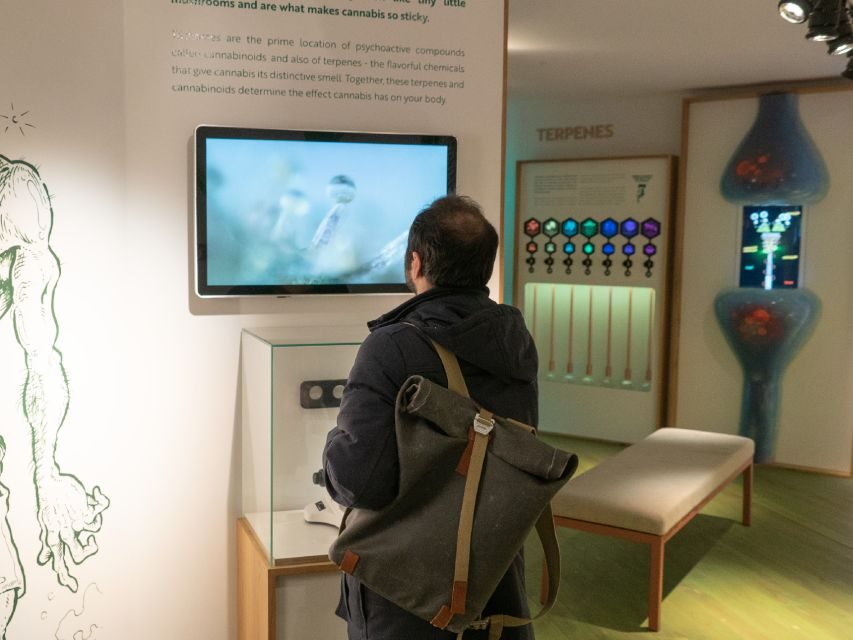
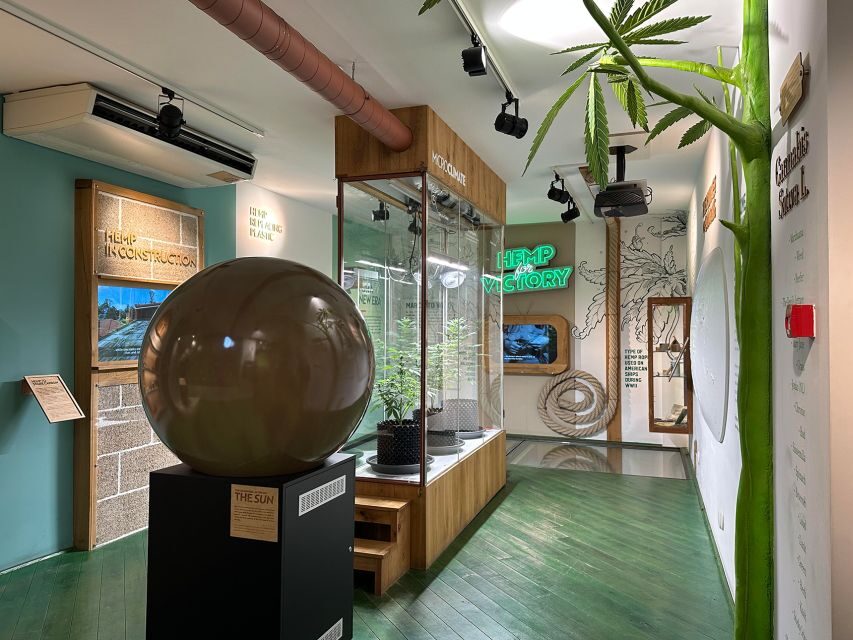
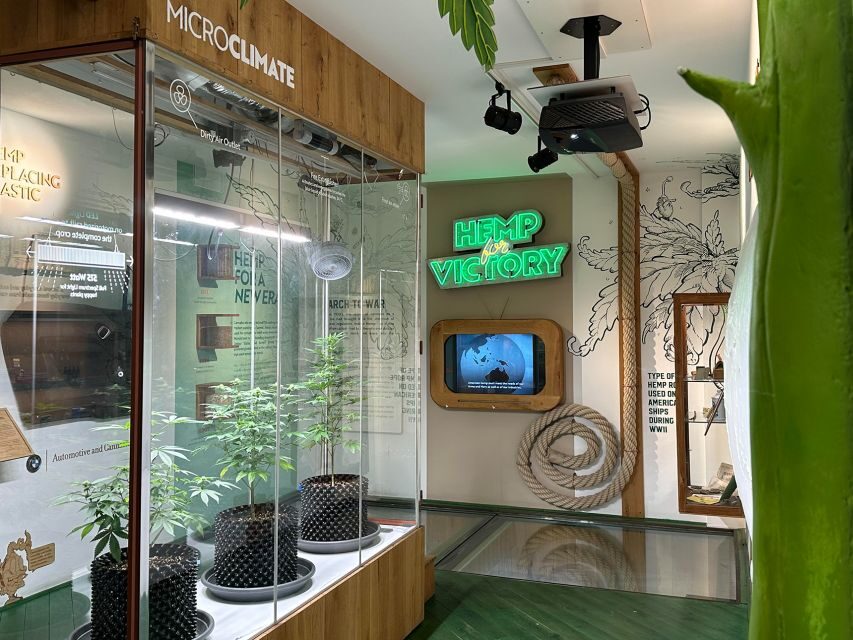
- Indoor ecosystem setup with three live plants, plus a microscope and a cannabis testing machine.
- Myths vs science teaching style, focused on history, domestication, and what research actually shows.
- Hands-on equipment stations up top, often described as a highlight—just follow staff instructions on what’s permitted.
- A goodie bag and shop perks: free bag plus 10% off purchases in the museum shop.
Cannabis Museum Amsterdam: the value in a $14 ticket
For $14 per person, this isn’t priced like a long, guided tour. It’s priced like an education stop you can actually fit into a day. And that’s the smart part: you’re paying for format, not for a half-day of time.
Here’s what you’re really getting for your money:
- Entry ticket to the full interactive museum experience
- A free goodie bag after you visit
- 10% discount on anything you buy in the museum shop
- A museum that’s designed for short attention spans and quick learning turns, not long lectures
If you’re already the type who reads labels in small museums, you’ll get more out of it than someone rushing for photos. The exhibits cover everything from industrial hemp uses to cannabis science and medicine, so even if you started skeptical, you’re likely to leave with at least one or two facts you didn’t expect.
If food and drinks are part of your “I need something to snack while I learn” style, that’s one drawback: food and drinks are not included. You’ll want to eat before or bring a plan for later.
You can also read our reviews of more tours and experiences in Amsterdam



How the 3-floor layout keeps the experience moving
This museum runs across three floors, with an intimate, interactive flow. The big advantage is that you don’t have to “figure out what to do.” Each level feeds into the next theme, so you naturally move from plants and lab tools to history and to the myth-busting side.
A practical way to think about it:
- Ground-level areas focus on the plant and how it works
- Middle areas emphasize history, domestication, and culture
- Upper levels shift to equipment demos and staff-led conversation, which is where people often feel the experience turns from reading into doing
The museum lists an average visit time of 45 minutes, but that’s an average. In real life, you’ll speed up if you’re scanning and move slower if you stop to read every panel or use each interactive station. The reviews you provided also lean toward this being a manageable hour stop: not so long that it wrecks your schedule, not so short that it feels empty.
Live plants, microscope moments, and the “science” section that actually helps
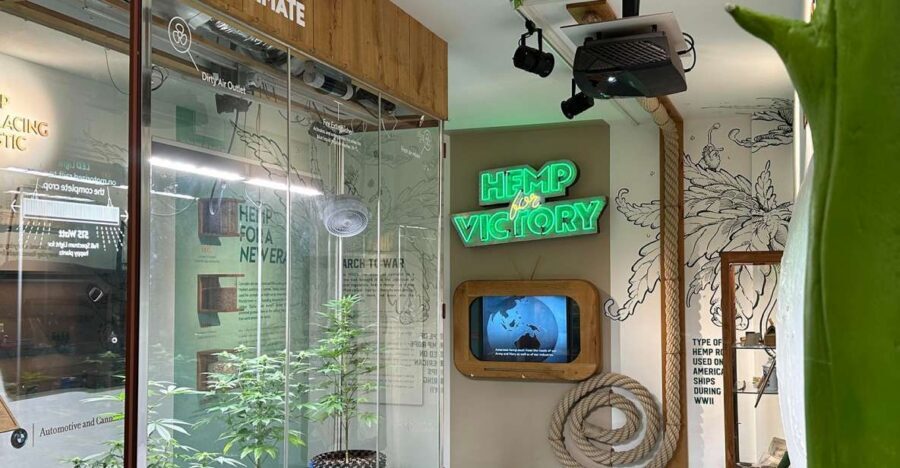
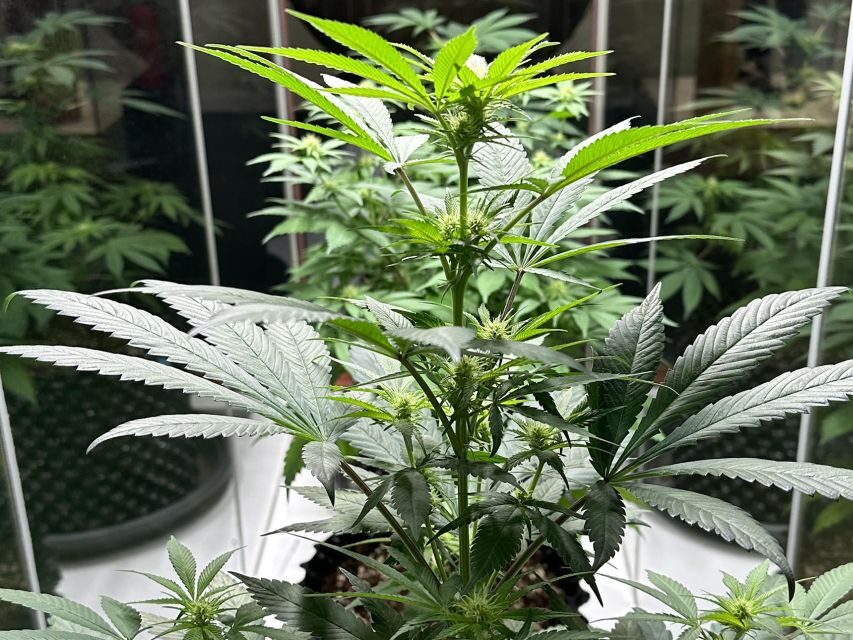
One of the strongest reasons to book this ticket is the museum’s commitment to show-and-tell, not just posters. Inside the exhibits, you’ll find an indoor ecosystem with three live plants. You’ll also see a microscope and a cannabis testing machine.
That combo matters because it changes what the visit feels like:
- Live plants make the topic concrete. You can connect the names and parts to something living.
- The microscope angle pushes you past stereotypes and into structure: you get a sense of what scientists look at.
- The testing machine theme signals a key idea: cannabis isn’t just culture, it’s also measured and studied.
This is the part that’s especially useful if you’re coming from the internet version of cannabis—where everything is either exaggerated or simplified. Here, the museum is trying to teach you the basics in a controlled environment, with tools that make the subject feel more real and less rumor-driven.
Also, it helps that the museum is positioned in Amsterdam’s context. You’re not learning about cannabis in isolation—you’re learning in a place where the culture is already established, so the science section feels less abstract.
Cannabis history in plain terms: from Central Asia to coffee shops
If you want context, the museum gives you a storyline rather than random facts. It explains how cannabis was domesticated, cultivated, and spread—starting with origins on the steppes of Central Asia, then moving through the history that leads toward the Dutch coffee-shop world.
Why this historical route is valuable:
- It shows that today’s Amsterdam image didn’t appear out of nowhere.
- It helps separate legal and cultural patterns from the biological story of the plant.
- It gives you a way to interpret what you see later in the city without falling into urban myths.
The museum also touches industrial and everyday angles, including hemp products and how cannabis is described across categories like food and medicine. If you tend to think of cannabis only as one thing, this is where the visit often corrects your mental model.
Myths, propaganda, and the Dutch way of smoking—how they frame it
This museum explicitly focuses on myths and propaganda that have surrounded cannabis for a long time. In practice, that means you’re not only learning what people say. You’re also learning how those claims formed—and what’s supported versus what’s exaggerated.
If you’ve spent time reading online arguments, you know the cycle: one side tells a scary story, the other side tells a miracle story. This museum tries to shift you toward evidence and practical understanding.
One more thing: the museum is in the Netherlands, so you’ll likely connect the exhibits to the everyday reality of Amsterdam neighborhoods and coffee-shop culture you’ll see outside. Even if you’re not planning to buy anything, the museum helps you recognize how culture and messaging work.
You can also read our reviews of more museum experiences in Amsterdam





The upper-floor equipment and the rules you must follow
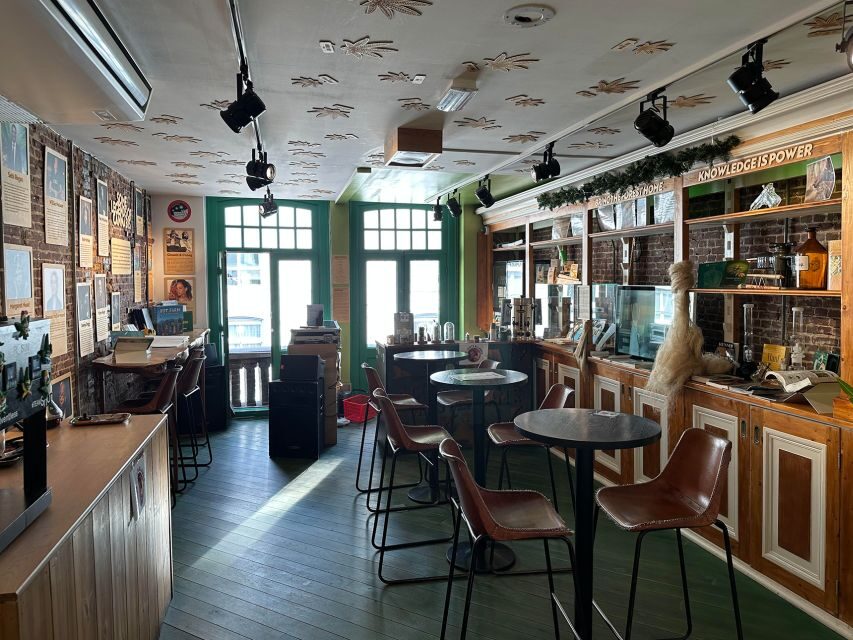
At the top of the museum, you’ll find interactive equipment areas. The information you shared says there’s an indoor experience and hands-on stations, and the reviews you provided highlight an upper-floor ending with machines people describe as a gravity-bong style setup and a lounge-like moment with staff.
Here’s the key point: the museum’s rules say smoking is not allowed, and intoxication is not allowed. So don’t go in planning to ignore rules because you heard Amsterdam is carefree. Treat it like a museum with clear boundaries.
What you can still plan on:
- A more active, hands-on feel at the upper level
- Staff conversation time where you can ask questions and get guidance
- Equipment demonstrations that help you understand how consumption devices work in theory or demonstration form
If you want the maximum experience, go in with curiosity and a clean plan: ask questions, follow staff cues, and remember that what’s permitted can depend on the museum’s current setup and house rules for your visit.
Time it right: when to arrive so you don’t feel rushed
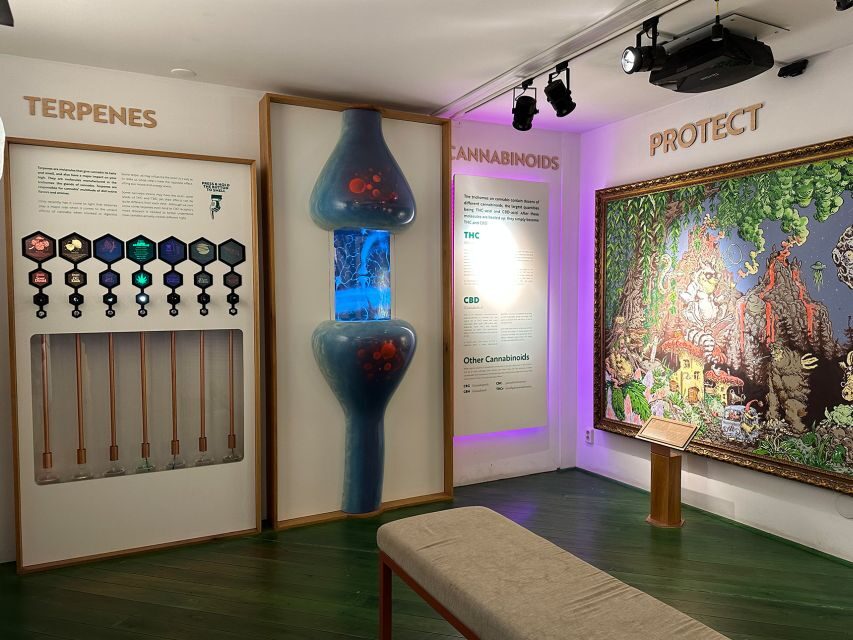
The museum average visit time is about 45 minutes, and the museum closes at 10 PM. You’re advised to arrive by 9 PM.
For planning, I suggest this approach:
- If you like reading and using interactive stations: aim to arrive around 7:30–8:30 PM.
- If you’re short on time and mainly want the science + the key machines: you can likely do it closer to 9 PM, but you’ll want to keep moving.
It’s an easy stop for an evening because it’s self-contained. You don’t have to coordinate group activities or chase a long itinerary. You pick up your ticket, walk the floors, and exit when you’re done.
Goodie bag and shop discount: how to turn the stop into a souvenir
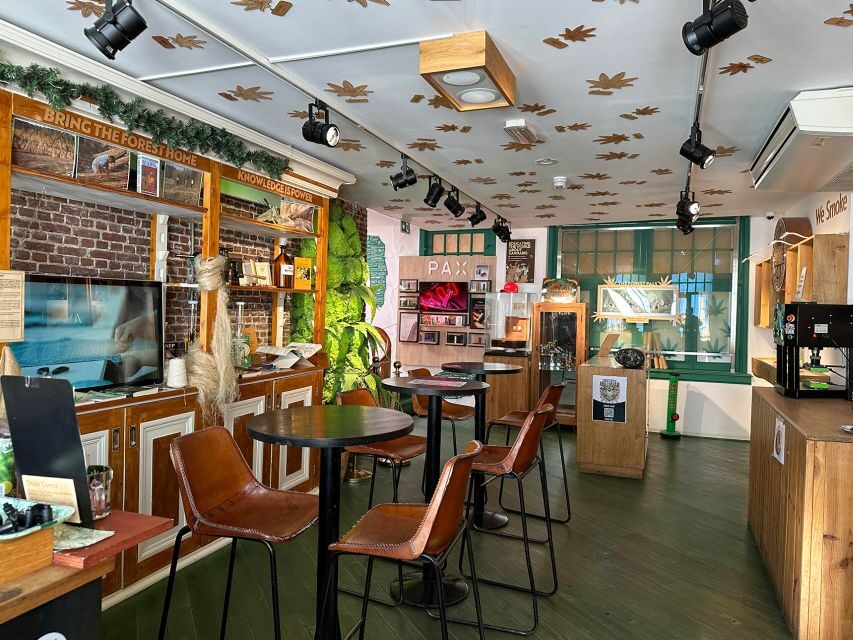
After your visit, you’ll stop by the museum shop. What’s included with the ticket is a free goodie bag, and you also get a 10% discount on shop purchases.
This is a small perk, but it adds up:
- The bag gives you something to remember the theme of the visit without needing to buy a lot.
- The discount is a nudge to grab a practical souvenir—especially if you’re interested in hemp products the museum highlights.
Also, the staff interaction is part of the charm. People describe staff as friendly and helpful, including guidance about where to go next in Amsterdam (especially related to coffee shops). That’s useful if you want to keep your day running smoothly instead of wandering without a plan.
Who should book this Cannabis Museum ticket
I think this works best for you if:
- You like interactive museums where you can learn by seeing and doing
- You want a short, structured experience rather than a long tour
- You’re curious about hemp uses beyond the usual stereotypes
- You want a science-forward approach that talks about both history and myths
It might not fit as well if:
- You want a full-day guided history tour
- You hate stairs or moving through multiple floors (the museum is built across three floors)
- You’re expecting a nightlife-style experience (this is a museum with rules)
- You need food/drinks provided during the visit
Should you book? A practical yes-or-no
Book it if you want an efficient, interactive way to understand cannabis and hemp in Amsterdam. The biggest strengths are the live plant section, the lab-style tools like the microscope and testing machine, and the museum’s focus on myths vs science. The $14 price feels fair when you factor in the goodie bag and shop discount, plus the fact that you can finish in under an hour.
Skip it if you’re looking for a long guided day, or if you’re set on a smoking-related experience. The museum has clear rules: smoking and intoxication aren’t allowed. So if your goal is just to do something recreational, you may feel mismatched.
If you’re on the fence, I’d make the call like this: if you can spare 45 minutes and you enjoy learning through hands-on exhibits, this ticket is a strong, low-risk add-on to your Amsterdam plan.
FAQ
How long is the average visit?
The museum lists an average visit time of about 45 minutes.
Is this experience spread over multiple floors?
Yes. The museum experience spans 3 floors.
How much does a ticket cost?
The price is $14 per person.
Is smoking allowed inside the museum?
No. Smoking is listed as not allowed.
Is intoxication allowed?
No. Intoxication is listed as not allowed.
What comes with the entry ticket?
Your ticket includes entry, a goodie bag, and 10% off purchases in the museum shop.
Are food and drinks included?
No. Food and drinks are not included.