REVIEW · AMSTERDAM
Amsterdam: Make your cheese next to De Hallen
Book on GetYourGuide →Operated by De Kaasserie · Bookable on GetYourGuide
Making cheese by hand feels like a small superpower. In just 3 hours at De Kaasserie (by De Hallen), you learn the basic rules that turn milk into two different fresh cheeses. I especially liked the hands-on pace and the clear teaching, which makes a craft that sounds fancy feel doable. You’ll make two kinds of cheese in the same session, and you get to personalize flavors with herbs and spices.
What I also liked is that the workshop doesn’t stop at a single sample. You get a short slide-style introduction, you learn the difference between acid-coagulated and rennet-coagulated cheese, and then you finish with a tasting of what you actually produced. One thing to think about first: it’s not suitable for everyone—no lactose-intolerant participants, and it’s not for kids under 16—so check that before you book.
In This Review
- Key highlights you’ll care about
- From De Hallen to your kitchen counter: what this workshop really is
- Meeting at De Kaasserie: quick prep, then you get started
- The core lesson: acid vs rennet coagulation (and why it matters)
- Making your two cheeses: step-by-step hands-on success
- Flavor experiments: herbs and spices you can actually remember at home
- The tasting: fresh vs pressed, made by your own hands
- What you take home: cheese plus the tools for the next batch
- Price and value: is $135 per person worth it?
- Who this is best for (and who should pass)
- Should you book Make Your Cheese next to De Hallen?
- FAQ
- How long is the cheese-making workshop?
- Where do you meet for the workshop?
- What will I make during the workshop?
- Can I add flavors like herbs or spices?
- What happens at the end of the class?
- What do I take home?
- What’s included in the price?
- What is not included?
- What languages are offered?
- Who is this workshop not suitable for?
Key highlights you’ll care about
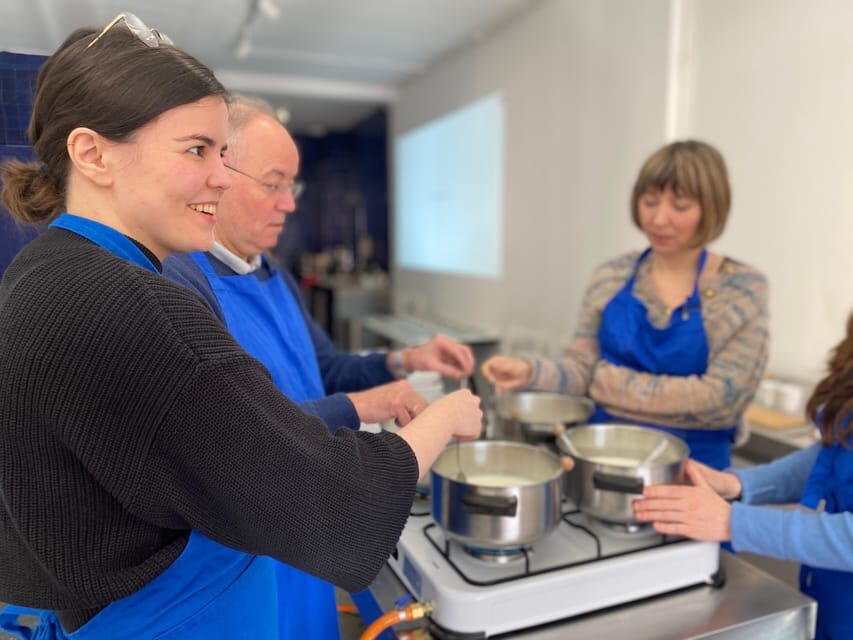
- Two cheese styles, one workshop: an acid-coagulated fresh cheese and a rennet-coagulated cheese.
- A real teaching moment: you learn the two basic milk coagulation methods and what rennet means for aged cheese.
- Flavor freedom: you can experiment with adding spices and herbs while making your cheese.
- Tasting included: you finish with a homemade cheese tasting (fresh and pressed).
- Take-home supplies: you leave with two cheeses plus a cheese cloth, rennet, calcium, and recipes by email.
- Small group setup: limited to 10 participants for plenty of instructor attention.
From De Hallen to your kitchen counter: what this workshop really is
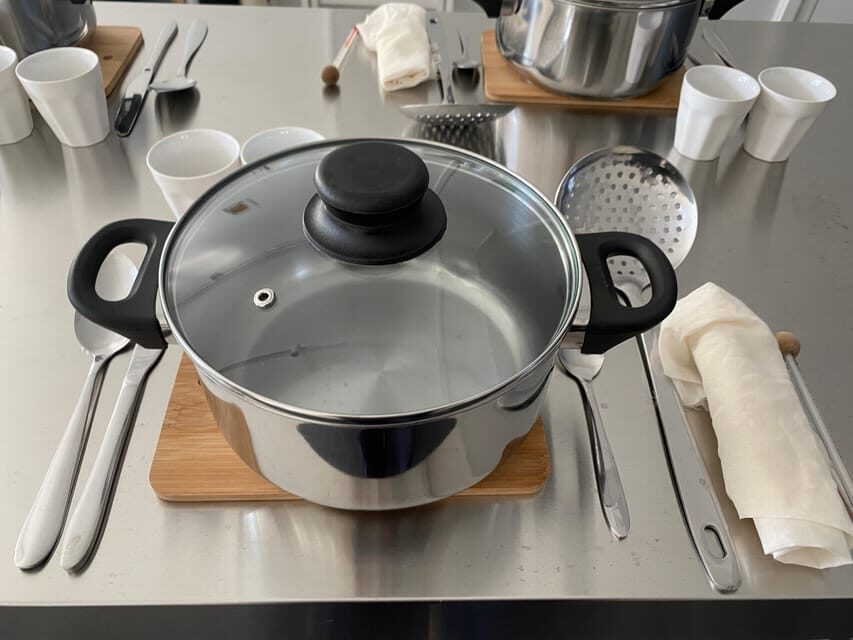
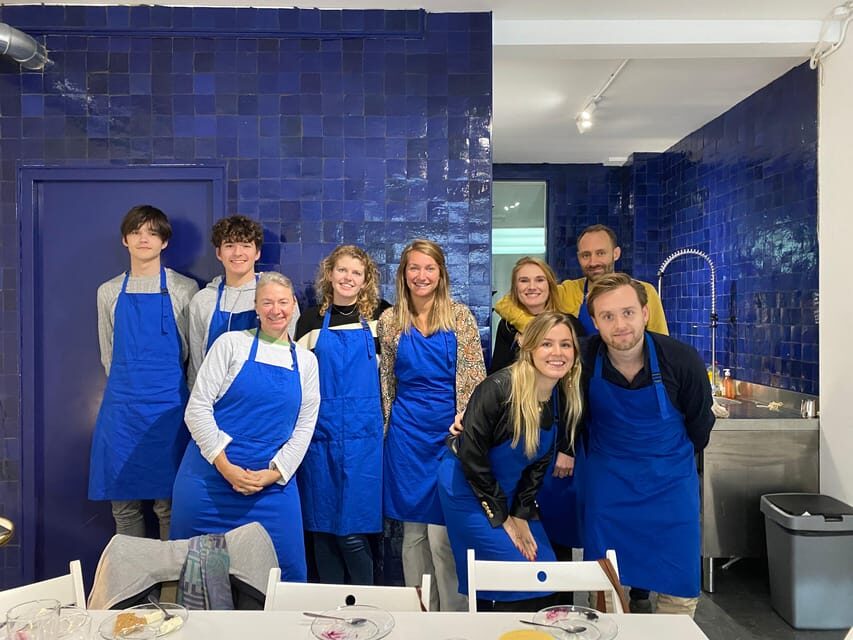
This is a practical cheese-making class that lands in the middle of Amsterdam’s creative sprawl, right near De Hallen. Instead of watching a demo and leaving empty-handed, you get the tools of the trade—both the skills and the take-home ingredients—so you can keep going after the workshop.
The heart of the experience is learning two core approaches to making cheese: acid coagulation and rennet coagulation. You don’t need special food chemistry knowledge. The instructor frames it simply, then gives you hands-on steps to see the difference with your own batch.
Because the group is capped at 10, the class doesn’t feel like a factory line. That matters when you’re timing curd set, handling warm milk, and deciding what to add for flavor. When the pace is too fast, cheese-making becomes guesswork; here, it’s guided enough to help you succeed without turning it into a scripted show.
You can also read our reviews of more tours and experiences in Amsterdam


Meeting at De Kaasserie: quick prep, then you get started
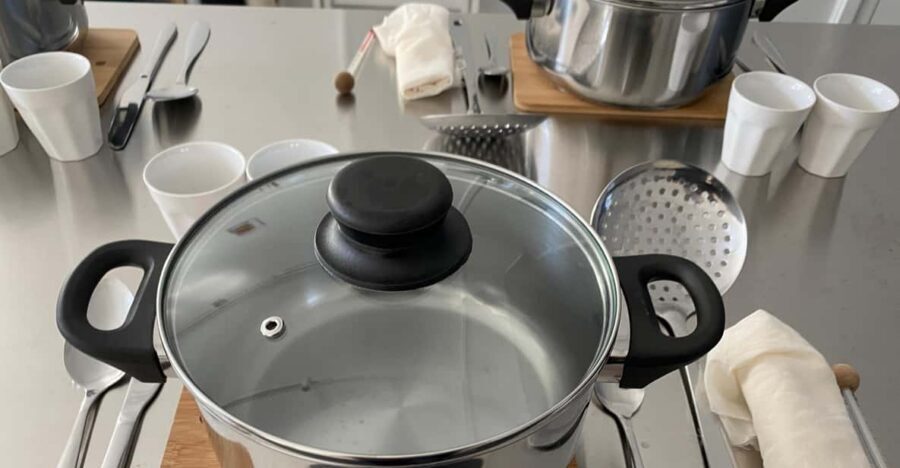
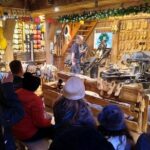
You meet at De Kaasserie, and once everyone arrives, you get a presentation introducing the workshop and the setting. This is where you get oriented fast: what you’ll make, why it works, and what the key differences are between the two cheese types.
One small detail I’d call out is how the session begins with short structure—there’s a slide-style intro and a moment for participants to introduce themselves. That’s not just friendly. It helps the instructor adjust explanations and pacing, especially if your background ranges from curious beginner to someone who’s cooked with dairy before.
If you’re worried about feeling awkward as a solo traveler, this kind of group setup helps. You’re learning a hands-on craft together, and it’s easier to ask questions when you’re in a small circle.
The core lesson: acid vs rennet coagulation (and why it matters)
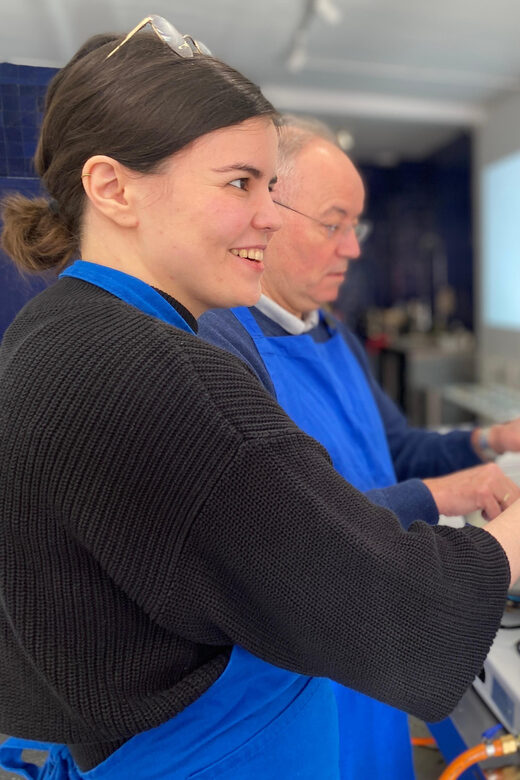
After the intro, you learn about two basic types of milk coagulation—this is the foundation of everything you’ll do next.
- Acid coagulation (fresh cheese path): You use one liter of supermarket milk to make one cheese. Acid causes the milk to set into curds and whey. The workshop’s goal is a fresh cheese outcome, which is a great first win because it’s simpler and quicker than aged methods.
- Rennet coagulation (aged-cheese path): You also use one liter of supermarket milk to make a second cheese. Rennet coagulation is the procedure used to make aged cheese. The class starts you with a fresh rennet-coagulated result, then points you toward how you can grow into longer, more complex recipes at home.
This distinction is more than trivia. It tells you what kind of cheese-making journey you’re choosing. Acid-coagulated cheese is usually about speed and freshness. Rennet-coagulated cheese is about the bigger world of aging, texture development, and longer-term control—once you know the method.
And because you make both in the same session, you actually feel the difference instead of just reading it.
Making your two cheeses: step-by-step hands-on success
Here’s the practical flow you should expect.
You’ll work with supermarket milk (two cartons worth, with two pieces of cheese coming from two one-liter batches). You’ll make:
1) an acid-coagulated cheese (fresh type)
2) a rennet-coagulated cheese (the method used for aged cheese)
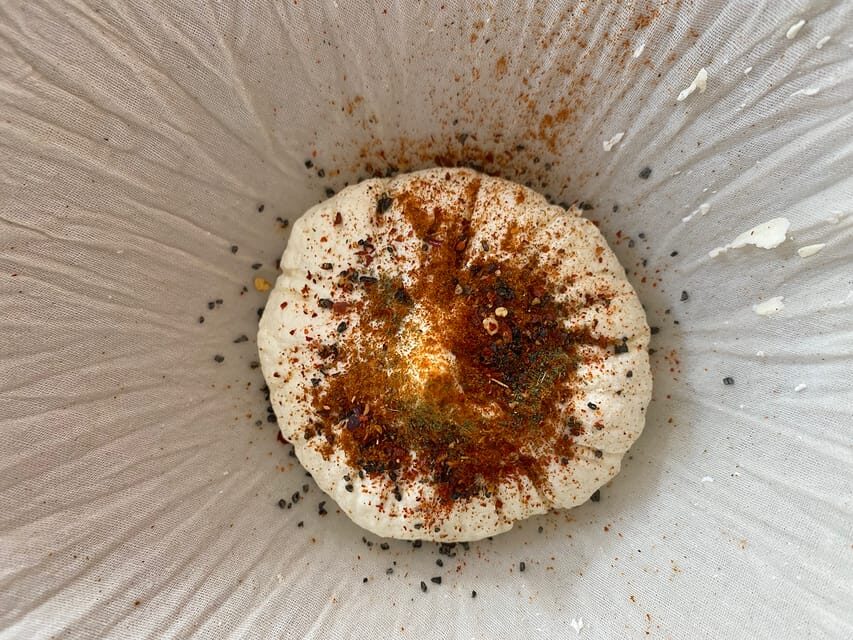
You’ll experiment as you go, including adding spices and herbs to your cheese. That’s the fun part that turns a basic skill into something personal. If you like bold flavors, this is your moment—think in terms of complementing the dairy, not overpowering it.
Because the class is guided, you’re not left alone with a pot and hope. You get enough structure to understand what you’re doing and why the process changes the final result.
One practical note: you’ll want to pay attention during curd formation and handling. Those minutes decide how smooth your cheese turns out and how evenly it firms. If you keep asking questions when something looks different than expected, you’ll learn faster—and you’ll avoid the common beginner mistake of treating it as a one-shot recipe.
Flavor experiments: herbs and spices you can actually remember at home
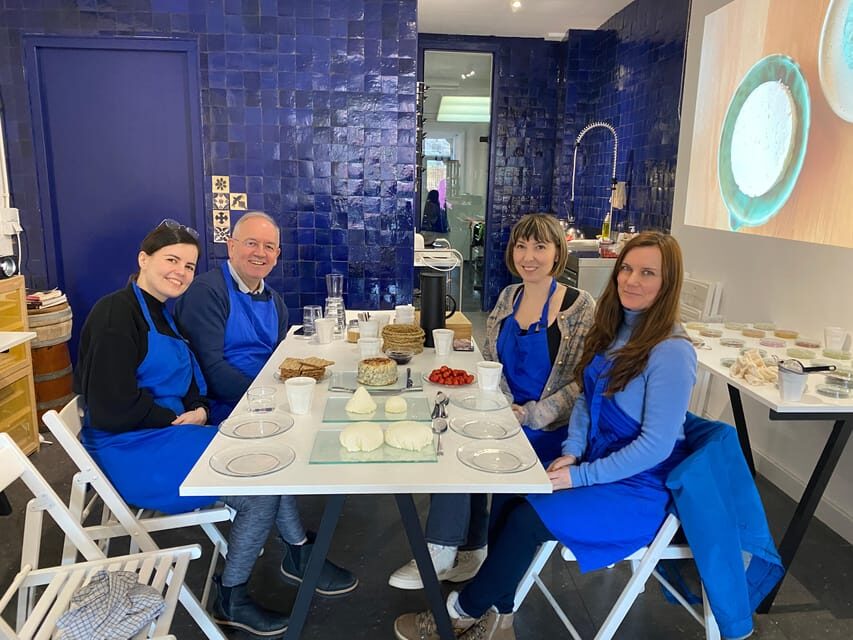
The workshop gives you permission to play. You’re not just copying a recipe; you’re making your cheese yours.
When you add spices and herbs, you’re also learning something useful for future batches: how to think about balance. You’re working with a dairy base, so strong seasonings can either fit perfectly or take over. Adding them during the making process helps distribute flavor through the cheese rather than just topping it after the fact.
If you’re the type of person who keeps saying I should make this at home, take this part seriously. It’s the closest thing to having a personal recipe on day one.




The tasting: fresh vs pressed, made by your own hands
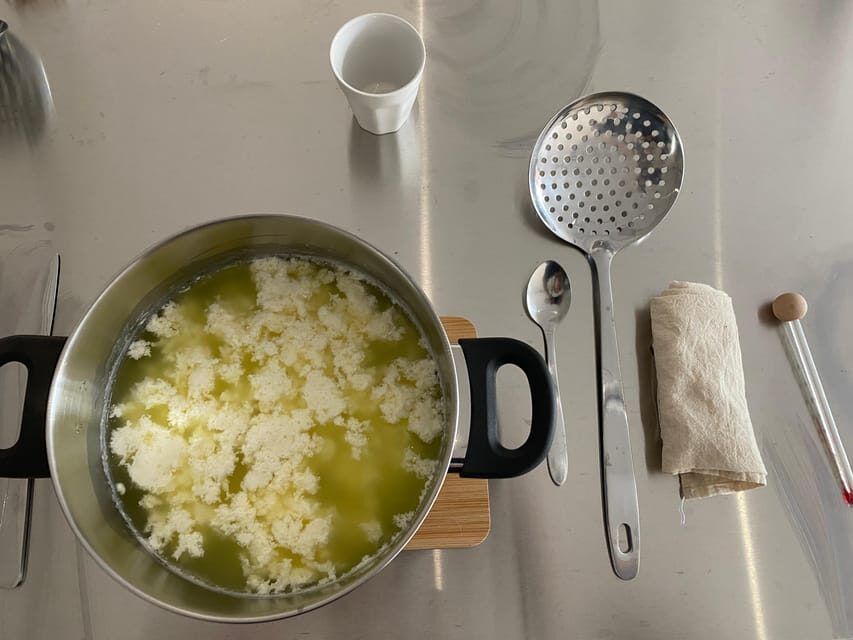
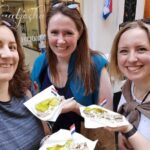
Once your two cheeses are ready, the workshop closes with a tasting of homemade cheeses—covering fresh and pressed styles.
That tasting is valuable because it turns your effort into something you can evaluate. You can compare:
- the fresh cheese experience from the acid-coagulation side
- the rennet-coagulated cheese texture and character
- what pressed handling changes in feel and structure
Don’t treat the tasting like a formality. Treat it like feedback. If one cheese tastes better to you, note what you did differently (or what style you prefer). That’s how you’ll build the next version at home.
You’ll also likely leave with a better instinct for what to adjust: salt level, herb choice, and how aggressive you want your spices to be.
What you take home: cheese plus the tools for the next batch
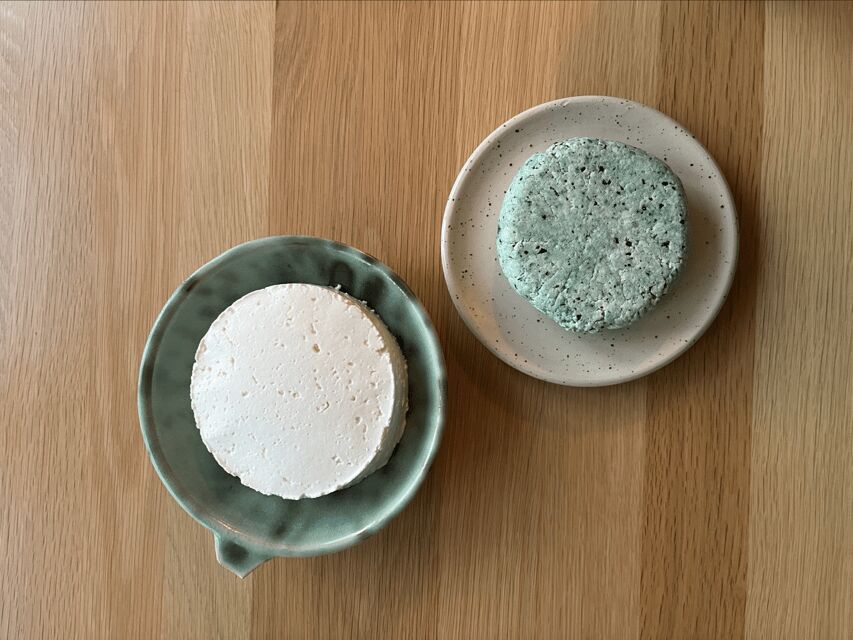
This is one of the best value points in the whole experience. You don’t just leave with knowledge—you leave with the means to keep going.
You take home:
- two cheeses (both types from the workshop)
- a cheese cloth
- rennet and calcium
- recipes by email
That take-home kit matters for two reasons.
First, it lowers the barrier to trying again. A lot of classes end at the door. This one is set up so you can reproduce the method soon after you’re back in your own kitchen.
Second, it bridges fresh cheese and aged cheese ambitions. The workshop specifically notes that rennet coagulation is used to make aged cheese, and once you learn the procedure with a fresh cheese, you can move toward more complex and longer recipes at home. In other words: the class plants the seed for a real hobby, not a one-day souvenir.
Price and value: is $135 per person worth it?
At $135 per person for a 3-hour workshop, this is not a bargain class. But it’s also not a “pay for theory” situation.
You’re paying for:
- instructor time (including the introduction and guidance)
- materials for making two cheeses
- a tasting
- take-home items: cheese cloth, rennet, calcium, plus the cheeses themselves
- recipe delivery by email
When you add up what you’re actually getting—food, supplies, and the skill jump—$135 starts to look more like a cooking workshop with a serious outcome. If you’re the kind of traveler who wants experiences you can use later, this is a better bet than many short Amsterdam food tours where you eat, smile, and forget the method.
If you’re only interested in tasting, not learning, you might feel it’s priced as a workshop rather than a casual snack stop.
Who this is best for (and who should pass)
This fits travelers who like doing, not just watching.
You’ll likely enjoy it if you:
- love hands-on food experiences
- want a practical craft you can repeat at home
- like learning how ingredients behave (without getting stuck in theory)
- want a small-group class rather than a large tour
It may not fit if:
- you have lactose intolerance (not suitable)
- you need a child-friendly activity (not suitable for children under 16)
- you’re looking for a fully seated, low-effort option
- you’re expecting coffee or alcoholic beverages (tea is included; those aren’t)
Should you book Make Your Cheese next to De Hallen?
If you want a memorable Amsterdam experience with real take-home value, I’d book it. The combination of making two cheese styles, adding herbs and spices, and leaving with rennet, calcium, and recipes turns it into more than a one-off.
Skip it if you’re lactose-intolerant or traveling with kids under 16. Also skip it if you’d rather just snack and move on—this is a workshop built around making and learning, not just tasting.
If you can do that, you’ll leave with cheese in your bag and a method in your head. That’s the kind of souvenir that actually pays off.
FAQ
How long is the cheese-making workshop?
The duration is 3 hours.
Where do you meet for the workshop?
You meet at De Kaasserie. The exact meeting point may vary depending on the option booked.
What will I make during the workshop?
You’ll make two kinds of cheese using one liter of supermarket milk for each: one acid-coagulated cheese and one rennet-coagulated cheese.
Can I add flavors like herbs or spices?
Yes. You can experiment with adding spices and herbs to your cheese.
What happens at the end of the class?
Once the cheeses are ready, you finish with a homemade cheese tasting, covering fresh and pressed cheese.
What do I take home?
You take home two cheeses plus a cheese cloth, rennet, calcium, and recipes by email.
What’s included in the price?
Tea with an introduction to De Kaasserie, making two kinds of cheese, the homemade cheese tasting, and the take-home items listed above are included.
What is not included?
No coffee or alcoholic beverages are included.
What languages are offered?
The instructor teaches in English, Spanish, French, and Dutch.
Who is this workshop not suitable for?
It’s not suitable for children under 16, people over 95, and people with lactose intolerance.
You Might Also Enjoy




More Cheese in Amsterdam
- Zaanse Schans Windmills, Clogs and Dutch Cheese Small-Group Tour from Amsterdam
★ 4.5 · 2,369 reviews