REVIEW · AMSTERDAM
Amsterdam Evening Cruise with Onboard Bar
Book on Viator →Operated by Flying Dutch Boats · Bookable on Viator
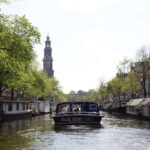
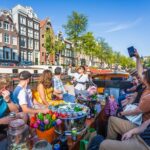
Evenings on Amsterdam canals feel made for this. I like the electric boat for its quieter, calmer glide, and I like the way the skipper-guide adds stories and local pointers while you float past the sights. It’s also capped at 25 passengers, so you can actually hear the narration and get a feel for what you’re seeing.
One thing to keep in mind: if you end up on a more closed, less airy boat setup (especially on warmer evenings), it can feel a bit stuffy. If that matters to you, dress for comfort and aim for a cooler-weather departure.
In This Review
- Key Things That Make This Cruise Worth Your Evening
- Electric Boat, Small Group, Real-Time Views
- Price and Value: When a 1-Hour Cruise Makes Sense
- Where It Starts in the Jordaan (and Why That Matters)
- Departing by Anne Frank House: A Serious Landmark, at Night
- Prinsengracht Views: Houseboat Museum and the Canal-Front Feel
- The UNESCO Canal Ring: Grachtengordel Explained Without the Lecture
- Magere Brug (Skinny Bridge): The Bridge Story You’ll Actually Remember
- Dutch National Ballet Area: When Culture Is Part of the Shoreline
- Huis Marseille on Keizersgracht: Photography in a 1665 Canal House
- Onboard Bar: Pay as You Go Without Turning It Into a Party
- How the Skipper-Guide Changes Everything
- What to Wear for a Quiet Night on the Water
- Is This the Right Cruise for You?
- Should You Book This Amsterdam Evening Cruise?
- FAQ
- FAQ
- How long is the Amsterdam evening canal cruise?
- Is there a bar onboard?
- Do I need to print a ticket?
- How big is the group?
- Where does the cruise depart and return?
- What language is the tour offered in?
- Is the ride on an electric boat?
- What stops or sights will I see from the boat?
- What’s included in the price?
- What if weather is poor?
- Can I cancel for a full refund?
Key Things That Make This Cruise Worth Your Evening
- Electric boat ride: quieter ride quality with a more eco-friendly angle
- Up to 25 people: small-group pacing that feels personal, not packed
- Skipper-led storytelling: history plus practical “look for this” guidance
- Jordaan start/end: you cruise from one of Amsterdam’s most walkable neighborhoods
- Canal ring highlights: views tied to the Grachtengordel UNESCO listing
Electric Boat, Small Group, Real-Time Views
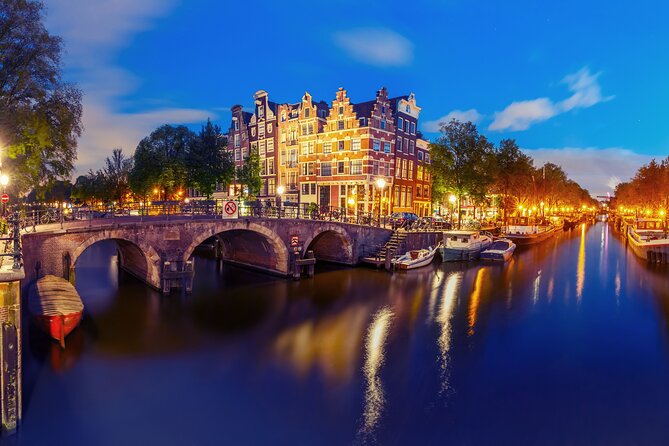
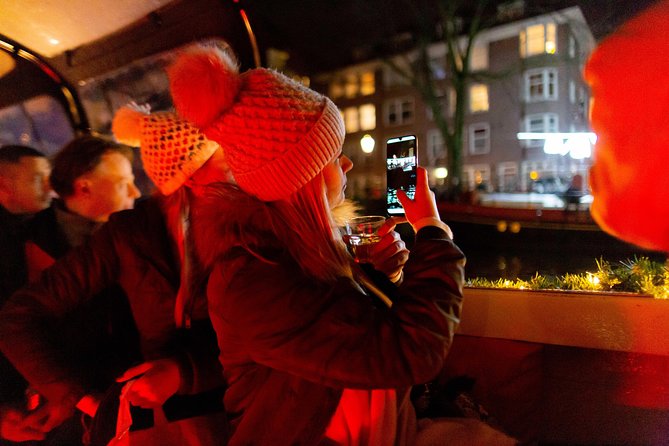
An Amsterdam evening cruise works because Amsterdam looks different after dark. The buildings glow, the canal ring feels more intimate, and the bridges become part of the scene instead of just a way across.
This one leans into comfort and control. The electric boat means the ride is typically less noisy and less jarring than older motor setups. Add a small group of up to 25 passengers, and the experience doesn’t turn into a moving crowd. You can focus on details like canal-house façades, bridge shapes, and the way light reflects on the water.
If you’re the type who gets overwhelmed by big tours, the format helps. It also makes it easier to catch the guide’s timing: stop lights, turning points, and when the boat positions itself for the best side of the canal.
You can also read our reviews of more boat tours in Amsterdam


Price and Value: When a 1-Hour Cruise Makes Sense
At about $26.37 per person for roughly an hour, this is a practical add-on to a first or second night in Amsterdam. You’re not paying for a half-day tour, so you can build it around dinner plans without losing your whole evening.
You also control the biggest variable: drinks. This is a cruise with an onboard pay-as-you-go bar, and drinks are not included. That can be a plus if you don’t want to overpay for a drink package, and it’s also a relief if you want to keep the focus on sights instead of the “party cruise” vibe.
The “value” math here is simple: if you’re happy with an hour of canal viewing plus guided narration, the price fits. If you’re expecting an extended multi-stop adventure or a drink-included deal, you might feel it’s more basic than you hoped.
Where It Starts in the Jordaan (and Why That Matters)
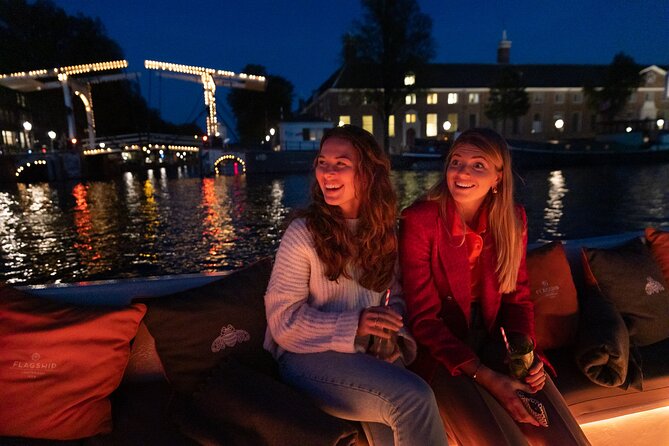
The cruise starts and ends in the Jordaan, which is where Amsterdam feels like it’s made for wandering. This area has a strong identity tied to the origins of the name. One common theory links it to the French word Jardin (garden). You’ll see that spirit in street naming, especially around canals where you find references to trees and flowers. Another theory connects the Prinsengracht canal’s nickname, Jordaan, to the Dutch name for the river Jordan, with the surrounding neighborhood taking on the same name.
Why you should care: when your boat returns to the Jordaan, you’re not stranded across town. You can step off and keep the evening going on foot, with a lot of dining options and lively-but-not-chaotic streets.
Departing by Anne Frank House: A Serious Landmark, at Night
The boat departs near the Anne Frank House at Prinsengracht 263. Even if you’ve already visited by day, there’s something about seeing it from the water after dark. The focus shifts from the museum experience to the neighborhood’s canal rhythm—boats, façades, and the way the canal holds the city together.
Timing matters here because departure point location affects your viewing angle. Arriving a few minutes early helps you find a comfortable spot on the boat before you start moving. Since it’s only about an hour long, you don’t want to lose the first ten minutes trying to get settled.
Prinsengracht Views: Houseboat Museum and the Canal-Front Feel
Once you’re underway, the cruise glides along Prinsengracht, including the stretch near the houseboat museum. This is one of those Amsterdam sights you can only really understand from the water. It shows how the canal isn’t just scenery; it’s part of how people live with the city.
You also pass along the Negen Straatjes, which means the Nine Streets—an area known for its compact layout and shop-heavy streets. From the boat, the streets-to-canal relationship becomes clearer: you can see how the canal corridor threads through the neighborhood and how the streets connect to it.
This is where the skipper’s commentary helps. Instead of only naming places, a good guide points out what to look for in the buildings: canal-house shapes, the rhythm of windows, and how the city’s layout produces those iconic views.
You can also read our reviews of more evening experiences in Amsterdam


The UNESCO Canal Ring: Grachtengordel Explained Without the Lecture
You’ll cruise through the zone known as the Grachtengordel, the concentric canal belts built in the 17th century during the Dutch Golden Age. The big named canals you’ll hear about are Herengracht, Prinsengracht, and Keizersgracht. The UNESCO listing for this area is what gives Amsterdam its global “canal ring” identity.
One fact worth keeping in your head: there are around 1,550 monumental buildings along the main canals. That number isn’t there to sound impressive. It’s there to explain why the city looks like it was designed, not just grown. When you’re on the water, you can see how consistent the architecture is in style and how the canal plan repeats like a pattern.
Even if you don’t go museum-style with it, the cruise gives you a sense of scale fast. You stop thinking of canals as pretty lines on a map and start seeing them as a structure the city built itself around.
Magere Brug (Skinny Bridge): The Bridge Story You’ll Actually Remember
Soon after, you’ll pass Magere Brug, called the Skinny Bridge in English. This wooden drawbridge has a narrow profile that made it tricky for two pedestrians to pass each other. The story here is not just trivia; it explains how Amsterdam bridges reflect their era’s needs and limitations.
As traffic increased on the Amstel, a wider bridge replaced the original in 1871. When you see it from the canal, you can almost feel the “old vs. upgraded” history. It’s one of those moments where the night light makes the structure look almost delicate.
If you like photography, this is the kind of stop that rewards patience: watch the boat’s position, and angle your phone or camera before you assume the view will stay perfect.
Dutch National Ballet Area: When Culture Is Part of the Shoreline
The route also passes the area connected to the Dutch National Ballet. The key detail isn’t that you’re visiting a theater—it’s that this canal corridor lines up with institutions that shape the city’s modern identity. The Dutch National Ballet focuses on developing and producing ballet at the highest international level and reaching a wide audience.
On a one-hour ride, you won’t get a deep dive into performance schedules. But the mention gives the city texture. Amsterdam isn’t only canals and cafés. It’s also arts buildings that belong to the city even when you’re only seeing their façades from the water.
If you want to turn this into a longer evening, you can use the ballet stop as a planning hint: check what’s on at your next step after the cruise.
Huis Marseille on Keizersgracht: Photography in a 1665 Canal House
Another standout visual on the route is Huis Marseille Museum for Photography on Keizersgracht. It’s housed in a monumental canal house dating from 1665, which means you’re looking at a building with serious age—then you layer in the modern purpose of the museum.
This museum is described as the first in the Netherlands to focus specifically on photography as an art form. Since 1999, it’s had a new exhibition every three months.
Why this matters for your cruise experience: seeing a photo museum from the water is a reminder that Amsterdam’s canal houses aren’t “old shells.” They get used. If you end up enjoying canal cruising at night, you may be more motivated to schedule a day or evening museum stop later.
Onboard Bar: Pay as You Go Without Turning It Into a Party
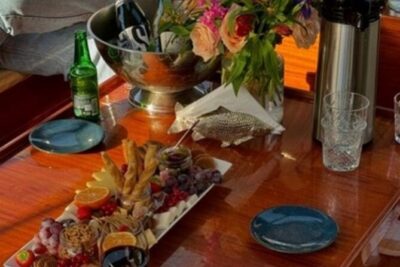
You’ll find a bar on board with a pay-as-you-go setup, and you can purchase drinks during the cruise. This changes the feel. You’re not locked into a set of included beverages, so you can sip while still listening to the guide.
If you drink, keep an eye on pace. In a small boat tour, tipping your time off the schedule by lingering too long can make you miss the better viewing minutes as the boat turns. For a 1-hour experience, it’s worth treating the drinks as part of the ambiance, not the main event.
Also, if you’re sensitive to heat, the bar area can be a factor on more closed boats. Even without a full party vibe, warmer nights can affect how comfortable you feel.
How the Skipper-Guide Changes Everything
What makes this cruise feel different is the way the guide uses the water vantage point. A good skipper doesn’t recite facts like a script. They point out why a building, street, or bridge exists where it does, and they connect that to how the city grew.
You may also see real personality from the crew. Names like Stein and Stella have been mentioned as standout guides, and Sophie is another name that’s come up with the kind of humor and storytelling that keeps the hour from feeling flat.
If you want to get the most out of it, do two simple things:
- Pay attention when the boat slows near bridges. That’s when the guide usually frames the story.
- Ask one question if the group mood allows. In a small group format, there’s a better chance your question gets answered.
What to Wear for a Quiet Night on the Water
Evenings in Amsterdam can swing cooler than you expect, especially when you’re on the water. I’d dress in layers. Bring something light you can add when you notice the breeze.
If the forecast looks warmer and you’re worried about ventilation, wear breathable clothes. The cruise length is short, so you don’t need heavy winter gear—but you do want to feel comfortable enough to stand or shift positions for views.
Is This the Right Cruise for You?
This works best if you want:
- A short, low-effort way to see Amsterdam after dark
- A guided canal experience without a huge crowd
- A blend of landmarks plus city context delivered in about an hour
It may be less ideal if you want long explanations, a private tour feel, or a cruise where drinks and snacks are guaranteed included. Also, if you’re very sensitive to comfort and ventilation, aim for a day when weather is on your side.
Should You Book This Amsterdam Evening Cruise?
Yes, I think it’s a solid buy if your goal is a calm, scenic evening with real city context. The combination of an electric boat, a small group, and a skipper-guide who narrates the route is exactly the recipe for enjoying Amsterdam’s canals without turning it into a full-day mission.
Do consider planning smartly. This kind of cruise is only about an hour, so you’ll want to be on time at the departure point and keep your evening schedule flexible. If you’re choosing between multiple canal options, this one is worth the spot when you want a guided, comfortable ride through the UNESCO canal ring and the Jordaan area.
FAQ
FAQ
How long is the Amsterdam evening canal cruise?
The cruise lasts about 1 hour.
Is there a bar onboard?
Yes. There is an onboard bar, and drinks are available for purchase.
Do I need to print a ticket?
You’ll receive a mobile ticket.
How big is the group?
The tour is capped at a maximum of 25 travelers.
Where does the cruise depart and return?
It starts and ends in the Jordaan area, with departure near Anne Frank House at Prinsengracht 263.
What language is the tour offered in?
The experience is offered in English.
Is the ride on an electric boat?
Yes, it’s an electric boat, described as quieter and more eco-friendly.
What stops or sights will I see from the boat?
You’ll pass sights including the Anne Frank House area, the houseboat museum on Prinsengracht, Negen Straatjes, the Grachtengordel canal ring, Magere Brug, the area connected with Dutch National Ballet, and Huis Marseille Museum for Photography on Keizersgracht.
What’s included in the price?
Included are the 1-hour cruise and a skipper/guide, plus a friendly small-group atmosphere.
What if weather is poor?
The experience requires good weather. If it’s canceled due to poor weather, you’ll be offered a different date or a full refund.
Can I cancel for a full refund?
You can cancel up to 24 hours in advance for a full refund.