REVIEW · AMSTERDAM
Amsterdam National Maritime Museum Skip-the-line-Ticket
Book on Viator →Operated by Het Scheepvaartmuseum · Bookable on Viator
A museum ticket usually means a line. This one means fast access to Het Scheepvaartmuseum, the National Maritime Museum. You also get an easy 1-hour audio guide, so you can learn without committing to a rigid group tour.
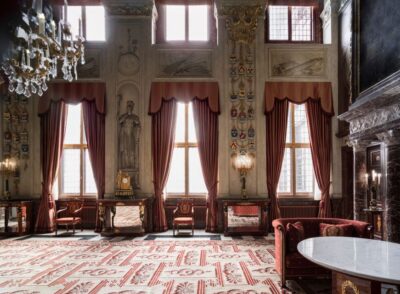
I like how the museum is housed in a restored 17th-century Arsenal, so the building itself sets the mood. I also love the practical way the visit works: you can follow the audio guide for the highlights or wander at your own pace.
One thing to consider: the experience can run from about 30 minutes to 1.5 hours, depending on how much you watch and read. If you want a quick stop only, you’ll need to choose your favorite sections and move on.
In This Review
- Key things to know before you go
- Het Scheepvaartmuseum in Oosterdok: what you’re stepping into
- Skip-the-line tickets: how fast access helps your visit
- The included 1-hour audio guide: best way to use it
- Inside the Arsenal: galleries, screens, instruments, and models
- Replica ship moments: Dutch East Indiaman and Amsterdam cargo ship
- Virtual seafaring adventure and old port storytelling
- Family-friendly exhibits and wheelchair-friendly planning
- Price and value: is $24.03 worth it?
- Getting there and timing: simple ways to stay stress-free
- Who should book this Maritime Museum skip-the-line ticket?
- Should you book it? My decision guide
- FAQ
- What does the Amsterdam National Maritime Museum skip-the-line ticket include?
- How long does the experience take?
- Is the ticket mobile, and what language is available?
- Where is the National Maritime Museum located?
- What should I do when I arrive?
- Is there a start time?
- Can I get a refund if plans change?
Key things to know before you go
- Skip-the-line entry helps you avoid ticket queues and get straight into the galleries
- English mobile ticket makes check-in simpler once you arrive
- Free 1-hour audio guide is included for a guided highlights walk
- Dutch East Indiaman and other ship highlights give you a clear maritime storyline
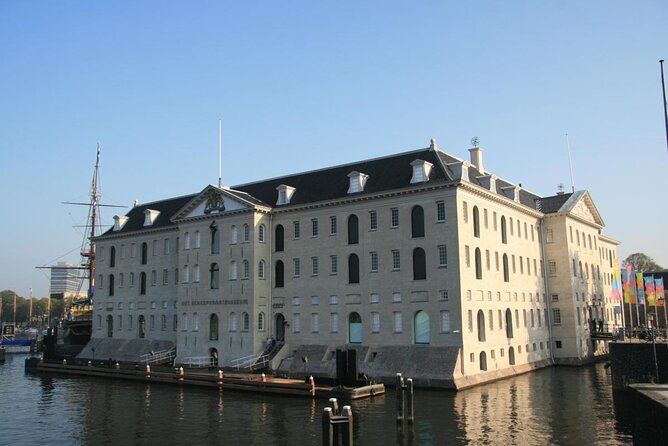
- Interactive displays make it easier to keep kids interested
- Wheelchair-friendly layout means you can plan a comfortable route
Het Scheepvaartmuseum in Oosterdok: what you’re stepping into
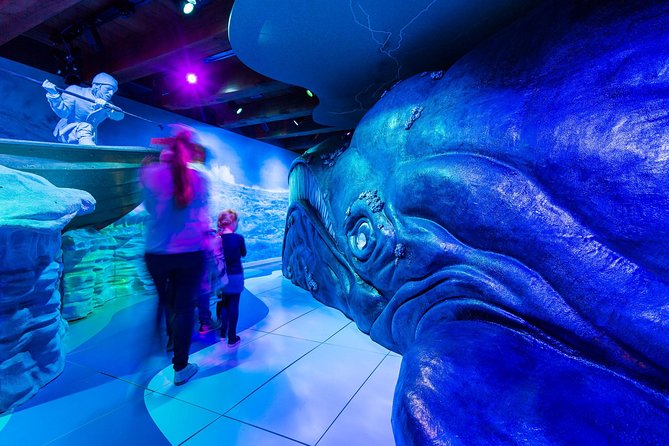
The National Maritime Museum in Amsterdam, called Het Scheepvaartmuseum, lives in Amsterdam’s Oosterdok area (East Dock). When you arrive, you’re not walking into a bland warehouse of facts. You’re entering a restored 17th-century Arsenal that once served as a Royal Dutch Navy storehouse. That matters because the setting reinforces the whole theme: ships, trade, instruments, and the Netherlands’ long relationship with the sea.
Inside, you’ll notice a modern glass roof over the courtyard. It’s a nice contrast. Old structure, modern light. That mix helps you orient fast, because the museum layout feels easier to follow than some maze-like museums.
This is a museum where you can learn in multiple ways. You’ll see high-definition screens covering the Netherlands’ Golden Age of maritime power in the 17th century. You’ll also find traditional displays like atlases, ship models, navigational instruments, and ship decorations. If you’re into hands-on learning (or you’re traveling with kids), there are exhibits designed to make the story feel less like a lecture.
You can also read our reviews of more tours and experiences in Amsterdam



Skip-the-line tickets: how fast access helps your visit
The point of this ticket is simple: bypass the ticket line when you arrive. Instead of spending your precious morning waiting at a counter, you can head inside and start learning right away.
You’ll use your fast-access ticket on arrival and move into the museum. Since the tour starts at 10:00 am, I recommend showing up close to that time. Even though you’re skipping the line, museums still move faster when you’re there before your group tour waves arrive.
This kind of ticket is especially useful at popular attractions in Amsterdam, where waiting can eat into the time you wanted for the rest of your day. The museum visit itself is flexible, so getting in earlier gives you more options later—watch the indoor exhibits first, or save the ship replica moment for the end.
The included 1-hour audio guide: best way to use it
This ticket includes a 1-hour audio guide in English. On arrival, you collect it and use it for a highlights walk-through. The guide gives you a structured way to see the most important areas without feeling lost.
Here’s the practical approach I’d use if I were planning your day: follow the audio guide for the main rooms first, then switch to your own interests. That way, you don’t risk spending your energy on exhibits that don’t match your tastes, and you still cover the museum’s key themes.
The audio experience is also a good fit for different travel styles. If you like reading and studying, you’ll have a solid framework. If you prefer a lighter visit, the audio guide lets you pick up the big ideas without forcing you to sit and listen to everything from start to finish.
And if you’re traveling with children, the flexibility helps. The museum includes family-friendly exhibits and interactive displays, so you can pause for those moments rather than trying to keep a group tour pace.
Inside the Arsenal: galleries, screens, instruments, and models
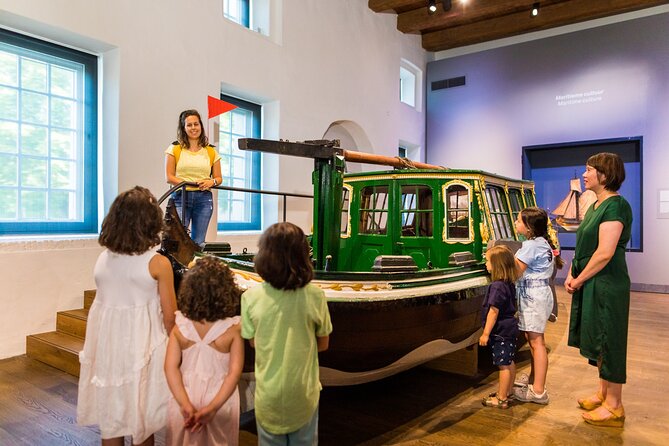
Once you’re past the initial entry areas, the museum reveals its real strength: maritime storytelling in multiple formats. The collections cover atlases and maps, art, model ships, and ship decorations. You’ll also see navigational instruments—things that connect the excitement of exploration to the real skills needed to navigate.
One of the biggest attractions here is how the museum handles the Netherlands’ maritime “peak years.” You’ll find screens and displays designed to chart the Golden Age of maritime power in the 17th century. If you’ve ever wondered what made Dutch sea trade so successful—ships, technology, and organization—you’ll get a clearer picture from these explanations.
The East wing is also a highlight. In particular, there’s strong emphasis on the East India trade story, including a replica of a Dutch East Indiaman ship. I like this because it gives you more than a generic history lesson. You get a specific vessel type and the context around how those ships fit into the bigger trading world.
There’s also an element of high-tech presentation: a 3D animation inside the East India-related area is singled out as a standout moment. Even if you’re not normally a “watch the screens” person, this is worth your time because it helps connect the objects in the room to an actual sense of action and route planning.
Replica ship moments: Dutch East Indiaman and Amsterdam cargo ship
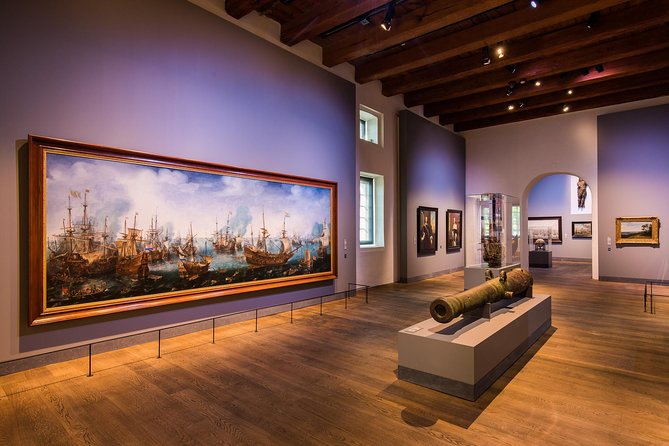
Ship replicas can sometimes feel like a side attraction. Here, they’re a core part of the museum experience.
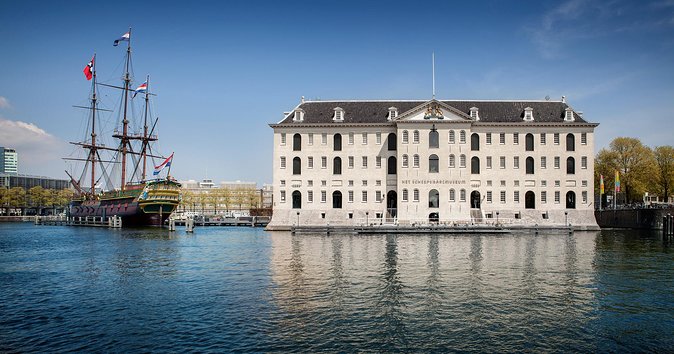
First, you’ll see the replica of a Dutch East Indiaman ship. This is a major draw because it ties together the themes you’re seeing indoors: trade networks, ship design, and the era when Dutch shipping pushed far across the seas. The museum uses the replica as a focal point so the collection feels like a coherent story instead of separate rooms of items.
Then there’s the outdoor showpiece. Step outside and you’ll find a replica of an 18th-century Amsterdam cargo ship. That outside portion matters because it changes the scale. Indoors, you’re reading, studying models, and watching screens. Outside, you’re looking at a vessel shape in a more “real-world” way, which helps your brain lock in the idea of how big and functional these ships were.
If you’re short on time, I’d prioritize the ship replica sections. They’re the easiest way to get the museum’s main ideas quickly.
You can also read our reviews of more museum experiences in Amsterdam





Virtual seafaring adventure and old port storytelling

Not everything here is quiet glass cases. The museum includes a virtual seafaring adventure and a journey through old Amsterdam port. These are the kind of exhibits that help if you learn best through story and movement rather than strict timelines.
I like including these because they give you a break from instrument labels and map-reading. You can step back, let the visuals carry some of the explanation, then return to the physical exhibits with better context.
This also makes the museum easier for mixed-interest groups. If one person wants detailed artifacts, you can still do that. If another person prefers something more visual, the virtual sections give them something to grab onto without losing the overall maritime storyline.
Family-friendly exhibits and wheelchair-friendly planning
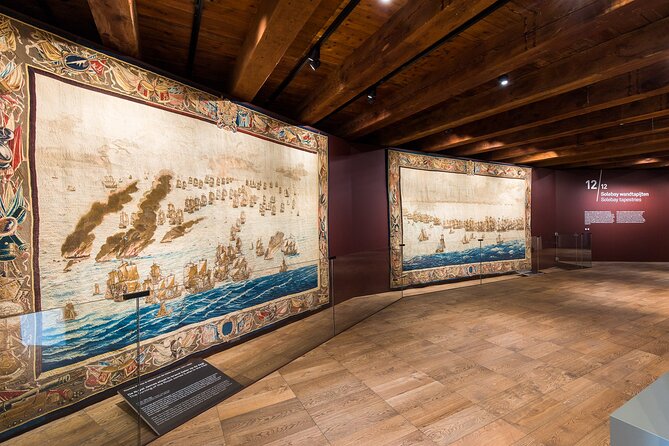
This museum works well for families. There are numerous exhibits designed for children, and the museum uses interactive displays that make the subject easier to engage with. You don’t have to fight a battle of attention spans the entire visit.
There’s also wheelchair-friendly access, which is a big practical advantage. If you need an accessible route, you’ll want to plan around the flow of major sections, especially the spots with the biggest crowd pull.
Time is the other planning piece. Your experience could be as short as about 30 minutes or stretch to about 1.5 hours, depending on how much you stop for screens, audio listening, and ship-replica time. If you’re traveling with kids or you’re trying to fit multiple activities into one day, treat it like a flexible block and decide your priority order in advance.
Price and value: is $24.03 worth it?

At about $24.03 per person, you’re paying for three things: skip-the-line entry, a 1-hour audio guide, and admission to a museum with strong maritime collections and ship-focused highlights.
The best value here is for people who want to learn but don’t want the hassle of waiting. Skipping the ticket line is practical money-saving in time, not just convenience. Amsterdam days are often packed, and arriving with a plan helps.
The audio guide inclusion also improves value. Without it, you might feel like you need to assemble your own self-guided path. With it, you have a built-in structure and can still wander after the highlights route.
One more signal: the experience is commonly booked about 21 days in advance on average. That’s not a guarantee of crowds, but it does suggest demand. If you’re traveling around peak periods, I’d book sooner rather than later so you’re not hunting for the right time slot.
Getting there and timing: simple ways to stay stress-free
The museum is near public transportation, so you’re unlikely to be stuck planning a complicated last-mile journey. Still, I’d give yourself a little buffer if you’re arriving from a busy tram or metro connection.
With a 10:00 am start time, the easiest strategy is to show up with enough time to settle in before you need to think about your next stop. Once inside, you can take your time collecting the audio guide and choosing how you want to pace the visit.
Also, remember that food and drinks aren’t included. Plan for a snack break either before you go in or after you finish the museum route. That way you don’t end up hungry and rushing through exhibits that deserve a little attention.
Who should book this Maritime Museum skip-the-line ticket?
This ticket fits best if you want an efficient, structured museum visit without locking yourself into a long guided group format. It’s ideal for:
- People interested in Dutch maritime history and the Golden Age in particular
- Families who need interactive moments and clear highlights
- Travelers who like audio-guided learning but want freedom to roam
- Anyone who appreciates ship models and navigational instruments as more than just background décor
If your goal is only a quick glance at a couple exhibits, you might feel like there’s too much information for such a short visit. But if you’re willing to listen to part or all of the 1-hour guide, you’ll get far more meaning out of what you see.
Should you book it? My decision guide
Book this skip-the-line ticket if you care about saving time and you want a clear entry point into Het Scheepvaartmuseum. The combo of fast access and a free 1-hour English audio guide is a strong match for independent travelers who still want structure.
Skip it only if you’re the type who doesn’t like audio tours at all and you’re happy spending time waiting at the door instead. Otherwise, this is a practical ticket for a museum that rewards both curiosity and a little planning.
FAQ
What does the Amsterdam National Maritime Museum skip-the-line ticket include?
It includes skip-the-line admission and a free 1-hour audio guide.
How long does the experience take?
The duration is approximately 30 minutes to 1.5 hours.
Is the ticket mobile, and what language is available?
Yes, it’s a mobile ticket, and the audio guide is offered in English.
Where is the National Maritime Museum located?
It’s at Het Scheepvaartmuseum in Amsterdam’s Oosterdok (East Dock) area.
What should I do when I arrive?
Use your fast-access ticket to bypass the ticket line, enter the museum, and collect your audio guide if you want to use it.
Is there a start time?
The start time is 10:00 am.
Can I get a refund if plans change?
Free cancellation is available up to 24 hours in advance for a full refund. Cancellation needs to be made at least 24 hours before the experience start time to be refunded.