REVIEW · AMSTERDAM
Amsterdam: Oude Kerk Entry Ticket
Book on GetYourGuide →Operated by Oude Kerk Amsterdam · Bookable on GetYourGuide
700 years of Amsterdam, under one roof. I love the way Oude Kerk Amsterdam blends an ancient hall church with rotating contemporary art made for this exact space, so you get both atmosphere and ideas in one stop. It also works as a practical, self-guided wander through centuries of civic life, not just a quick church photo stop.
One thing to consider: some modern installations and music-style programming can feel dark or theatrical, and that mood isn’t for everyone. If you’re hoping for a purely calm sightseeing hour, plan your expectations a bit like you would for contemporary theater—there’s emotion, not just decor.
In This Review
- Key Things You’ll Notice Inside the Oude Kerk
- What Your Ticket Covers (And Why It Matters)
- Oude Kerk’s Building Story: From Chapel to Hall Church
- Contemporary Art Commissions: Modern Work Made for a Medieval Space
- Music and Public Events You Might Catch While You Visit
- The Oude Kerk as Amsterdam’s Social Hub, Not Just a Sanctuary
- Using the Audioguide Smartly (So You Don’t Miss the Best Bits)
- Koffieschenkerij Courtyard Break: Coffee With a View of Calm
- Price and Value: Is $16 a Good Use of Your Amsterdam Time?
- Practical Expectations: Timing, Mood, and What to Wear
- Who This Visit Fits Best (And Who Might Skip It)
- Final Verdict: Should You Book the Oude Kerk Entry Ticket?
- FAQ
- FAQ
- Where is the Oude Kerk?
- How long can I use the ticket?
- What’s included with the Oude Kerk entry ticket?
- Do I need a guide?
- What languages are available for the audioguide?
- Is food and drink included?
- Is there an on-site place to get coffee or cake?
- Is the Oude Kerk wheelchair accessible?
- Can I cancel and get a refund?
- Can I reserve and pay later?
Key Things You’ll Notice Inside the Oude Kerk
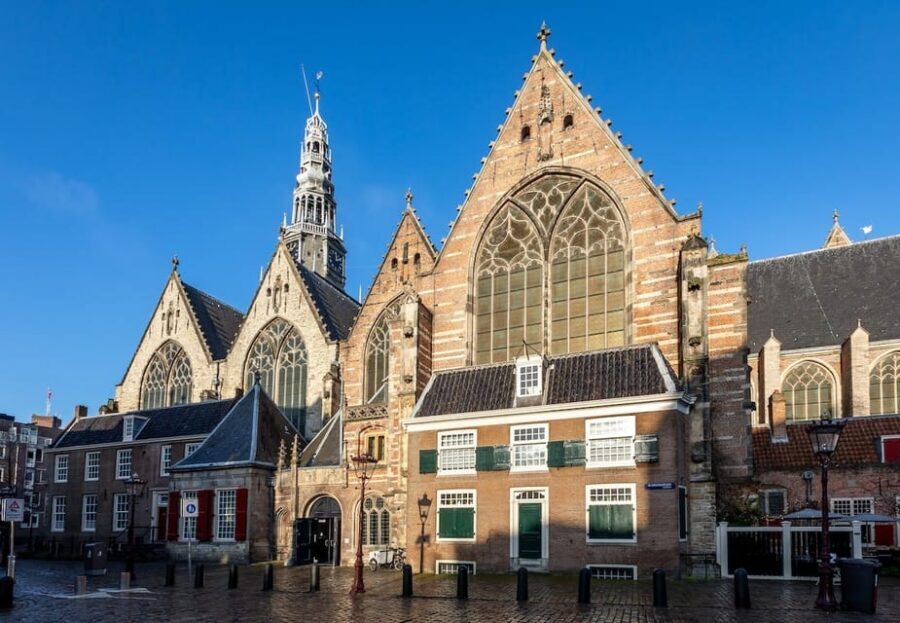
- Oldest building, clear timeline: From a circa 1250 wooden chapel to a circa 1570 hall church structure you can sense as you move through the space.
- Contemporary art created for the site: Artists make new works exclusively for Oude Kerk, with installations that either adapt to the space or intentionally contrast with it.
- Rotating exhibitions plus a public program: The commissions feed into events like music series Silence, Monuments, performances, guided tours, and artist talks.
- The city’s social “office”: This wasn’t only religious. It also served as a meeting place for trade, concerts, and civic life.
- Memorials and final resting places: You can see the final resting place of many well-known Amsterdammers as part of the church’s long presence in the city.
What Your Ticket Covers (And Why It Matters)
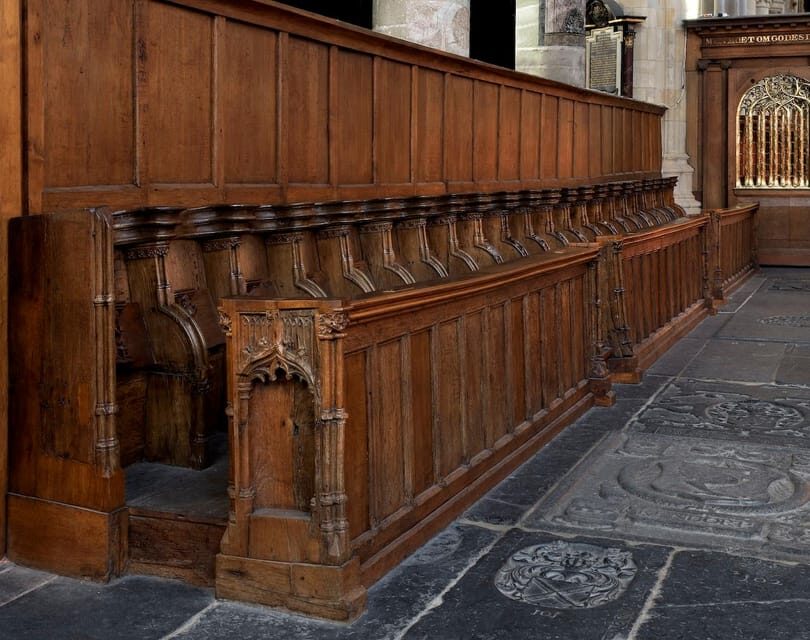
This is an entry ticket for Oude Kerk that includes access to the church and its exhibitions, plus an audioguide. That mix is important because Oude Kerk works on two levels at the same time: you’re inside an historic monument, and you’re also in a contemporary art venue that changes the experience depending on what’s on during your visit.
You’re not paying just for a building. You’re paying for a guided-by-your-own-pace route through:
- the church itself, with its layered architecture, and
- the contemporary exhibitions designed to interact with that architecture.
That’s also why the audioguide is a real value add. The church is old enough that plain-looking walls still have stories. With the language options (Dutch, English, German, French, Spanish, Italian), you can choose the one you’ll actually understand without mental translation work.
Price check, in plain terms: it’s listed at $16 per person, and it’s the kind of fee that feels fair when you care about both history and art. If you’re strictly chasing religious architecture only, you may feel like the contemporary side is extra. If you enjoy how modern art can change how you read an old place, this ticket fits your interests well.
You can also read our reviews of more tours and experiences in Amsterdam



Oude Kerk’s Building Story: From Chapel to Hall Church
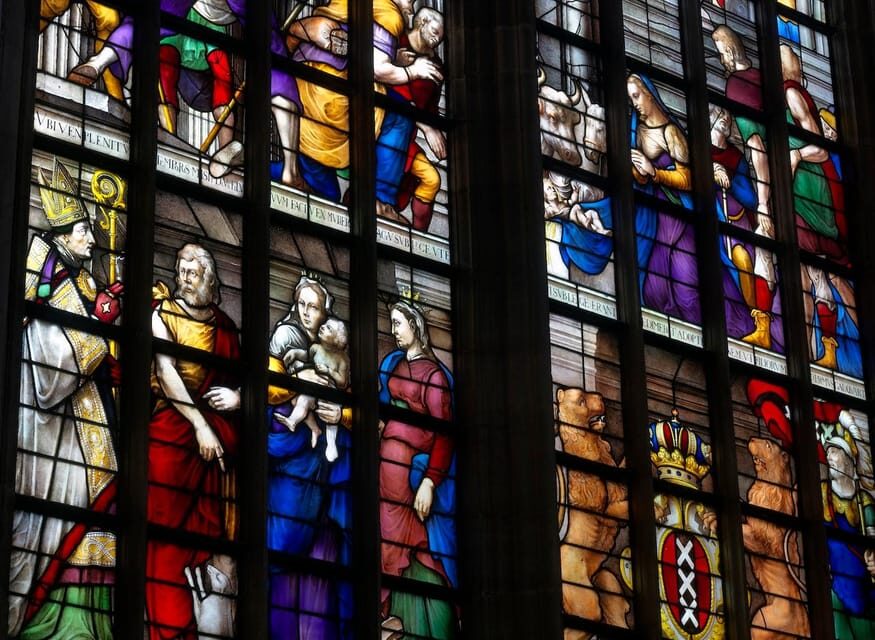
The Oude Kerk is Amsterdam’s oldest building, and you can feel that in the way it’s been shaped over centuries. The site grew from a small wooden chapel around circa 1250 into an extensive hall church around circa 1570.
Even if you don’t know architecture terms, the “why it feels different” question answers itself when you compare earlier and later building styles. Early structures tend to be simpler and smaller in how they focus attention. Later hall church layouts tend to open up the interior, giving you more room for movement, sight lines, and events—religious ones and secular ones too.
As you walk, keep an eye on how the space supports different activities:
- places that feel like they’re meant for gathering and ceremony, and
- areas where the scale and openness make it easier to place artworks.
That matters because Oude Kerk today uses its size and structure as part of the exhibition design. Contemporary works aren’t just displayed here. They’re placed where the building’s shape influences how you perceive them.
Contemporary Art Commissions: Modern Work Made for a Medieval Space
Here’s one of the smartest ideas behind this ticket: the contemporary art isn’t touring in from somewhere else like a pop-up. The church invites artists to create new works exclusively for Oude Kerk.
They also work with a clear artistic rule: an installation can adapt to the space or contrast with it. That gives you two very different viewing experiences in the same building, depending on what you walk into. An adapting piece tends to sit more comfortably inside the historic geometry. A contrasting piece throws a deliberate question at the room—What does modern life look like inside old stone?
Oude Kerk also runs two large art commissions annually to leading artists. That means the exhibitions aren’t random. They’re part of an ongoing project that connects past, present, and future.
When you’re inside, don’t rush the contemporary sections. I’d treat them like you treat a good performance: you need a bit of time for your brain to re-tune. Look at how the artwork changes your attention from the building’s age to the building’s present role as a shared civic space.
Music and Public Events You Might Catch While You Visit
A key feature of Oude Kerk is that the church isn’t stuck on a single mode. It hosts an extensive public program linked to the commissioned artworks. That includes music and events such as the series Silence, Monuments, plus performances, guided tours, and artist talks.
You might not see every event on your day, but this is worth knowing because it changes how you interpret what you’re seeing. If a piece feels more theatrical than gallery-like, that’s not an accident. It’s likely designed to live in a place that also supports concerts, spoken talks, and sound.
If you’re sensitive to intense sound, keep in mind the building can amplify mood. One visitor described the atmosphere and art/music as feeling like a horror film—an extreme reaction, but a useful reminder: contemporary art in an old church can land on the darker side of the emotional spectrum.
The Oude Kerk as Amsterdam’s Social Hub, Not Just a Sanctuary
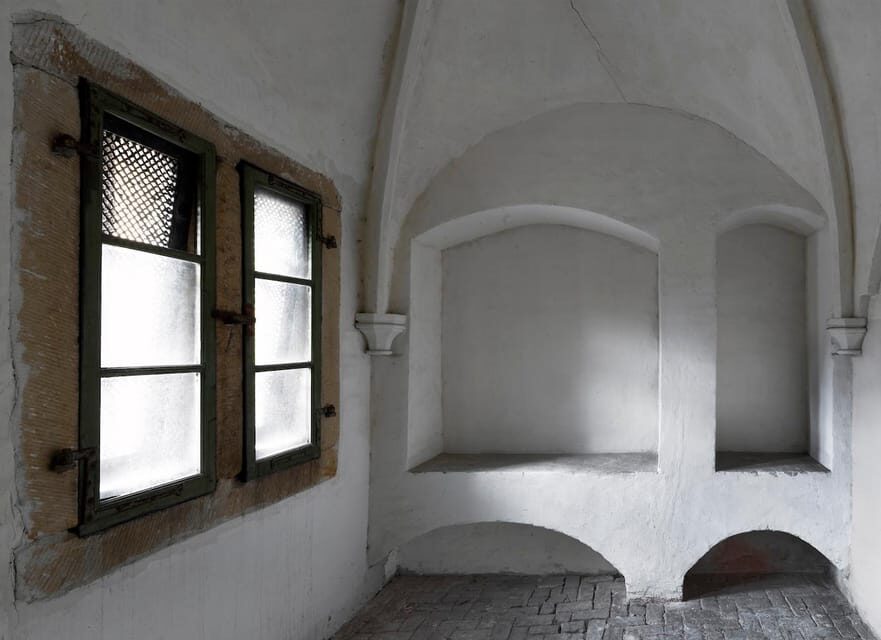
What makes Oude Kerk more than a “pretty church” is that it functioned as a social engine for centuries.
This place has long been more than religious walls. Fishermen used the church area to mend nets and sails. The Iron Chapel served a civic purpose too, where the city’s most important papers were kept. And yes—lovers signed marriage certificates here, which tells you everything about how central this building was to everyday life.
Even trade and concerts belonged here. Today, that legacy survives in the way the church still operates as a lively meeting place in the heart of Amsterdam. That’s why the experience doesn’t feel like a museum stop where everything is frozen behind ropes. It feels like a living structure that still hosts people and programs.
Also, the highlights specifically mention the final resting place of many renowned Amsterdammers. That adds another layer to your visit: you’re not only learning about the city. You’re also standing near memorial history—names that mattered in Amsterdam’s long story.



Using the Audioguide Smartly (So You Don’t Miss the Best Bits)
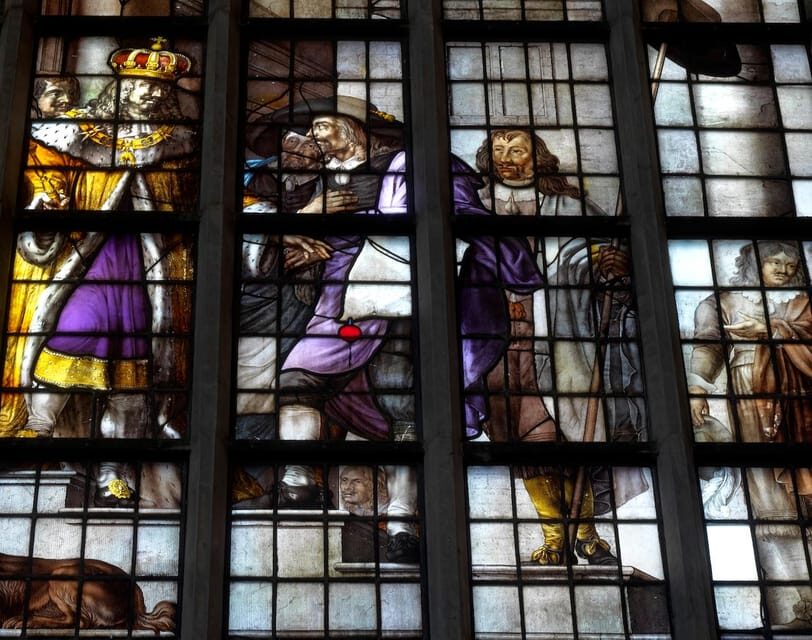
Included in your ticket is an audioguide with language options: Dutch, English, German, French, Spanish, and Italian.
Since you’re self-guiding, your success depends on how you listen. Here’s how I’d do it to maximize value without turning your visit into homework:
- Start early in your visit with your chosen language so the basics set the frame.
- When you reach contemporary sections, switch your mindset: instead of asking what the artwork looks like, ask how it changes how you read the room.
- If you see a memorial area or something tied to the church’s social role, slow down. Those are usually the places where a short audio story turns a flat sight into real context.
Think of the audioguide as your translation layer for time. Without it, old buildings can feel like “cool shapes.” With it, you get the logic behind why those shapes mattered.
Koffieschenkerij Courtyard Break: Coffee With a View of Calm
When you want a breather, Oude Kerk doesn’t force you to leave the site. There’s an on-site annex called Koffieschenkerij, located in a historical area of the church.
This is a serene retreat in the city centre. You can grab coffee, teas, lemonade, and cake, and there’s a beautiful courtyard garden that’s open daily.
This matters more than it sounds. Contemporary art in a church can pull you emotionally in different directions. Taking ten minutes in a quiet courtyard helps you reset so you can return to the exhibits with fresh eyes.
It’s also a practical advantage: food and drinks aren’t included with your ticket, so having an on-site option keeps you from having to plan a separate meal stop just to sit down.
Price and Value: Is $16 a Good Use of Your Amsterdam Time?
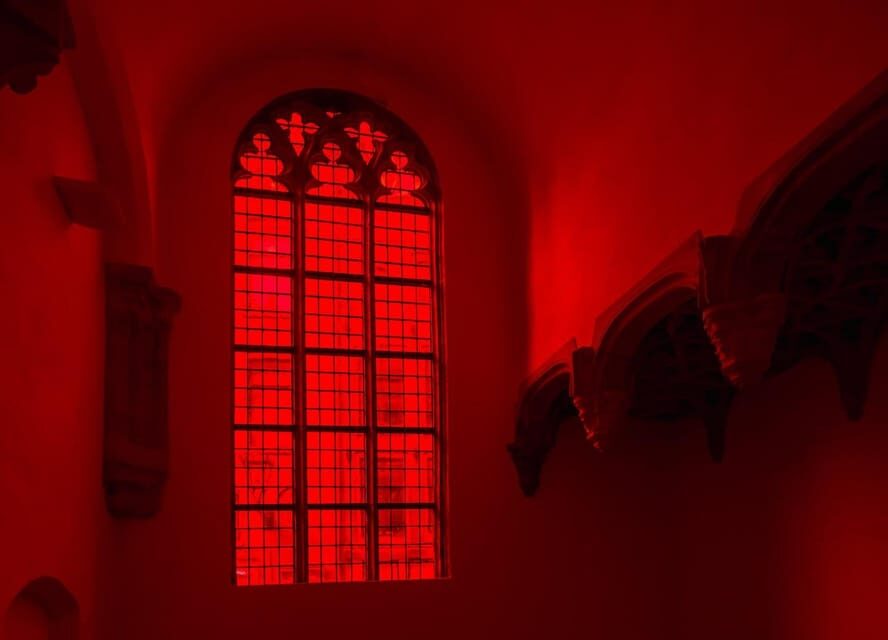
At $16 per person for a day-valid entry ticket, this is one of those purchases that makes sense if you enjoy hybrid experiences: heritage plus contemporary programming.
Here’s what you’re getting for the money:
- entry to the church and its exhibitions,
- an audioguide across multiple languages, and
- the chance to encounter modern commissions designed specifically for this site.
So the value doesn’t come from “seeing everything.” It comes from feeling how two eras talk to each other inside a real Amsterdam building with real civic memory.
If your goal is only classic churches with no interest in modern art, you might find portions of the visit less satisfying. But if you like when a historic landmark isn’t treated like a sealed artifact, you’ll likely feel the ticket was priced for people who want the full experience.
Also, one practical note: your ticket is valid 1 day, and availability is tied to starting times. That means it’s worth picking a time you can actually use for a relaxed visit, not a rushed hop in and out.
Practical Expectations: Timing, Mood, and What to Wear
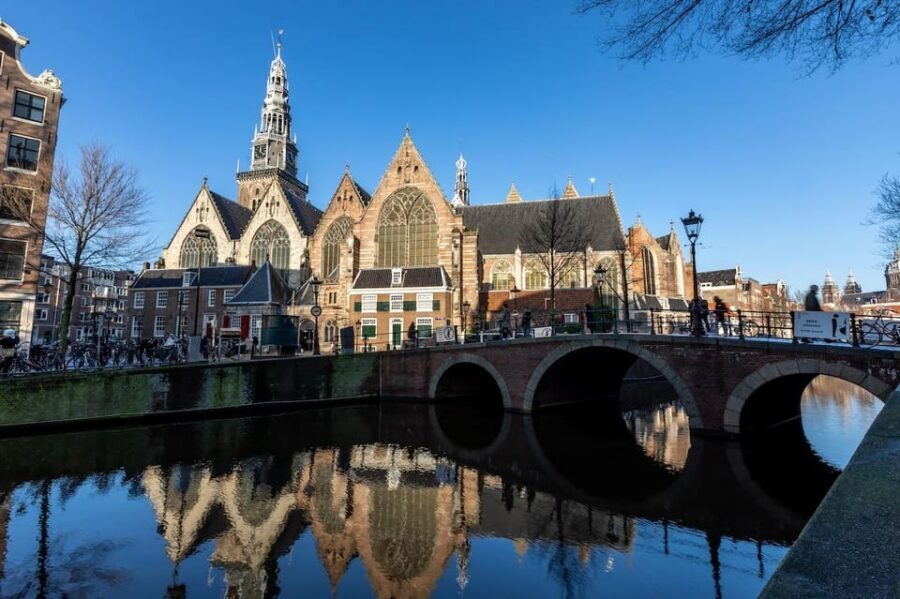
Your admission is meant for a one-day visit, and the church runs as both a monument and an art venue. That combination has two practical effects:
First, the mood can shift depending on the contemporary installation and any event programming. I’d expect quieter, contemplative zones at some moments and more intense, performance-like energy at others—especially around sound-based music programs like Silence, Monuments.
Second, you’ll move between spaces that serve different purposes: older sacred architecture, modern exhibition areas, and memorial sections. Keep your pace flexible. The building is doing a lot of narrative work, and you’ll get more out of it if you allow time to process both history and contemporary art choices.
Clothing-wise, think comfortable walking shoes. You’ll likely want to linger, and Amsterdam is not a city built for stiff-leg museum sprints.
Who This Visit Fits Best (And Who Might Skip It)
This Oude Kerk entry ticket is a great match if you:
- like Amsterdam’s history but don’t want it locked into one genre,
- enjoy contemporary art that interacts with architecture rather than ignoring it,
- want a self-guided experience with an audioguide so you can control pace.
It’s less ideal if you:
- strongly prefer churches only as religious monuments with no contemporary exhibition element, or
- dislike darker, theatrical atmospheres created by certain installations or sound-heavy programming.
There’s also a simple personality fit here. Oude Kerk rewards curiosity. If you enjoy asking why modern artists would choose a centuries-old church as their stage, you’ll probably enjoy this more than a standard museum loop.
Final Verdict: Should You Book the Oude Kerk Entry Ticket?
Book it if you want Amsterdam’s oldest church and a contemporary art program that uses the building instead of competing with it. The included audioguide makes the experience easier to follow, and the social-history details (Iron Chapel papers, nets and sails, marriage certificates) give the visit real texture beyond architecture.
Skip or reconsider if contemporary installations and music programming sound like a mismatch for you. The emotional tone can run intense, and not everyone enjoys modern artworks in a dim, historic setting.
If you’re on the fence, use this rule: if you’d enjoy walking into a place where art and history share the same walls, $16 is a reasonable price to find out.
FAQ
FAQ
Where is the Oude Kerk?
Oude Kerk is in the historic city centre of Amsterdam, and the tour is listed under North Holland, Netherlands.
How long can I use the ticket?
The ticket is valid for 1 day. Check availability to see the starting times.
What’s included with the Oude Kerk entry ticket?
Your ticket includes entry to the church and exhibitions, plus an audioguide.
Do I need a guide?
No guide is included. You’ll have the audioguide to explore.
What languages are available for the audioguide?
The audioguide is available in Dutch, English, German, French, Spanish, and Italian.
Is food and drink included?
No. Food and drinks are not included with the ticket.
Is there an on-site place to get coffee or cake?
Yes. Koffieschenkerij offers coffee, teas, lemonade, and cake, and it has a courtyard garden open daily.
Is the Oude Kerk wheelchair accessible?
Yes, the activity is wheelchair accessible.
Can I cancel and get a refund?
You can cancel up to 24 hours in advance for a full refund.
Can I reserve and pay later?
Yes. You can reserve now and pay later, keeping your plans flexible.