REVIEW · AMSTERDAM
Amsterdam: City Centre Canal Cruise & Free Flower Cocktail
Book on GetYourGuide →Operated by Stromma Netherlands · Bookable on GetYourGuide
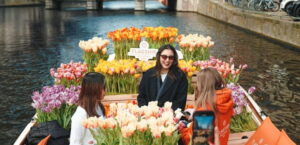
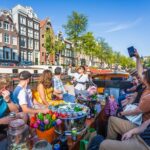
City canals run the show. This cruise pairs UNESCO-listed waterway views with a handcrafted flower cocktail and an audio guide delivered through the boat, so you get stories and sights without a complicated plan. I love how the route frames major landmarks like the Anne Frank House from the water, making it feel less like sightseeing and more like real Amsterdam life. I also like the practical onboard extras: Wi‑Fi and a toilet mean you can stay comfortable for the whole ride. One possible drawback: the included drink can be quite sweet, so if you prefer less sugary cocktails, plan to sip or buy something else before boarding.
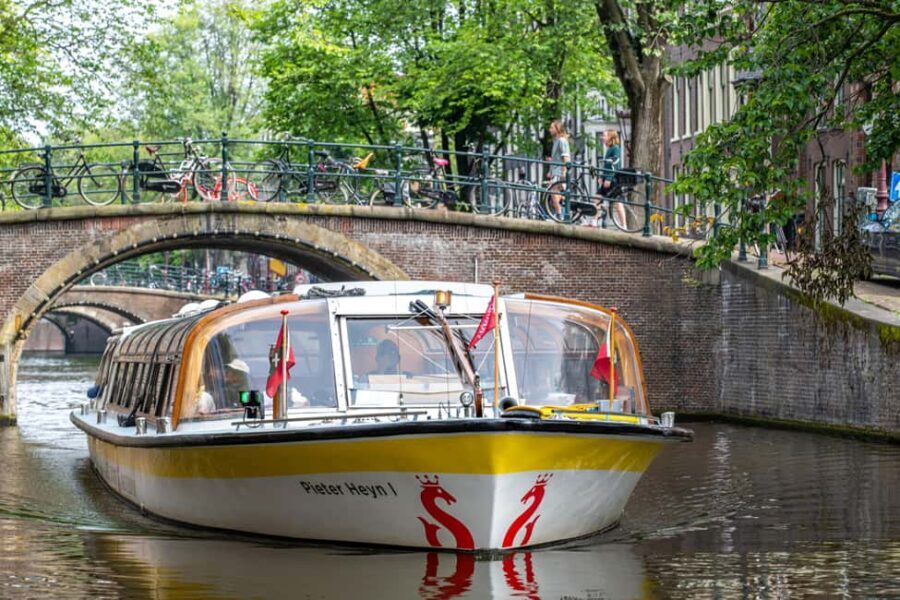
Even when the weather turns, the boat setup helps. Many cruises give you a sheltered cabin with a roof, and on nicer days the roof can be adjusted for better views and photos.
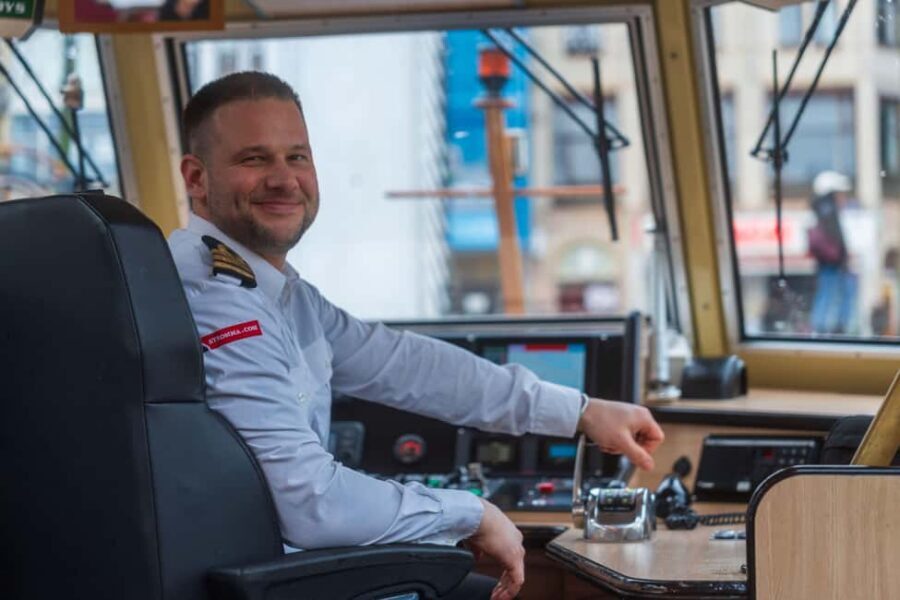
On top of the recorded narration, you may get extra personality from the captain. One name that comes up is Rudolph, and his humor can make the ride feel warmer than a purely automated tour.
In This Review
- Key highlights at a glance
- Why this Amsterdam canal cruise feels like the city’s best angle
- The flower cocktail and onboard perks that actually matter
- Picking the right timing: 60 minutes from Damrak or 75 from the Rijksmuseum
- Getting on board: meeting points and how to plan your arrival
- The route, step by step: what you’ll actually see from the water
- 1) Your departure pier (Stadhouderskade, Prins Hendrikkade, or Damrak)
- 2) Amsterdam Centraal Station (you glide past)
- 3) Brouwersgracht (pass by)
- 4) The Grachtengordel (the Canal Belt)
- 5) Anne Frank House (pass by)
- 6) Rijksmuseum (pass by)
- 7) Magere Brug (the Skinny Bridge)
- 8) Dancing Houses (pass by)
- Audio guide and Wi‑Fi: how to listen without missing the sights
- Bridges, warehouses, and the Golden Age clues you’ll start spotting
- Weather and photos: how to get the shot even when it’s gray
- Is this worth $19? Value check for a short, iconic experience
- Who should book this cruise, and who might skip it
- Should you book this Amsterdam canal cruise with Stromma Netherlands?
- FAQ
- How long is the canal cruise?
- Where is the meeting point?
- Are there different routes with different durations?
- Is the flower cocktail included?
- What do I need to bring, and do I need headphones?
- What languages are available?
- Is there Wi‑Fi and a toilet on board?
- Will the cruise run in bad weather?
- Where does the cruise end?
- Is the tour wheelchair accessible?
Key highlights at a glance
- Iconic canal-belt route past major Amsterdam sights from the water
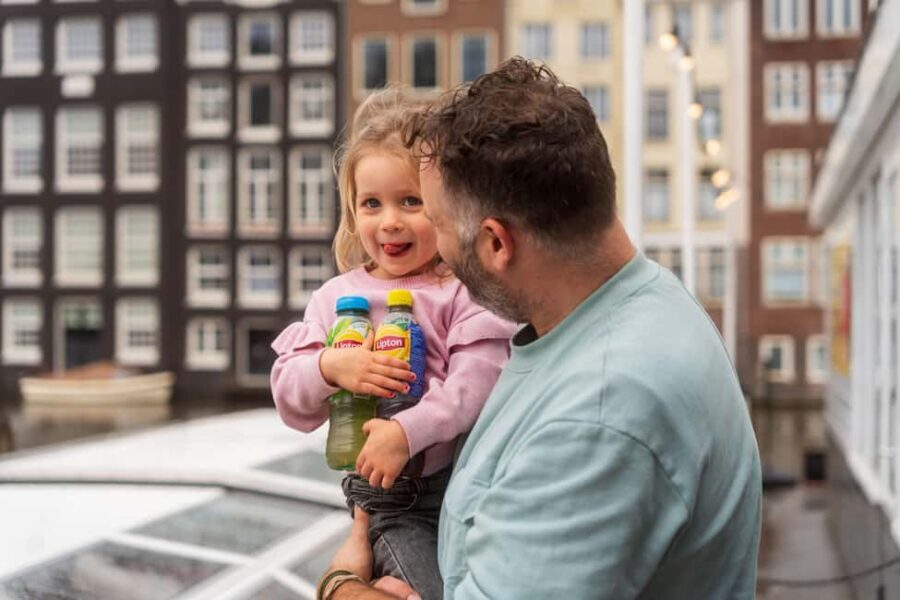
- Handcrafted flower cocktail included with your ticket
- Audio guide via speakers and app in many languages
- Onboard comfort: Wi‑Fi and a toilet, plus sheltered viewing when it rains
- Two timing options: about 60 minutes or up to 75 minutes
Why this Amsterdam canal cruise feels like the city’s best angle
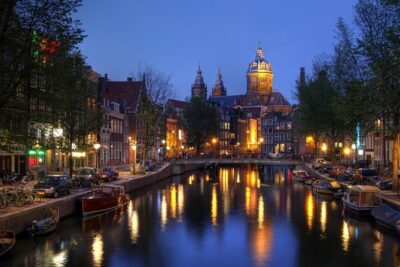
Amsterdam from street level is pretty. Amsterdam from canal level is personal. From the water, the buildings look taller, the bridges feel closer, and the whole city gains that classic layered rhythm: water, reflections, brickwork, and sailboats sliding by like punctuation marks.
This cruise works because it’s built for a quick win. In under an hour (or 75 minutes on the longer option), you’re moving through the heart of the UNESCO-listed canal belt, and the narration keeps you anchored on what you’re seeing. The included flower cocktail is a fun little incentive too, especially when you’re doing this early in your trip and want something to look forward to right away.
The vibe is also relaxed. You’re not racing from stop to stop. You’re seated, weather-protected, and able to just watch how Amsterdam behaves when it thinks no one is watching.
You can also read our reviews of more boat tours in Amsterdam


The flower cocktail and onboard perks that actually matter
Let’s talk about what you get besides the scenery, because that’s where this cruise quietly earns its value.
The ticket includes a handcrafted flower cocktail. That sounds fancy, and it is, but it’s also where personal preference comes in. Some people love it; others find it very sweet on its own. My advice: treat it like a taste of the experience rather than your entire night’s drink. Take a few sips, enjoy the moment, and if you want something less sugary, plan to buy a different drink at the ticket store before you board.
Now, the practical stuff:
- Wi‑Fi onboard means you can quickly map your next move or message someone without hunting for signal.
- A toilet onboard is a genuine quality-of-life upgrade. Canal cruises can run long enough to make a bathroom stop feel like a mission.
- The boat is designed for rain or shine, with a sheltered setup that makes a gray day feel less miserable.
And about food: snacks and drinks are available to purchase at the ticket store before boarding. So if you like to munch while you cruise, do it before you step aboard. That keeps the sail relaxed and simple.
Picking the right timing: 60 minutes from Damrak or 75 from the Rijksmuseum
This cruise comes in different lengths depending on the departure option:
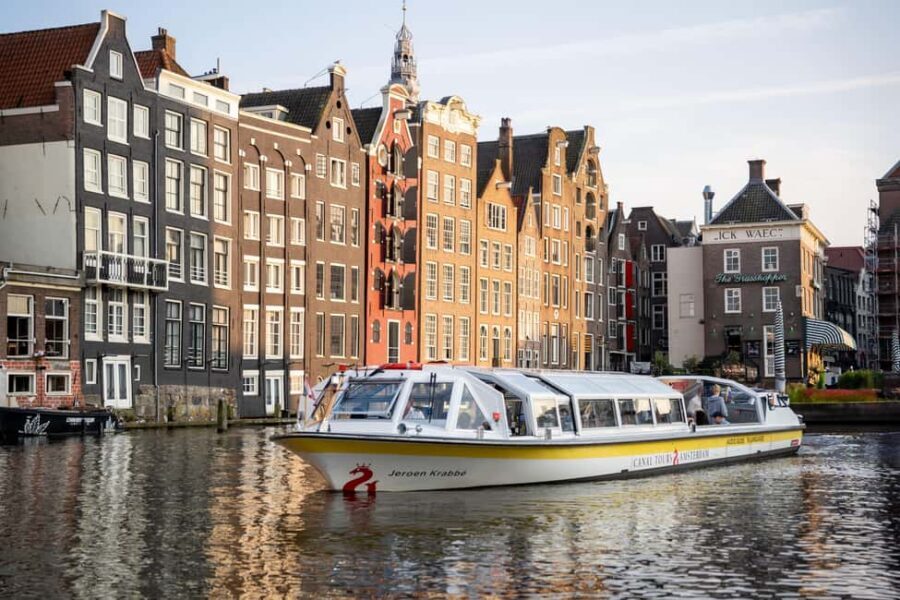
- Damrak route: about 60 minutes
- Rijksmuseum route: about 75 minutes
So which should you choose? I’d think about pace and your schedule.
Choose the shorter Damrak departure if:
- You want a quick orientation ride and still plan to explore on foot right after.
- You’re trying to fit a cruise in between museum time and dinner.
- You don’t want to be on the water too long.
Choose the Rijksmuseum departure if:
- You want a bit more time for the scenery and photos.
- You’re not in a rush and want a slower, longer pass through the canal belt sights.
Either way, you’re still getting the core “Amsterdam from the water” experience. The longer option just gives you a little extra breathing room.
Getting on board: meeting points and how to plan your arrival
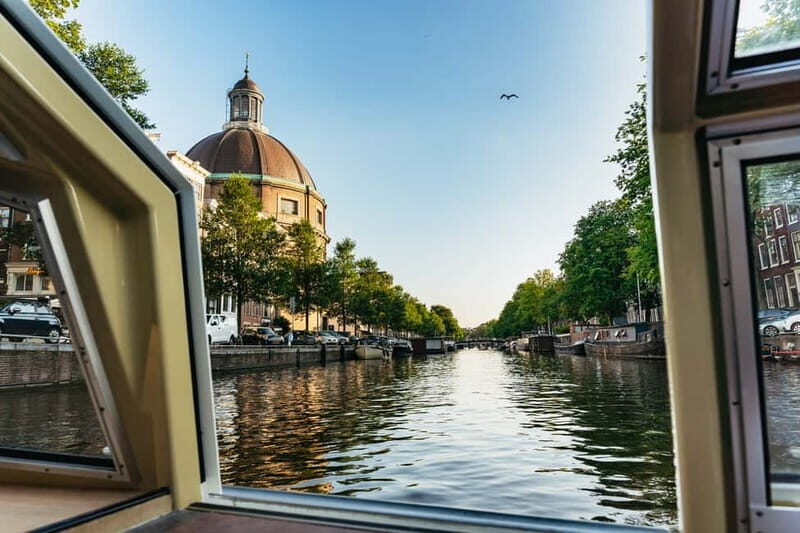
Your start point depends on what you book, with options including:
- Stadhouderskade 520
- Prins Hendrikkade 37
- Damrak 16
You’ll also find departures from Amsterdam Centraal Station / Damrak Pier 5 depending on the option. In practice, this means you can match the cruise to where you’re already hanging out in central Amsterdam.
Here’s a small planning tip: aim to arrive early enough that you’re not stressing about finding the dock. Canal boarding spots can be busy, and you’ll want a calm moment to settle in, especially if the weather is wet.
Good news: the ride ends back at the meeting point, with drop-off locations listed for the same areas (including Prins Hendrikkade 37 and Stadhouderskade 520, plus Damrak 16). So you’re not stranded on the far side of town.
The route, step by step: what you’ll actually see from the water
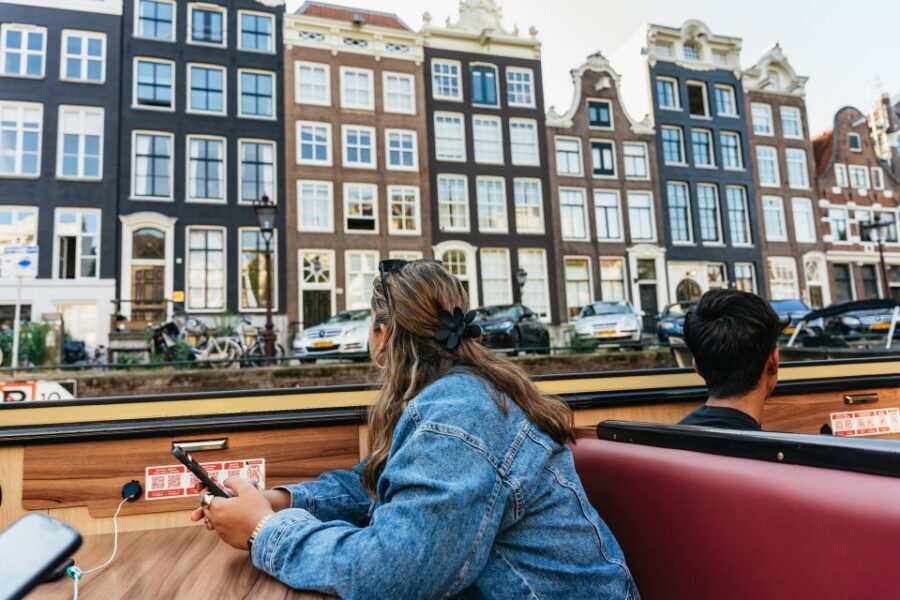
Below is the most useful way to think about the route: what each area adds to the story, and what you might want to pay attention to while you’re gliding by.
You can also read our reviews of more city tours in Amsterdam


1) Your departure pier (Stadhouderskade, Prins Hendrikkade, or Damrak)
Your cruise starts from one of three central dock areas. This matters because it affects how quickly you get into the densest canal belt scenery.
If you’re staying near Damrak, the shorter timeline can feel efficient. If you’re already planning time around the Rijksmuseum area, the longer departure usually lines up nicely.
A possible drawback: if you’re arriving late, you may feel rushed at a busy central dock. Give yourself time.
2) Amsterdam Centraal Station (you glide past)
You’ll pass by Amsterdam Centraal Station, one of the city’s most recognizable showpieces. From the water, it looks like a fortress facing the canals. It’s also a helpful visual landmark for getting your bearings.
What to look for: the angles where station buildings meet the water and where reflections start to dominate the view.
3) Brouwersgracht (pass by)
Brouwersgracht is part of the canal web that makes central Amsterdam feel like it’s built around motion. From the boat, you see the canal life in layers—boats, foot traffic along the banks, and the steady repetition of canal-side facades.
What to look for: the difference between narrower residential canal stretches and the more monumental sections where big buildings appear.
4) The Grachtengordel (the Canal Belt)
This is the heart of the experience. The Grachtengordel is where Amsterdam’s canal belt identity becomes obvious: orderly building lines, classic canal houses, and that UNESCO-level sense of preserved urban craft.
What makes this valuable isn’t just pretty architecture. It’s that you start to understand why the waterways mattered so much in the city’s development. Even without a deep lecture, you’ll feel the logic of the city built around shipping, trade, and movement.
5) Anne Frank House (pass by)
You’ll pass the Anne Frank House. This is one of those stops where the context matters because it’s not just architecture. From the water, it can feel more distant than street viewing, but that also makes it easier to keep it respectful and calm.
What to watch for: how the canal narrows and frames the buildings, creating a more intimate “street view” effect without you being in the crowded area.
6) Rijksmuseum (pass by)
On the longer option especially, you’ll also glide past the Rijksmuseum area. Even if you’re not entering the museum, it works as a visual anchor: you’re seeing the city’s cultural center from the water.
What to look for: the way the canal aligns with major landmarks, giving you quick mental maps for the rest of your day.
7) Magere Brug (the Skinny Bridge)
Then comes one of Amsterdam’s most photogenic moments: Magere Brug, often called the Skinny Bridge. It’s famous because it looks delicate and elegant, but from the canal you also see how it functions as a crossing point inside daily life.
What makes it special: the bridge is narrow in silhouette, which means it shows up sharply against the water.
8) Dancing Houses (pass by)
Near the end, you pass the Dancing Houses. This is the kind of sight that makes you stop thinking of Amsterdam as just canals and houses. The city also has a flair for weirdness and personality.
What to watch for: the way the building shapes break expectations when you view them from an angle created by the canal.
Audio guide and Wi‑Fi: how to listen without missing the sights
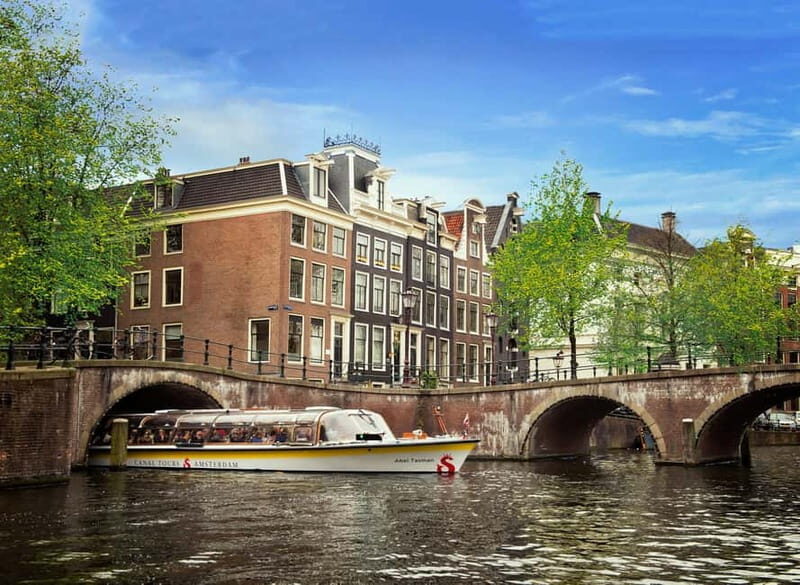
The commentary is delivered in a clever way. You get audio through the boat’s speakers for Dutch and English, and there are other languages available via an app. The audio guide covers a lot of ground and can run in many languages (including French, German, Arabic, Hebrew, Hindi, Italian, Japanese, Korean, Polish, Portuguese, Russian, Spanish, Thai, Turkish, Indonesian, and Chinese).
Here’s how to make it work for you:
- If you only need English or Dutch, you might not need headphones.
- If you want another language, you’ll likely want headphones for the app audio. The tour notes indicate headphones are something to bring, so treat that as a planning cue.
Also, sound quality can depend on where you’re seated. Some people note the audio being harder to hear when the boat picks up speed. If you care about audio clarity, bring your own headphones and sit where the speaker sound reaches you best.
Wi‑Fi can be handy for quick photo cleanup, maps, or just sending a message while you still remember what you’re looking at.
Bridges, warehouses, and the Golden Age clues you’ll start spotting
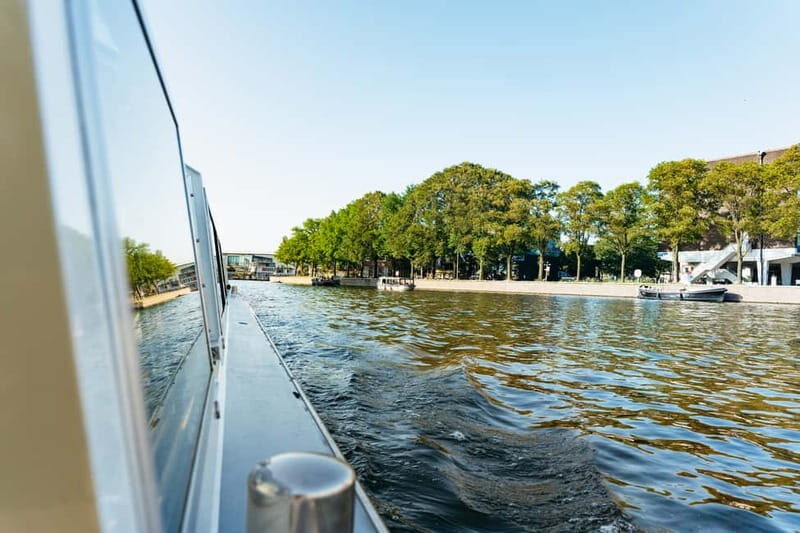
One of the best parts of this cruise is how it nudges you to notice details you’d miss if you were just walking around. The narration connects the dots between Amsterdam’s historic waterways, the buildings, and what the city used to do here.
As you sail, you’ll see elements tied to the city’s Golden Age story:
- Old boatyards and warehouses
- The strong canal-belt pattern of trade and transport
- Bridge sequences that create a stop-and-start feeling to the scenery
If you’re someone who likes to understand what you’re seeing, this is a big win for a short time. You don’t need to be a history buff to appreciate why the canals matter. The water route makes the city’s priorities feel practical, not just romantic.
Weather and photos: how to get the shot even when it’s gray
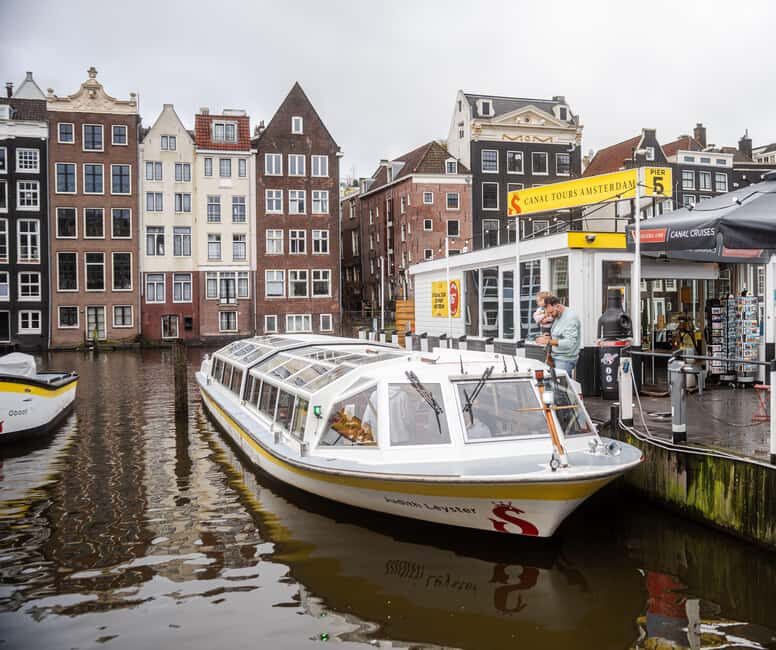
Amsterdam’s weather can change fast. The good news is the boat experience is built to handle it. The cruise is listed as running rain or shine, and boats are set up for comfort in bad weather.
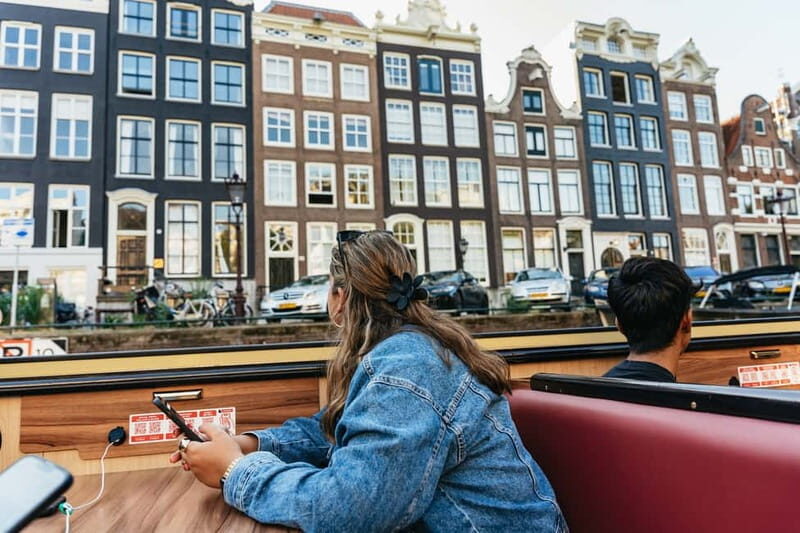
For photos, roof adjustments can help. People mention that when it’s a nicer moment, the roof can be retracted for better sightlines and reflections. When it’s rainy, you’ll still get a sheltered view, but you might trade maximum open-air photos for comfort.
My practical photo advice:
- Bring your phone fully charged.
- Wipe your window area if it’s foggy or wet.
- Take a quick set of photos during the bridge moments, not only when you’re between them. Bridges and turns create the strongest lines.
Also, don’t fight the reflections too much. In canal Amsterdam, reflections are part of the look. Instead of trying to eliminate glare, aim for angles where the building edges and reflections both show.
Is this worth $19? Value check for a short, iconic experience
At about $19 per person, this cruise is priced as an accessible intro to Amsterdam’s canal identity. For that money, you get:
- A pass through major central sights
- A handcrafted flower cocktail
- A multi-language audio guide system
- Wi‑Fi and a toilet onboard
- A ride that stays comfortable in varied weather
That combination is the value story. A lot of canal cruises are “just the ride.” This one adds enough extras to make it feel like you paid for convenience, not only views.
Still, keep expectations grounded:
- It’s not a long, stop-and-stroll walking tour.
- The main learning comes from the audio guide, not a live lecture from a person at every moment.
Who should book this cruise, and who might skip it
This is a great choice if you want:
- A first-day orientation to central Amsterdam
- Iconic views without committing to a half-day walking route
- Comfort features like Wi‑Fi and a toilet
- A fun, included drink to mark the moment
It might be less ideal if:
- You hate sweet cocktails and don’t want to adjust your expectations (the flower cocktail can be very sweet to some people).
- You want a highly interactive, fully live guide. The experience leans on audio narration, with the captain adding personality when you’re lucky with timing.
One important note: it’s not suitable for wheelchair users, based on the tour information provided.
Should you book this Amsterdam canal cruise with Stromma Netherlands?
If you’re aiming for a quick, high-impact Amsterdam moment, I’d say yes. This cruise does a lot of work in a short time: it threads you through the canal belt, points out major landmarks like the Anne Frank House and the Magere Brug, and keeps you comfortable with onboard basics.
Before you book, decide one thing: do you want the shorter ride from Damrak or the longer scenic pass from the Rijksmuseum? If you’re flexible, the longer option is often easier to enjoy without feeling like you’re rushing. Either way, bring headphones if you want audio in a specific language or if you’re sensitive to sound volume.
If you like Amsterdam best when it feels like a moving postcard, this is one of the simplest ways to get there.
FAQ
How long is the canal cruise?
The cruise is listed as about 1 hour, with a longer option of about 75 minutes if you choose the departure from the Rijksmuseum. The Damrak option is about 60 minutes.
Where is the meeting point?
Meeting points vary by the option booked. Common start locations include Stadhouderskade 520, Prins Hendrikkade 37, and Damrak 16 (with departures also mentioned from Amsterdam Centraal Station area / Damrak Pier 5 depending on the option).
Are there different routes with different durations?
Yes. The cruise from Damrak is about 60 minutes, while the cruise from the Rijksmuseum is about 75 minutes.
Is the flower cocktail included?
Yes. A flower cocktail is included with the ticket.
What do I need to bring, and do I need headphones?
Headphones are recommended/required to be brought. English and Dutch audio can be heard over the boat speakers, but other languages are provided via an app, which typically means headphones are useful.
What languages are available?
The audio guide is available in many languages, including Dutch, English, French, German, Arabic, Hebrew, Hindi, Italian, Japanese, Korean, Polish, Portuguese, Russian, Spanish, Thai, Turkish, Indonesian, and Chinese. English and Dutch are also offered via the boat’s speakers.
Is there Wi‑Fi and a toilet on board?
Yes. Wi‑Fi and a toilet are both available onboard.
Will the cruise run in bad weather?
The cruise takes place rain or shine.
Where does the cruise end?
The activity ends back at the meeting point, with drop-off locations listed for Prins Hendrikkade 37, Stadhouderskade 520, and Damrak 16 (depending on where you boarded).
Is the tour wheelchair accessible?
No. The tour is not suitable for wheelchair users.