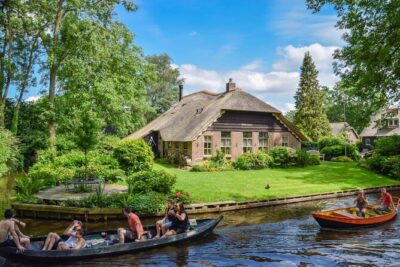
Amsterdam hides its real story in plain sight. This 2-hour walking tour by EcoEcho is built around 750 years of Amsterdam secrets, from the first dam and dikes to the Golden Age and World War II. I especially like how it turns big events into street-level stories you can picture, not a dry slide show. You also get a handwritten postcard with a Dutch stamp tied to historic A’DAM, which feels like more than a generic souvenir.
Two things I really like here are the small group size (max 12) and the guide, Antonis, whose humor and warmth keep the facts moving. When the group is small, you can actually ask questions and stay focused on what you’re seeing. A possible drawback to consider: there’s no video recording allowed, and since this is a walking tour with lots of facts, it’s best for people who want information and not just scenery.
If you’re the type who asks wait, what about the city, this is a great fit. You’ll leave with a head full of strange-but-true details, from why houses lean to why Amsterdam was built on mud, plus the way floods and water control shaped daily life.
In This Review
- Key things you should know before you go
- A 2-Hour Walking Story Through 750 Years
- Why the Facts Feel Personal (Not Like a Lecture)
- Meeting at Bull !! and What the Start Really Sets Up
- Early Amsterdam: Settlers, the First Dam, and Building on Mud
- Leaning Houses and the Hidden Clues in Plain Sight
- Water, Floods, and the Systems That Kept Amsterdam Standing
- Golden Age Trade, Religion, and the Push-Pull of Freedom
- World War II: Stories You Can Read in the Streets
- The Antonis Factor: A Guide Who Brings It to Life
- Small Group Energy: Why Max 12 Changes Everything
- Postcard With a Story From A’DAM
- Price and Value: What $28 Buys in Real Time
- What to Bring (So the Walk Stays Fun)
- Who This Tour Suits Best
- Should You Book Amsterdam’s Hidden Facts: 750 Years of Secrets?
- FAQ
- How long is Amsterdam’s Hidden Facts: 750 Years of Secrets?
- How much does the tour cost?
- Where do I meet for the tour?
- Where does the tour end?
- How big is the group?
- What languages is the tour offered in?
- Is video recording allowed during the tour?
- What’s included in the price?
- What should I bring?
- Are there options for cancellation or flexible booking?
Key things you should know before you go
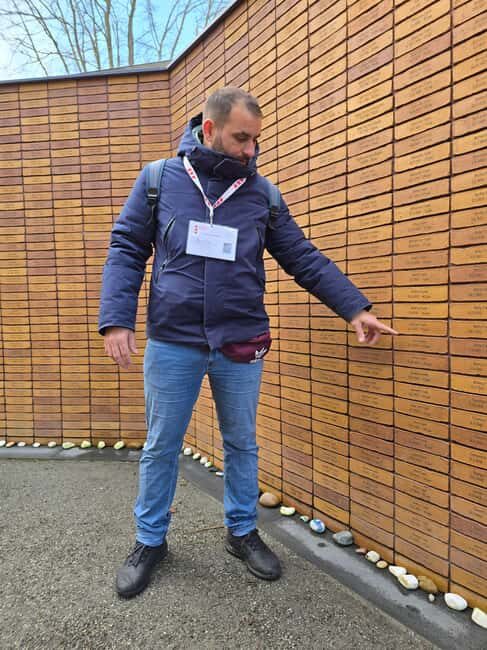
- 750 years, told like a story: dams and trade, floods and freedom, all in one walk
- Antonis runs it with warmth and humor: deep knowledge without turning into a lecture
- Max 12 people: fewer distractions, more chance to connect
- Hands-on takeaway: a handwritten postcard with a Dutch stamp from A’DAM
- Designed for curious walkers: lots of facts about everyday-looking details
A 2-Hour Walking Story Through 750 Years
This tour works because it keeps the timeline tight without oversimplifying. You’re not just collecting dates. You’re learning how Amsterdam became Amsterdam by solving problems over and over again.
Expect the walk to cover the city’s journey from early settlement patterns to the systems that saved a city built on mud. Then it jumps through the Golden Age and lands in World War II, so the past doesn’t feel distant. It’s still visible in how the city developed and what people had to deal with.
You can also read our reviews of more tours and experiences in Amsterdam.



Why the Facts Feel Personal (Not Like a Lecture)
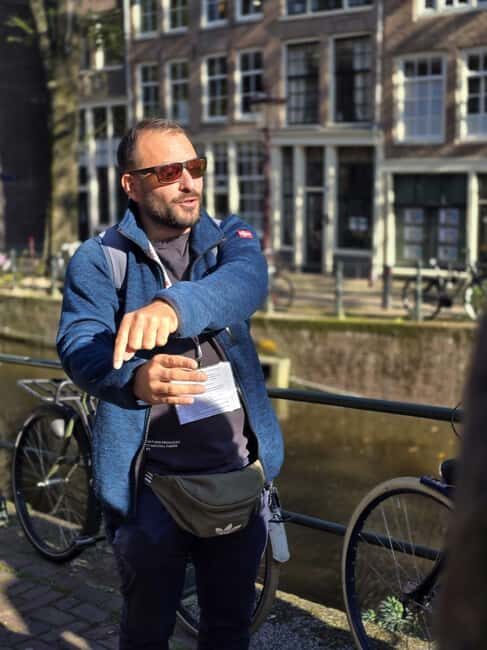
What I like about this style is the pace. The tour promises facts you won’t forget, and the format sounds built to keep you engaged—short stories, clear cause-and-effect, and moments that connect to what you can actually see outside.
You’ll hear why Amsterdam’s water story matters, including the first dam and dikes. You’ll also get a reason behind physical details people notice in passing, like why houses lean and what’s going on with the “XXX” you’ll hear about during the walk.
That approach helps you remember. When history is tied to a visible clue, you stop treating it like trivia and start treating it like how the city works.
Meeting at Bull !! and What the Start Really Sets Up
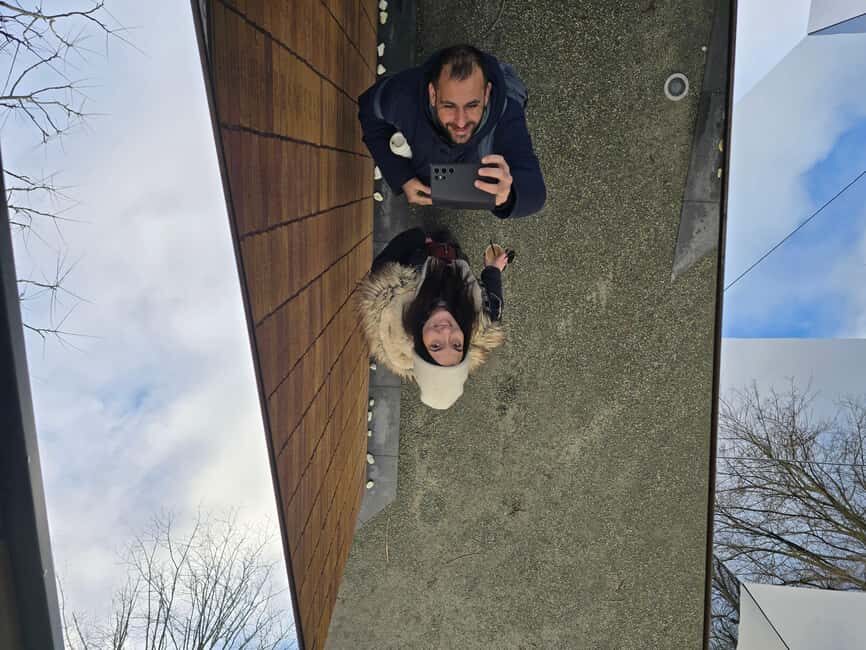
You meet in front of the Bull !! and the tour ends back at that same point. Starting and finishing in the same place makes this feel easy to plug into your day—especially if you’re already exploring central Amsterdam.
More importantly, the beginning matters because the guide can set the frame for the whole walk. Once you understand Amsterdam’s obsession with water control and planning, the rest of the city’s story makes more sense. You stop seeing streets and buildings as random, and you start seeing them as decisions.
Bring comfortable shoes. This is two hours on your feet, and you’ll be stopping often enough that footwear matters more than you think.
Early Amsterdam: Settlers, the First Dam, and Building on Mud
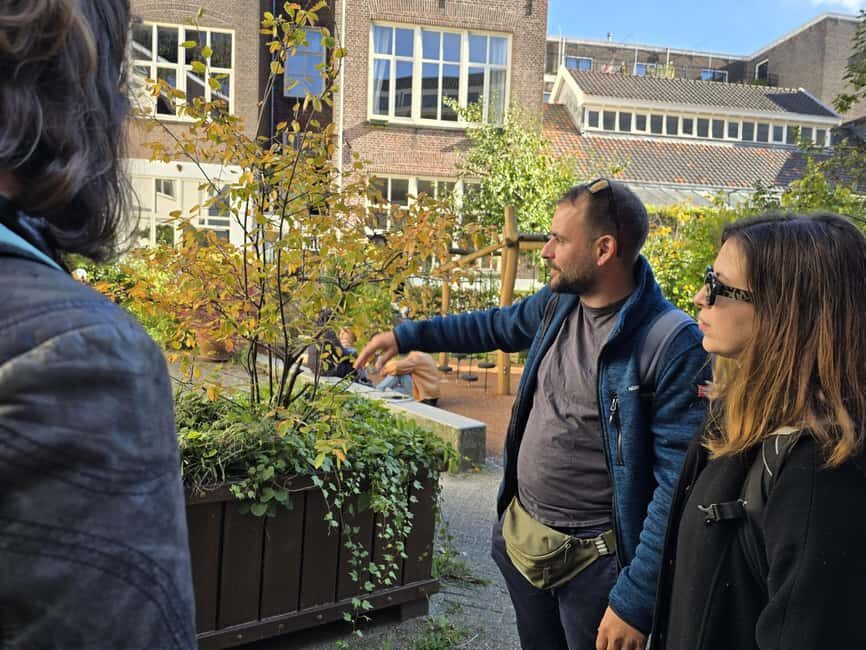
One of the most useful parts of this tour is how it starts with fundamentals. Before canals look like decoration, you learn the original logic: early Amsterdam had to manage water to survive.
The highlights specifically point to the first dam and dikes, plus the idea that Amsterdam was built on mud. Those two topics connect fast. If you know the city sits on challenging ground and water was always a threat, a lot of Amsterdam’s later choices stop feeling like quirks.
I like that the tour doesn’t treat these topics as boring engineering. It frames them as survival and community effort. When you understand that, everything from property layout to infrastructure feels less random.
Leaning Houses and the Hidden Clues in Plain Sight
You’ll get explanations for details that most people walk past. Houses leaning is one of those instantly memorable topics, because it’s visible and it makes you curious.
The tour also mentions questions like what’s with all the XXX. Even if you’ve never noticed it before, the promise is that you’ll understand the meaning as you go. That’s the kind of payoff that makes a walking tour worth your time—you end up looking differently at what’s already around you.
This section is also where small-group format really helps. You’ll hear the story clearly, and you’re more likely to ask questions without feeling like you’re competing for attention.



Water, Floods, and the Systems That Kept Amsterdam Standing
Amsterdam’s water problems weren’t theoretical. Flooding and pressure on the land were real threats, and the tour focuses on the devastation and the systems that helped save the city.
This is one of the most valuable parts of the experience because it changes how you interpret the canals. Canals are beautiful, sure. But they’re also part of a bigger network of planning, trust, and resilience.
I’d argue this is where the tour earns its promise of trust and resilience. The message isn’t just that Amsterdam was clever. It’s that communities built systems together, and those systems shaped daily life.
Golden Age Trade, Religion, and the Push-Pull of Freedom
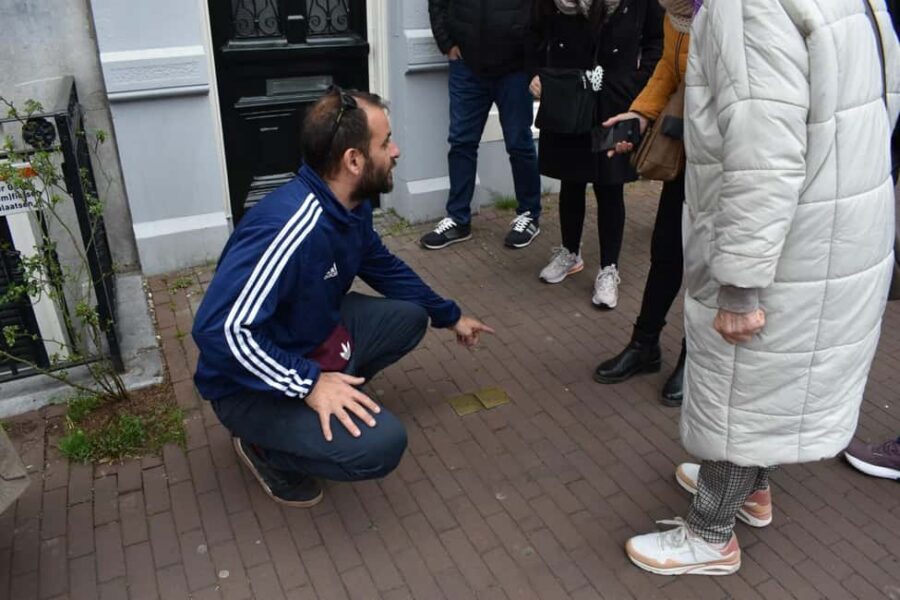
Next comes the Golden Age, which is where Amsterdam’s reputation usually starts for visitors. The tour includes that era, but it doesn’t stop at wealth. It also points toward religion and later liberal revolutions.
That mix matters. Amsterdam wasn’t one note. It held different ideas, traded widely, and attracted people for many reasons. When the tour frames history through these conflicts and negotiations, the city feels more human.
You’ll also get a sense of defining moments, told as part of the same story arc that started with mud and water. In other words: Amsterdam’s later boom wasn’t separate from its earlier survival challenges.
World War II: Stories You Can Read in the Streets
The tour includes World War II, which is where you’ll likely feel the shift in tone. The value here is not just knowing the facts—it’s linking the era to the city’s identity and how events shaped what came after.
The highlight promise is that you’ll learn defining moments and hidden secrets. In WWII-focused sections, that tends to translate into understanding how ordinary places held extraordinary stakes.
I like that the tour doesn’t treat history like a chapter you can close. It ties past events back to the city’s ongoing development and mindset.
The Antonis Factor: A Guide Who Brings It to Life
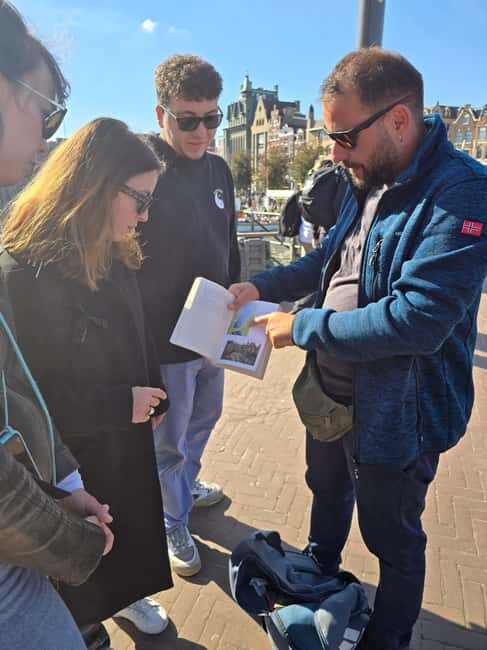
Antonis is a key reason this tour performs well. The tour description paints him as equal parts guide, friend, and curious human with a touch of obsession. That might sound dramatic, but in practice it usually means you get energy and specificity.
The reviews back up that attentiveness. One highlight from a five-star review is that Antonis was very attentive even when someone booked alone, and the tour still ran. Another positive theme is warmth and enthusiasm, with the guide showing affection for his adopted city while explaining the origins and expansion of Amsterdam.
Here’s why that matters for you: when a guide is tuned in, you get better pacing and more clarity. You’re less likely to feel lost when history gets complicated, because the guide can steer the story back to what you’re looking at.
Small Group Energy: Why Max 12 Changes Everything
This walk caps at 12 guests. That’s not just a comfort detail. It affects the quality of your experience.
Small group tours let you hear the guide without strain. They also mean the guide can watch reactions, adjust explanations, and keep the rhythm moving. When history is the product, attention is part of the value.
It also helps you stay focused. You’re on a two-hour timeline, and the “facts you won’t forget” promise is easier to deliver when you’re not fighting noise from a crowd.
Postcard With a Story From A’DAM
One of the nicest details here is the handwritten postcard. You get it as a token of appreciation, plus a Dutch stamp. The tour description ties the postcard to historic A’DAM, which makes it feel connected to the experience rather than a random printout.
This is small, but it’s smart. Writing things down by hand forces you to slow down. When you later look at the postcard, the memories come back easier than from photos alone.
If you’re the type who likes physical keepsakes, you’ll appreciate this. If you don’t, it still works as a neat bookmark for the story you just heard.
Price and Value: What $28 Buys in Real Time
At $28 per person for a two-hour walking tour, you’re paying for storytelling plus a local guide, not for museum tickets. That can be a good deal in Amsterdam, where paid experiences can inflate fast.
The value is strongest if you want context. If you only want pretty canals and photos, you might feel the price is less justified. But if you want to understand why Amsterdam looks the way it does—dams, dikes, leaning houses, mud foundations—then two hours with a strong guide can save you hours of reading later.
Also, the guide-led format reduces the work. You don’t have to connect the dots yourself. You get the dots handed to you, in a way you can remember.
What to Bring (So the Walk Stays Fun)
Bring comfortable shoes. This tour is a walking experience, and you’ll want support for frequent stops.
A camera can help, especially if the guide points out visible clues like the leaning houses or the meaning behind the “XXX” detail. Bring water too, and dress for weather, because the promise is two hours outside.
Video recording isn’t allowed. If you like making videos, plan on still photos and notes instead.
Who This Tour Suits Best
This experience is perfect for you if:
- You like facts that explain real city details
- You enjoy a story format instead of a lecture
- You want a small-group setting with real interaction
- You’re curious about how Amsterdam dealt with water, floods, and survival
It also fits solo travelers well. One of the top review notes is that the guide didn’t cancel when someone booked alone, which suggests the tour is set up to run comfortably for individuals, not just couples.
If you hate walking, or if you want a quieter, low-information stroll, this may feel too fact-dense. It’s built for people who ask questions and want answers.
Should You Book Amsterdam’s Hidden Facts: 750 Years of Secrets?
I think you should book it if you want Amsterdam history that’s practical and legible. This tour connects big themes—dams, dikes, Golden Age trade, and WWII—to street-level clues like leaning houses and other visible oddities.
It’s also a strong choice if you value guide energy. Antonis sounds like the kind of person who can make complicated topics click, and the reviews reinforce that attentiveness and warmth.
Skip it only if you’re not interested in heavy facts or if the no-video rule would annoy you. Otherwise, for two hours of small-group storytelling and a handwritten postcard keepsake, it looks like good value and a memorable way to see Amsterdam with your eyes turned on.
FAQ
How long is Amsterdam’s Hidden Facts: 750 Years of Secrets?
The tour lasts 2 hours.
How much does the tour cost?
The listed price is $28 per person.
Where do I meet for the tour?
You start in front of the Bull !!.
Where does the tour end?
The activity ends back at the meeting point.
How big is the group?
It’s a small group with a maximum of 12 guests.
What languages is the tour offered in?
The live tour guide speaks English and Greek.
Is video recording allowed during the tour?
No. Video recording is not allowed.
What’s included in the price?
You get a professional local guide and a handwritten postcard with a Dutch stamp.
What should I bring?
Wear comfortable shoes, and consider bringing a camera, water, and weather-appropriate clothing.
Are there options for cancellation or flexible booking?
Yes. Free cancellation is available up to 24 hours in advance for a full refund, and you can reserve now and pay later.