REVIEW · AMSTERDAM
Amsterdam: Rembrandt & Van Gogh walking tour
Book on GetYourGuide →Operated by Guidance Travel · Bookable on GetYourGuide
Street corners tell big art stories. This Rembrandt and Van Gogh walking tour puts you in the exact neighborhoods behind famous paintings, with a clear, friendly guide like Manouk helping it all click. I also like that you get photo-ready sights tied to the Night Watch and the bridge linked to Monet’s Amsterdam view. The main catch: there are no museum entries during the walk, so this is the street-story version, not a ticketed gallery day.
You’ll start at Prins Hendrikkade 95 near Schreierstoren, then move through landmarks like Nieuwmarkt Square, Het Trippenhuis, and Zuiderkerk while your guide connects them to Dutch Masters and the Dutch Golden Age. It’s a live English tour, it runs about 2 hours, and it’s wheelchair accessible.
If you want to spend real time inside the buildings or see paintings up close, you’ll need to plan that separately. But if you want context first—so the art feels less like trivia and more like history—this tour is built for that.
In This Review
- Key highlights you should know
- A 2-hour art walk that makes Amsterdam make sense
- Where the tour starts near Central Station
- Nieuwmarkt Square: art connections start in the public places
- Het Trippenhuis: why grand buildings matter to art
- Zuiderkerk: the city’s skyline and the artists’ world
- Rembrandthuis area and the Night Watch story
- Staalmeestersbrug: the Monet-style Amsterdam view
- Oudemanhuispoort and the quieter in-between spaces
- Tivoli Doelen Amsterdam Hotel: a city landmark with a story link
- Finish at Blauwbrug: wrap-up with a final canal viewpoint
- What you’ll actually learn about the Dutch Masters
- Photo opportunities and how to use them
- Price and value: $19 for a guided art framework
- Who should book this tour
- Should you book this Amsterdam art walking tour?
- FAQ
- How long is the Amsterdam Rembrandt & Van Gogh walking tour?
- How much does the tour cost?
- Where does the tour start?
- Where does the tour end?
- Is the tour in English?
- Are museum entrance tickets included?
- Is the tour wheelchair accessible?
- Can I get a refund if my plans change?
- Is there a reserve & pay later option?
Key highlights you should know
- Night Watch creation context tied to the Rembrandthuis area, with explanations that help you picture the story
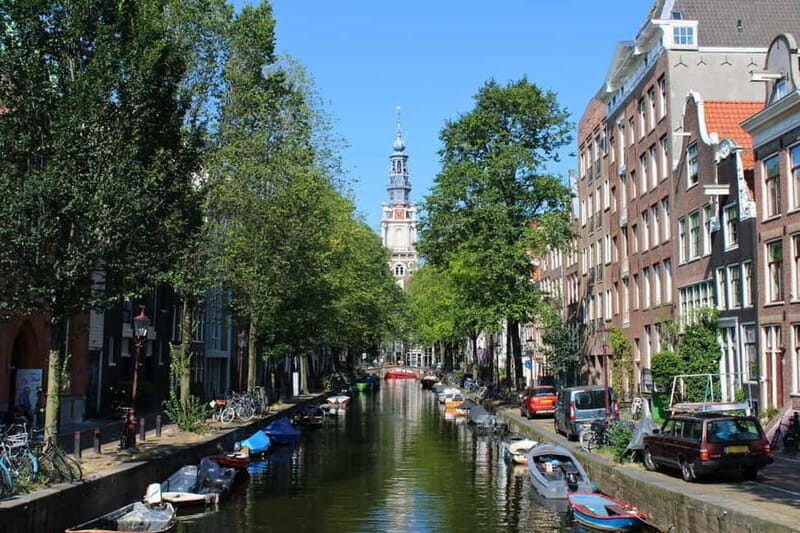
- Monet bridge photo moment where the view lines up with the angle behind his Amsterdam scene
- Dutch Masters connections across Rembrandt, Vermeer, Frans Hals, and Van Gogh, not just one artist
- Amsterdam history through art locations—you learn the city by walking its art-shaped geography
- Plain-language guidance that works even if you do not know art terms
A 2-hour art walk that makes Amsterdam make sense
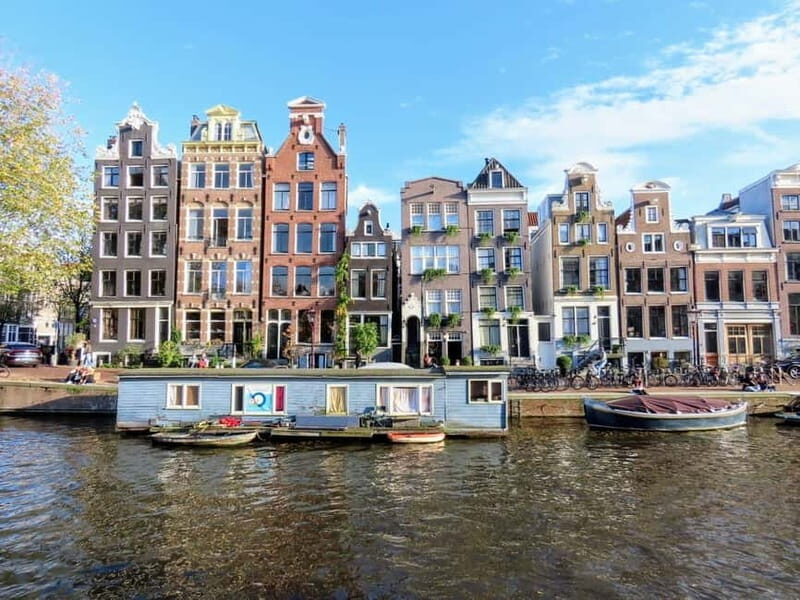
Amsterdam can feel like a postcard machine until someone points out why the streets look the way they do. This tour gives you that “oh, I get it” feeling fast. Instead of treating Dutch painting like a museum-only subject, it connects art to specific places you can stand in—squares, churches, courtyards, bridges, and historic buildings.
You’ll see how Dutch Masters learned to paint their world by using the city itself as their reference library. That matters because Amsterdam is full of images everywhere, from canals to brick facades. When you understand what painters were responding to, those everyday scenes become part of the artwork.
The other smart thing is the guide style. Manouk is noted for making the Dutch painters easy to understand, which is exactly what you want when the names are famous but the details are fuzzy. The tour also mixes art talk with city history, so you are not just memorizing timelines.
You can also read our reviews of more walking tours in Amsterdam

Where the tour starts near Central Station
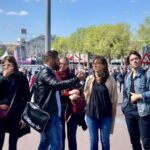
The meeting point is Prins Hendrikkade 95, by the left side of Schreierstoren when you are facing Central Station with your back. The guide holds a sign with the word Guidance, so you should be able to spot them quickly.
This location is convenient because you can arrive from Central Station on foot and still keep your day flexible. You also start close enough to the city’s core that the walk stays easy to follow, even if you’re new to Amsterdam.
The only practical note: because it is a walking tour, you will want comfortable shoes. Amsterdam can look flat on a map, but cobbles and canal-side paths can be harder than you expect.
Nieuwmarkt Square: art connections start in the public places
Nieuwmarkt Square is where the tour shifts from “here are famous artists” to “here is how Amsterdam life fed art.” You’ll get guided sightseeing right in the open, with your guide explaining how painters and patrons moved through the city.
This stop is valuable for orientation. Squares are where people gather, stories circulate, and you can often see architectural styles from multiple eras. In other words, it is a good place for the guide to set the bigger picture: why the Netherlands produced so many master painters, and why those artists mattered in their own time.
You should also expect natural photo moments. If you like taking skyline and street-scene pictures, this is a good early point to start.
Het Trippenhuis: why grand buildings matter to art
Next up is Het Trippenhuis. Even without going inside, the stop works because this is one of those “stop, look, listen” locations. Big, formal buildings in historic cities often reflect wealth, power, and patronage—three things that show up again and again in the Dutch Golden Age.
Your guide’s job here is to connect the architecture and the neighborhood feel to the art world behind it. You’re not being asked to memorize a building history sheet. You’re learning how painters and their audiences were part of the same civic landscape.
A drawback to keep in mind: because museums and private interiors are not included, some people will want more access than an exterior stop gives. If you prefer walking tours that include ticketed building visits, pair this with a museum day later.
Zuiderkerk: the city’s skyline and the artists’ world
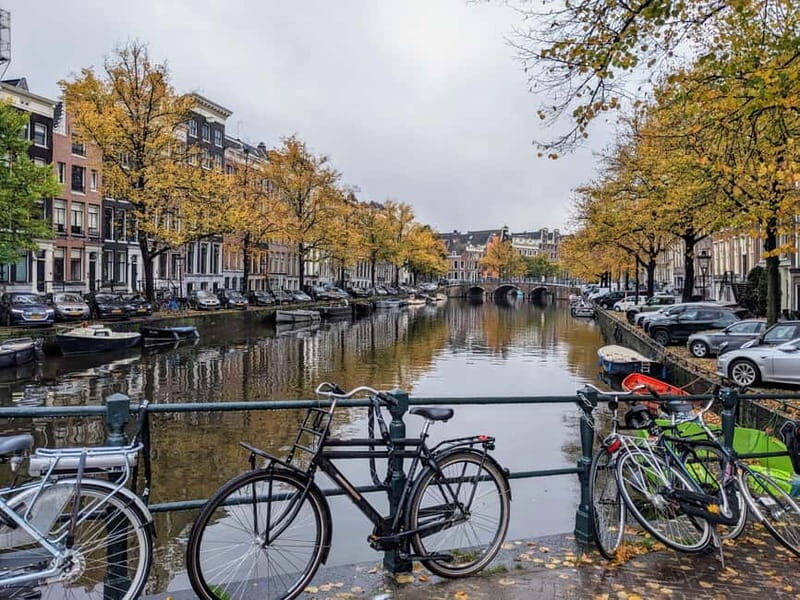
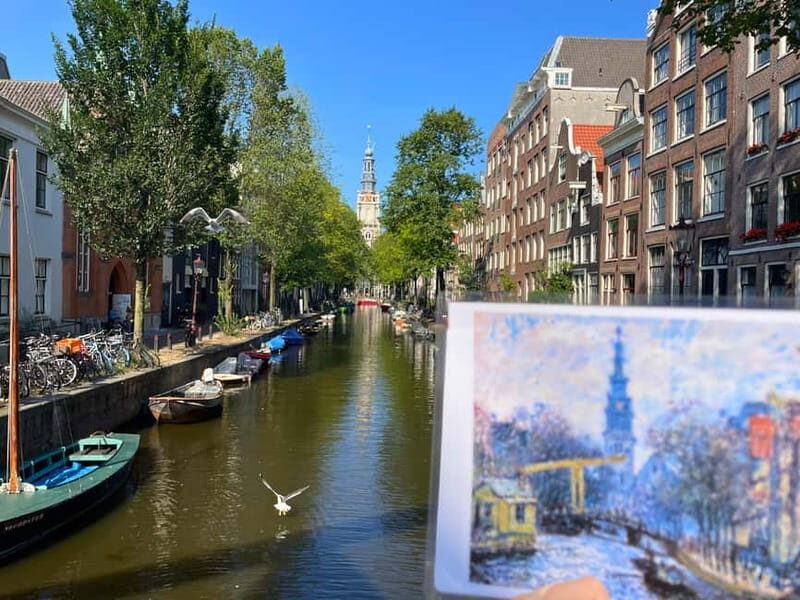
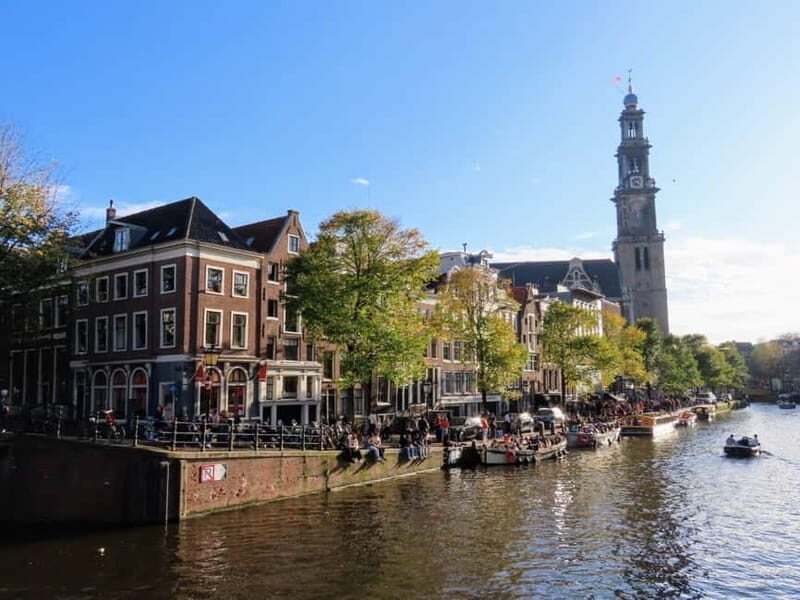
At Zuiderkerk, you get a change of pace: a major church landmark that helps explain the era’s mood. Churches and city institutions played a huge role in Dutch life, and that life shaped what painters were asked to depict and how they used light, mood, and symbolism.
This stop is also a good break for your eyes. Earlier stops are about streets and squares. Here, you get more vertical detail—tower lines, rooftop shapes, and a sense of scale.
If you have never studied how painters used religious and civic themes, the guide’s explanation is where this becomes useful. You start seeing why certain artworks feel moral, dramatic, or deeply human, instead of just decorative.




Rembrandthuis area and the Night Watch story
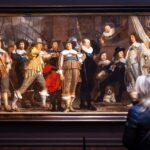
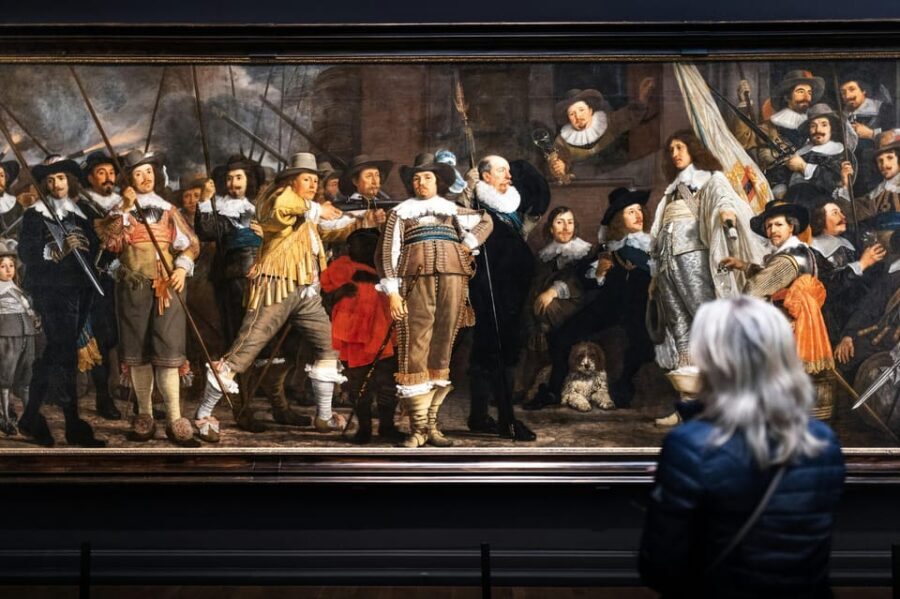
One of the best parts of this tour is the Rembrandthuis stop. Even though entrance tickets are not included, the guide focuses on the location and what it means for Rembrandt’s famous work. The highlight here is the context around The Night Watch—where it was created and why that moment became iconic.
This is the stop where you will likely feel the biggest payoff from doing a walking tour first. A lot of people look at The Night Watch later as a masterpiece they already know. But when you hear how the painting fits into the city and the artist’s working life, it turns into a story you can carry with you.
Practical tip: when you hear the Night Watch talk, pay attention to details your guide mentions about how the painting works—light, figures, and drama. Later, when you see it in a museum (or in photos), you’ll be more ready to interpret what you’re seeing.
Staalmeestersbrug: the Monet-style Amsterdam view
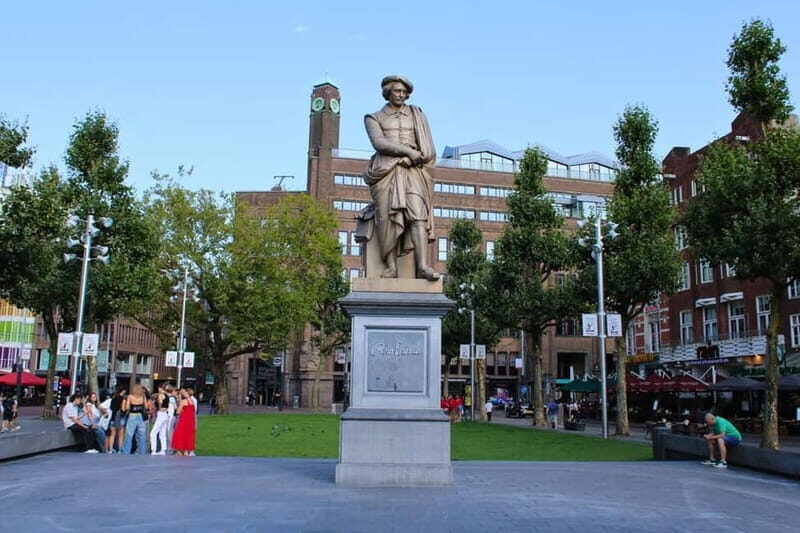
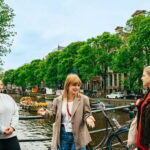
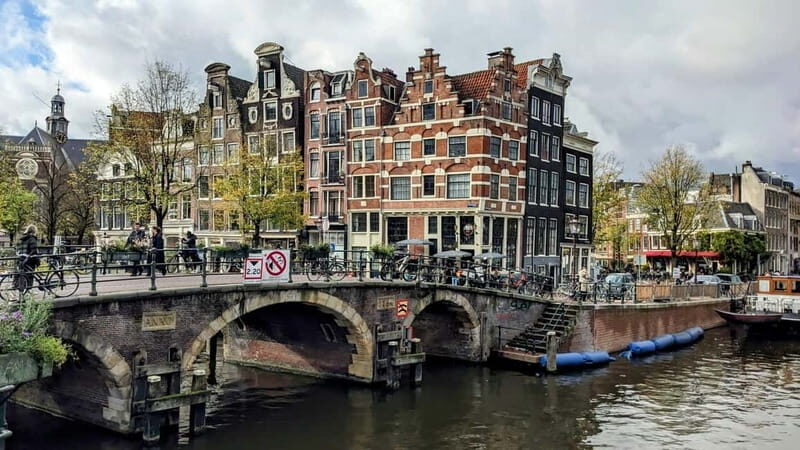
Then you reach Staalmeestersbrug, and the tour leans into something very Amsterdam: bridges, canals, and the way a single view can look like a painting before you even start looking.
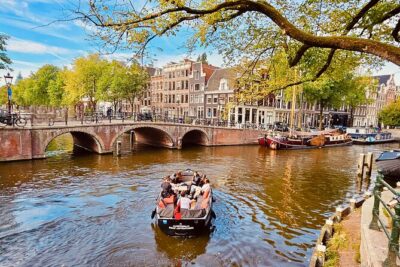
This is the stop tied to the bridge where Monet painted his famous Amsterdam artwork. You do not need to be an art scholar for this to work. Standing here, you get to notice how artists frame a city scene—what they choose to include, how the water reflects, and how the city feels from that particular angle.
The payoff is simple: you get a photo you’ll actually want to keep. Also, you’ll understand why painters kept coming back to the same city motifs. Amsterdam is basically a studio without walls.
One consideration: if you are visiting at peak photo hours, this bridge area can feel busy. The tour pace helps, but plan to take your time and let your guide finish the key explanation before you rush out for pictures.
Oudemanhuispoort and the quieter in-between spaces
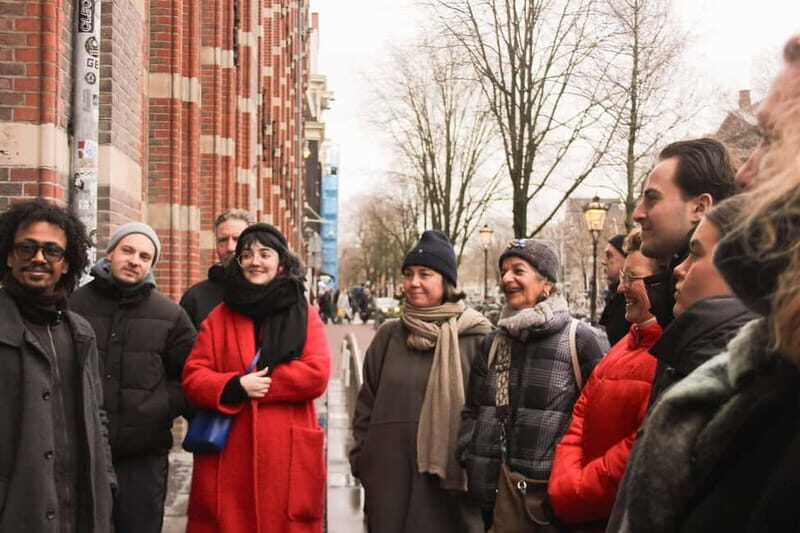
At Oudemanhuispoort, the tour slows down in a way that makes the art story stick. This is an in-between kind of place—less of a main square, more of a passage that feels historical. Those are often the spots where you understand how daily life actually moved through a city.
Your guide uses stops like this to explain why Amsterdam’s physical layout mattered to its artists. Painters did not create in a vacuum. They needed proximity to patrons, markets, neighborhoods, and inspiration you could see on an everyday walk.
This stop is also a nice reset if the earlier landmarks felt like “look at this, then look at that.” If you like slower moments on tours, you’ll appreciate this one.
Tivoli Doelen Amsterdam Hotel: a city landmark with a story link
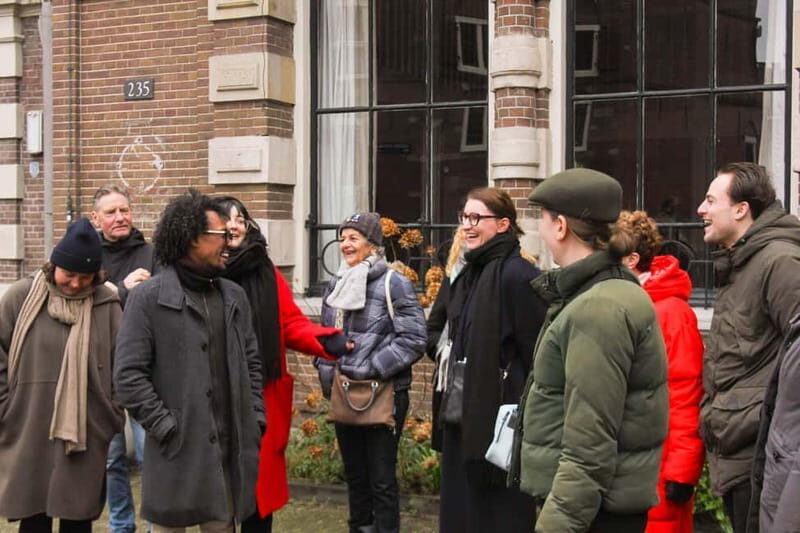
Next is Tivoli Doelen Amsterdam Hotel. The value here is less about a single fact and more about how your guide connects Dutch art history to the city’s evolving landmarks.
Amsterdam changes over time, but the core idea stays: the city’s culture shaped what artists made, and the artworks influenced how people felt about the city. Stops like this help you see that continuity.
If you’re the type who likes architecture and urban texture, this stop is where you might start enjoying the city even more beyond the art names.
Finish at Blauwbrug: wrap-up with a final canal viewpoint
The tour ends at Blauwbrug, which is a smart way to close. Finishing on a bridge gives you one last “artist’s-eye view” before you head off for your own Amsterdam exploring.
This ending point also helps with practical planning. You finish near a scenic area, which makes it easier to continue your day on foot without needing a strict transportation plan.
It’s also a good moment to decide what you want next: museum time, a canal cruise, or a food stop while the art story is still fresh in your head.
What you’ll actually learn about the Dutch Masters
This tour is not only about name-dropping. The goal is to explain why the Netherlands produced so many master painters and why that artistic momentum mattered.
Expect the guide to connect artists like Rembrandt, Vermeer, Frans Hals, and Van Gogh in a way that shows progression rather than isolated genius stories. You’ll hear how 17th-century painting themes and techniques paved a path for later artists, including the French Impressionists (through shared ideas and changing styles).
You’ll also learn that art in Amsterdam was tied to real city life. Patrons, civic culture, religious themes, and the everyday scene all shaped what ended up on canvas.
And here is a key reason this tour is useful for beginners: even if you do not know much about art, the guide’s explanations are designed to make you look at paintings with more interest afterward. Instead of feeling lost, you start recognizing patterns—light, composition, mood, and what the artist is trying to get you to notice.
Photo opportunities and how to use them
There are plenty of photo moments, especially at landmarks like bridges and squares. But the smartest approach is to take fewer photos and watch what your guide is pointing out first.
At the Monet bridge connection, for example, the best photos usually happen when you understand the viewing angle the guide is describing. If you snap instantly, you can miss the point. If you listen for 30 seconds, you get a better shot and a better memory.
A simple trick: after each explanation, pause, frame your photo, and then move on. That keeps the tour story from turning into random sightseeing.
Price and value: $19 for a guided art framework
At $19 per person for about 2 hours, this is priced like a “learn the city” experience, not a pricey museum add-on. You get a local guide with a passion for art, plus guided stops through key landmarks tied to major artists.
Because entrance tickets are not included, the cost is less about museum logistics and more about the value of interpretation. This is where the tour feels like a smart deal: it teaches you how to look.
If you are planning to visit the Rijksmuseum afterward, this tour is a great primer. You’ll have names, stories, and place-based context in your head before you walk into galleries. That usually makes museum time feel shorter, not longer.
Who should book this tour
Book it if you want:
- A short, guided way to connect Rembrandt and Van Gogh to real Amsterdam places
- A beginner-friendly art explanation, especially if you want to understand what you see later
- A morning or afternoon plan that pairs well with the Rijksmuseum
- A wheelchair-accessible walking option with a live English guide
You might skip it if:
- You only enjoy tours that include museum entry and lots of indoor time
- You want a strictly academic art seminar with heavy technical detail
Should you book this Amsterdam art walking tour?
Yes, if your goal is to understand Amsterdam through its painters and leave with a better eye for what you’ll see in galleries. The $19 price is low enough that it feels easy to add on, and the guide storytelling (including the standout Manouk style) is built to help even non-experts follow along.
Keep your expectations matched to the format: you are getting the street-level story, not museum entrances. If you’re okay with that, you’ll get real value fast—especially if you plan to follow up at the Rijksmuseum while the Night Watch and Dutch Golden Age context is still fresh.
FAQ
How long is the Amsterdam Rembrandt & Van Gogh walking tour?
It lasts about 2 hours.
How much does the tour cost?
The price is $19 per person.
Where does the tour start?
Meet at Prins Hendrikkade 95, on the left side of Schreierstoren, facing Central Station with your back. The guide holds a sign with Guidance on it.
Where does the tour end?
The tour finishes at Blauwbrug.
Is the tour in English?
Yes, it is a live tour guide in English.
Are museum entrance tickets included?
No. Entrance tickets for museums are not included, and the tour does not include museum entry.
Is the tour wheelchair accessible?
Yes, it is listed as wheelchair accessible.
Can I get a refund if my plans change?
Free cancellation is available up to 24 hours in advance for a full refund.
Is there a reserve & pay later option?
Yes. You can reserve now and pay later, keeping your plans flexible (pay nothing today).