REVIEW · AMSTERDAM
Learn to Make Dutch Pancakes in a Beautiful Amsterdam Canal House
Book on Viator →Operated by eatwith · Bookable on Viator
A morning in an Amsterdam canal home is a treat. This small-group class lets you make Dutch pancakes from scratch with Fusina in an Amstel-side canal house setting. You also snack on classic Dutch flavors while you learn, not after you’re done.
I love the hands-on pace: you’ll get real practice mixing, baking, and flipping, plus you’ll see the texture difference that makes Dutch pancakes special. I also like that the meal isn’t just “a side salad” energy; it includes starters like herring and a farmers cheese with applesyrup, then moves into apple-and-bacon pancakes and Fusina’s grandmother-style apple pie.
One thing to consider: this takes place in a private home kitchen, not a restaurant classroom. If you’re expecting lots of polished stations, full plates of pancake for every minute, or a strictly cooking-only vibe, this may feel uneven depending on the group and how the session runs.
In This Review
- Key things to know before you go
- Dutch Pancake Flipping in a Real Amstel Canal Home
- Meet Your Host, Fusina, and Settle Into the Lesson
- What You’ll Actually Make: Dutch Pancakes With Apple and Bacon
- The texture trick you’ll learn
- The Dutch Menu Part: Herring, Farmers Cheese, Apple Pie, and Wine
- Starters that set the tone
- The main event: pancakes plus toppings
- Dessert: appleschnitt
- Drinks included with your lunch
- Small-Group Advantage: Why Max 7 Matters in a Home Kitchen
- Family-friendly, with a hands-on vibe
- Price and Value in Amsterdam Cooking Classes
- Finding the Address on the Amstel: Practical Logistics
- Food Restrictions and How to Communicate Them
- Who This Dutch Pancake Class Suits Best
- Should You Book Fusina’s Dutch Pancake Class?
- FAQ
- What is the duration of the Dutch pancake class?
- Where does the class meet?
- Is the class offered in English?
- How many people are in the group?
- What food is included?
- Are both sweet and savory pancakes included?
- Can you get a full refund if plans change?
Key things to know before you go
- Small group (max 7): you get more time and less waiting around.
- Sweet + savory pancakes: you’re making apple and bacon style, not just one flavor.
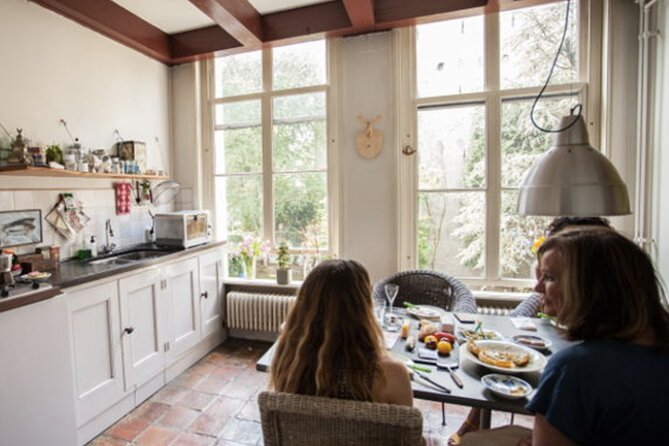
- Canal house setting on the Amstel: the room itself is part of the experience.
- A full Dutch-style meal: starters, lunch, tea/coffee, and a glass of wine are included.
- English-led: the host teaches in English.
- You’re learning thickness and technique: Dutch pancakes sit between French crepes and American pancakes.
Dutch Pancake Flipping in a Real Amstel Canal Home
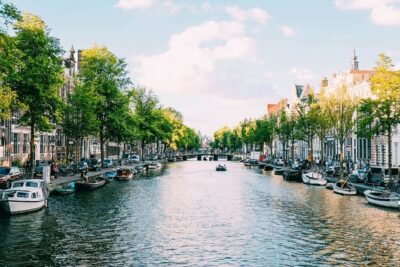
There’s something about stepping into a traditional canal house that changes how you experience food. You’re not in a big tourist hall. You’re in a home on the Amstel, where the lesson feels tied to place, not just a recipe.
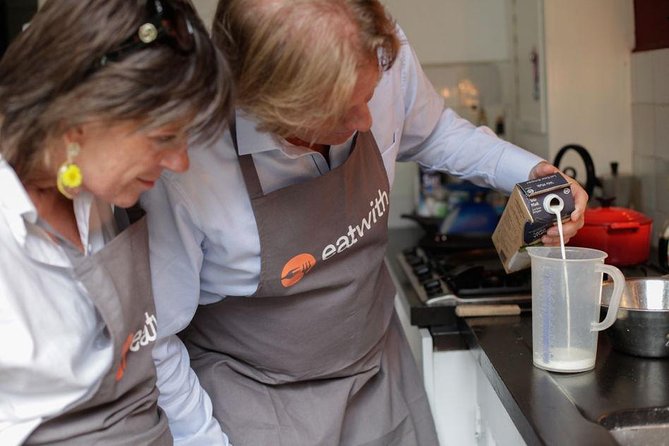
This class is built around a simple idea: learn by doing. You’ll be mixing and cooking, then flipping your pancakes while you’re still in the “learning moment,” not watching from across the room. The best part is that it’s not just one sweet plate either. You get a Dutch table feel, with both savory and sweet.
You’re also starting with the right mindset. Dutch pancakes aren’t trying to be crepes or trying to be fluffy breakfast stacks. They’re their own thing. Expect thicker than French crepes, thinner than American pancakes, and cooked to a flexible, tender bite that folds nicely around toppings.
You can also read our reviews of more tours and experiences in Amsterdam.


Meet Your Host, Fusina, and Settle Into the Lesson
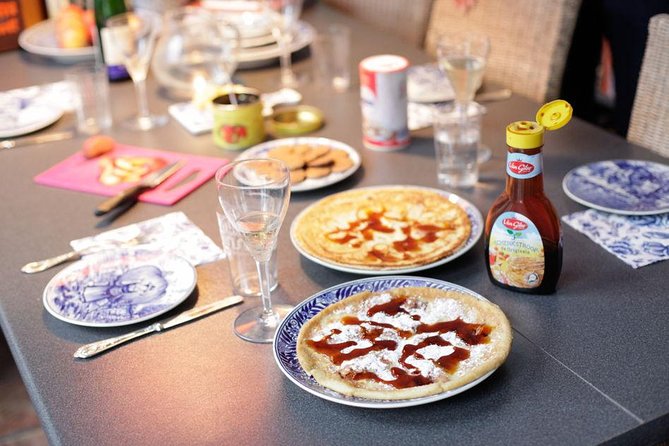
Your host is Fusina, and the tone people tend to describe is warm and personal. In a home setting, you’ll often get more than “step one, step two.” You’ll get context about Dutch food and everyday life in Amsterdam as the cooking gets underway.
That matters because pancake-making is partly technique and partly feel. You can follow measurements, sure. But getting the batter consistency and heat right takes small adjustments. A good host helps you correct quickly, before the pancake is already set and stuck.
Timing-wise, plan on about 2 hours total. That’s not enough time for a long, multi-dish cooking marathon, which is why the menu is compact and the hands-on part stays focused. You’ll go from starters to making your pancakes without the class turning into a long lecture.
What You’ll Actually Make: Dutch Pancakes With Apple and Bacon
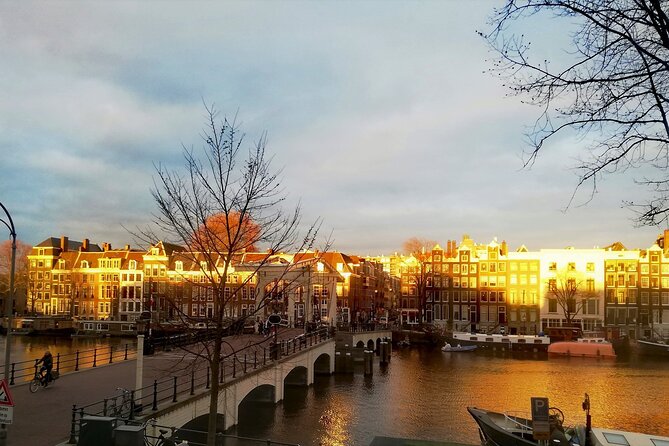
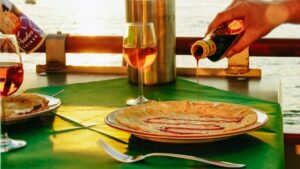
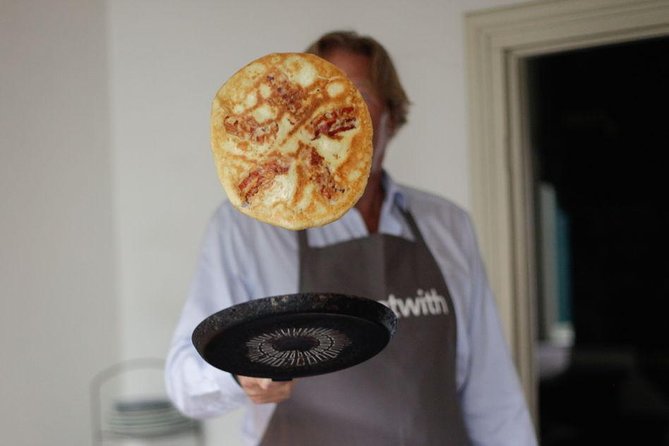
The core of the experience is the pancake lesson. You’ll make the batter from scratch, then take part in the cooking steps: baking and flipping. This is where the class earns its keep. Dutch pancakes are an easy-sounding skill that’s harder in practice if you’ve never worked with a runny batter.
You’ll work toward two flavors:
- Apple and
- Bacon
It’s a smart pairing. Sweet and savory let you practice the same technique twice while still tasting something different each time. Also, bacon changes how you pay attention to heat and timing. Too hot and it oversets. Too cool and it doesn’t integrate well.
The texture trick you’ll learn
Dutch pancakes sit in the middle range. They don’t behave like American pancakes that puff and stay thick. They don’t fold like ultrathin crepes either. You’ll learn how they should look while cooking—thin enough to stay supple, thick enough to hold structure.
If you like food skills that translate back home, this is a good one. After you’ve made Dutch-style pancakes once, you can repeat the approach with your own toppings.
The Dutch Menu Part: Herring, Farmers Cheese, Apple Pie, and Wine
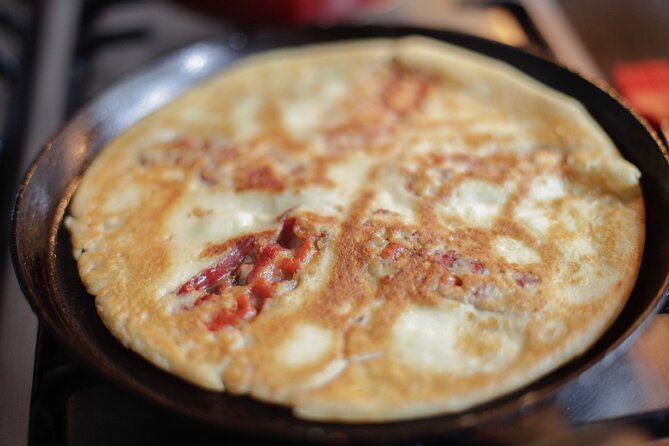
This is not a “tiny snack while we cook” situation. The meal structure is classic Dutch comfort food, and it helps you understand the pancakes as part of a wider eating culture.



Starters that set the tone
Before your pancakes, you’ll try:
- Grass cheese with applesyrup (farmers cheese paired with sweet applesauce)
- Herring with pickles and onions (a Dutch staple that some people treat like street food)
These two starters do two different jobs. Cheese with applesyrup teaches you that Dutch sweet-salty balance is normal, not weird. Herring with pickles and onions gives you a crisp, briny contrast that makes the pancakes feel more like a full meal rather than dessert-by-default.
The main event: pancakes plus toppings
Once your batter and pan skills are in motion, you’ll enjoy the pancakes with the Dutch sides and flavors that go with them. The menu highlights apple-and-bacon style, which keeps the lesson playful but still grounded in tradition.
Dessert: appleschnitt
For dessert, you’ll have appleschnitt, described as homemade apple pie using Fusina’s grandmother’s recipe. This is the part that usually makes the whole class feel “worth it,” because you’re not just tasting Dutch flavors—you’re also getting that family-recipe feeling.
Drinks included with your lunch
Tea, coffee, and a glass of wine are included. That’s a practical bonus in Amsterdam, where simple drinks can add up fast at cafés.
Small-Group Advantage: Why Max 7 Matters in a Home Kitchen
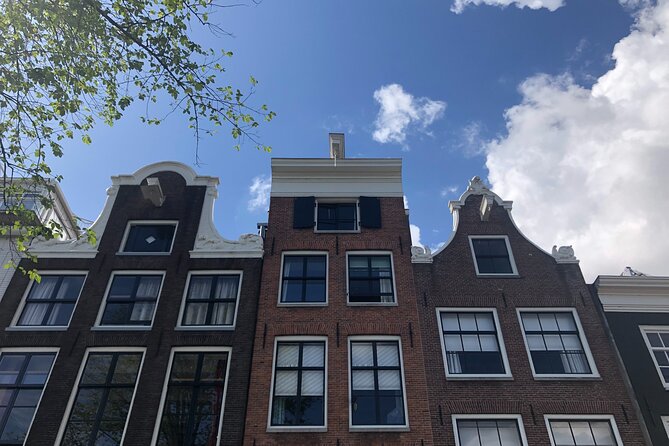
A maximum of seven travelers changes the whole feel of a cooking class. You’re not waiting for someone to finish a step. You’re not standing in a crowd trying to see the batter consistency while someone else blocks your view.
In a private home, space is the limiter. So small group size becomes real value, not just a marketing line. It also helps keep the class interactive, especially when you’re learning how to flip without tearing the pancake.
Family-friendly, with a hands-on vibe
This is described as family-friendly. If you’re traveling with kids, this kind of class can be a great morning break from museums. You get movement, food, and a simple goal you can track: mix, cook, flip, eat.
Price and Value in Amsterdam Cooking Classes
At $108.47 per person for about 2 hours, you’re paying for more than pancakes. You’re paying for:
- a private canal house setting on the Amstel
- a guaranteed small-group class
- multiple Dutch courses (starters, lunch/main, dessert)
- tea/coffee
- a glass of wine
So the question isn’t just what you’ll learn. It’s whether the experience package adds up compared with buying ingredients and eating out in Amsterdam.
If you price this like a normal Amsterdam meal plus a short class, it can start to make sense quickly. You’re also getting the “chef at home” angle, which is hard to replicate with DIY.
That said, if you’re chasing a super structured, restaurant-style course where every participant makes lots of pancake batter on their own, this might not meet that expectation. In some home classes, the flow can mean each person gets fewer final results than they hoped, even if the lesson still teaches the steps.
Finding the Address on the Amstel: Practical Logistics
This activity runs in a specific canal-house location, and the full address is on your confirmation voucher. That sounds basic, but it matters, because some people find the general area and still struggle to spot the exact door.
My advice is simple:
- Check the voucher instructions twice before you head out.
- Arrive with buffer time so you’re not rushing into the start of class.
- If you’re using maps on your phone, compare it with the directions text in the voucher.
Also note: you receive a mobile ticket, and confirmation comes at booking time. Language is English.
Food Restrictions and How to Communicate Them
If you have allergies or dietary limits, you need to communicate them. That’s not just courtesy; it’s practical. The menu includes herring, cheese, bacon, and pie. So you’ll want the host to know what to adjust.
If your needs are complex, message early, not the day of. Home kitchens can handle many swaps, but they need time to plan.
Who This Dutch Pancake Class Suits Best
This class fits best if you want a morning in Amsterdam that’s interactive, flavorful, and grounded in real daily life rather than a museum script.
You’ll probably enjoy it if:
- you like hands-on food experiences
- you want Dutch flavors beyond stroopwafels and fries
- you’re traveling with a group small enough to actually talk and cook
- you want an activity that doubles as a cultural intro to Amsterdam
You might want to rethink if:
- you’re looking for a highly commercial cooking setup with lots of equipment per person
- you expect every course to be equally “yours” to produce from start to finish
- you’re sensitive to a home-style lesson that can include personal stories and conversation beyond pure technique
Should You Book Fusina’s Dutch Pancake Class?
I’d book this if you want a cozy, hands-on Amsterdam morning where the food is properly Dutch and the setting is a real canal house. The combination of flipping pancakes plus tasting herring, farmers cheese with applesyrup, and appleschnitt makes it feel like a complete experience, not a short snack with a cooking demo.
The main “maybe” is the home-kitchen format. If you only trust classes that feel like cooking school with full stations and guaranteed pancake portions per person, this could leave you wanting more. But if your goal is technique, tasting, and the charm of learning in someone’s Amsterdam home, it’s a strong pick.
If you do book, show up early, reread the address directions carefully, and send your dietary notes up front. That’s how you turn a good class into a great morning.
FAQ
What is the duration of the Dutch pancake class?
It lasts about 2 hours.
Where does the class meet?
You meet at the start location listed in the details, and the full address is provided on your confirmation voucher under the Before you go section.
Is the class offered in English?
Yes, it’s offered in English.
How many people are in the group?
The experience has a maximum of 7 travelers.
What food is included?
You’ll have starters, Dutch pancakes, dessert (appleschnitt), tea, coffee, and a glass of wine.
Are both sweet and savory pancakes included?
Yes. The main includes Dutch pancakes with apple and bacon.
Can you get a full refund if plans change?
Free cancellation is available if you cancel at least 24 hours before the experience starts. If you cancel later than that, the amount paid is not refunded.