REVIEW · AMSTERDAM
Your Own Amsterdam: The Art Underground
Book on Viator →Operated by Snurk.Travel · Bookable on Viator
Art hides in Amsterdam’s stations. This private, 2-hour route strings together public artworks with history you can actually see and a station-to-station art lesson. I love the mix of art and archaeology themes, and I like how the tour format keeps it focused on just your group. One catch: metro tickets (9 euros per person) aren’t included, and a few stops also note admission tickets not included.
What makes this feel different is the subject matter. You’ll walk past art that points to Dutch East-India trade and colonialism, then switch to music of the 20th century, then to architecture tied to the Amsterdam School. It’s city culture in transit mode, with the guide connecting the dots instead of letting you wander.
It starts at Stationsplein 13a and ends in Amsterdam-Noord. Based on how the tour is run by guides (including Maria’s patient, clear pacing), you should be ready for lots of explanation, with smart stops rather than long museum detours.
In This Review
- Quick hits: Amsterdam’s Art Underground in practice
- Why Amsterdam’s station art feels like a real local experience
- What $236.59 per person covers (and what costs extra)
- Time plan: about 15 minutes per station stop
- Centraal Station: the artworks that point to trade, tulips, and colonialism
- Rokin Station: 2,000-year-old archaeology under modern feet
- Vijzelgracht and Nieuwemarkt: music and the politics of metro lines
- Noorderpark: Amsterdam School architecture and social change
- Amsterdam-Noord: flora, fauna, and public art in the north
- The guide factor: how Maria turns stations into a story
- Small logistics tips so you don’t feel rushed
- Is this tour worth your time? (Who should book)
- Should you book The Art Underground?
- FAQ
- How long is The Art Underground?
- What does it cost per person?
- Is the tour private?
- What language is the tour offered in?
- What’s included in the price?
- What’s not included?
- Where do we meet?
- Where does the tour end?
- Do I get a ticket on my phone?
- What are the cancellation rules?
Quick hits: Amsterdam’s Art Underground in practice
- Private route for your group with a guided pacing that stays in the right places
- Rokin Station archaeology tied to excavations more than 2,000 years old
- Centraal Station art themes covering tulip mania, Dutch East-India, colonialism, and more
- Vijzelgracht and Nieuwemarkt set the cultural mood with 20th-century Dutch music and metro-line resistance in the 1980s
- Noorderpark architecture focus on the Amsterdam School and its influence on later design and society
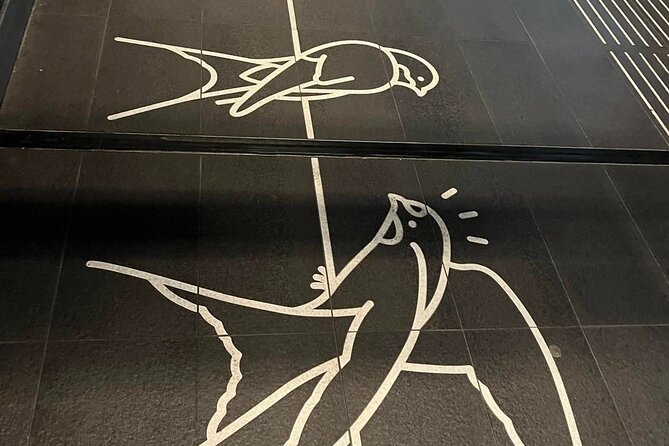
- Amsterdam-Noord links art to nature with public art reflecting flora and fauna
Why Amsterdam’s station art feels like a real local experience
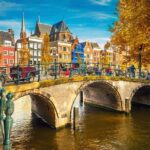
Amsterdam does a clever thing in public spaces: it turns everyday movement into a slow-thinking experience. Instead of treating art as something you only see with a museum ticket, this tour uses the city’s transit settings as a kind of open gallery.
You’ll notice how the themes aren’t random. The artworks and explanations keep circling around how Amsterdam became Amsterdam: trade, culture, planning choices, and even the pushback that shapes what gets built. That makes the whole route useful, not just pretty.
And because it’s private, it doesn’t feel like you’re squeezed into a loud group photo routine. You get time to look closely, ask questions, and hear the story behind what you’re seeing.
You can also read our reviews of more tours and experiences in Amsterdam.


What $236.59 per person covers (and what costs extra)
At $236.59 per person, you’re paying for a 2-hour guided experience focused on specific station stops. The tour includes a guide, uses a mobile ticket, and is offered in English.
Two extra cost items matter for your budget:
- Underground metro tickets are not included and cost 9 euros per person.
- Some stops say admission tickets are not included (you’ll want to plan for that possibility as you go).
So the value question isn’t just the headline price. It’s whether you’ll appreciate the guide-led interpretation of the art and the historical connections. If you like your city tours with ideas behind the visuals, this tends to feel like a good deal for the time.
Time plan: about 15 minutes per station stop
The tour runs about 2 hours and moves you through a sequence of stops where you spend roughly 15 minutes at each one. That pacing is ideal for station art, because it gives you time to read details and still keeps the route from dragging.
It also means you don’t need a full-day plan. If you’re doing a busy Amsterdam itinerary, this slot works well as a focused cultural break between bigger sights.
Centraal Station: the artworks that point to trade, tulips, and colonialism
Your first stop is Centraal Station, where more than ten million people pass each year. That alone sets the tone: the art here isn’t hidden away. It’s designed for crowds on the move, which makes it a stronger statement about what the city wants people to notice.
The guide connects the station’s artworks to themes like local climate and history, plus major Dutch topics including tulip mania and the Dutch East-India era. The route also covers colonialism, which shifts the vibe from scenic to thought-provoking.
I like this start because it gives you a framework before you travel deeper into “underground Amsterdam.” You’re not just looking at art—you’re learning what stories the city is willing to put in front of millions of passersby.
Practical note: this stop indicates an admission ticket is not included. You don’t need to panic, but you should be prepared that you may encounter an extra entry fee depending on exactly how the art is accessed.
Rokin Station: 2,000-year-old archaeology under modern feet
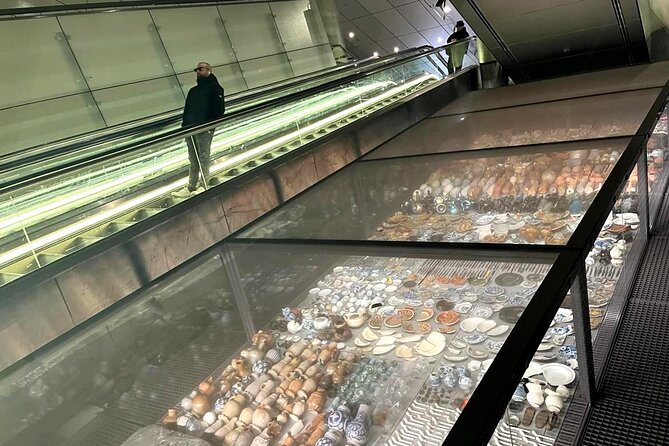
Next is Rokin, where the big idea is archaeology. The tour focuses on excavations found here that are more than 2,000 years old, and how they can tell stories about Amsterdam and its citizens.
This stop works well as an emotional contrast. One minute you’re in contemporary station surroundings; the next you’re thinking about how far back the city’s life goes. It’s a reminder that public art doesn’t just decorate the present—it can point to buried layers of identity.
This is also where the underground theme makes the most sense. The tour isn’t using “underground” as a gimmick. It’s using the physical setting to connect time periods, showing how the city keeps rewriting itself while carrying old evidence forward.
Like Centraal, the Rokin stop notes that admission tickets are not included. Plan for the possibility of an extra fee if you need access to specific viewing areas.



Vijzelgracht and Nieuwemarkt: music and the politics of metro lines
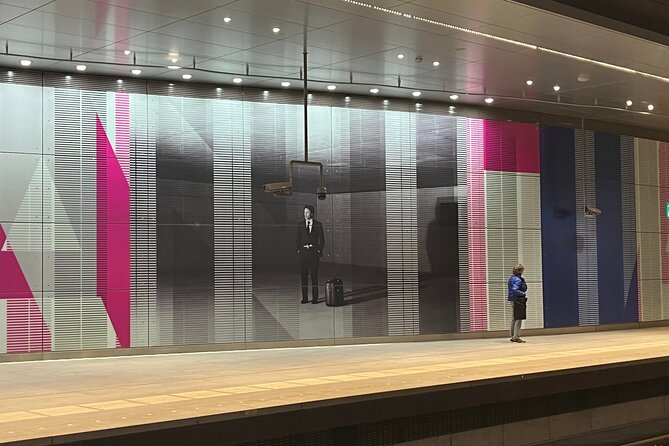
At Vijzelgracht, you shift into culture through sound. The stop focuses on popular Dutch music of the 20th century, which turns a station ride into a mini listening-history lesson—without needing headphones or a playlist.
This kind of theme can be surprisingly memorable because music is an instant time machine. Even if you don’t know every reference, the idea is clear: art in public transit reflects what people shared in everyday life.
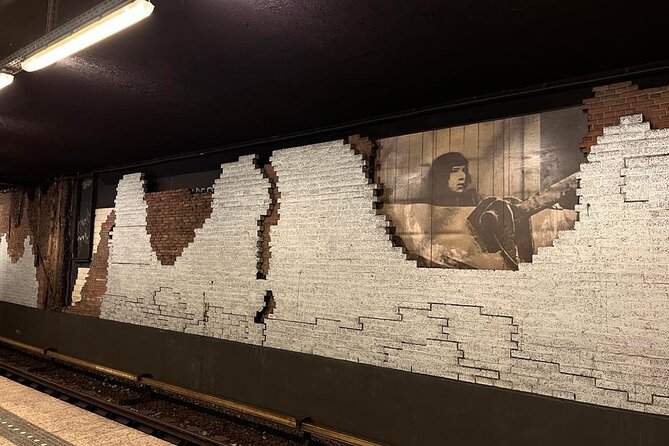
Then you move to Nieuwemarkt, described as an older metro station with a story about public reaction. Here the tour explains why the construction of the first metro lines in the 1980s provoked strong resistance from locals, and how that tension still affects city life.
That’s the part I find most useful for visitors who want more than facts. It shows how infrastructure isn’t just engineering. It’s politics, and it changes neighborhoods in visible ways long after the first protest signs are gone.
Both Vijzelgracht and Nieuwemarkt are marked as admission free on this route, so these stops are easier on your budget than the earlier ones. You can focus on the themes without worrying about extra ticket hurdles here.
Noorderpark: Amsterdam School architecture and social change
The route continues to Noorderpark, where the focus is architectural style: the Amsterdam School and its influence on modern architecture and society. This stop is less about “look at this artwork” and more about understanding a design philosophy and why it mattered.
Why this works in a station-adjacent tour: architecture connects directly to daily experience. Buildings influence how people move, gather, and feel safe. So when the tour frames Amsterdam School as having influence on modern architecture and society, it’s giving you a lens for what to notice later while you explore on your own.
If you like design details—materials, layouts, and the way neighborhoods feel—this stop adds a layer that most art tours don’t include. It’s a chance to treat the city itself as the exhibit.
This stop indicates admission tickets are not included, so again, budget for the possibility of an extra fee depending on how access is handled on the day you go.
Amsterdam-Noord: flora, fauna, and public art in the north
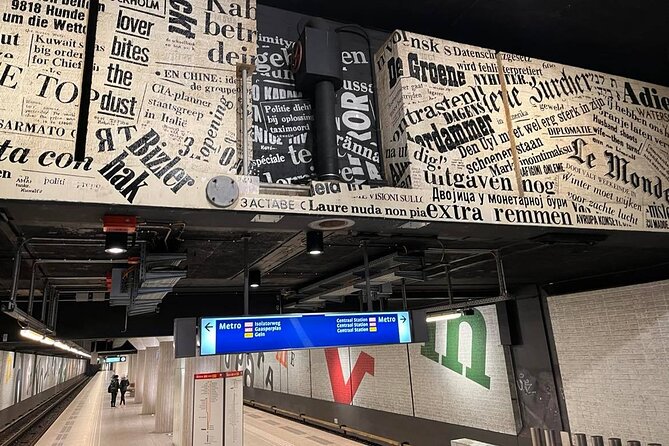
The tour’s final destination is Amsterdam-Noord, with a theme focused on the local ecosystem—flora and fauna—and how that shows up in public art. This is a nice closing move, because it shifts from trade and architecture to nature and living systems.
There’s also a practical benefit. Ending in Amsterdam-Noord helps you finish in a different part of the city rather than snapping back to the central core. If you’re planning more time in the north after, it can make your day feel less repetitive.
This is the stop where you can most easily slow down mentally. The guide’s theme encourages you to look for art that reflects real environmental ideas rather than just decorative motifs.
No admission ticket note is listed as part of the stop detail here, so it’s framed as free on the provided route. That keeps the last stretch smoother.
The guide factor: how Maria turns stations into a story
One standout from the guide experience is the pacing. Maria is described as knowledgeable and patient, and that combo matters on a route like this. Station art is easy to rush past, and if the guide isn’t clear, you end up with photos and no meaning.
Maria also explains how the metro system’s art choices connect to the idea of public decision-making—how art in these spaces can be treated as a democratic choice rather than an elite add-on. That framing makes the art feel less like a random installation and more like a civic statement.
There’s another practical touch that helps you later: Maria points out nearby points of interest, including de Pijp market. Even if you only catch that as a suggestion, it gives you an easy next step after the tour ends.
Small logistics tips so you don’t feel rushed
This is a station-to-station route, so your success depends on being ready to move between points.
- Bring something for reading in English if you like details (the tour is guided, but you’ll spot more if you can pause).
- Budget for the metro tickets cost, since those are not included and are 9 euros per person.
- Wear shoes you’re comfortable walking in. Stations involve stairs and platforms, even when the tour is well paced.
Also, plan your timing around the fact that the tour ends in Amsterdam-Noord. Make sure your onward transport isn’t an awkward rush.
Is this tour worth your time? (Who should book)
This experience is best for people who like art with context. If you enjoy links between visual culture and real-world history—trade, colonialism, music trends, architecture styles, and city planning—this route gives you that connection without turning it into a lecture.
It’s also a good pick if you want a short, high-impact activity. With a duration of about 2 hours, you can fit it into a full sightseeing schedule without losing half a day.
If you’re the type who only likes art when it’s in a museum gallery with quiet rules, you might find this setup a little louder or more “on the way.” The tradeoff is that it’s authentically city life.
Should you book The Art Underground?
I’d book it if you want a focused, guided way to understand Amsterdam through its public art in transit spaces. The themes—tulip mania, Dutch East-India connections, metro-era politics, Amsterdam School design, and nature-inspired public art—are specific enough to feel fresh, not recycled.
But I’d think twice if you hate any extra ticket costs. Between metro tickets (9 euros per person) and the note that some stops have admission tickets not included, your final out-of-pocket cost may feel higher than the base price.
If you like getting a story, not just a stop list, this one is a strong match.
FAQ
How long is The Art Underground?
It’s approximately 2 hours.
What does it cost per person?
The price is $236.59 per person.
Is the tour private?
Yes. It’s private, so only your group participates.
What language is the tour offered in?
It’s offered in English.
What’s included in the price?
A guide is included.
What’s not included?
Underground metro tickets are not included (9 euros per person). Some stops also note that admission tickets are not included.
Where do we meet?
The meeting point is Stationsplein 13a, 1012 AB Amsterdam, Netherlands.
Where does the tour end?
It ends in Amsterdam-Noord, Amsterdam.
Do I get a ticket on my phone?
Yes. It’s a mobile ticket.
What are the cancellation rules?
Free cancellation is available. You must cancel at least 24 hours in advance for a full refund.