REVIEW · AMSTERDAM
Amsterdam: Private World War Two History Walking Tour
Book on GetYourGuide →Operated by Slagveldreizen.nl · Bookable on GetYourGuide
Nazi-occupied Amsterdam isn’t distant history. This private walk brings the 1940–45 German occupation into focus through small-group storytelling and personal Q&A with retired historian guides like Peter Schaapman. I love how you get direct access to the story behind places you might otherwise speed past, but one drawback is that you do not enter the Anne Frank House, the Resistance Museum, or Hollandsche Schouwburg (so tickets there are a separate decision).
The tour is built for people who want the street-level details, not just a highlight loop. You’ll also appreciate the no-audio approach, plus paper notes you can keep, and a pace you control—yes, even at a wheelchair-friendly speed if you email in advance.
One more practical thing: bring an umbrella. Amsterdam weather loves to interrupt plans, and there’s only one built-in break for coffee or a restroom stop halfway through.
In This Review
- Key things I’d mark on your Amsterdam map
- Prinsengracht 263: Starting outside Anne Frank House, then going elsewhere
- Retired historian guides, no audio, and a pace you control
- From German entry to resistance photos: how the story builds block by block
- A key connection: “welcoming” and the immediate shift in power
- Dam Square on May 7, 1945: the shooting incident stop
- The winter of hunger and the brutal mechanics of survival
- A street-level map of Jewish victims, with names and photos
- A statue you might walk past in other tours: the Auschwitz violin player
- Coffee break, restroom timing, and what the pace feels like
- Price and value: $188 for up to 4 people, not per person
- Who should choose this tour (and who might want something different)
- Should you book Amsterdam private WWII history with Slagveldreizen.nl?
- FAQ
- Where is the tour meeting point?
- What time does the tour begin?
- How long is the walking tour?
- Is this a private tour?
- How big is the group?
- What language is the tour guide?
- Is the tour wheelchair accessible?
- Does the tour include refreshments?
- Are museum tickets included?
- What should I bring?
Key things I’d mark on your Amsterdam map
- Up to 4 people, with real conversation instead of a lecture-style march
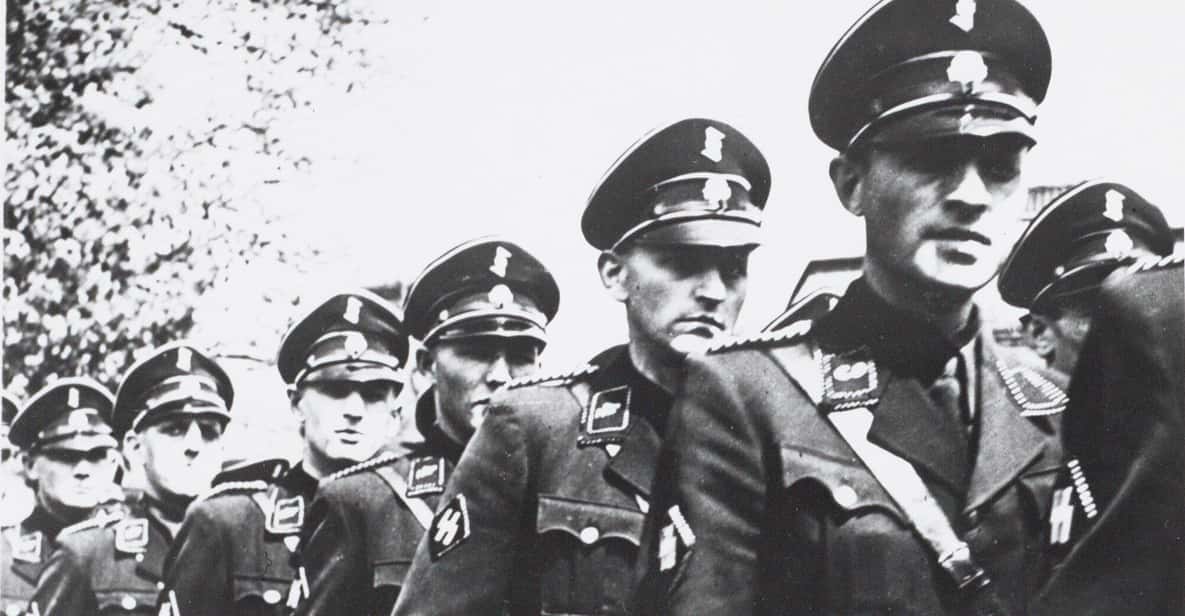
- Wehrmacht entry imagery and historical photos shown in context as you walk
- Dam Square on May 7, 1945, including the shooting incident you might not know to look for
- Winter of hunger realities, including food dropping during the cold season
- A specific Amsterdam street of victims, explained with photos, names, and a small keepsake book
- The Auschwitz violin player statue, and what it represents in the occupation story
Prinsengracht 263: Starting outside Anne Frank House, then going elsewhere
The tour meets at 9:30 A.M. at Prinsengracht 263, right in front of the old Anne Frank House. The meeting spot is easy to find if you follow the simple setup: you’re near the museum area on Prinsengracht, and the guide will be holding a big notebook.
Even though you don’t visit Anne Frank House itself, I like that the tour starts there. It sets a clear frame from the first minute: Jewish Amsterdam and the occupation are not abstract ideas. You’re also in a part of the city where you can quickly shift from today’s canals and storefronts into wartime streets and decisions. If you’ve been to Amsterdam before, you’ll recognize how different this area feels once the guide anchors it in events from 1940 to 1945.
From the start, expect a tone that stays focused and practical. This isn’t a general “war overview.” It’s more like: here’s what happened, here’s where it happened, and here’s why it mattered to the people on the ground.
You can also read our reviews of more walking tours in Amsterdam


Retired historian guides, no audio, and a pace you control
What makes this tour feel different is how it’s run. You’re not stuck in a line with an earbud system piping information into your brain. There’s no audio system. Instead, the guide talks directly to you, and you can ask questions as you go—something that matters a lot for emotionally heavy topics.
The guides are retired historians with a specific passion: the German occupation of Amsterdam during World War II. That specialization shows in the way the walk connects small details—photos, memorials, and named events—to the larger machinery of occupation and persecution.
Also, you’re not locked into one speed. The walk is paced around you, and the route can be adjusted. That’s a big deal if you’re doing Amsterdam with limited stamina or if you’re using a wheelchair. The tour is described as wheelchair accessible, but the important note is that you should email ahead so the guide can factor in the coffee break and the route.
From German entry to resistance photos: how the story builds block by block
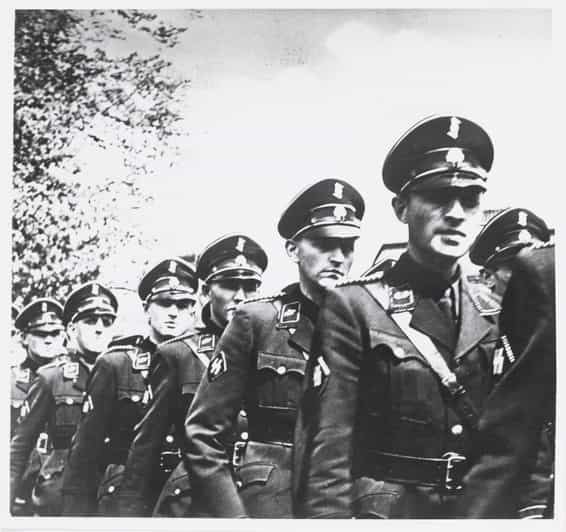
Early in the walk, you’ll look at places connected to the occupation and learn what happened there. One highlight is seeing photos connected to the entry of the German army—the Wehrmacht—and using them to understand how an entire city absorbed the shock of occupation.
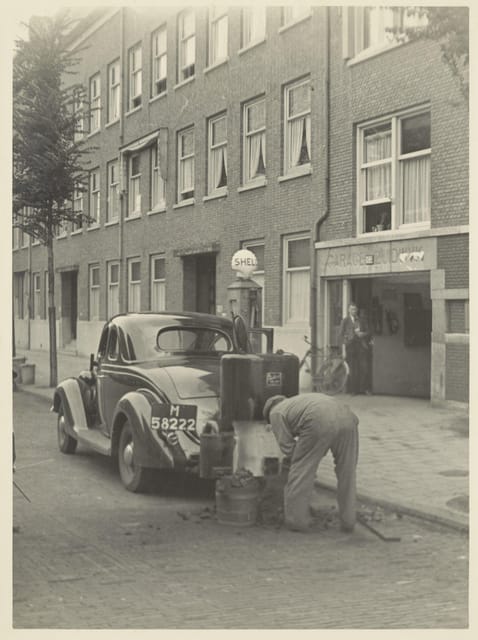
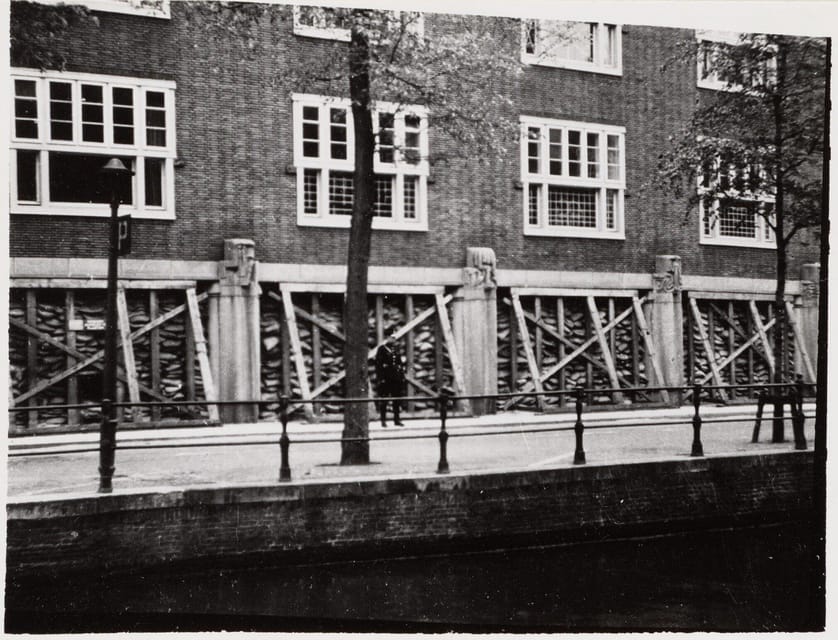
The guide also uses preserved photographs taken by Dutch resistance fighters. You don’t just see a picture and move on. The tour slows down just enough for the guide to explain the background and the “where and why” of each image. That’s the difference between remembering facts and understanding how the resistance documented events under pressure.
As you move, you’ll also hear about resistance monuments and the stories behind them. I like that the walk treats monuments like evidence, not decoration. A memorial isn’t just a place to pause. It’s a compressed record of what people later wanted future generations to understand.
A key connection: “welcoming” and the immediate shift in power
One of the most sobering parts is how the tour handles propaganda and public moments. You’ll learn about the welcoming of the German army at the former town hall, now the Grand Hotel, and later the Canadian army being cheered there. This contrast—celebration then occupation, then liberation—lands hard because it’s tied to one recognizable location.
It also helps you read Amsterdam’s built environment differently. You start seeing the same corners as witnesses to multiple eras, not just scenery.
Dam Square on May 7, 1945: the shooting incident stop
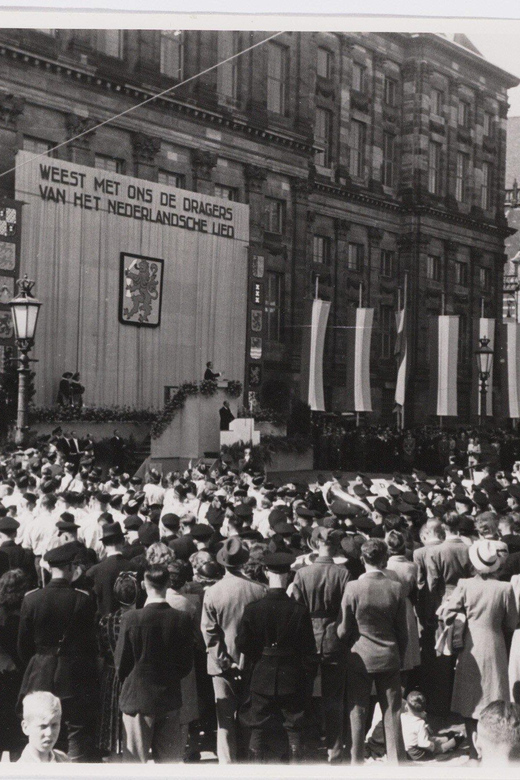
At Dam Square, the guide calls out an event you should know: the shooting incident on May 7, 1945. This is one of those wartime dates that sits near the end of the conflict, yet it still brings violence into the story.
The value here isn’t only in the date. It’s in the way the guide frames Dam Square as more than a postcard location. It’s a public stage—where military forces, civilians, and the chaos of “after” can all collide. By the time you reach the square, you’ve already built context from earlier stops, so the incident feels like the logical consequence of a city in turmoil, not a random tragedy.
If you’re coming from outside the Netherlands, you might expect May 1945 to mean clean closure. This stop gently corrects that assumption. War doesn’t switch off like a light, even when the headlines say it should.
You can also read our reviews of more private tours in Amsterdam




The winter of hunger and the brutal mechanics of survival
Another thread you’ll hear about is the winter of hunger—one of the darkest periods of the occupation. The tour includes the detail of food dropping during that winter, and the guide uses it to explain how survival worked when a city’s normal supply lines were under control of the occupiers.
I appreciate that the guide doesn’t treat this as a detached historical tragedy. The focus is on how people lived moment to moment: shortages, fear, and the constant effort to find enough food. You don’t need to be an expert to follow it, but you do need to be open to discomfort. That’s part of learning the truth behind the city you’re visiting.
This segment is also where the walk feels most human. It’s not only about executions and deportations. It’s about the slow grind of deprivation and the way that grind reshaped daily life.
A street-level map of Jewish victims, with names and photos
One of the most powerful elements of the tour is the decision to zoom in on a single Amsterdam street and the people who lived there. The guide has selected all Jewish residents of that one street and explains where they died—linked to the extermination camps, including Auschwitz and Sobibor.
You’ll see photos and learn the names. The guide also provides a small book made for you, with photos and names you can keep. It’s not a vague remembrance; it’s a structured, traceable list of people and fates.
This is the kind of stop that changes the way you remember a city. Instead of thinking about the Holocaust as a huge number, you’re forced to picture a real place: one street, connected lives, and the end of those lives across the continent.
A practical note: this part is emotionally heavy. You may want to slow your pace mentally and give yourself a moment between explanations—especially if you’re doing this on a packed Amsterdam schedule.
A statue you might walk past in other tours: the Auschwitz violin player
Another memorable stop is the statue of the famous violin player from Auschwitz. It’s not just a symbolic marker. The tour ties it to the broader occupation story and the deportations you heard about earlier.
I like this inclusion because it reaches beyond the usual “camp facts.” You get a concrete, visible reminder of how culture and identity were targeted and destroyed. It also gives you something to point to later when you tell someone what you learned in Amsterdam.
Coffee break, restroom timing, and what the pace feels like
About halfway through the walk, you’ll get a short break for coffee and/or a restroom visit. It’s flexible enough that you can also grab something to eat during that pause—like a late breakfast—if you need it. Refreshments themselves aren’t included, so plan for that small extra cost.
The best part of the timing is that the break comes after you’ve absorbed the most emotionally intense segments. You’ll likely want a few minutes to reset before continuing to the next memorial and photo-based explanation.
Also, this tour lasts about 3 hours, but it can extend a bit depending on the flow of conversation and questions. In practice, that means you’re not being rushed off the sidewalk.
Price and value: $188 for up to 4 people, not per person
The tour costs $188 per group for up to 4 people. That pricing structure matters. If you come with family or friends and can fill the group size, it becomes good value for what you’re getting: a private walk, multiple historian-level perspectives, and a guide who handles questions without the pressure of juggling a large crowd.
Even if you only have two people, the private format still gives you something you usually can’t buy with big-group tours: tailored pacing and real back-and-forth. And you’re not paying extra for an audio system, because there isn’t one—this experience is built on direct guiding.
What’s not included is drinks during the coffee stop, and museum ticket costs aren’t included for sites you do not visit anyway. So I’d budget a little for refreshments and consider any separate museum plans you want to add to your Amsterdam day.
Who should choose this tour (and who might want something different)
I’d steer you toward this tour if you:
- want a private, small-group WWII walking experience
- enjoy learning from photos, memorial context, and street-level details
- are comfortable with dark subject matter and want a focused, guided explanation
I’d think twice if you’re only interested in the headline names and want a single big museum day. This tour intentionally avoids Anne Frank House, the Resistance Museum, and Hollandsche Schouwburg, and it also doesn’t include museum tickets for those places.
It’s also a good fit if you like off-the-beaten-path experiences. The whole idea is to connect the city’s physical corners—squares, hotels, canalside streets, and memorial points—to what happened under occupation.
And if you’re the type who gets satisfaction from understanding the “why” behind a monument, you’ll probably enjoy how the guide treats memorials as evidence rather than as decoration.
Should you book Amsterdam private WWII history with Slagveldreizen.nl?
If you want a serious, human-scale way to understand Nazi-occupied Amsterdam, this is a strong booking. The small group size, the no-audio direct approach, and the historian-led storytelling with paper keepsakes make it feel personal instead of generic.
It’s also a smart choice if you want depth in about three hours. You get key stop points like Dam Square and May 7, 1945, plus the winter of hunger, plus the street-level memorial work with names and photos, and the Auschwitz violin player statue. That’s a lot of grounding in one walk.
Book it if you’re ready for real history and you want to leave with specifics you can remember later. Skip it if your priority is only certain museum entries, because this is designed to complement the city rather than replace those major indoor stops.
FAQ
Where is the tour meeting point?
It starts at 9:30 A.M. in front of the old Anne Frank House at Prinsengracht 263.
What time does the tour begin?
The start time given is 9:30 A.M.
How long is the walking tour?
The duration is about 3 hours, and it may extend a bit.
Is this a private tour?
Yes. It’s a private group.
How big is the group?
The group size is never more than 4 people.
What language is the tour guide?
The tour is offered in English.
Is the tour wheelchair accessible?
Yes, it’s described as wheelchair accessible, and you’re advised to email in advance so the guide can account for the coffee stop and route.
Does the tour include refreshments?
Coffee and/or a restroom break are provided, but refreshments during the coffee stop are not included.
Are museum tickets included?
No. Tickets for museums like Anne Frank House, the Resistance Museum, or Hollandsche Schouwburg are not included.
What should I bring?
Bring an umbrella, since it’s a walking tour in Amsterdam weather.