REVIEW · AMSTERDAM
3-course Dinner in the Dark Amsterdam
Book on Viator →Operated by Ctaste Amsterdam · Bookable on Viator
Eat Amsterdam by taste alone. This 3-course dinner in the dark flips the usual rules of eating: you pick your meal in a lighted lounge, then slide into pitch-black dining where blind or visually impaired waiters guide you. I love the way the staff make you feel safe and supported without taking over your experience. I also like the challenge of relying on flavor, smell, and texture when sight is gone. One possible drawback: the food is intentionally hard to identify, and if you want labels and instant recognition, the dark can feel frustrating, especially if the room is chilly.
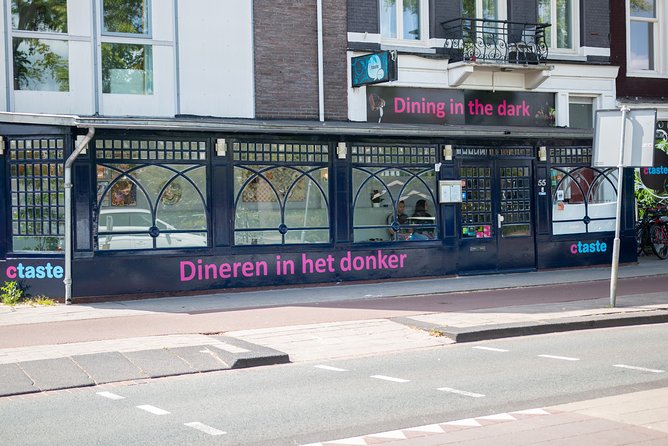
The whole evening runs about 2 hours, and the group stays small, up to 5 people, which keeps it more personal than a typical restaurant scrum. You’ll meet at Amsteldijk 55, and you’ll be close to public transport, so you’re not locked into a long trek after dinner.
What you get for the price is a true meal: 3 courses plus 2 amuse bouche with a private table. Drinks and water are not included, cameras and phones go into a personal locker, and restrooms are in the light, so plan ahead.
In This Review
- Key things to know before you book
- Arriving at Amsteldijk 55 and getting set for darkness
- Choosing your meal in the light lounge
- The blind waiters: service, reassurance, and real conversation
- Your 3-course meal in pitch-black: what works and what to watch
- Taste first: what the experience does to your palate
- Price and value: what $59.61 buys (and what it doesn’t)
- Who this dark dinner suits best (and who should reconsider)
- Practical tips so the meal feels fun, not stressful
- Should you book the 3-Course Dinner in the Dark Amsterdam?
- FAQ
- How long is the 3-course dinner in the dark?
- Where does the dinner start?
- What’s included in the ticket price?
- Are drinks and water included?
- Can I take photos or use my phone during the dinner?
- Are restrooms available during the dark portion?
- Is there a dress code?
- Are children allowed?
- Can I bring a service animal?
- Should I cancel?
Key things to know before you book
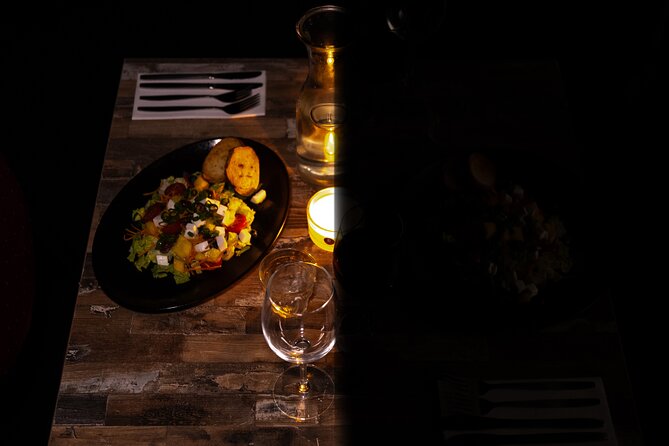
- Pitch-black dining room: You’ll be seated in full darkness after choosing your menu.
- Blind or visually impaired waiters: They’re trained for service in the dark and offer reassurance as you go.
- Small group size: Maximum of 5 travelers, with a private table.
- Light lounge first: Coats/bags check in a lighted area, then you’re guided into the dark.
- Most travelers can participate: Service animals are allowed, and kids 6+ usually understand the concept.
Arriving at Amsteldijk 55 and getting set for darkness
Your dinner starts at Amsteldijk 55 (1074 HX Amsterdam), and the experience immediately changes how you move. You’ll be welcomed in a lighted lounge area first, where you can check your coat or bag in the cloakroom. That matters because once you’re taken into the dining room, you’re meant to rely on senses other than sight.
Before you go in, do a quick practical sweep: phones and cameras are kept in a personal locker during the dinner. That’s not just a rule; it helps keep the lighting consistent so the dark stays truly dark. Also, you’ll want to avoid wearing white clothes, since the lighting and contrasts in and out of the dark can get a bit strange.
Restrooms are in the light, so use them before you’re guided into the pitch-black room. If you’re the kind of traveler who hates interruptions, this is one of those small details that prevents stress later. One more note: if you’re expecting a lot of personal downtime, this is a guided, sensory experience, not a free-form meal.
Finally, plan your timing with Amsterdam in mind. The format depends on the group staying together, and it runs about 2 hours. If you’re late, you’ll likely make the session harder for staff and harder for yourself.
You can also read our reviews of more tours and experiences in Amsterdam



Choosing your meal in the light lounge
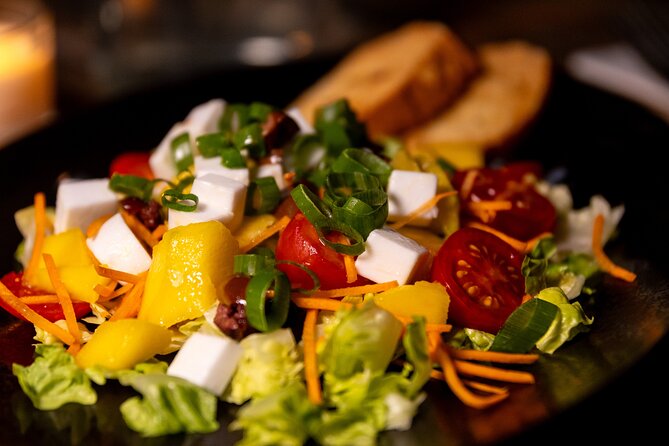
Here’s the rhythm that makes this work: you select your meal from an illuminated selection outside (then you step into the dark). That two-step setup is smart. It gives you control before the sensory challenge starts, without letting you cheat once the room goes dark.
The dark dinner is built around cosmopolitan international cuisine. You’re not just eating; you’re decoding. In the light, you can decide what to try. In the dark, you focus on taste, smell, and texture—things you usually ignore when you can just look.
You should also know what’s included versus not included. The meal includes 3 courses, plus 2 amuse bouche, and you’ll have a private table. Drinks and water are not included, so if you want wine or beer with dinner, budget for it separately. Extra courses (like items such as sorbet or cheese, mentioned as examples of extras) are also not included.
Candle details matter too. The experience notes that a candle is not optional, which hints that the room setup may rely on controlled, minimal light sources. The key point for you: do not expect full freedom to manage the lighting. Expect the experience to manage it for you.
The blind waiters: service, reassurance, and real conversation
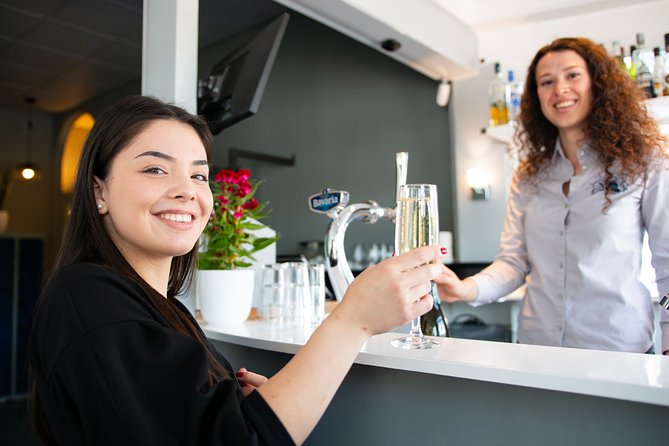
This is the main ingredient. After you’re guided into the pitch-black dining room, blind or visually impaired waiters deliver your courses. They’re specially trained for this, and their job isn’t only to serve food—it’s to reduce anxiety and keep the experience flowing.
What you gain is a different kind of attention. Instead of speed and multitasking, you get calm guidance: where to sit, when a course arrives, and reassurance if you feel lost. Multiple notes from past diners point out how comfortable the staff can make you feel, even when you’re guessing everything from textures to temperatures.
There’s also a social side. Some people enjoy chatting in the dark because the setting changes how conversations work. You might find your group talk more, not less, because there’s less opportunity to “check your screen” or glance around.
One thing to note: you’re not dealing with strangers who just happen to be blind. The staff are trained specifically for this format. Service animals are allowed, so if that applies to you, plan to bring them without worrying that the concept conflicts with rules.
And just to set expectations about the menu: the experience states that organs, bones, fat, insects, or other extreme ingredients are never served. That’s helpful if you’re curious but cautious about what dark dining sometimes gets famous for.
Your 3-course meal in pitch-black: what works and what to watch
You’ll be seated in pitch black for all the main eating. In a normal restaurant, the plate does half the work: you identify the dish, pick at it confidently, and check portion size by sight. Here, you rely on taste and texture first, and sight stays out of the picture.
What works best is when you treat it like a game with training wheels. The staff serve and guide, but you’re still the one doing the sensory detective work. Many diners love how the experience heightens smell and touch once you adjust to the dark. Once your brain stops fighting the lack of visuals, your senses can feel sharper.
But let’s be honest about potential friction. One lower-rated experience complained that the food was hard to identify and that it was nearly impossible to eat with the provided silverware. That’s a real risk category: if the cutlery or the food format doesn’t suit you, you’ll feel it more in the dark.
Also, expect slower moments between courses. A positive note called out that the dinner was fun, but the time between courses felt long. Another note said the restaurant can run chilly. Those two details point to a simple practical tip: bring a layer. Even if Amsterdam is mild, a dark room with a small group can feel colder than you expect.
One more small wrinkle: an infrared photo was mentioned on a booking page in one experience, but the waiter didn’t seem to know anything about it. Since infrared photos aren’t listed as included, don’t assume it’ll happen. If you care, ask ahead of time.
Finally, some evenings seem to add an optional quiz where you guess what you ate. That sounds like a fun way to close the night, especially if you like learning. But treat it as an extra, not the core guarantee.
Taste first: what the experience does to your palate
This dinner is built for a specific psychological shift: when sight is removed, you notice what you usually miss. Flavor becomes more detailed. Texture becomes a clue. Temperature and aroma do more work than they normally do in a bright dining room.
The meal is also designed to feel “cosmopolitan international.” In practice, that means you’re likely to recognize broad style cues even if you can’t see the dish. You’re not in a survival situation; you’re in a sensory experiment with good food and structured courses.
The two amuse bouche matter here. They’re your warm-up act. In the first bites, you start recalibrating your senses. You learn how the dark affects your ability to detect saltiness, acidity, and spice. If the amuse bouche are well-paced, you’ll feel more confident moving into the main courses.
On the other side, the dark can hide your ability to appreciate presentation. That can lower satisfaction for people who eat with their eyes first. In one critical review, the diner felt the food was unidentifiable and not enjoyable enough for the price. That doesn’t mean the meal is bad across the board, but it does tell you what the dark setup is likely to do to your expectations.
So my advice is simple: go with curiosity, not cravings for instant clarity. If you’re expecting the restaurant to identify every dish for you, you might leave slightly annoyed.
You can also read our reviews of more tours and experiences in Amsterdam





Price and value: what $59.61 buys (and what it doesn’t)
At about $59.61 per person, you’re paying for a full 3-course dinner plus 2 amuse bouche, served by trained blind staff in a controlled pitch-black setting. You’re also paying for the experience design: a small group, a private table, and a staff workflow built around darkness.
Is it cheap? No. Amsterdam dinners can cost plenty, especially when you add a curated service format. But your money is buying more than plates. You’re buying the labor skill of trained waiters, the setup of the dining environment, and the “no sight” constraint that turns eating into a structured sensory event.
What’s not included is the stuff that often inflates restaurant tabs: drinks and water. If you plan to order wine or cocktails, treat this as a base meal price, not a full evening budget.
Also, you won’t get extra courses listed as optional add-ons. If you love tasting menus and you’re the kind of person who always wants one more bite, you may find the fixed menu a bit limiting. The dark dinner is more about the experience than about unlimited food.
Finally, group discounts can apply (not guaranteed for every booking), but the key value driver is the small-group, private-table setup. For a couple or small group, that can feel like good value compared to bigger, more chaotic dining experiences.
Who this dark dinner suits best (and who should reconsider)

This is best for people who enjoy experiments and the feeling of learning something new without a lecture. If you like food, but you also like being challenged, you’ll probably have a great night. The dark format also makes it easier to slow down and pay attention—sound, smell, touch, and taste suddenly become the whole show.
It’s also a solid choice for travelers who want a story they can’t buy anywhere else. You’ll remember how it felt to navigate a meal without sight far more than you’ll remember the exact menu details.
Who might not love it:
- If you get anxious in dark spaces, the setup may feel stressful even with staff reassurance.
- If you need to identify foods by look to stay happy, you may find the anonymity frustrating.
- If you dislike cold rooms, you should plan for the chilling note and bring a warm layer.
Good fit by traveler type:
- Couples looking for something different in Amsterdam
- Small groups that want calm, guided interaction
- Foodies who love texture and aroma
- Families with kids 6+ who can follow directions and understand the concept
Practical tips so the meal feels fun, not stressful
A few small moves can make the difference between a great night and an annoying one.
First: arrive a little early. The early light lounge is part of the experience flow, and it helps you settle in. Second: use the restroom before you’re guided into the dark dining room.
Third: dress for a chilly room. Past notes mention the restaurant can be cold. A light jacket or layers helps a lot. Also avoid white clothes to prevent weird contrast issues and keep the setting as intended.
Fourth: accept that you can’t rely on photos or your phone. Your device goes into a locker, so don’t plan on documenting every bite. Instead, think about describing the flavors to each other after each course.
Fifth: if you want more menu clarity afterward, you might ask on the spot if a menu recap is available. One diner wanted a copy after the meal, so your best bet is to request what’s possible during your session.
Sixth: skip expectations about infrared photos. Since they’re listed as not included and the experience seems inconsistent, don’t plan around it.
Should you book the 3-Course Dinner in the Dark Amsterdam?
Yes, if you want an Amsterdam evening with a real twist and you’re comfortable trading convenience for sensory discovery. The core value here is the combo of pitch-black dining plus trained blind waiters plus a small group and private table. That structure turns dinner into something you’ll talk about long after you’re back on the tram.
I’d book it with two mental guardrails. One: the dark can make dishes harder to identify, so go in ready for a guessing game, not a tasting-menu lecture. Two: bring a layer, because the room can feel chilly and the time between courses can be a bit long.
If that sounds like your kind of fun, this is a memorable choice.
FAQ
How long is the 3-course dinner in the dark?
The experience runs about 2 hours.
Where does the dinner start?
You start at Amsteldijk 55, 1074 HX Amsterdam. It ends back at the meeting point.
What’s included in the ticket price?
It includes a 3-course dinner in the dark, 2 amuse bouche, and a private table.
Are drinks and water included?
No. Drinks and water are not included.
Can I take photos or use my phone during the dinner?
No. Mobile phones and cameras are kept in a personal locker during the dinner.
Are restrooms available during the dark portion?
All restrooms are in the light. Plan to use them before you enter the pitch-black dining room.
Is there a dress code?
You’re advised not to wear white clothes.
Are children allowed?
Children from 6 years and up will likely like and understand the dining experience.
Can I bring a service animal?
Yes. Service animals are allowed.
Should I cancel?
Free cancellation is available up to 24 hours before the experience for a full refund. Canceling less than 24 hours before start time doesn’t get refunded.