REVIEW · AMSTERDAM
Amsterdam: 3 Course Dinner in the Dark
Book on GetYourGuide →Operated by Ctaste - dining in the dark · Bookable on GetYourGuide
Dinner gets real fast when the lights go out. This 3-course dinner in the dark in Amsterdam turns eating into a full-senses exercise, with specially trained blind waiting staff guiding you step by step. You start in a lighted lounge, then you’re led into pitch-black dining where taste, sound, and touch do the talking.
I especially like the human side of it: the staff are calm, patient, and there to reassure you. I also love that the meal isn’t just a gimmick, because you get 2 amuse-bouches plus three courses at a private table. One possible drawback: once you’re seated in the dark, it can be harder to flag down a waiter quickly, and the room temperature can feel chilly.
In This Review
- Key Things I’d Book This For
- Why Amsterdam Makes This Work: Dinner as a Sensory Skill
- Before Dinner: The Lighted Lounge, Cloakroom, and Rules That Matter
- Going Dark: How the Staff Keep You Calm and Moving
- The 3-Course Meal: What You Get and How It Usually Feels
- Private Table vs. Group Energy: The Social Side You Can Control
- Price and Value in Amsterdam: What $56 Really Buys
- Getting There Smoothly: Amsteldijk 55 Without Stress
- Who Should Book It (and Who Should Think Twice)
- Practical Tips for a Better Night in the Dark
- Should You Book This Amsterdam Dinner in the Dark?
- FAQ
- How long is the dinner experience?
- What’s included in the price?
- What does the $56 price not include?
- Is the restaurant pitch-black the whole time?
- Where is the meeting point?
- How do I get there using public transport?
- Is it wheelchair accessible?
- Are phones or cameras allowed during the dinner?
- Are pets allowed?
- Do they serve extreme ingredients like organs or insects?
Key Things I’d Book This For
- Blind-led guidance that helps you feel comfortable fast, even if you’re nervous
- Pitch-black dining where you learn how much sight usually runs the show
- A complete 3-course meal plus two amuse-bouches for pacing and variety
- Private-table experience so you can focus on the sensations, not the crowd
- No phones or cameras once dinner starts, which keeps the moment actually about food
- Restrooms in the light, so you always have a safe reset point
Why Amsterdam Makes This Work: Dinner as a Sensory Skill

This isn’t a flashy “look at me” dinner. It’s a structured night where the point is to change what your brain uses to identify food. In normal restaurants, sight controls so much: color, plating, even how fast you expect flavors to show up. In the dark, your mouth and ears take the lead.
What makes the experience especially worthwhile is the role of the staff. You’re not left to guess. Blind or visually impaired waiters guide you with reassurance, plus they know how to explain what’s coming without making it awkward. That matters, because the first minute in pitch-black can feel strange.
There’s also a quiet social benefit. You’re seated at a private table and the focus is on eating, not performing. You may notice that the room feels calmer than a typical Amsterdam dinner—people tend to talk less and taste more.
You can also read our reviews of more tours and experiences in Amsterdam



Before Dinner: The Lighted Lounge, Cloakroom, and Rules That Matter
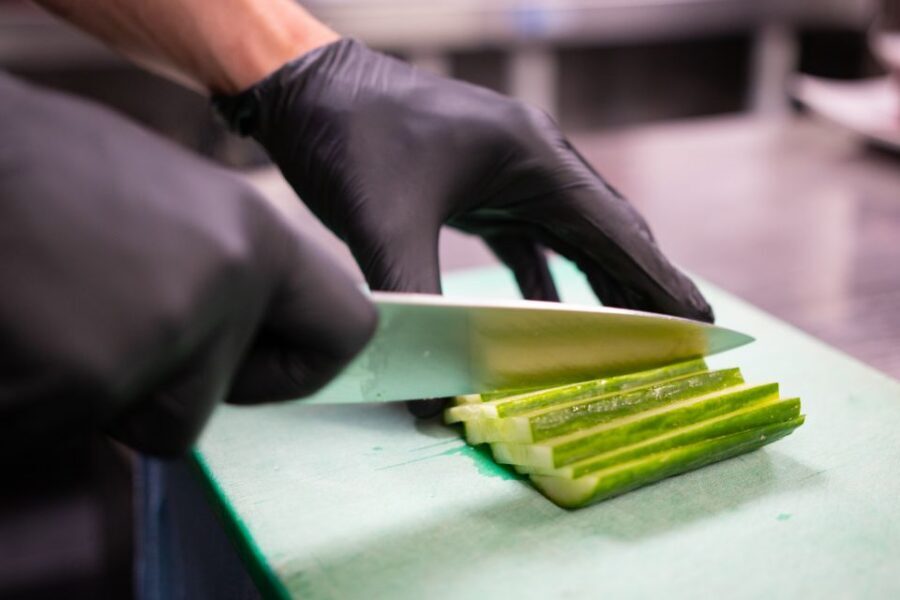
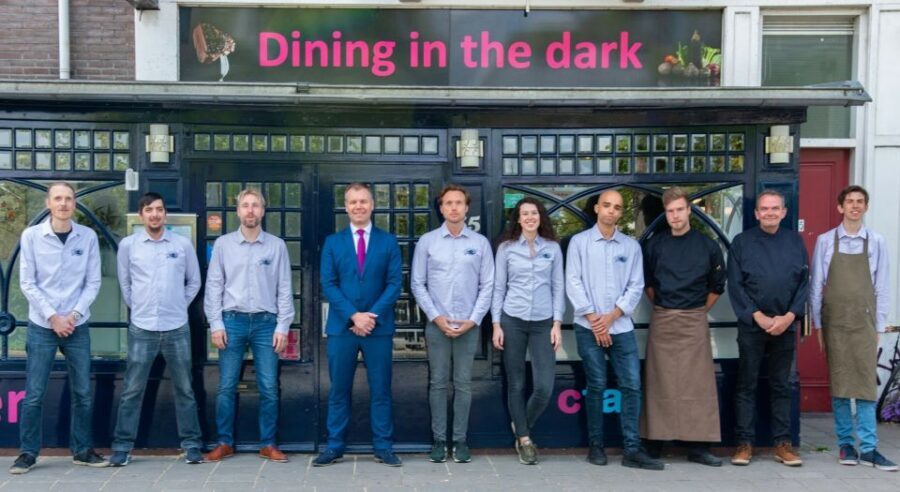
You meet at the restaurant at Amsteldijk 55. The building starts you off in a lighted lounge area, which is smart. It gives you a minute to breathe, settle, and get your bearings before the dark starts.
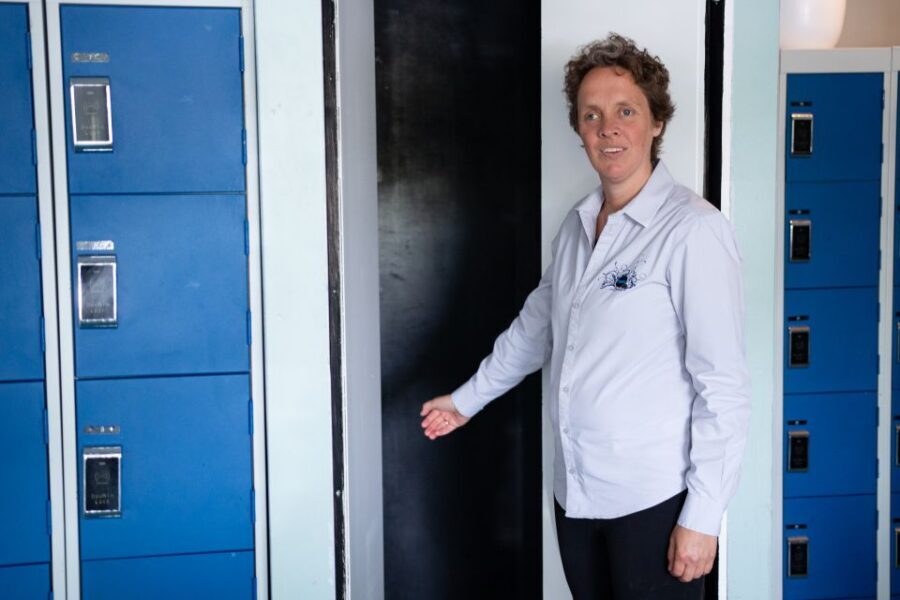
Check your coat or bag in the cloakroom. The whole idea is that you won’t need personal items during the meal. You’re also asked to put mobile phones and cameras in a personal locker. That’s one of those small rules that makes a big difference: it stops the usual dinner habit of filming everything and it helps you stay present.
If you want an aperitif time, there’s time for that before you go into dinner. After ordering, you’ll be guided into the darkened dining room. From there, the experience becomes very different from a standard restaurant rhythm.
One practical note: rest rooms are in the light. So if you need a break, you’re not trapped. You can reset your senses without the full stress of staying in darkness the whole time.
Going Dark: How the Staff Keep You Calm and Moving
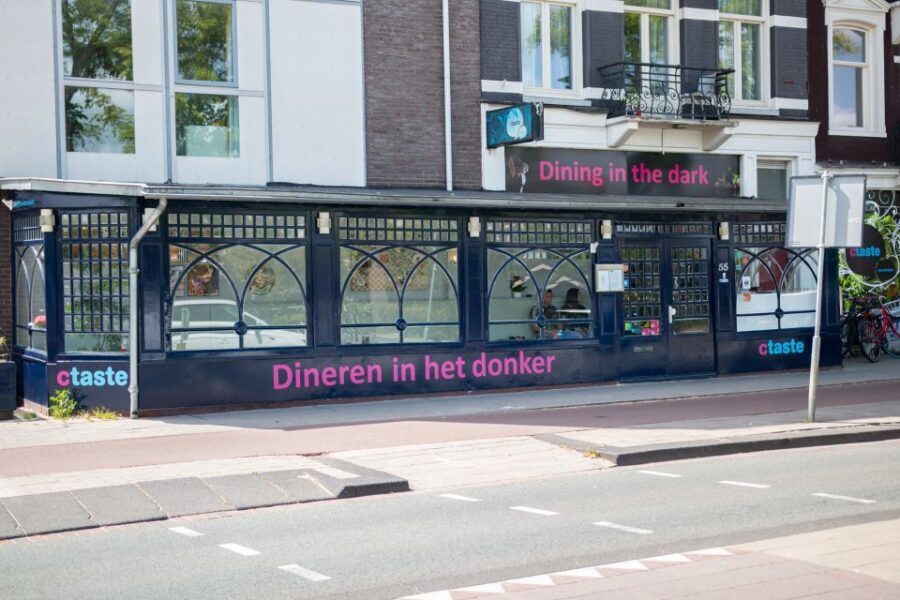
Once you enter the pitch-black dining room, the experience becomes less about what the restaurant looks like and more about what your senses do.
Blind or visually impaired wait staff serve the courses, and they’re trained for this exact environment. The goal is confidence. Expect them to guide you at the start, and to offer reassurance when needed. You also have backup: duty managers can see and hear, which means you’re not completely on your own if something feels off.
The most important mindset shift is this: you can’t rely on visual cues, so you’ll rely on other cues. That includes the way food is set in front of you, the way you’re instructed to eat, and the timing of each course. It feels slower at first, then more natural.
Phones are away, and you’re not trying to multitask. That helps your brain notice flavor details it usually ignores. You’ll likely start thinking in terms of texture and temperature—how something feels before it fully becomes a taste.
The 3-Course Meal: What You Get and How It Usually Feels
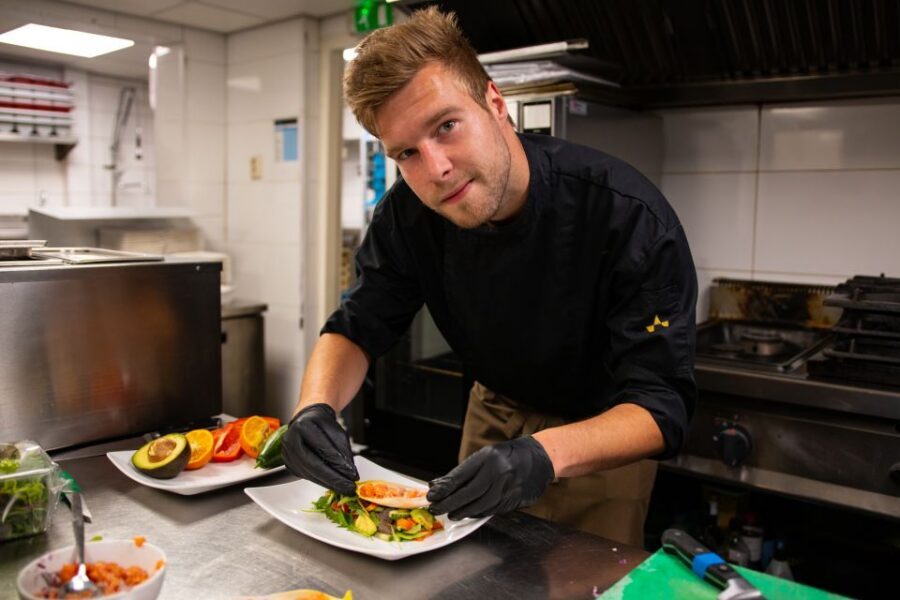
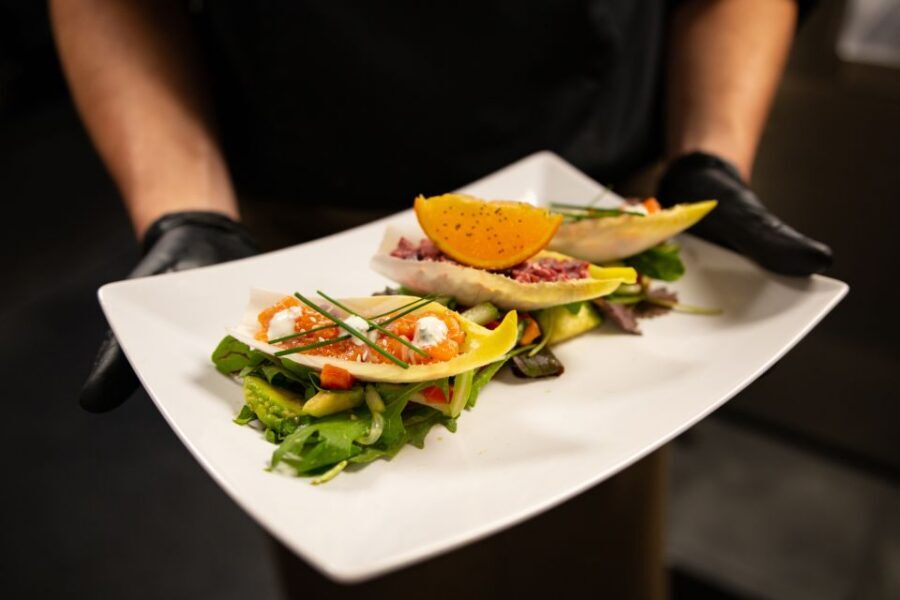
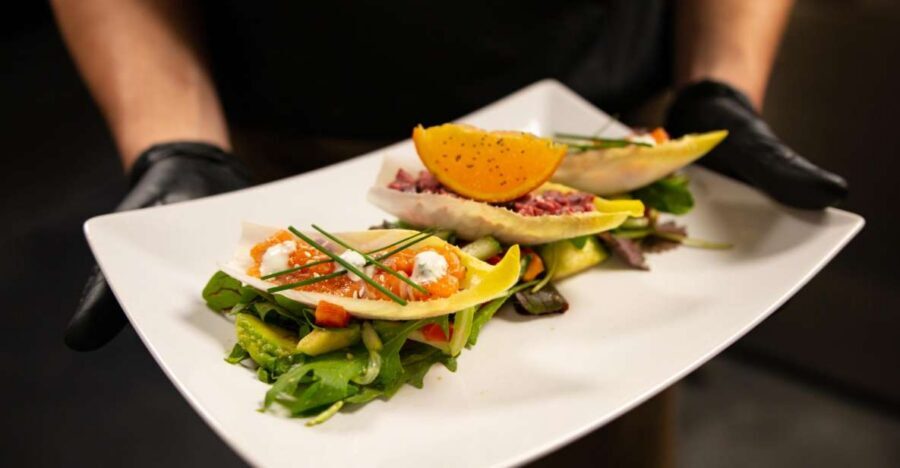
You get a 3-course dinner in the dark, plus 2 amuse-bouches. The value here is that you’re not buying a quick show. You’re buying a full dinner experience that lasts about 2 hours, with structured pacing.
The menu avoids extreme ingredients. Organs, bones, fat, insects, or other extreme ingredients are never served. That gives the meal a safer baseline for most people, especially if you’re trying this as a first-timer and you don’t want surprise shock-value cooking.
What should you expect about flavors? In a dark setting, flavors can feel more intense, but not every course lands the same for every person. Some people find the food very flavorful, while others want bolder punches. Since you don’t see the plating, you also can’t use appearance to guess what something will taste like, so a course that’s mild in daylight can taste different in the dark.
One thing to watch for: some diners report a lot of cold dishes. That makes sense for a sensory experience where food may be served at set temperatures, but if you dislike cold or you run warm-sensitive, it’s worth keeping in mind. Also, a few people felt the room was chilly, so dress for cool indoor conditions.
Extras like a sorbet course or cheese plate aren’t included. You’re getting the planned three courses and the two amuse-bouches, and that’s it.
Private Table vs. Group Energy: The Social Side You Can Control
You’ll have a private table, which changes how the night feels. If you’re with friends, you can still share the moment without turning it into a loud group event. If you’re solo, the experience can feel surprisingly quiet. Since you’re focused on tasting and listening, the room doesn’t demand constant conversation.
That said, group energy can affect comfort in a dark room. When the dining room is busy or louder than expected, it can make your senses work harder than they need to. It’s not a failure of the concept. It’s just human behavior intersecting with a controlled sensory setting.
For me, the private-table layout is a big part of why this is a solid “special night” option. It feels intimate without being romantic-pressure. You can treat it like a date with your own curiosity.
You can also read our reviews of more tours and experiences in Amsterdam





Price and Value in Amsterdam: What $56 Really Buys
At $56 per person, you’re not paying just for food. You’re paying for a trained service model plus a controlled environment where sight is removed on purpose.
Let’s break down the value:
- You get a full 3-course dinner plus two amuse-bouches, not a small tasting flight.
- Service is provided by blind or visually impaired staff, and they’re trained specifically for this format.
- You get a private table, which in a city like Amsterdam can matter for comfort and attention.
What’s not included: drinks and water. So if you plan to add wine or cocktails, budget for that separately. Also, no infrared picture is included.
So is it worth it? If you want a unique Amsterdam evening that isn’t just another canal-side meal, this is one of the more meaningful options. If you mainly want the cheapest filling dinner, it won’t beat a regular restaurant on price. But it does beat most dinners on experience value.
And since the cancellation window is up to 24 hours in advance for a full refund, you have some breathing room if your day in Amsterdam shifts.
Getting There Smoothly: Amsteldijk 55 Without Stress
The restaurant address is Amsteldijk 55, 1074 HX, Amsterdam.
Public transit is easy:
- Trams 3 and 4 stop close to the restaurant.
- The nearest metro station is Wibautstraat.
- Amsterdam Amstel station is about a 10-minute walk.
If you’re coming from central landmarks, here are the walking distances:
- About 25 minutes on foot from Munt Square.
- Around 10 minutes by bike along the Amstel River.
I like walking to this kind of experience because it lets you slow down before the sensory shift. Just don’t rely on phones during dinner, since they’re locked away.
Who Should Book It (and Who Should Think Twice)
This works best for people who enjoy guided experiences and don’t mind a little uncertainty. If you like food experiments, this is a fun one because the dark changes the results. It’s also a good choice if you want to see service designed around accessibility, not as an afterthought.
It can be a great birthday option, too, because staff interactions can be especially attentive. Even solo, the experience doesn’t feel like you need a partner to make it enjoyable.
A key consideration: start-of-dark anxiety. A few people can feel trapped or claustrophobic when they first enter the pitch-black room. The experience staff are usually supportive, but if darkness triggers strong anxiety for you, think carefully before booking.
Accessibility-wise, it’s wheelchair accessible. If that applies to you, you’ll appreciate the built-in support and that restrooms are in the light.
Finally: don’t wear white if you can avoid it. You’ll finish the meal as cleanly as you started, but it’s wise to dress with the possibility of small food accidents in mind.
Practical Tips for a Better Night in the Dark
Here are the small things that make the experience feel smoother:
- Arrive with your coat already sorted. You’ll check your bag and won’t want to rummage later.
- Eat at a calm pace. Your brain is adjusting, and rushing can make you feel less comfortable.
- Use your senses on purpose. Listen for changes in sound, notice texture shifts, and pay attention to temperature.
- Plan for limited communication. In darkness, you won’t always be able to summon help the way you would in a bright room, so settle into the flow.
- Skip the urge to film. Phones and cameras go into a locker, and the night works best without that distraction.
If you’re sensitive to cold, dress in layers. If you’re excited about flavor, set your expectations for surprises. You’re not going to see the ingredients, and that’s part of the learning.
Should You Book This Amsterdam Dinner in the Dark?
I’d book it if you want:
- a real sensory challenge that’s structured, not random
- a 3-course evening that feels special without needing a huge time commitment
- service built around blind-led hospitality
- a change of pace from canals, museums, and typical restaurant nights
I’d think twice before booking if:
- darkness makes you seriously anxious right at the start
- you strongly dislike cold or cool indoor dining rooms
- you expect a restaurant-style experience where you can easily flag down staff in seconds
If you’re in the middle—curious but unsure—this is exactly the kind of Amsterdam activity that feels worth trying once. It’s one of the few dinners that makes you slow down, taste harder, and leave with a real story about how food can change when sight disappears.
FAQ
How long is the dinner experience?
The dinner experience lasts about 2 hours.
What’s included in the price?
You get a 3-course dinner in the dark, 2 amuse-bouches, and a private table.
What does the $56 price not include?
Drinks and water are not included. Infrared picture, extra dinner courses, and the candle element are also not included.
Is the restaurant pitch-black the whole time?
You start in a lighted lounge area, then you’re guided into a pitch-black dining room for the dinner. All rest rooms are in the light.
Where is the meeting point?
The restaurant is at Amsteldijk 55, 1074 HX, Amsterdam.
How do I get there using public transport?
Trams 3 and 4 stop close to the restaurant. The nearest metro station is Wibautstraat, and Amsterdam Amstel train station is about a 10-minute walk away.
Is it wheelchair accessible?
Yes, the experience is wheelchair accessible.
Are phones or cameras allowed during the dinner?
No. Mobile phones and cameras are kept in a personal locker.
Are pets allowed?
No, pets are not allowed.
Do they serve extreme ingredients like organs or insects?
No. Organs, bones, fat, insects, or other extreme ingredients are never served on the menu.