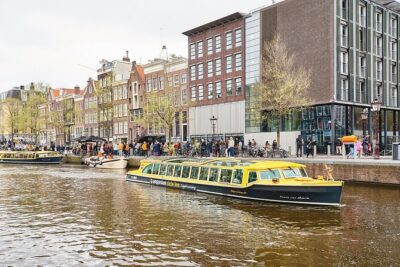
REVIEW · AMSTERDAM
Amsterdam: Dutch WWII Resistance Museum Entry Ticket
Book on GetYourGuide →Operated by Verzetsmuseum Amsterdam · Bookable on GetYourGuide
War changes people fast. This museum shows how the Dutch resisted.
I like the way it tackles Dutch resistance through real methods like strikes, forged documents, secret hiding, underground newspapers, escape routes, espionage, and armed resistance. I also like that the audio guide lets you slow down on the stories and objects that hit you hardest, in many languages. The main drawback is tone: it’s emotional material, so if you want light, breezy sightseeing, this might feel heavy.
Plan for enough time. The layout can feel surprisingly deep as you move from one room and theme to the next, so I’d give yourself a solid chunk of the day to avoid rushing through the most meaningful sections.
In This Review
- Key things I’d plan for
- Amsterdam WWII in One Building: What the Dutch Resistance Museum Does Differently
- Entering the Exhibition: What You’ll See Right Away
- The Resistance Story You Actually Get: Strikes, Papers, Hiding, and Escape Routes
- Everyday Heroes Meet Ethical Gray Zones
- The Audio Guide System: How You Control the Pace
- Dutch East Indies and the WWII Connection You Might Miss
- How Long to Plan: Timing for a Self-Paced Museum
- What Makes the Exhibits Worth Your Time
- Practicalities and Value: The $21 Ticket
- Who This Museum Is For (and When It Might Not Fit)
- Can You Fit It Into Your Amsterdam Days?
- Should You Book the Amsterdam Dutch WWII Resistance Museum Ticket?
- FAQ
- How long is the Amsterdam Dutch WWII Resistance Museum ticket valid?
- What does the ticket include?
- Is a guide included with the ticket?
- What languages are available for the audio guide?
- Where do I show my ticket when I arrive?
- Is food included with the ticket?
- Is the museum wheelchair accessible?
- Can I cancel for a refund?
- Can I reserve now and pay later?
- Does the booking have starting times?
Key things I’d plan for
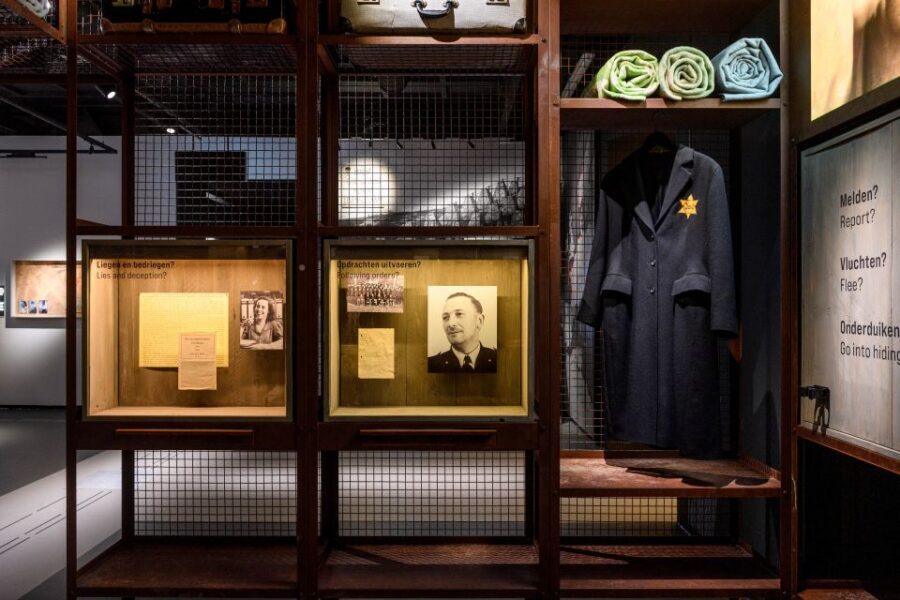
- Resistance beyond the movie version: you’ll see the full range, from paper work to escape routes.
- Everyday people, not only famous names: the focus is on ordinary Dutch life under occupation and the choices that came with it.
- Walls of photos and period details: it’s designed to recreate the mood of the 1940s, not just explain dates.
- A dedicated Dutch East Indies section: you get a separate look at experiences under Japanese terror and Dutch colonial history.
- Multilingual audio you control: scan and listen at your pace, in Dutch, English, French, German, Italian, Spanish, and Portuguese.
- On-site accessibility: wheelchair accessible, with interactive elements that work well even when you need to pause.
Amsterdam WWII in One Building: What the Dutch Resistance Museum Does Differently
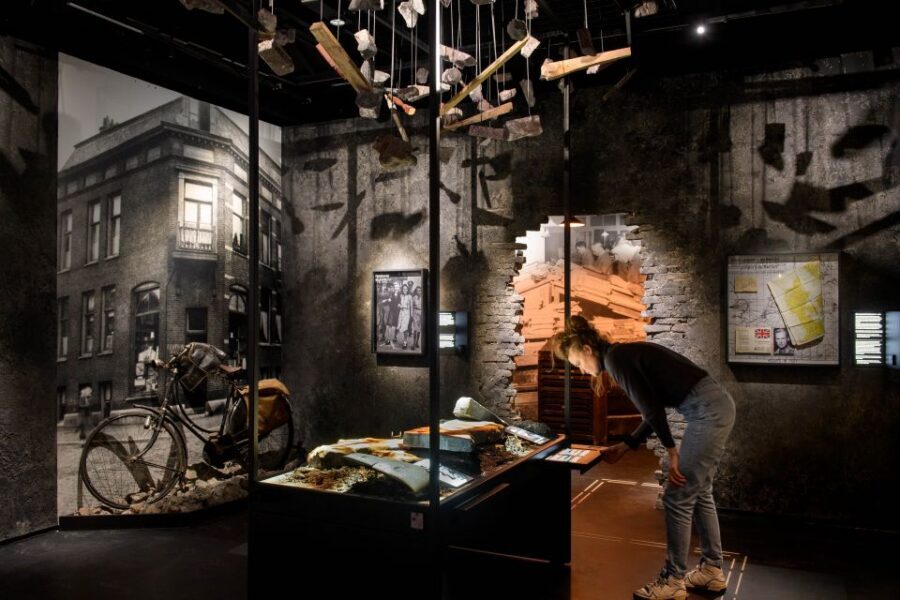
If your Amsterdam trip includes the Anne Frank House, this is the next logical stop—because it widens the lens from one individual story to the wider system of occupation and how people responded to it. The Dutch WWII Resistance Museum (Verzetsmuseum Amsterdam) focuses on the civil response to Nazi rule, where resistance wasn’t only dramatic acts. It was also quiet decisions made by people trying to survive and protect others.
What makes it especially useful is the museum’s organizing idea: it doesn’t just list events. It shows how resistance happened in different forms, and it pairs that with personal artifacts and documents that bring the stakes into focus. You’ll walk through a guided-feeling storyline, but with audio support so you can choose what to linger on.
The other big reason to go is that it covers more than the Netherlands. There’s a dedicated section on the Dutch East Indies, tying Dutch WWII history to experiences under Japanese regime terror. That broader view helps you connect the dots between European occupation and the wider war.
You can also read our reviews of more tours and experiences in Amsterdam



Entering the Exhibition: What You’ll See Right Away
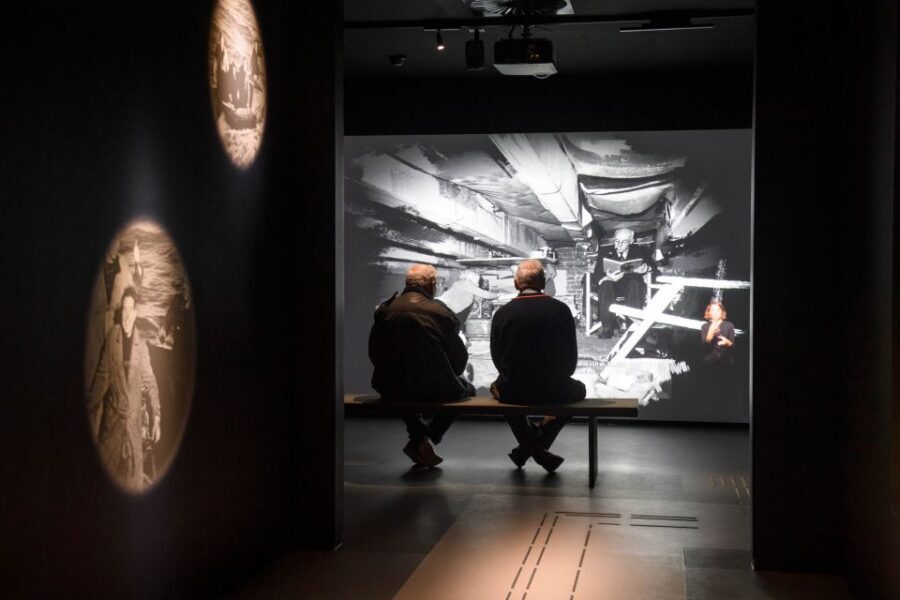
Your visit starts with a straightforward entry process: show your ticket at the museum counter. After that, you’re in a self-paced route with an included audio guide.
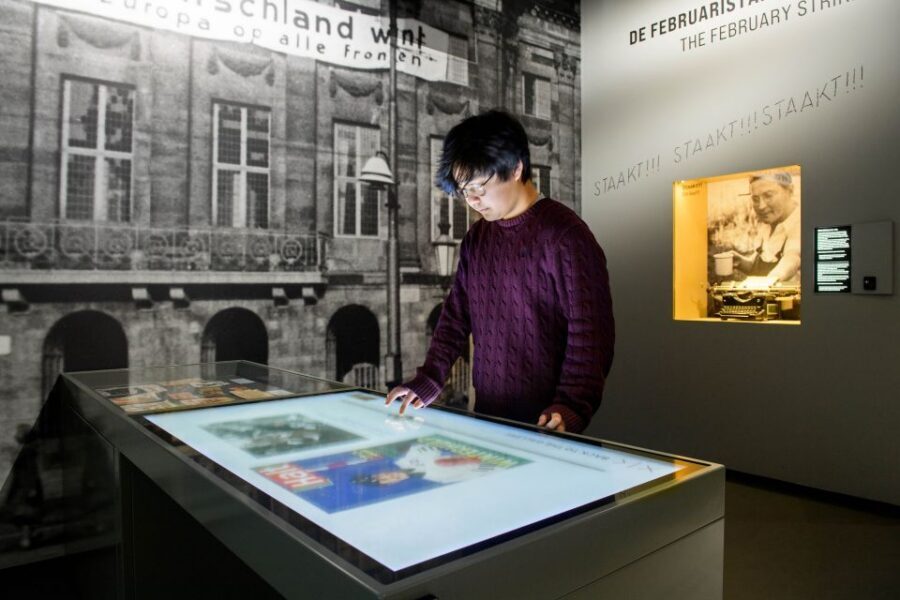
Right away, the museum sets the mood with a kind of museum-in-time effect: walls filled with photos and period visuals that help you feel how the war years shaped everyday life. Instead of treating history like a textbook, the exhibits give you the texture—people’s fears, their plans, and the constant pressure of living under control.
The museum also makes a point of showing that “resistance” wasn’t a single thing. You’ll encounter themes that run side by side: groups helping people avoid persecution, people risking their safety to pass information, and others trying to survive without becoming part of the machinery of occupation.
The Resistance Story You Actually Get: Strikes, Papers, Hiding, and Escape Routes
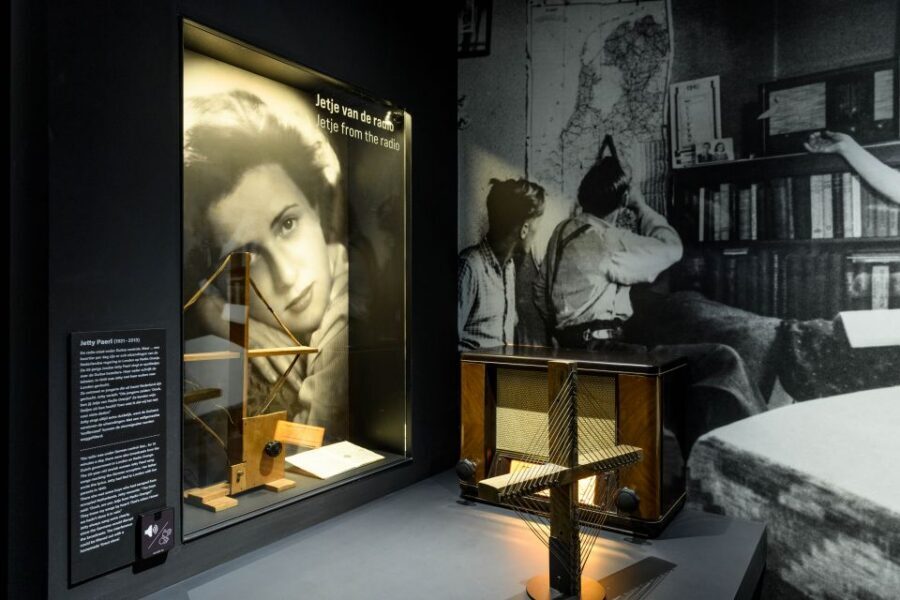
One of the museum’s strengths is how clearly it explains resistance as a spectrum. You’ll see how Dutch resistance included:
- Strikes and acts meant to disrupt occupation
- Forging documents to help people move, work, or evade detection
- Helping people go into hiding, including acts of sheltering and protection
- Underground newspapers, spreading information the occupiers tried to control
- Escape routes, helping people slip out of danger
- Armed resistance, when civilians took up heavier risk
- Espionage, collecting and passing sensitive information
This matters because, in real history, resistance is rarely one cinematic moment. It’s lots of small actions coordinated over time, often by people who weren’t trained soldiers. The museum’s approach helps you understand resistance as a practical set of methods—creative, risky, and shaped by what was available in everyday life.
As you move through, pay attention to how the exhibits treat cause and effect. A forged document isn’t just a clever trick; it’s tied to identity, access, and the threat of being caught. An underground paper isn’t just propaganda; it’s a lifeline for truth in a world where the occupiers controlled the narrative.
Everyday Heroes Meet Ethical Gray Zones
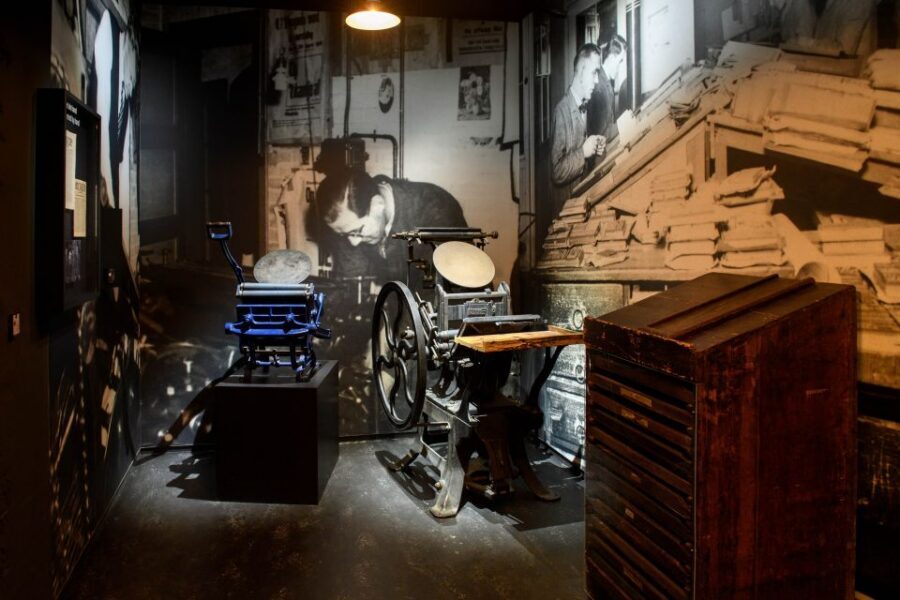
I appreciate that this museum doesn’t turn the past into a simple good-versus-evil poster. The exhibits include the reality that occupation created dilemmas, and people faced forced choices. You’ll encounter moving personal documents that show how individuals were confronted with impossible situations and how survival and conscience could collide.
You’ll also get insight into the social mix of the period: resistance groups, daily worries, and the role of people who collaborated with the occupation. This helps you understand why resistance took so many forms and why it wasn’t always clear who could safely act and who needed to protect their family first.
This portion of the visit can feel intense, but it’s also one of the most educational. It trains you to think about the pressure systems that lead people to cooperate, resist, hide, or inform. That’s not just history trivia—it’s useful for understanding how coercion works in any era.
The Audio Guide System: How You Control the Pace
You get an audio guide included, and the range of languages is one of the biggest practical wins for international visitors. The guide covers Dutch, English, French, German, Italian, Spanish, and Portuguese.
In practice, the museum’s audio setup feels designed for people who don’t want a single scripted route. Many exhibits have listening points you can access so you can focus on the parts that matter most to you. The museum also uses interactive listening tech—handheld devices and scanning methods tied to exhibit content—so you can pick your level of detail without needing to fight a crowded room.
That control is a real value factor. At some museums, the text and audio fight each other. Here, the audio helps you read the artifacts and scenes without having to stand still for every label. If you want a faster pass, you can move. If you want details—especially on specific people or objects—you can slow down without losing the thread.
You can also read our reviews of more museum experiences in Amsterdam






Dutch East Indies and the WWII Connection You Might Miss
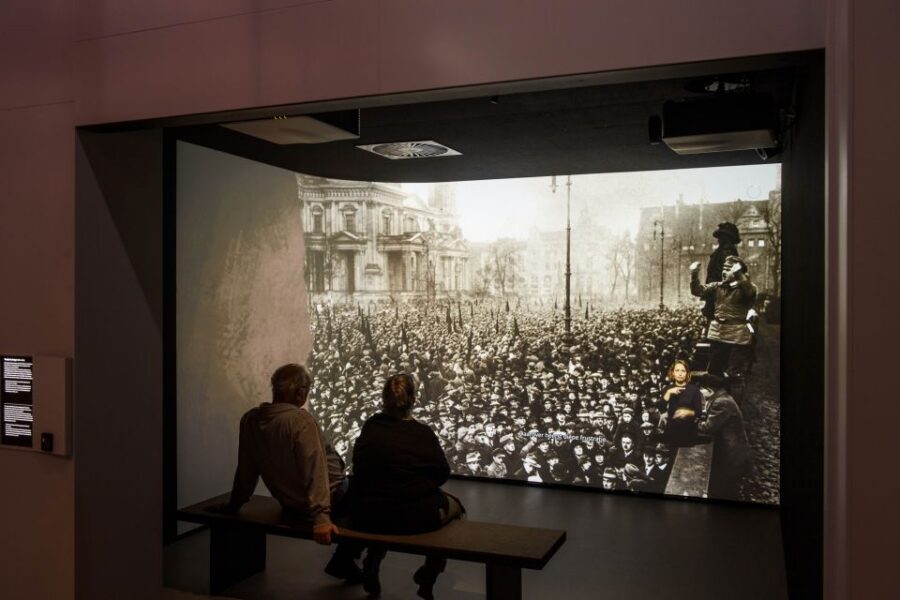
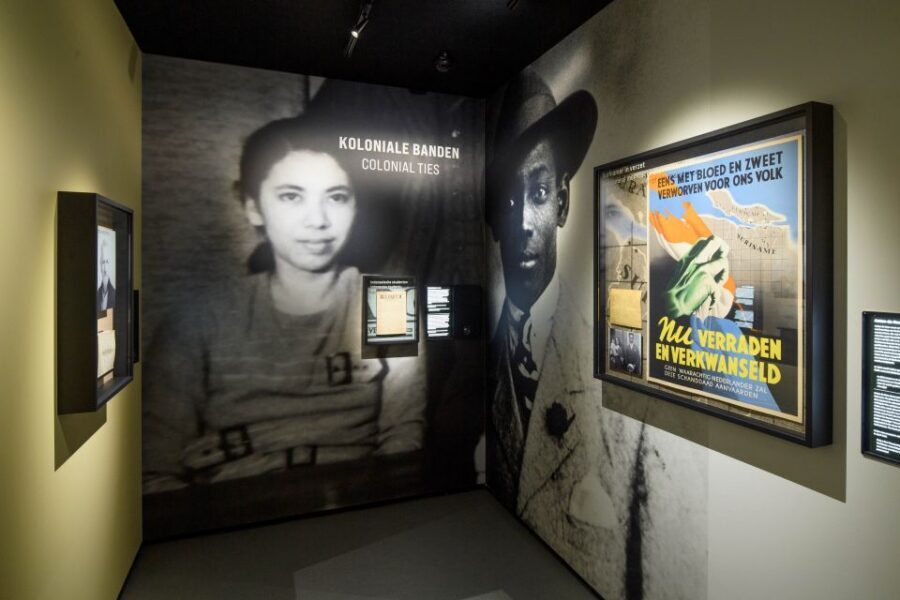
A dedicated section covers the former colonies in the Dutch East Indies. This part is essential because it expands WWII beyond Europe, showing how Dutch history and WWII connected to experiences under the Japanese regime of terror.
You’ll learn about harrowing experiences in that context, and the museum places them in the broader story of the war. For me, this makes the museum more than a local Amsterdam exhibit. It becomes a chance to understand how Dutch WWII realities stretched across oceans—and how occupation and terror followed different paths under the same global conflict.
If you’re doing a Germany-focused WWII trip, this section can add an important counterpoint: it shows that the war didn’t stay in one geography. It shifted, spread, and reshaped lives across territories that often get less attention in mainstream European WWII stops.
How Long to Plan: Timing for a Self-Paced Museum
The ticket is for 1 day, and the museum offers starting times based on availability, so timing matters if your schedule is tight. Once you’re inside, plan for a serious viewing session, not a quick walk-through.
Based on the way the museum is built—rooms that add depth as you go—rushing is the main risk. The exhibits include stories, objects, photos, and audiovisual elements. When you skip too fast, you miss the emotional point: how choices were made, what people risked, and what daily life looked like under occupation.
A good strategy is to set yourself a target time and then stop early on purpose if you feel you’re forcing it. That way you still leave time to sit with the most moving sections rather than sprinting for the exit.
What Makes the Exhibits Worth Your Time
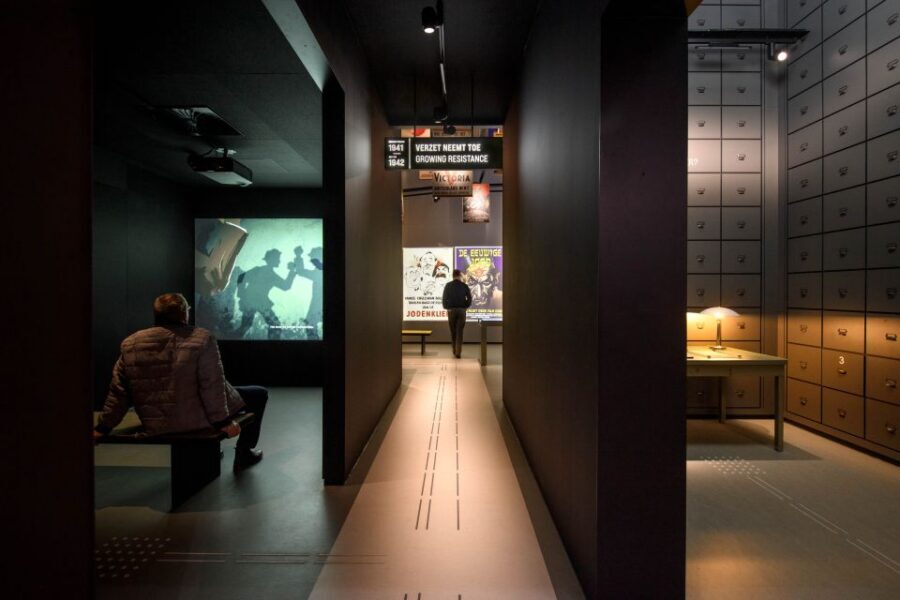
This is one of those museums where the “small details” really earn their keep. A few things that contribute to the strong experience:
- Stories + objects together: Personal documents and artifacts bring the narrative down to a human scale.
- Film and display elements: You get context without needing prior knowledge of every event or group.
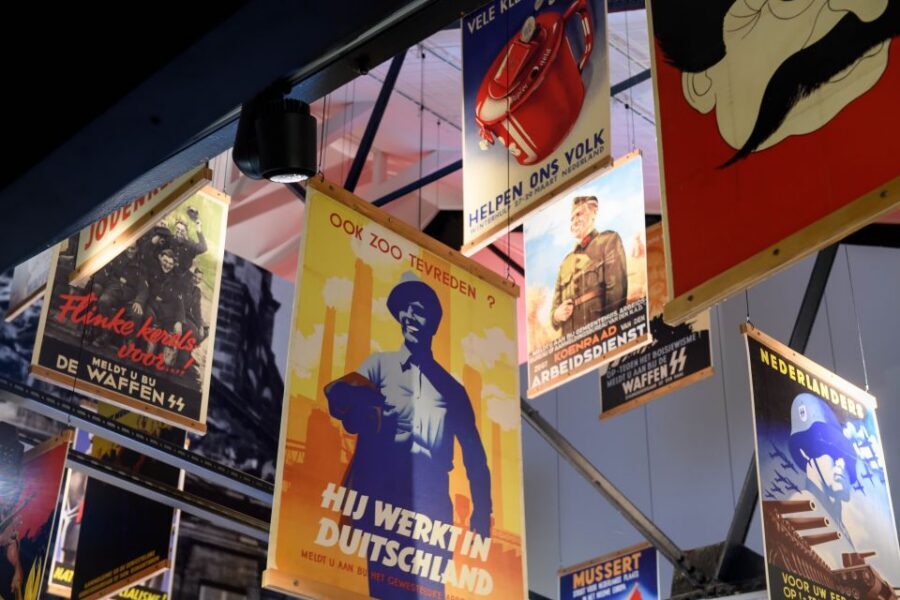
- Interactive elements: You may see features like interactive propaganda posters that help you read how information worked during occupation.
- Balance of exceptional and everyday: You’ll see famous-type moments, but you’ll also spend time with the routine realities that shaped decisions.
And perhaps most important: the museum shows resistance as something built on coordination and risk. It’s not just courage in the abstract. It’s courage plus planning, plus secrecy, plus the constant fear of consequences.
Practicalities and Value: The $21 Ticket
At around $21 per person, the value comes from three places: the included entry ticket, the included audio guide, and the fact that the exhibits cover multiple dimensions of WWII (occupation resistance in the Netherlands and the Dutch East Indies section).
If you’re comparing museum costs in Amsterdam, this is a fair price for a self-paced experience you can control. You’re not paying extra for a guided tour, and the audio guide in several major languages helps you get meaning even if you’re not fluent in Dutch. You’ll also want to keep in mind that food and drinks are not included, so plan on buying a snack nearby or saving a meal for afterward.
Who This Museum Is For (and When It Might Not Fit)
This is a great fit if you want WWII history that connects policy-level facts to the human behavior around them—especially how civilians resisted in practical ways. It’s also a strong choice if you like interactive, object-based museums where you can read and listen selectively.
You might also appreciate it if accessibility matters to you. The museum is wheelchair accessible, and the audio and interactive structure can make it easier to process information at your own tempo.
But if you’re traveling with a group that wants mostly light entertainment, this museum may feel too heavy for the day. Even with audio control, the content is about occupation, terror, and moral pressure. If that’s not your vibe today, you might consider pairing it with something more upbeat later.
Can You Fit It Into Your Amsterdam Days?
Yes, and it helps if you place it thoughtfully. I like pairing a WWII museum with a calmer walking day the next morning or evening, because the theme sticks with you. After a visit like this, simple streets and canals can feel different in a good way—more present, more layered.
Also, because the museum is self-paced and audio-driven, you can fit it around your other interests. It’s not dependent on joining a group at a set pace. You just follow the flow of the rooms and stop where you want depth.
Should You Book the Amsterdam Dutch WWII Resistance Museum Ticket?
I’d book it if you’re curious about how ordinary people responded to occupation, and if you want a museum that treats resistance as practical work—not just a slogan. The included multilingual audio guide and object-and-story approach make it a strong value at the stated price.
I’d think twice only if you’re not up for heavy, ethically complex material. This is history that doesn’t try to soften itself, and that’s part of why it matters.
If you do book, give yourself time to listen. The museum is at its best when you let the stories and documents sink in rather than racing room to room.
FAQ
How long is the Amsterdam Dutch WWII Resistance Museum ticket valid?
The ticket is valid for 1 day.
What does the ticket include?
It includes entry ticket and an audio guide.
Is a guide included with the ticket?
No. A guide is not included.
What languages are available for the audio guide?
The audio guide is available in Dutch, English, French, German, Italian, Spanish, and Portuguese.
Where do I show my ticket when I arrive?
Show your ticket(s) at the museum counter.
Is food included with the ticket?
No. Food and drinks are not included.
Is the museum wheelchair accessible?
Yes, the experience is wheelchair accessible.
Can I cancel for a refund?
Yes. You can cancel up to 24 hours in advance for a full refund.
Can I reserve now and pay later?
Yes, there is a reserve now & pay later option.
Does the booking have starting times?
Yes. It says to check availability to see starting times.