REVIEW · AMSTERDAM
Amsterdam: Small-Group Canal Cruise incl. Drinks and Snacks
Book on GetYourGuide →Operated by Sebi Boat Tours · Bookable on GetYourGuide
Small boat, big Amsterdam views. I like that this small-group cruise (max 10 guests) feels personal from minute one, and I like that the Dutch snacks and drinks turn the whole ride into a relaxed, tasty hangout on the water. It’s run by Sebi Boat Tours with a live captain/guide, sailing an electric 100+ year old boat through the canals most big tour boats can’t reach.
One thing to plan for: the departure dock is shared, so you need to arrive on time. The tour notes say they can’t wait past the start time.
In This Review
- Key takeaways
- Meeting Sebi and the Giuliana: What makes this cruise different
- Why the max-10 size matters on Amsterdam’s canals
- Drinks and Dutch snacks: included, and not an afterthought
- Where you start: Keizersgracht 196 and the easy-to-miss dock
- The canal belt classics: Grachtengordel and Prinsengracht
- Amstel River time and Magere Brug (the skinny bridge moment)
- Red light district views plus everyday neighborhoods
- How to get the most from the ride (and avoid the usual pain)
- Is it worth $85? A practical value check
- Who should book, and who should pass
- Should you book Sebi’s 2-hour canal cruise?
- FAQ
- How many people are on the tour?
- How long is the canal cruise?
- What snacks and drinks are included?
- Where do we meet the guide?
- Is there a restroom on board?
- Is the tour wheelchair accessible?
Key takeaways
- Max 10 guests: easier conversation and better views than crowded canal barges.
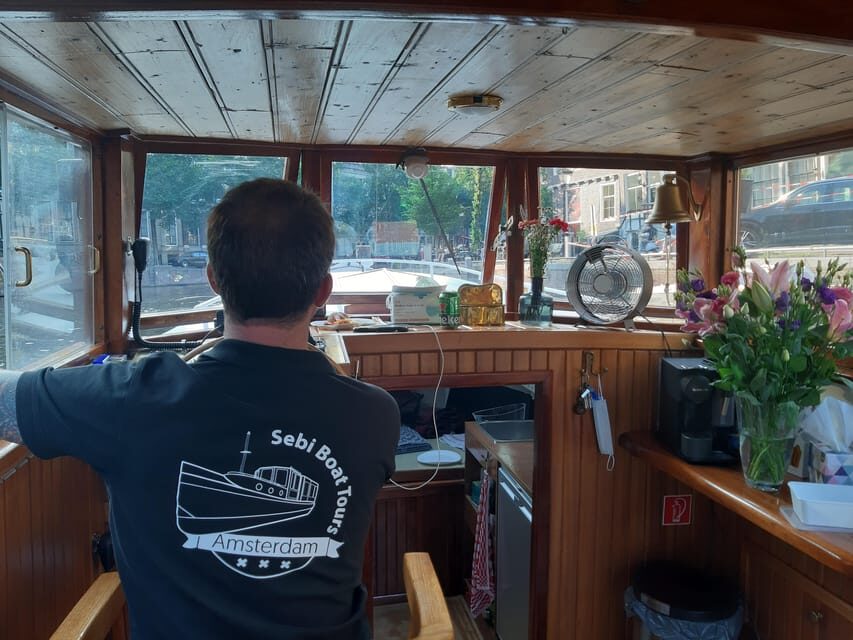
- Electric Giuliana: a 100+ year old boat that’s heated in winter, with indoor and outdoor seating plus a toilet.
- Live guiding from actual locals: you get stories tied to landmarks as you pass them.
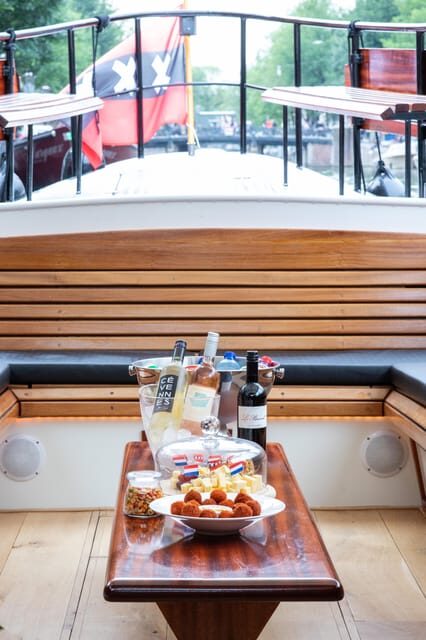
- Dutch snacks included: cheese with grapes and mustard, fried snacks like bitterballen, and stroopwafels.
- Many drink options: soft drinks, wine, beer, coffee/tea, plus gin and tonic and Jenever, and cava/prosecco.
Meeting Sebi and the Giuliana: What makes this cruise different
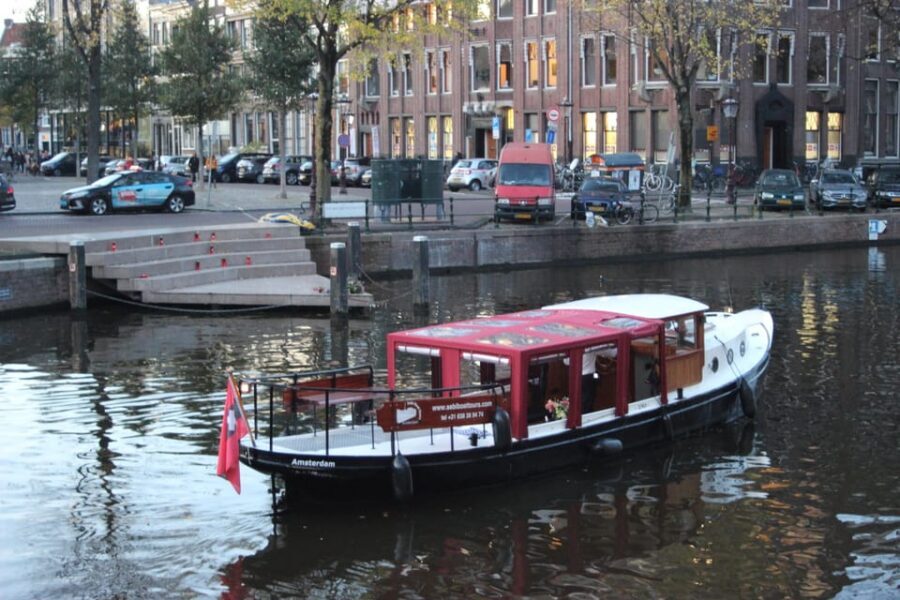
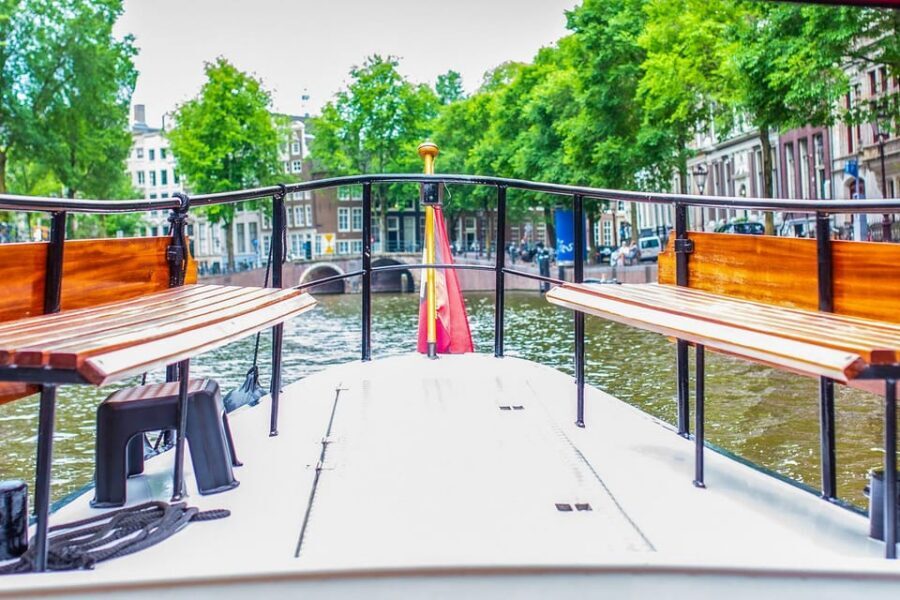
This is the kind of canal cruise you choose when you want Amsterdam, not a factory tour. Sebi Boat Tours runs a small electric boat called Giuliana, built long ago (100+ years old) but cared for and updated for comfort. You get both an inside area and an outside deck, plus a toilet on board, which matters more than you’d think on a two-hour ride.
Sailing on an older, restored boat changes the feeling. It’s not the loud shuffle you get on bigger ships, where people barely turn their heads before the next photo stop. Here, the boat layout makes it easier to move and get viewpoints from different angles. Add in the fact that the boat is heated in winter, and you stop worrying about the weather cutting your cruise short.
And yes, you get real-time guiding. One of the best parts is that Sebi (and the team) isn’t just playing pre-recorded commentary. You can ask questions, and the answers match what you’re seeing right then: canal bends, house fronts, bridge names, and the way different neighborhoods sit along the water.
You can also read our reviews of more boat tours in Amsterdam


Why the max-10 size matters on Amsterdam’s canals
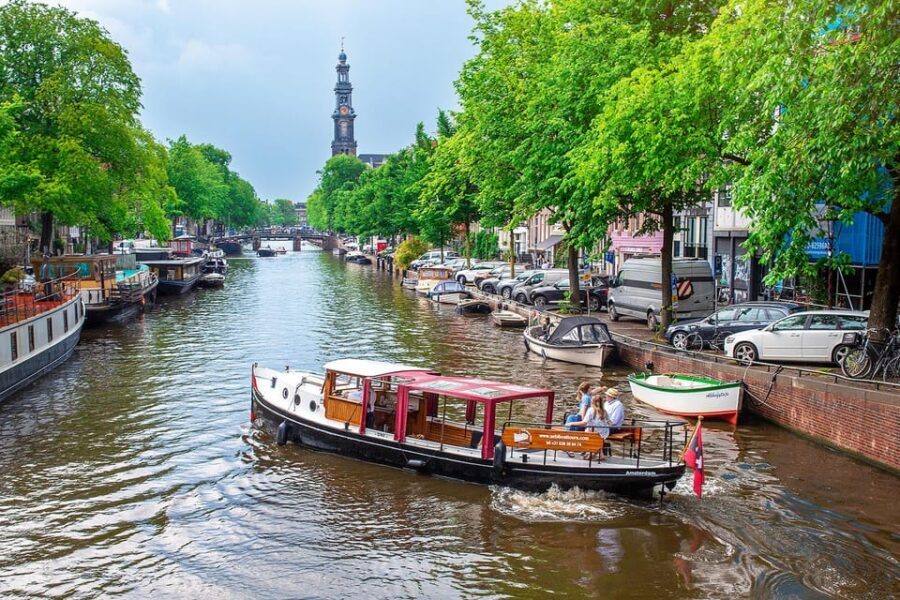
Amsterdam’s canals look great from street level. They look even better from water—until you’re packed shoulder-to-shoulder with strangers and can’t see past anyone’s phone. The max 10 rule is the whole point of picking this tour.
With a smaller group, the guide can actually talk to people, not shout at a crowd. In practice, that means you get more than “this is famous.” You hear how the canals work, how the city grew, and what certain buildings and stretches were used for. Reviews also point out that this small size helps you meet the other passengers, which makes the ride feel less like an attraction and more like a shared experience.
The other bonus is motion. Larger boats often stick to the most navigable routes. A smaller boat can go where bigger ones can’t, including tighter canal segments and under bridges that feel almost too close. You get closer views of everyday architecture, not only the postcard corners.
Drinks and Dutch snacks: included, and not an afterthought
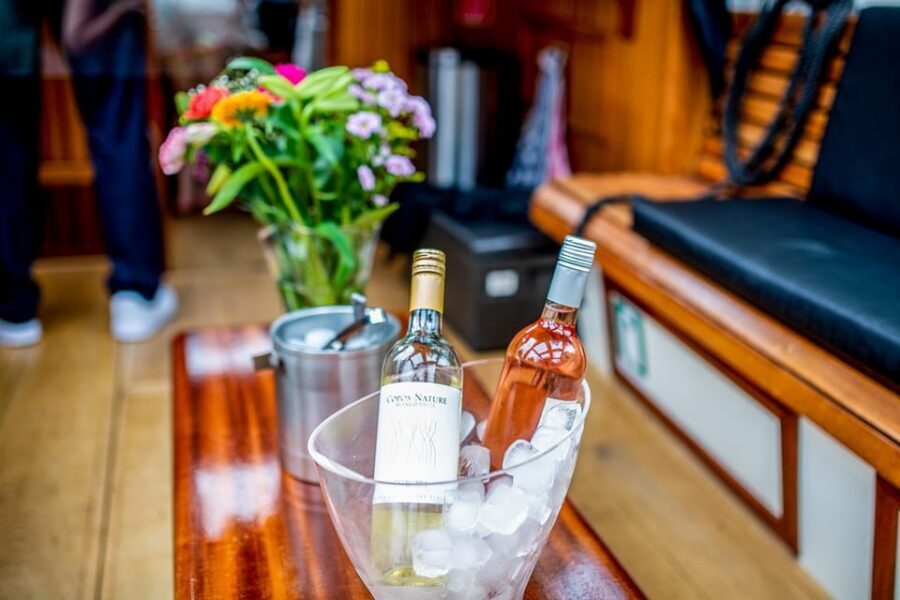
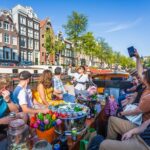
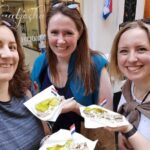
Let’s talk food and drink, because this is where a lot of canal cruises either impress or disappoint. Here, the snack plan is clearly thought out. You’ll have Dutch cheese with grapes and mustard, fried snacks that include bitterballen, and Dutch cookies like stroopwafels. And the drinks aren’t limited to soda and water. You can expect a wide range: coffee and tea, soft drinks, water, wine, beer, gin and tonic, and Jenever, plus cava or prosecco.
What I like about the way it’s handled is timing. The cruise includes a stop to pick up traditional Dutch snacks while you’re already out on the canals, and you can keep sipping while that happens. That keeps the snack rhythm from feeling like a quick, awkward “here you go” moment.
On top of that, the boat runs an onboard setup that can handle weather. In cooler months, blankets show up in ride reports, and people also mention roll-down covers, extra shade options, and a heated interior. So the snack-and-sip experience stays comfortable, not just “available.”
If you’re hoping for a cruise that feels like Amsterdam hospitality—cheese, fried bites, and good sips while the city slides by—this is built for that.
Where you start: Keizersgracht 196 and the easy-to-miss dock
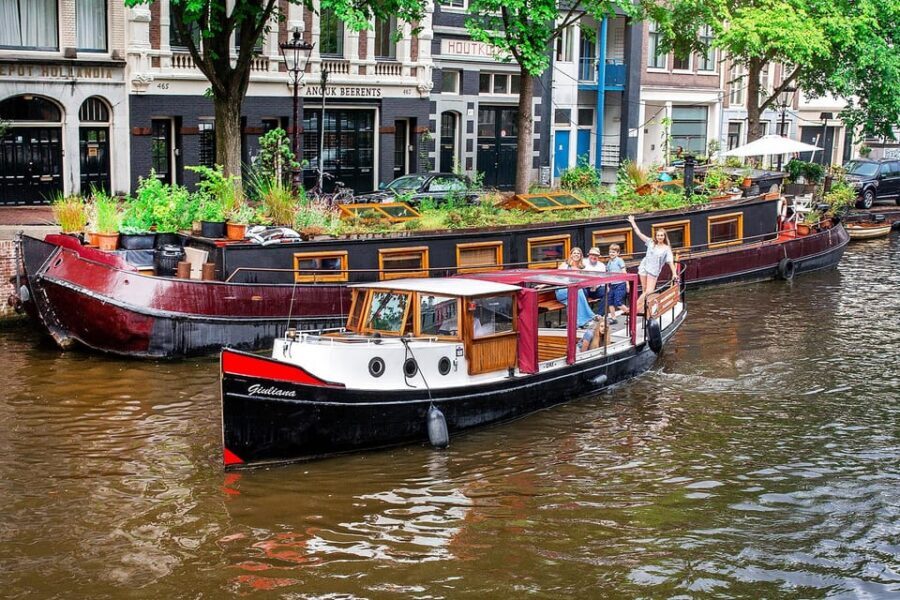
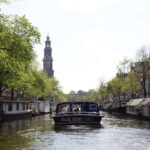
You’ll start and end at Keizersgracht 196, at the dock in front of the building—conveniently central, near the Westerkerk and behind the Anne Frank House area. That’s a big win for logistics because you don’t need a complicated transfer to reach the pier.
But there’s a practical catch: the meeting point is a shared dock, and the operator is not allowed to place a sign or other marketing features there. Translation: you need to look carefully and arrive early enough to find the correct boat among other boats.
Also, plan to be early. The tour explicitly asks you to be there at least 5 minutes before departure and notes they can’t guarantee waiting after the scheduled time. Amsterdam days move fast. Build a little buffer, especially if you’re walking over from a museum area.
The canal belt classics: Grachtengordel and Prinsengracht
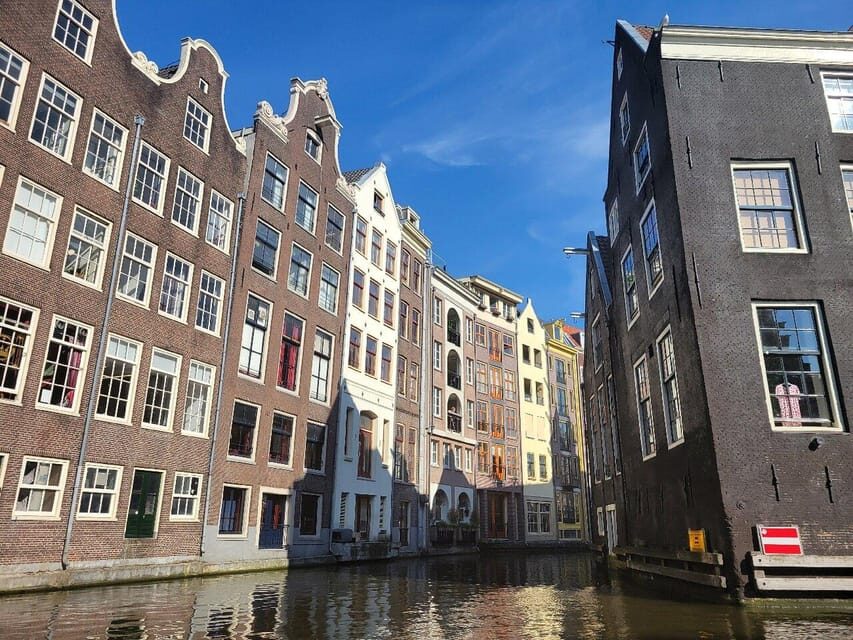
Once you’re off the dock, the cruise heads into the heart of Amsterdam’s canal system, including the Grachtengordel (the famous canal belt) and the Prinsengracht. This is the part of the city where canals aren’t just scenery—they’re the organizing grid of old Amsterdam.
From the water, you’ll see the canal houses in a way that’s hard to replicate on foot. You can read the shapes, window placements, and the narrowness of the frontages. You also get a better sense of spacing between buildings and why certain bridges and bends matter.
The live guiding makes a difference here. The guide points out what you’re looking at as you pass it, rather than dumping facts at random. It’s the kind of storytelling that helps you connect the visible details to how these districts functioned historically—and how canal life shaped daily routines.
If there’s any drawback to this stretch, it’s simple: it’s popular. Amsterdam’s center is busy, and from the water you’ll still notice crowds on nearby streets. The good news is that the boat keeps you on a different plane of the city. You’re not stuck in foot-traffic noise.


Amstel River time and Magere Brug (the skinny bridge moment)
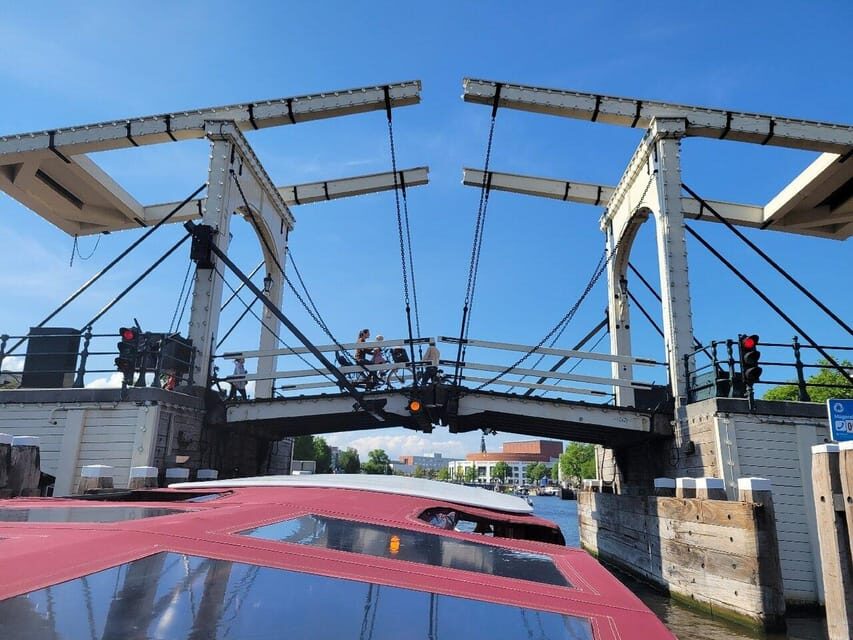
Then comes the Amstel and the section that includes Magere Brug—the bridge that looks like it’s drawn from a fairy-tale postcard. From the canal-side view, it’s dramatic. From the water, it’s easier to appreciate the geometry: the narrowing perspective, the way the bridge aligns with canal walls, and how the surrounding buildings frame the passage.
This portion of the cruise tends to feel a little more “Amsterdam as a whole.” The guide’s comments shift from pure canal architecture to how the river and canals relate. You also get the sense that the city’s waterways form connected routes, not isolated canals.
If you like photos, this is where you’ll probably stop more mentally than physically. From a moving boat, angles change quickly. That’s where the indoor/outdoor layout helps: you can adjust based on sun, wind, or rain instead of getting stuck under one shelter.
Red light district views plus everyday neighborhoods
The cruise also passes through the Amsterdam Red Light District and continues through areas including Weesperbuurt and Herengracht. This is the part where a small local-guided ride can be more respectful—and more informative—than a “see it, snap it, move on” style cruise.
From the water, you get a balanced view of the district’s mix of old-world façades, canal edges, and the energy of a neighborhood with its own rules. The live guide helps you understand what you’re seeing without turning it into gossip.
Then you move toward Weesperbuurt and Herengracht, which offer a different mood: more refined canal frontage and a sense of neighborhoods beyond the immediate flashiest highlights. Reviews mention the cruise covering areas that larger tour boats struggle to reach, and that shows up here. You spend more time where the city feels like a living place and less time only in the most obvious tourist corridor.
One practical note: parts of the experience are best from the outside deck, but weather can change quickly. The boat’s heated inside area helps you keep going even if the sky turns.
How to get the most from the ride (and avoid the usual pain)
This is a two-hour cruise, so you don’t want to waste time with avoidable stress. A few tips based on how the experience is set up:
- Arrive early and take a careful look for the right boat at Keizersgracht 196. The dock is shared and there’s no sign to guide you.
- Plan your clothing for shifting conditions. Even if it’s warm when you start, canal air can cool fast. The boat is heated in winter, and blankets show up in ride reports.
- Stay curious. With a small group, your questions can shape what you hear next. If you want canal mechanics, bridge names, or neighborhood context, ask.
- Use both indoor and outdoor seating. In sun, you’ll likely want outside views. In wind or rain, go inside without losing the experience.
If you’re the type who likes to understand what you’re looking at, this tour rewards that mindset. If you just want a simple “float and photos,” it still works—but the real value is the local commentary tied to the route.
Is it worth $85? A practical value check
At $85 per person for a two-hour cruise, you’re paying for several things at once: small group size, a restored electric 100+ year old boat, and a live guide who steers the narrative as you go. You’re also paying for a structured snack and drink package rather than a small token offering.
Here’s the value logic I use: if you’d rather spend your Amsterdam time on a quieter boat, with included drinks and Dutch snacks, and you want more than canned talking points, this price starts to make sense. Many other canal options cost less but run with bigger groups and fewer “included extras.” With a max-10 format, the vibe changes. You can actually hear the guide. You can ask questions. You’re not craning your neck around strangers.
Also, the cruise duration is two hours, long enough to feel like you did something real—not just a quick lap. Some passengers even call it longer than the one-hour cruises common in Amsterdam.
The only real downside on value is personal: if you don’t care about drinks, snacks, or guiding, you may feel like the cost is higher than you need. But if those are part of what you want from a canal day, it’s one of the more complete packages.
Who should book, and who should pass
Book this if you want:
- a small-group canal cruise with room to enjoy the view
- live local guiding from Sebi (and the team)
- a drink lineup that includes Dutch staples like Jenever and gin and tonic, plus cava/prosecco
- Dutch snacks that go beyond a single plate of pretzels
Consider skipping if:
- you’re hoping for a fully wheelchair-accessible boat (it’s not suitable for wheelchair users)
- you’re the type who shows up right at the start time and expects the group to wait (they don’t plan to)
This is also a smart choice for first-timers. You get orientation fast: where the canal belt sits, how the river fits in, and how neighborhoods look from water. And it’s a nice option for couples or small friend groups who want a calm, social moment without loud party-boat energy.
Should you book Sebi’s 2-hour canal cruise?
If you care about the quality of the experience more than the lowest price, I’d book it. The combination of max 10 guests, a restored heated boat with a toilet, and a real local guide is exactly the recipe for a canal cruise that feels human. Add in the included Dutch snacks—cheese, fried bitterballen, and stroopwafels—plus a wide drink list, and you get an outing that’s fun even on a gray or drizzly day.
If you’re planning your Amsterdam time around must-see neighborhoods and you want the canal belt from the water with enough time to breathe, this fits well. Just do one simple thing: show up early at Keizersgracht 196, since it’s a shared dock and they can’t wait.
FAQ
How many people are on the tour?
The cruise is limited to a small group, with a maximum of 10 guests per tour.
How long is the canal cruise?
The tour lasts 2 hours.
What snacks and drinks are included?
Snacks include Dutch cheese with grapes and mustard, fried snacks such as bitterballen, and Dutch cookies like stroopwafels. Drinks include soft drinks, water, coffee and tea, wine, beer, gin and tonic, Jenever, and cava/prosecco.
Where do we meet the guide?
You meet at the dock in front of Keizersgracht 196, which is near the Westerkerk and behind the Anne Frank House area.
Is there a restroom on board?
Yes. The boat has a toilet.
Is the tour wheelchair accessible?
No, it is not suitable for wheelchair users.