REVIEW · AMSTERDAM
Amsterdam: Historic Tram Ride on Heritage Line to Amstelveen
Book on GetYourGuide →Operated by Electrische Museumtramlijn Amsterdam · Bookable on GetYourGuide
A whistle and a bell sound different on a tram that’s real. This heritage Lijn 30 ride gives you the full old-school show: a conductor punches your ticket, stops get called out, and the tram’s restored feel is the point. I love the authentic conductor routine—whistle, bell, and that proper ticket-punch moment—and I also like that you can hop off near places like Olympic Stadion and the Bosbaan. The one thing to weigh is that the ride itself can feel a bit light on big sights, so plan to treat it like a living tram experience plus smart stop-and-stroll breaks.
You start at Haarlemmermeerstation, exchange your ticket at the Tramshop, and get guided to the tram. Then you spend about an hour on a roundtrip out to Amstelveen, with the option to get off at multiple stops along the way. If you’re sensitive to motion or you’re using a wheelchair, this one isn’t a good match based on the activity rules.
Still, for the right traveler, this is one of those Amsterdam moments that doesn’t need a museum ticket line. It’s a working (restored) tram day trip style—sounds, procedures, and all.
In This Review
- Key highlights worth your attention
- Why a heritage tram to Amstelveen feels like time travel
- Starting at Haarlemmermeerstation: Tramshop exchange to the first ride
- Conductor moments: whistles, bells, and that punched ticket
- Riding the historic Lijn 30: what the route delivers (and what it doesn’t)
- Stops with actual plans: Olympic Stadion, Amsterdam Forest, and Bosbaan
- Heemtuinen wildlife garden and the Old Village redbrick stop
- At the terminus: vehicle change possibilities on the return
- Price and time: is $9 worth it?
- Who should book this historic tram ride (and who should skip it)
- Final call: should you book the Lijn 30 heritage tram?
- FAQ
- FAQ
- Where does the historic tram ride start and end?
- How do I get on the tram at the start?
- How long is the ride?
- Is the ticket roundtrip or one-way?
- What’s included in the experience?
- What will I actually experience on board?
- Can I get off the tram during the trip?
- Are there any restrictions on board?
- Who is this not suitable for?
Key highlights worth your attention
- Conductor-led ticket punching that actually happens, not a staged photo op
- Whistle and bell signals as the tram prepares to depart and cross safely
- Restored tramcar + historic track (the line dates back more than 100 years)
- Stop options in Amstelveen including Olympic Stadion, Amsterdam Forest, and lake Bosbaan
- Heemtuinen and the Old Village for a change of pace beyond the tram seats
- A roundtrip plan back to Haarlemmermeerstation, with some vehicle shuffling possible at the terminus
Why a heritage tram to Amstelveen feels like time travel
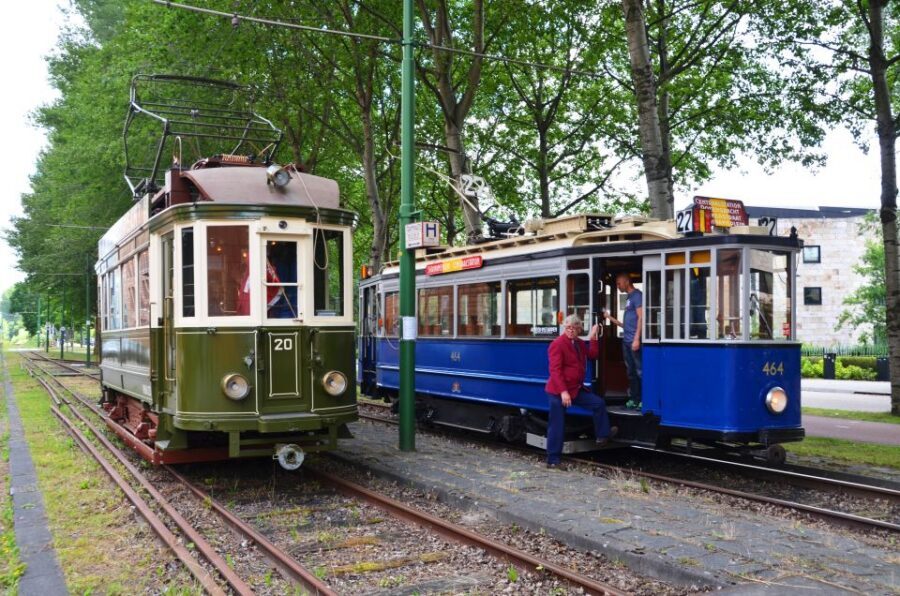
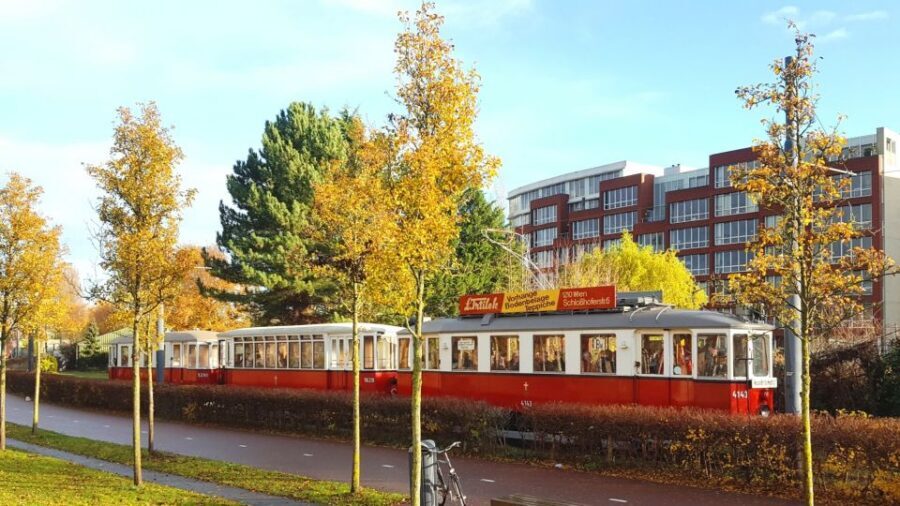
This ride is built around the sensation of stepping into a different transport era. You’re not just looking at an old tram behind glass. You’re actually riding it, feeling how the tram hums, hearing the bell ring, and watching the simple, repeatable conductor-driven process that made tram travel normal long ago.
The other big reason it works is that the experience is hands-on. You get a real ticket punch with the conductor. Stops are called out, and you decide whether to stay on or get off. That turns a one-hour ticket into something more like a choose-your-own mini outing.
Now, about the scenery: if your goal is constant postcard views, set expectations. The tram’s own charm is the main event. The route can be calm and not packed with dramatic landmarks. The way to balance that is to anchor your time around the named stops—especially the ones that let you step into parks, gardens, or the area around the stadium.
You can also read our reviews of more historical tours in Amsterdam



Starting at Haarlemmermeerstation: Tramshop exchange to the first ride
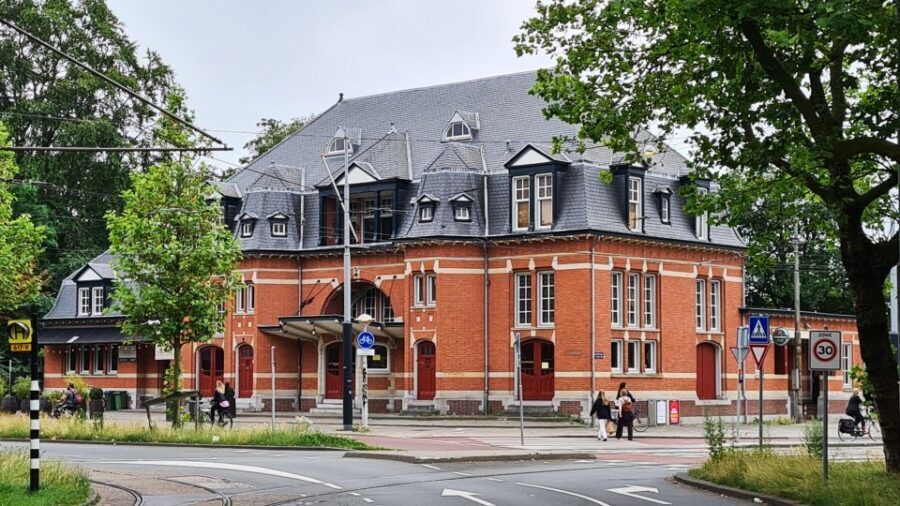
Your trip begins at Haarlemmermeerstation. Before you even reach the tram platform, you’ll exchange your voucher/ticket at the Tramshop. From there, a staff member guides you to the tram so you’re not wandering around guessing which door is the right one.
This is a nice touch for first-timers because it reduces friction. Amsterdam can be easy to over-plan. Here, you just follow the handoff, show up when your time starts, and focus on the ride.
A practical tip: arrive a few minutes early. Not because the system is complicated, but because the exchange happens before boarding. Once you’re on, you’ll want time to find a comfortable spot, get oriented, and hear the conductor procedures as they kick off.
Conductor moments: whistles, bells, and that punched ticket
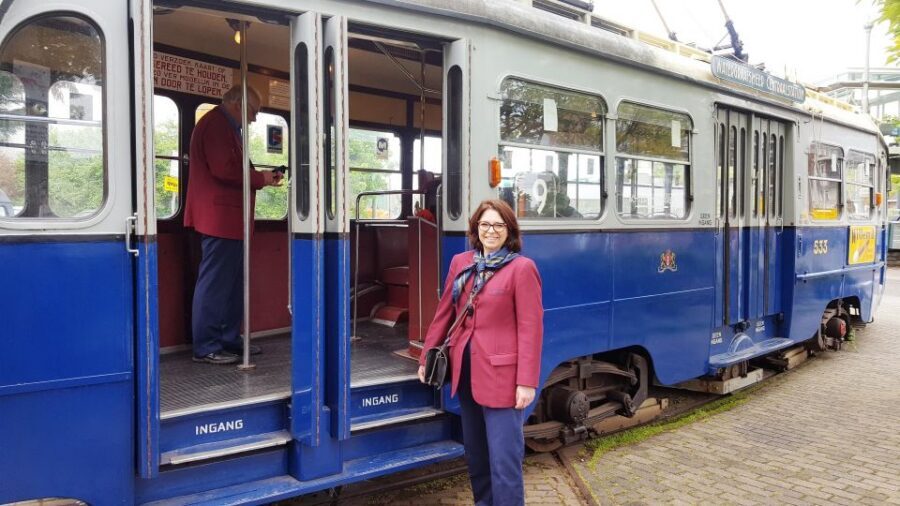
What makes this one fun is the ritual. You’re not watching it from afar. You’re participating in it. The conductor blows the whistle and rings the bell to signal readiness for departure. Then they punch your ticket in an old-fashioned way, turning you from passenger into part of the process.
This is exactly the kind of detail that feels small until you’re there. The bell has a particular sharpness. The whistle has a simple purpose. The whole thing makes the tram feel like a living system rather than a tourist prop.
You’ll also hear stops called out. When that happens, you can choose what you want to do next—stay onboard or get off to explore near that stop. That choice is the key to getting value from a one-hour duration.
Riding the historic Lijn 30: what the route delivers (and what it doesn’t)
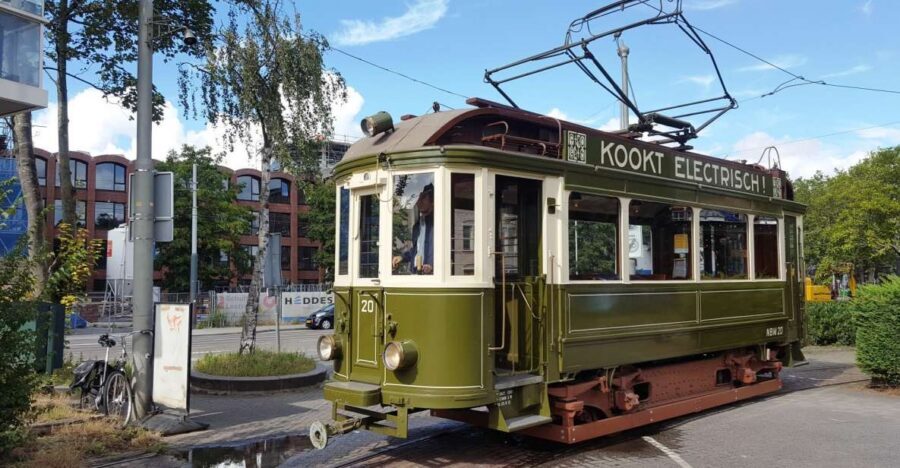
You’re traveling on Lijn 30, a heritage tram route that uses track dating back more than 100 years. That matters because the physical feel is part of the charm: the tram sounds different, and the ride rhythm feels older than modern tram lines.
But let’s be honest about the trade-off. The line can be light on major “wow” sightseeing when you’re simply watching from the window. That’s not a flaw in the tram itself—it’s just a reality of how this particular route plays out.
So, how do you make it work for you?
- Treat the ride as the attraction: sounds, ticket ritual, and restored operation
- Plan your off-tram moments around the specific places named for the stops
- Use the return trip as your buffer: you’re not committing to a full-day excursion, and the roundtrip structure keeps you from getting stuck long-distance without a ride back
If you’re the type who loves transit as an experience—rather than only as transportation—you’ll get more out of this than someone chasing nonstop landmarks.
Stops with actual plans: Olympic Stadion, Amsterdam Forest, and Bosbaan
A big part of the value here is that you’re not locked into staying on the tram for the full hour. The route includes several named stops where you can step off and enjoy what’s around you.
Olympic Stadion
This is one of the “on purpose” stops. It’s a good match if you like architecture or sports venues, or you want a change of pace right as the tram trip reaches Amstelveen. Even if you don’t do a long walk, getting off for a short look can break up the experience nicely.
Amsterdam Forest
If you want your ride to end with a stroll, this is the one. Forest time works well with a heritage transit day because it balances the seated, time-travel vibe with fresh air. You’re basically pairing tram nostalgia with a place to stretch your legs.
Lake Bosbaan
Lake Bosbaan is another smart reason to ride. Waterside areas give you something different from tram window views. You’ll get the sound-and-motion experience on the ride, then a calmer scene once you step off.
The overall strategy: get off only where it matches your interests. If you’re mainly there for the restored tram atmosphere, stay onboard. If you want photos and walking time, choose one or two stops and build a small plan around them.






Heemtuinen wildlife garden and the Old Village redbrick stop
Two other named stops can make the trip feel more varied than just stadium-forest-water.
Heemtuinen wildlife garden
This stop fits you if you enjoy gardens and gentle outdoor wandering. A wildlife garden can be a relaxed option when you don’t want to commit to something intense or far from the tram.
The Old Village in Amstelveen
This is the “street-level” change-up. You’ll pass through or step near the redbrick buildings of the Old Village area. If you like older-looking neighborhoods and slower strolls, it’s a natural way to round out the day. It also helps balance the ride portion, since the tram is the centerpiece and the village is the payoff.
Because the activity ends back at Haarlemmermeerstation, you’re essentially getting a short, guided-style transit loop with built-in chances to explore. You don’t need to overthink it—you just need to pick the stop(s) that match your mood.
At the terminus: vehicle change possibilities on the return
At the terminus point, it’s possible you’ll temporarily exit the tram, or you may change vehicles all together before the return trip. This is worth knowing in advance because you don’t want to assume you’ll stay on the exact same car for the whole roundtrip.
The good news is the operation is designed to cycle you back. You’ll see how the tram is prepared for the return journey, and staff help you keep moving.
Practical advice: when you’re approaching the end of the outward portion, keep an eye on staff instructions. If you do need to change vehicles, do it promptly so you don’t lose your place in the flow back to Haarlemmermeerstation.
Price and time: is $9 worth it?
At about $9 per person for a one-hour roundtrip, this can be a surprisingly good value—especially if you care about authenticity over sightseeing checklists.
Here’s what you’re paying for:
- Return transport on the heritage Lijn 30 tram
- The conductor experience (whistle, bell, ticket punching)
- A restored tramcar feel plus historic track operation
- The option to hop off at several named spots
What you’re not getting is a long, all-day itinerary loaded with major attractions. That’s the right mindset. Think of this as a low-cost slice of Amsterdam’s transit culture plus a few practical stop-and-stroll options.
Also, the duration matters. One hour is short enough to fit into a busy day, but long enough to feel like more than a quick ride-and-go. If you’re on a tight schedule, it’s a good use of time. If you’re craving big sights the entire way, you’ll likely want to pair this with other plans in Amsterdam or build your day around those stops.
Who should book this historic tram ride (and who should skip it)
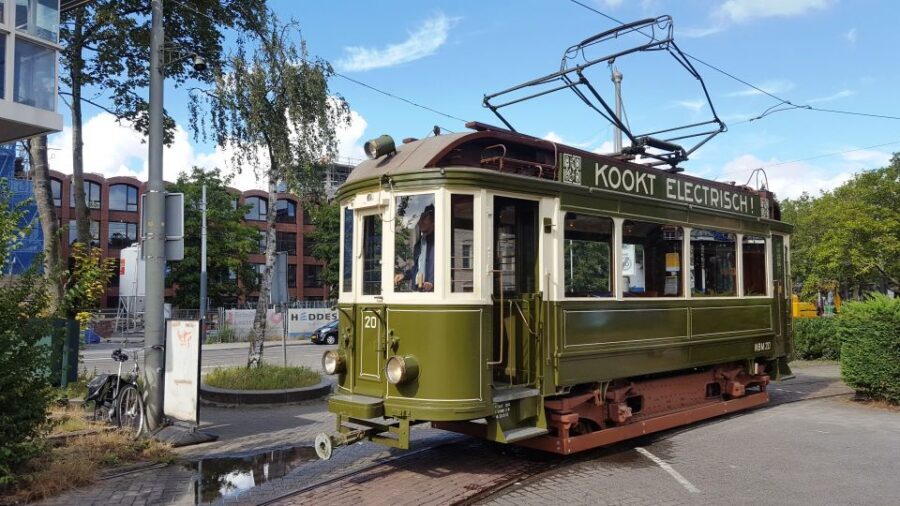
This experience suits you best if you enjoy:
- Old-fashioned details and real transit rituals
- Getting out for short walks at named stops like Olympic Stadion, Amsterdam Forest, or Bosbaan
- A calm, low-pressure outing where the tram itself is the star
On the flip side, it’s not suitable for everyone. The activity rules say it’s not suitable for wheelchair users and it’s not suitable for people with motion sickness. Also, it’s not suitable for those with mobility impairments.
If you fall into those categories, you’ll save yourself stress by looking for another way to enjoy Amstelveen or Amsterdam’s tram scene.
Final call: should you book the Lijn 30 heritage tram?
If your travel style includes noticing how things work—sounds, procedures, and the human role of a conductor—book it. This is one of the better-value ways to experience Amsterdam’s transport past without turning it into a whole-day project.
I’d especially recommend it when you want a practical, one-hour activity with built-in options to step off near interesting places. Pick one stop you genuinely want to walk around (Bosbaan and Amsterdam Forest are good bets), and let the rest of the ride be the fun part.
If you’re only hunting for continuous top-tier sightseeing from the window, you may feel underwhelmed. The tram is the attraction here, not a nonstop parade of landmarks.
FAQ
FAQ
Where does the historic tram ride start and end?
The ride starts at Haarlemmermeerstation in Amsterdam. The activity ends back at the same meeting point.
How do I get on the tram at the start?
You exchange your ticket in the Tramshop in Haarlemmermeerstation. You’ll then be guided from there to the trams.
How long is the ride?
The duration is 1 hour. Starting times depend on availability.
Is the ticket roundtrip or one-way?
It includes a return ticket from Haarlemmermeerstation (Amsterdam) to Amstelveen.
What’s included in the experience?
The included part is the return tram ticket. Food and drinks are not included.
What will I actually experience on board?
You’ll experience the old-fashioned tram operation, including conductor whistle and bell signals and the conductor punching your ticket.
Can I get off the tram during the trip?
Yes. Stops are called out and you can choose to get off to enjoy places such as Olympic Stadion, Amsterdam Forest, lake Bosbaan, Heemtuinen wildlife garden, and the Old Village.
Are there any restrictions on board?
Smoking, food, drinks, and alcohol or drugs are not allowed. Non-folding wheelchairs/strollers and electric wheelchairs are also not allowed.
Who is this not suitable for?
The activity is not suitable for wheelchair users, people with mobility impairments, and people with motion sickness.