REVIEW · AMSTERDAM
Cheese and Wine tasting in Amsterdam
Book on Viator →Operated by Old Amsterdam Cheese Store · Bookable on Viator
Cheese and wine in Amsterdam can be quick and fun. This one focuses your attention fast: you sample five award-winning cheeses and learn how to taste them, then match them with white, red, and port wines at Old Amsterdam’s shop setup. It’s a solid food stop if you want something more than wandering and snacking.
I like how the session is built around pairing (not just eating), so you learn what changes when the wine goes with goat vs. cow cheeses and different aging levels. I also like the human factor: guides such as Ron Pieters, Maria, and Luca show up in the experience in a way that feels practical and friendly. The only real downside to consider is time: at around 55 minutes, it’s not a slow, sit-down tasting with extra courses—so plan it as your focused “one good hit” of cheese education.
In This Review
- Key points before you go
- Old Amsterdam Cheese Store and the Damrak meet-up
- The 55-minute tasting flow: what you’ll do step by step
- Five award-winning cheeses: how to compare flavors like a pro
- White, red, and port pairings: the part that actually teaches
- Included vs. not included: what $32.65 buys you
- The guide factor: what makes the experience feel personal
- Logistics that matter in Amsterdam: timing, age, and getting there
- Who should book this cheese and wine tasting?
- Price and value: is $32.65 worth it?
- Should you book? My quick decision rule
- FAQ
- How long is the cheese and wine tasting in Amsterdam?
- Where do I meet for the tasting?
- What is included in the price?
- What is not included?
- Is there an age limit since wine is included?
- What is the cancellation policy?
Key points before you go
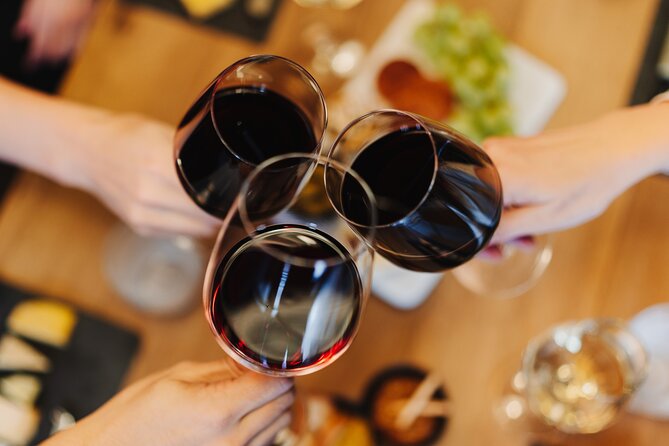
- Five cheeses, worked through one by one so you can actually compare flavors
- White, red, and port wines used on purpose for different cheese styles
- A guide-led format with lots of Q&A and pairing guidance
- Central meeting point on Damrak and a venue designed for tasting upstairs
- Small group size (max 26) which helps keep it lively without feeling chaotic
- You may leave with a shop discount (some sessions mention 10% off cheese)
Old Amsterdam Cheese Store and the Damrak meet-up
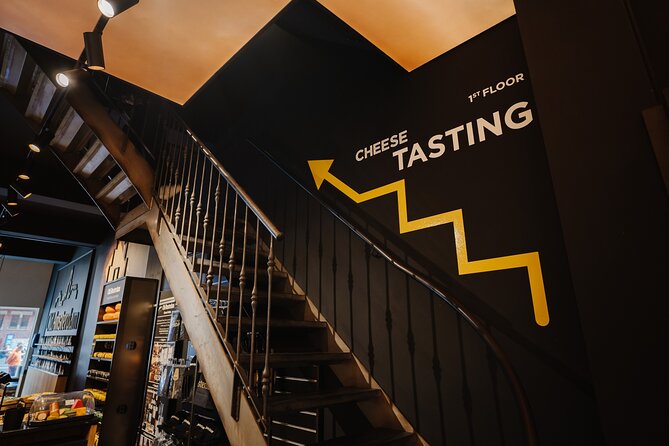
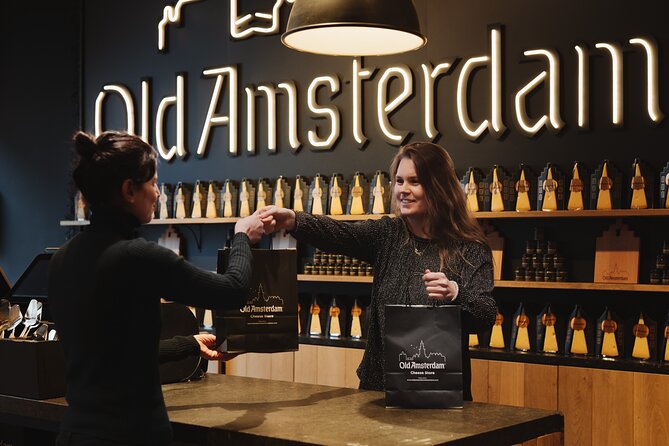
This experience is anchored at the Old Amsterdam Cheese Store in the heart of the city. Your start point is Damrak 62HS (1012 LM), which is easy to reach if you’re already moving around central Amsterdam. The activity ends back at the meeting point, so you’re not getting dropped into some maze of transfers.
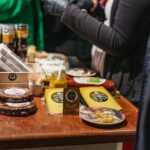
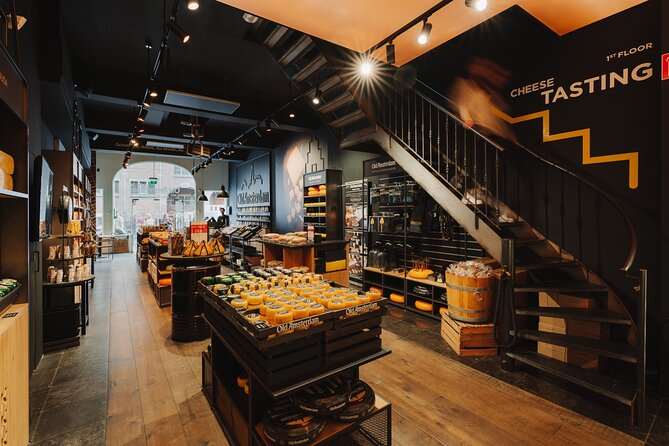
Inside, the tasting is organized around a “shop on the ground, learning upstairs” feel. That matters because you’re not doing a scattered walking tour while your food gets cold. You get a setting where the guide can talk, you can taste, and you can keep the flavors straight.
One more practical note: this is offered in English, with a mobile ticket. Confirmation comes right around booking time, so you won’t be scrambling for paperwork once you’re in Amsterdam.
You can also read our reviews of more food & drink experiences in Amsterdam


The 55-minute tasting flow: what you’ll do step by step
The schedule is short on paper—about 55 minutes—but it’s paced so you can learn without getting hungry. Here’s the rhythm you should expect from the way the tasting is described and how it’s run:
First, you start at Old Amsterdam and move into the tasting area. Then the guide walks you through the five cheeses as you taste. You don’t just get handed bites; you get an explanation of what to notice and how the cheese is made and aged.
Next, the wines come in as partners rather than as an afterthought. You’ll taste wines alongside specific cheeses, usually including a white, a red, and a port. The goal is for you to start recognizing why some pairings feel smoother, tangier, or more balanced.
Finally, there’s often a bit of “okay, test what you just learned” energy. Some sessions are described as including a small quiz at the end, with a prize for the winner, and you may receive a booklet that spells out the cheese and wine names you’re trying.
That’s a big part of the value here: you leave with a framework for tasting, not just a full stomach.
Five award-winning cheeses: how to compare flavors like a pro
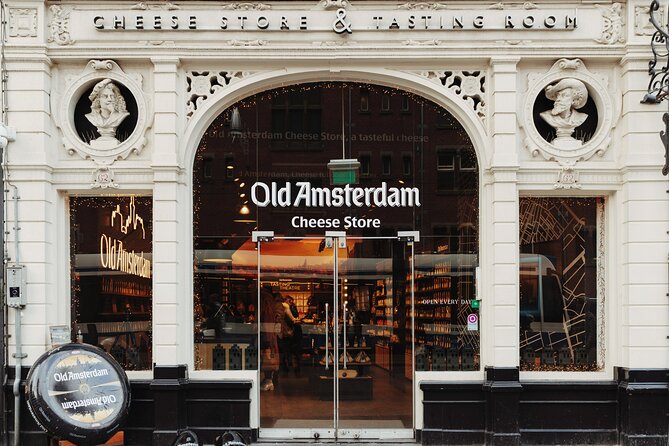
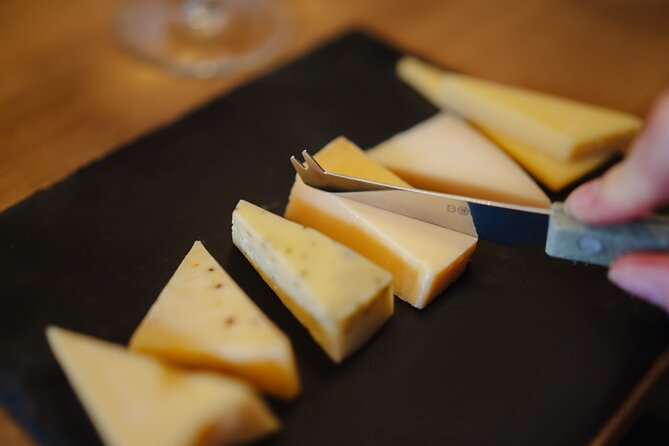
What makes this experience feel more serious than a basic sampler is that the cheeses are chosen to teach comparison. The tasting covers five different types of award-winning cheeses (2024), and the guide’s job is to help you separate “I like it” from “I can taste why.”
You’ll likely run into the goat vs. cow conversation right away. Reviews mention learning how to tell the difference between goat and cow mild cheeses, and how aging changes the flavor. That’s useful because Dutch cheese can feel same-y at first if you only notice salt and “cheesy.” Here, you get taught to notice structure—texture, aroma, and the way flavors develop in your mouth.
Aging also becomes part of the lesson. Some cheeses in these tastings are described as ranging across ages (for example, goat and cow cheeses from 4–18 months in one review). Even if the exact lineup varies by session, the teaching method is consistent: young cheese tends to feel milder and fresher, while older cheese often brings more depth and sharper character.
If you’re a beginner, this is a perfect entry point. If you already know cheese, it still works because the guide frames the tasting around how pairings react—so you can refine your palate faster than you can by reading alone.
White, red, and port pairings: the part that actually teaches
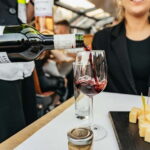
Wine pairing sounds fancy, but the best part is that it’s explained in plain terms. You taste a set of three wine styles—commonly a white, a red, and a port—with the cheeses. The guide then helps you connect what you’re tasting to why it works.
This is where I’d expect you to get your biggest “aha.” A good pairing guide doesn’t just say, this goes together. It explains the balancing act: how acidity cuts through richness, how sweetness can soften salty notes, and how tannins (in reds) can react differently with fatty textures or aged rind flavors.
In reviews, the guide is repeatedly described as walking people through when white or red wines work best with different types and ages of Gouda. Even if you’re not a wine expert, that guidance turns the tasting into a mini class you can use later when you buy cheese at home.
One practical tip: don’t rush the wines. If you take a sip right after the cheese, you’ll miss the contrast. The experience is structured so you can compare systematically—follow that pacing, and you’ll get more out of the same 55 minutes.
Included vs. not included: what $32.65 buys you
At $32.65 per person, this tasting isn’t “cheap,” but it also isn’t overpriced for central Amsterdam if you treat it as a guided food education session. You get:
- Food tasting (cheese samples)
- Wine tasting (paired pours)
- Cutlery (so you’re set for comfortable eating)
What’s not included is private transportation, which makes sense because you’re meeting at a fixed location on Damrak and returning there. If you’re taking public transit or walking, you’re fine.
The value improves further if you plan to buy cheese after. One review mentions a 10% discount on cheese at the end. Even if you only buy a small pack for a picnic or a gift, that can soften the cost of the tasting quickly.
Also, group size matters. With a maximum of 26 travelers, you’re more likely to get attention when you ask questions. That’s worth something, especially in a tasting where explanations help you taste better.
You can also read our reviews of more wine tours in Amsterdam




The guide factor: what makes the experience feel personal
The guides are a real selling point here. People mention hosts like Ron Pieters, plus guides such as Maria and Luca, described as engaging and friendly. What you’re looking for in a tasting guide is the ability to translate food science into something you can taste.
In practical terms, that shows up as:
- Clear pairing guidance (what changes and why)
- A willingness to answer questions
- A guided pacing so you taste the right thing at the right time
Some reviews also mention presenters using screen support and a more “event-style” setup upstairs, which helps if you learn best by seeing information while you taste.
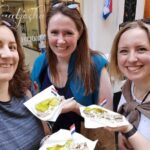
If you’re traveling solo, that’s another plus. A small-group, guided tasting is an easy way to share a table moment with other people without awkward small talk. If you’re with friends or a couple, it’s also a fun shared activity where you can argue—politely—about which cheese wins and which wine match felt best.
Logistics that matter in Amsterdam: timing, age, and getting there
This is a mobile ticket experience, and you’ll receive confirmation at the time of booking. You should arrive at Damrak 62HS close to the start time so you don’t cut into your tasting window.
Because wine is part of the experience, there’s a clear rule: minimum drinking age is 18. If you’re traveling with anyone under that age, they may not be able to participate in the wine portion.
Good news for logistics: it’s near public transportation, and the venue is set up for most travelers to join. Service animals are allowed as well.
Dress code is basically casual. The only gear you need is a curious mood and a willingness to taste slowly.
Who should book this cheese and wine tasting?
This tour fits best if you’re in one of these moods:
- You like food activities that teach you how to taste, not just what to eat.
- You’re curious about Dutch cheese beyond the basics.
- You want a central, time-friendly activity that works even if your day runs hot and cold.
It may not be the right fit if you want a long, heavy meal. This is a tasting session, so portions are designed for comparison. If you’re the type who wants a full dinner afterwards, plan one meal route after the tour so you’re not left searching for food at the end.
One other consideration: a few reviews point out that the cheese lineup can feel similar depending on your flavor preferences. If you only like strongly flavored or highly spiced cheeses, you might find this more classic than adventurous. Still, the point here is education through mainstream Dutch cheese styles and aging.
Price and value: is $32.65 worth it?
Let’s talk value in plain terms. For $32.65, you’re paying for:
1) Guided instruction (the “how to taste and pair” coaching)
2) Multiple cheese samples (not just one or two)
3) Multiple wine pours (not just a sip)
In Amsterdam, guided food experiences tend to cost more than self-guided tastings because you’re buying expertise and structure. Here, you get a tight package: about an hour, five cheeses, and three wine types.
If you’re planning to shop at a cheese store anyway, this can be an efficient way to learn what you actually want to buy. Add the possibility of a 10% discount mentioned in reviews, and the math becomes even easier.
Should you book? My quick decision rule
Book it if you want a focused, high-reward food lesson in central Amsterdam—especially if you enjoy learning how flavors connect. I’d also book it if your schedule is tight and you want something structured that won’t eat a whole day.
Skip it (or consider another option) if you want a longer sit-down meal, or if you prefer very bold or flavored cheeses over classic styles. This tasting is more about pairing and aging than about wild flavors.
If you do book, go in with one goal: taste slowly enough to notice changes. That’s how the “cheese master” explanation turns from entertainment into real understanding you can use the next time you order cheese and wine.
FAQ
How long is the cheese and wine tasting in Amsterdam?
The experience runs for about 55 minutes.
Where do I meet for the tasting?
You meet at Damrak 62HS, 1012 LM Amsterdam, Netherlands. The activity ends back at the meeting point.
What is included in the price?
The tasting includes food tasting, wine tasting, and cutlery.
What is not included?
Private transportation is not included.
Is there an age limit since wine is included?
Yes. The minimum drinking age is 18 years.
What is the cancellation policy?
You can cancel for a full refund up to 24 hours before the experience starts. Free cancellation applies as long as you cancel at least 24 hours in advance.