REVIEW · AMSTERDAM
Red Light Secrets: Museum of Prostitution Amsterdam
Book on Viator →Operated by Red Light Secrets Museum · Bookable on Viator
Glass windows tell a real story. In Amsterdam, Red Light Secrets Museum of Prostitution turns a former brothel into a learn-by-walking experience about sex work, with audio and history right where the neighborhood gets its reputation.
I especially liked the audio stories from Inga, because they bring a human voice to topics that are usually just whispered. I also liked that the museum is photo-friendly, so you can actually document what you see and compare it to what you notice outside on the streets.
One watch-out: the layout is compact and can feel busy, so if you hate crowds or tight spaces, go with patience and plan your timing.
In This Review
- Key highlights at a glance
- Stepping into a former brothel, right in the action
- The self-paced audio tour: Inga’s stories guide your timing
- Window-room perspective: what it feels like to invite customers
- History and a typical day: more than street-level shock
- Confessions wall: the emotional closer that lingers
- Price, timing, and how to avoid a rushed visit
- Who should book Red Light Secrets, and who should skip it
- Should you book this Amsterdam museum?
- FAQ
- Is this experience self-guided or guided by a person?
- What language is the tour offered in?
- How long does it take?
- Are photos allowed?
- Who can attend?
- When is the last time you can enter?
- How much is the ticket?
Key highlights at a glance
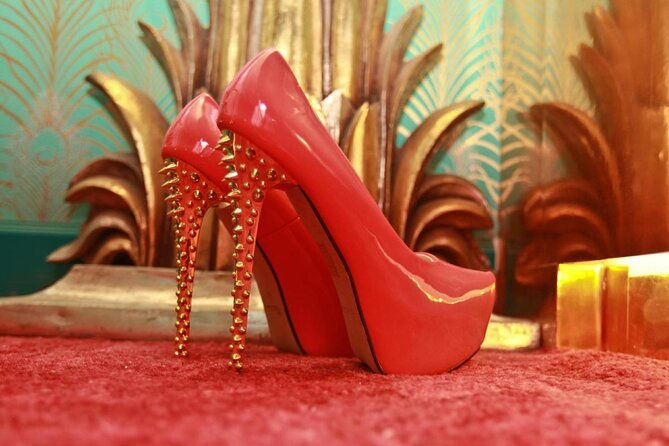
- Former brothel rooms: an authentic Dutch building inside the district, not a generic exhibit space
- Inga’s personal audio: you follow the story at your own pace with built-in guidance
- Window-room perspective: you can sit where workers used to invite customers, and understand the pitch
- History + a typical day: you’ll get context beyond just facts and photos
- Confessions wall: a heavier final moment that sticks with you
- Photos allowed: unlike most of the Red Light District, pictures are welcome here
Stepping into a former brothel, right in the action
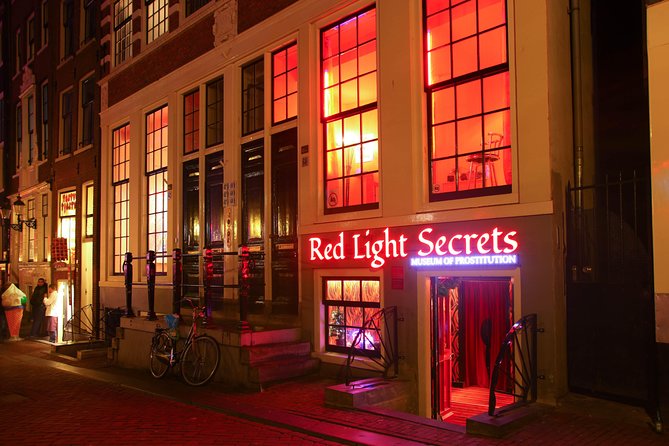
The Red Light District can feel like a mash-up of nightlife, tourism, and business-as-usual. Red Light Secrets is different because it gives you an indoor lens. You’re not staring at glass only from the street. You’re inside rooms that mirror how this world functioned, which makes the whole topic feel less abstract.
The museum is set in an older building used as a brothel, and that matters. It’s one thing to read about sex work; it’s another to stand in the space where windows, doors, and small rooms shaped daily routines. You can also connect dots faster. Outside, everything is fast and flashy. Inside, you slow down just enough to notice how the neighborhood’s rules come from real lives, not just stereotypes.
This is also the kind of museum that tries to remove some of the taboo. That doesn’t mean it turns everything cheerful. It means the tone aims for clarity, with a light-hearted, informative approach in places, while still acknowledging the seriousness of the industry.
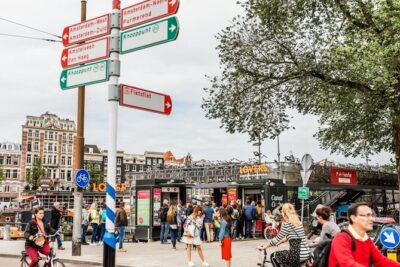
And yes, it’s located in the center of Amsterdam, near public transportation. That’s helpful because you can pair it with nearby sights. But it also means the area can be crowded when you arrive, so being strategic about timing will make a big difference.
You can also read our reviews of more museum experiences in Amsterdam



The self-paced audio tour: Inga’s stories guide your timing
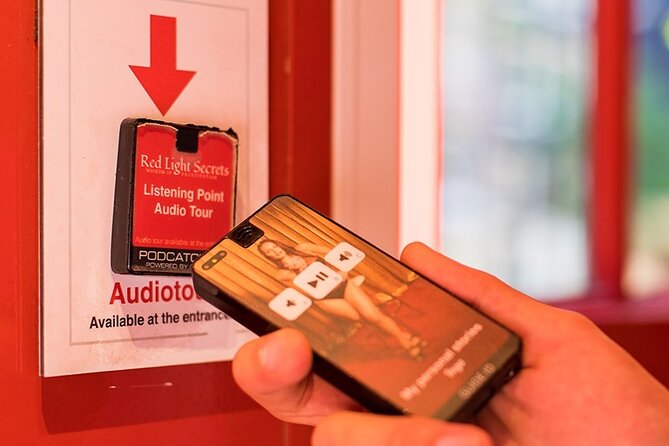
Red Light Secrets is built around audio and a booklet, offered in English. That structure is one of the best parts for practical travelers. You’re not stuck following a strict script with a group pressing behind you. Instead, you move through the museum at your own speed, and the story unfolds as you go.
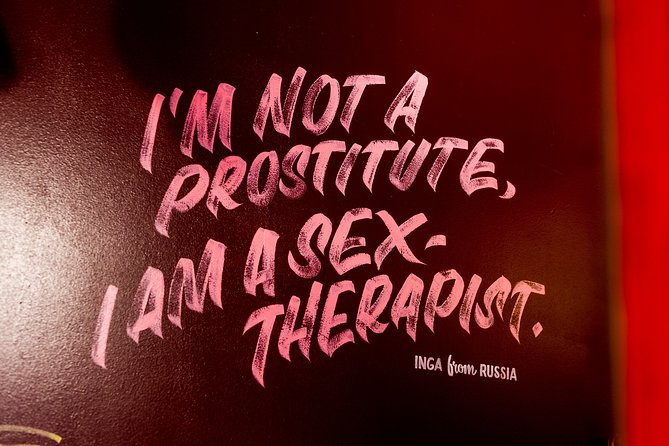
The headline detail is that you’ll listen to Inga’s personal audio stories. That personal voice changes the feel of the visit. Facts are useful, but a narrated point of view helps you notice what people actually had to think about day to day—things like choice, control, safety, and the economics of attention.
The booklet about the Red Light District is also a smart backup. Audio can be great, but it’s easy to miss small points when you’re walking. The booklet gives you something to reference while you stand still for a minute. It’s the kind of combination that works well if you’re traveling with someone who wants details, or if you’re the type who likes to connect what you hear with what you see.
One more tip: because it’s self-guided, you can accidentally rush. If you want the experience to feel meaningful, plan to linger. Take your time in the rooms where the museum invites you to consider how workers presented themselves and how passersby might have responded. The pacing is your choice—use it.
Window-room perspective: what it feels like to invite customers
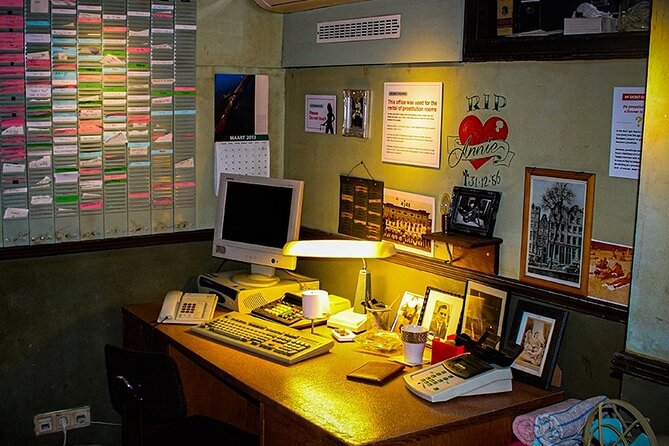
The museum’s main creative move is the way it recreates the window experience. You get to sit behind one of the famous windows, the kind you recognize from photos of Amsterdam at night. From that position, the neighborhood’s dynamics click faster.
This is the part of the visit that’s most likely to surprise you. It’s not just a staged photo op. The museum pairs the window viewpoint with explanations and the idea of an invitation process—how someone tries to be noticed, how timing and routine matter, and how the job requires constant attention.
The museum also leans into perspective. Instead of treating sex work as something that happens to other people, it encourages you to think about the lived experience of workers themselves. You’ll hear stories framed around real routines and how the industry has changed over time, plus context about the history of the neighborhood.
And here’s a practical advantage: inside Red Light Secrets, pictures are allowed and encouraged. That’s not the norm in most Red Light District settings. So you can actually capture details of the interior exhibits, then later compare your photos to the street scene you see outside. It’s one of the few places in the area where your camera feels genuinely welcome rather than intrusive.
History and a typical day: more than street-level shock
A lot of people think this kind of museum will be mostly shock value. Red Light Secrets tries to do the opposite: it connects the neighborhood to history and daily life.
You’ll get a guided experience of the past and how the Red Light District developed. You’re also shown ideas about a typical day in the life of a working girl. That piece helps you avoid the trap of thinking sex work is a single, simple job. Instead, it’s presented as something shaped by rules, risks, and relationships—with constant pressure to adapt.
This is also where the museum’s light-hearted informative tone comes into play. In places, it may feel quirky in the way it presents the material, but the goal seems to be removing the automatic judgment people carry when they only see the street. You get a chance to ask different questions, like: What does agency look like in such a system? What does power mean here? How do laws, stigma, and visibility change the work?
If you’re someone who likes context—laws, social attitudes, or how neighborhoods evolve—this is the part you’ll appreciate most. If you want an in-depth academic history, you might find the museum’s time feels short. But for travelers who want a clear introduction, it’s one of the more useful ways to learn without pretending this is normal tourist entertainment.
Confessions wall: the emotional closer that lingers
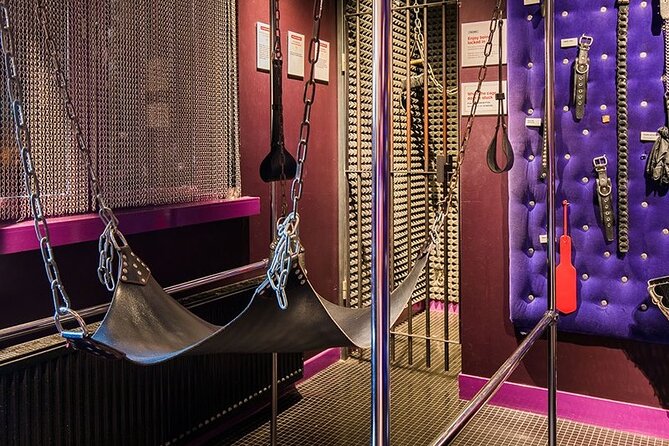
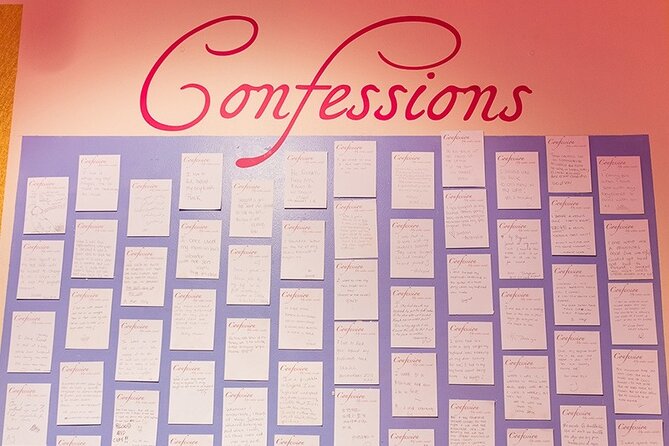
The ending is what I’d call the emotional punctuation mark of the visit. You’ll reach a section known as the confessions wall, where visitors are confronted with raw statements tied to the industry. It’s also described as something not for the faint-hearted, which is the museum’s way of warning you that this is no longer just facts and window scenes.
This part can change how you feel about the whole visit. Earlier rooms can feel like you’re learning a system. The confessions wall brings you back to human impact. Even if you came in curious, it’s the moment that turns curiosity into reflection.
If you’re sensitive to heavy topics, plan your timing so you’re not rushing out to other nightlife plans. I’d treat the confessions wall like the last chapter of a book you might want to read slowly. Don’t plan to sprint through it. Let it sit for a minute before you step back into the street.
There’s also a strong practical reason the ending works: you leave the museum with language and structure in your head. You’ve walked through how the job is presented, how history shaped the area, and how the world of workers can’t be reduced to one image. That makes it easier to look at the Red Light District outside with more nuance.






Price, timing, and how to avoid a rushed visit
The ticket price is about $17.42 per person. For that money, you get entrance to a compact museum experience, plus Inga’s personal audio stories and a booklet. The value here is less about square meters and more about format: you’re paying for a guided narrative you can follow immediately, in English, in the exact place the neighborhood is known for.
Duration is listed as about 1 hour. In practice, your pace matters a lot. If you move fast, you may feel like you didn’t get your money’s worth. If you take your time—especially in the window-room area and the heavier final section—you’ll likely feel like the experience is paced better.
That leads to the biggest logistics tip: go at a time when you can actually stand and listen. The museum can get busy, and the rooms are small. When it’s crowded, you might feel squeezed trying to hear audio and read signage. If you can, choose earlier hours or any slot when you think fewer people will be inside.
Also note timing constraints: the last admission is 1 hour before closing. Don’t show up at the door half-thinking you have time. If you want the audio to land, arrive with enough runway.
Transportation is straightforward since the museum is near public transit. The bigger challenge is the neighborhood itself: you’ll be moving through the Red Light District streets. That’s part of the point, but it’s smart to wear comfortable shoes and keep a calm head if the street scene feels chaotic.
Who should book Red Light Secrets, and who should skip it
You’ll probably enjoy Red Light Secrets most if you want a more structured introduction to the Red Light District. It’s a good fit for curious travelers who have seen the windows from the street and want context: history, how the neighborhood works, and how workers describe their own day-to-day reality.
It also suits groups well. The audio format can work even when people in your group have different interests—one person might focus on history, another on the window perspective—while you still all finish the visit together.
It might not be the best choice if you hate tight spaces, dislike crowds, or need a long, museum-style sweep. Some visitors feel the experience is shorter than expected, and the building’s size can contribute to a rushed feeling if you’re not careful.
One more filter: it’s only suitable for age 16 and older. If you’re traveling as a family with teens, double-check that everyone is comfortable with adult themes before you go.
Should you book this Amsterdam museum?
If you’re coming to Amsterdam and you want to understand the Red Light District beyond neon and headlines, I think Red Light Secrets is worth considering. The window-room perspective, the audio guidance, and the fact that you get both context and emotional weight are the main reasons. It’s not pretending to be something it isn’t—it’s a compact museum experience with a point of view.
Book it if you can do two things: arrive when you can listen, and give yourself time to stay present during the confessions wall. Skip it if you’re hoping for a large, slow, academic museum, or if you know you struggle in cramped spaces.
If you want one practical rule: plan for about an hour, but be ready to go longer. The stories only work when you don’t rush past them.
FAQ
Is this experience self-guided or guided by a person?
It includes audio stories and a booklet, and the format is meant for you to go through the museum at your own pace.
What language is the tour offered in?
The experience is offered in English.
How long does it take?
The duration is listed as about 1 hour. How long you take can depend on how slowly you move through the rooms.
Are photos allowed?
Yes. The museum encourages pictures inside, unlike most of the Red Light District.
Who can attend?
This activity is only suitable for age 16 and older.
When is the last time you can enter?
The last admission is 1 hour before closing time.
How much is the ticket?
The price is listed as $17.42 per person.