REVIEW · AMSTERDAM
Rembrandt House Museum Amsterdam Entrance Ticket
Book on Viator →Operated by Rembrandt House Museum · Bookable on Viator
Rembrandt’s studio feels like a time machine. With your ticket to Het Rembrandthuis, you walk through Rembrandt van Rijn’s preserved home and studio while a multimedia guide maps his life and work room by room. You’ll also get a close look at etchings and drawings, plus period furnishings that help 17th-century Amsterdam click into place.
The best part for me is the hands-on feeling: in the studio area you’re shown how he made paint, and you can catch daily live etching and painting demonstrations. One main consideration: plan extra time because the audio/multimedia experience can take a moment to load and the room flow can feel slightly hard to track as you go.
In This Review
- Key highlights that matter when you buy
- Entering Het Rembrandthuis: what this ticket really gets you
- Stop 1: the house and studio rooms where the story stays physical
- The 2023 additions: epilogue room, etching attic, and the extra exhibition space
- Daily etching and painting demonstrations: the part to build your timing around
- Multimedia guide in 13 languages: how to use it without getting annoyed
- “How paint was made” and “how prints were made” is the heart of the experience
- Stairs, pacing, and comfort: plan smart for the house layout
- Getting there: near public transport and easy to fit into an Amsterdam day
- Who should book this ticket (and who might not love it)
- Should you book the Rembrandt House Museum entrance ticket?
- FAQ
- How much is the Rembrandt House Museum entrance ticket?
- How long should I plan to spend at the museum?
- What ticket format do I get?
- Is the multimedia guide included, and are there language options?
- Are daily live demonstrations included with the ticket?
- Does the ticket include access to Rembrandt’s home and studio?
- Is the museum easy to reach by public transportation?
- What’s the cancellation policy?
- Is it suitable for people with mobility concerns?
Key highlights that matter when you buy
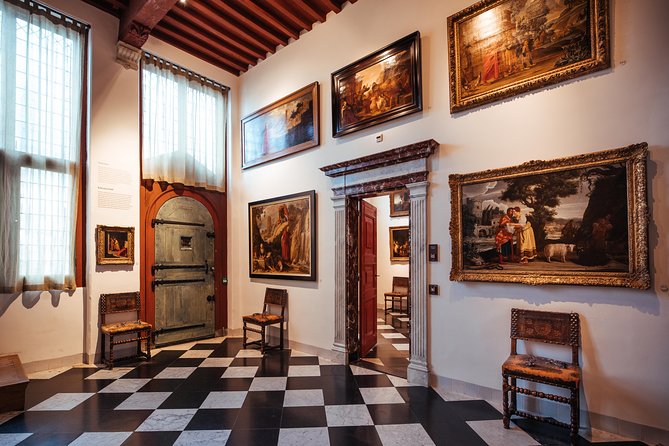
- Studio-first storytelling: follow the arc of his career from celebrity artist to hard times
- New 2023 rooms: epilogue room, an etching attic, and a third exhibition space added during the reopening
- Daily live demos: free live workshops/demonstrations happen each day
- Prints and process: you see how techniques work, not just finished results
- Free multimedia in many languages: guidance is included, and English is available
Entering Het Rembrandthuis: what this ticket really gets you

This is one of those Amsterdam stops where the building itself does half the talking. You’re not just looking at Rembrandt’s art behind glass. You’re walking through the house and studio space tied to the painter’s working life, with a multimedia guide doing the heavy lifting to connect objects, rooms, and techniques.
Your ticket is priced at $26.01 per person, and it’s not a bare-bones entry. The value comes from what’s bundled in: a free multimedia guide, daily live demonstrations/workshops, and even a multimedia option aimed at families. For many museums, you’d pay extra for a guided audio experience and for process-based programming. Here, it’s included.
The setup is also low-stress. Your experience runs about 1 hour (approx.), but I strongly suggest planning closer to 2 hours if you want the full effect. In a small museum with lots of stair steps and lots of small details, moving too fast means you miss what makes it special.
One more practical note: the experience is capped at a maximum of 15 people. That usually means less chaos, and you’re not trying to squeeze past a crowd while you’re trying to read labels and watch a demonstration.
You can also read our reviews of more tours and experiences in Amsterdam



Stop 1: the house and studio rooms where the story stays physical
The main stop is Museum Het Rembrandthuis, and it’s all about turning biography into a walkable route.
The museum’s reopening in 2023 added 30% more Rembrandt, plus five new museum spaces. That matters because the experience isn’t just “stand in rooms.” You get a structured path that follows Rembrandt’s life story—starting with his arrival as an ambitious celebrity artist and shifting into the reality of debts that later forced difficult changes.
Inside, you’ll spend time in:
- rooms connected to his life and work
- a viewing of etchings and drawings by Rembrandt and his contemporaries
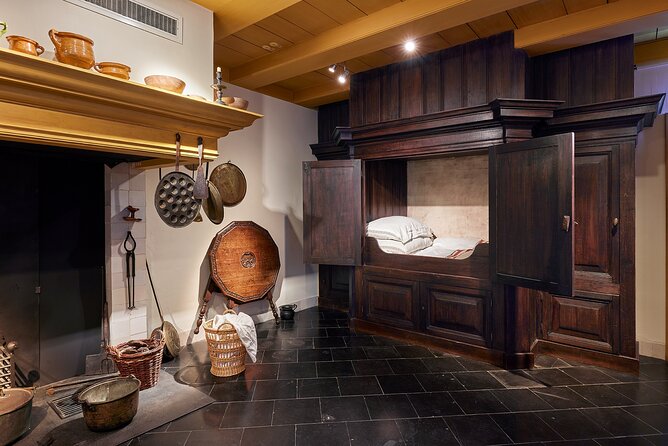
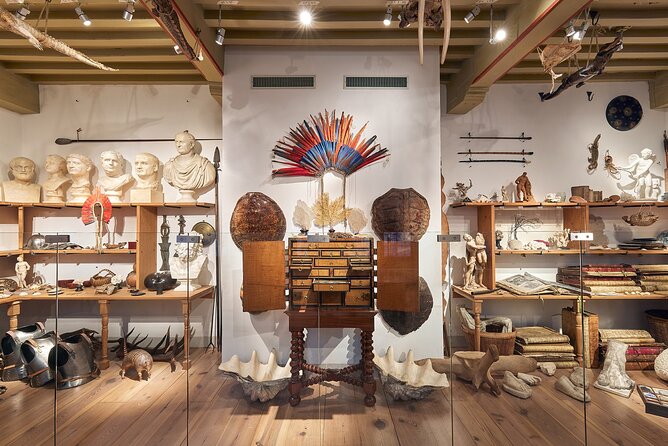
- period furnishings and artifacts that show how people lived in 17th-century Amsterdam
Here’s the honest takeaway: the focus isn’t an endless gallery of famous canvases. The power comes from context and process. Some objects may be period-appropriate rather than exactly the same items you’d find in a history textbook photo, but the overall effect is convincing. You start thinking like a visitor from 1670, not like a modern person speed-scanning an exhibition.
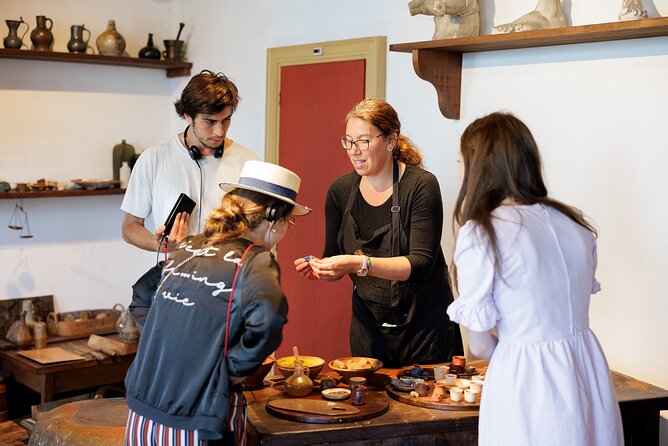
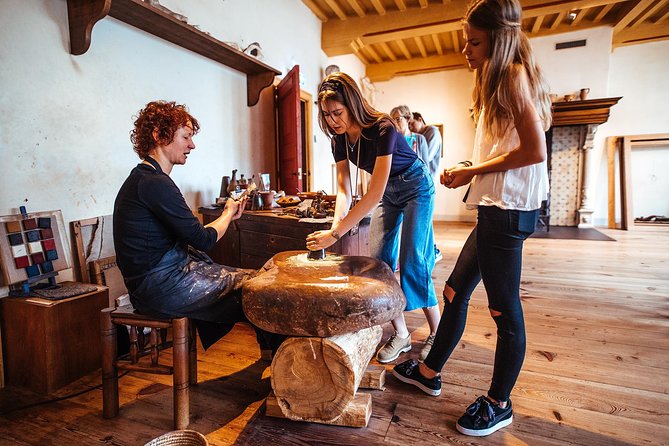
And the studio element is the big draw. In the exact studio area tied to his work, you’ll learn how he made his paint—the sort of detail that makes the paintings feel less magical and more human.
The 2023 additions: epilogue room, etching attic, and the extra exhibition space
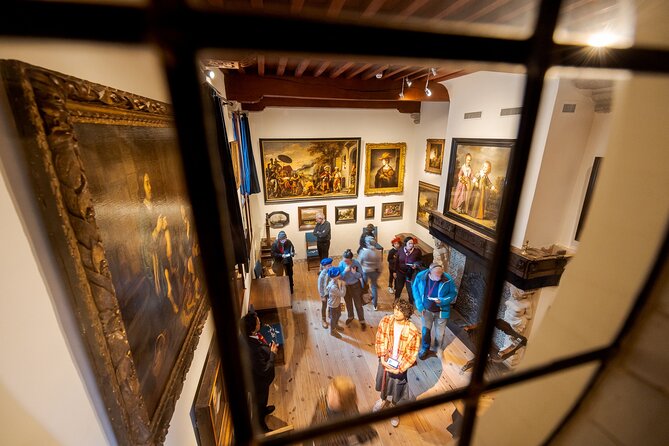
If you like museums that keep improving, you’ll appreciate that this one got bigger in 2023. The museum added an epilogue room, an etching attic, and a third exhibition room, plus a new multimedia tour that is designed to make the whole 17th-century setting feel active.
The etching attic is where the museum really shifts from story into craft. You learn more about etching techniques, and the presentation is set up so it feels like you’re learning from the workshop rather than reading a history panel. If you’ve ever wondered why Rembrandt’s prints feel so textured and alive, this section helps you see the steps behind the look.
The epilogue room helps you understand that Rembrandt’s story doesn’t end at the moment it gets messy. It’s a proper wrap-up, not a quick sign-off, which is useful if you don’t already know the timeline.
The new exhibition space adds breathing room too. Instead of everything stacking into one main hall, you get a more distributed route. That also means it’s easier to watch demonstrations without constantly bumping into other groups.
Daily etching and painting demonstrations: the part to build your timing around
This ticket includes free daily live demonstrations/workshops, and this is where I think the museum earns its keep.
Watching technique in action changes everything. A label can explain what an artist did. A demonstration shows how it’s done. You can often spot the difference between careful preparation and quick improvisation when you see the steps.
The museum’s programming includes demonstrations related to:
- etching (including demonstrations that connect closely to prints)
- painting processes connected to the era and Rembrandt’s working methods
In practice, this means you should not treat the museum like a strict one-hour sprint. If a demo is running while you’re there, plan to pause. Even if you’re not a hardcore art person, the mechanics of making prints and working with materials tends to hook people fast.
The demonstrations also make your multimedia experience feel more relevant. The audio guide tells you what you’re looking for; the demo shows why it matters.
Multimedia guide in 13 languages: how to use it without getting annoyed
You get a free multimedia guide in 13 languages, and English is available. That’s a plus if you’re bringing multilingual family members or if you want to stick to English but still have enough support for other languages nearby.
That said, there’s a real-world friction point. Some visitors find that the audio/multimedia can have startup delays, and the room flow isn’t always instantly obvious. Translation devices that take longer to load can push your timing, especially if the museum is already busy.
My practical advice:
- Arrive ready to wait a few minutes for audio. Don’t treat the first minute as guaranteed instant playback.
- When you start a new room, take one second to orient before you press play again.
- If you’re short on time, prioritize studio area and the etching attic rather than trying to hear every single segment.
Even with those hiccups, the guide is widely seen as essential. The reason is simple: it stitches together life events, the look of artworks, and the method behind them. Without it, you can still enjoy the house, but you miss the connective tissue.
You can also read our reviews of more museum experiences in Amsterdam






“How paint was made” and “how prints were made” is the heart of the experience
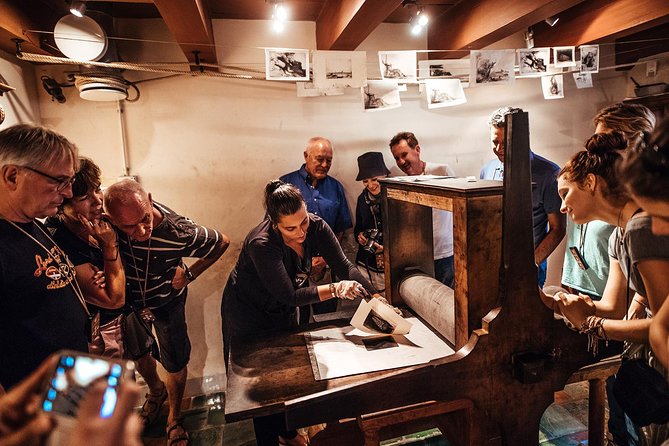
One of the most memorable features here is that you’re not only viewing art—you’re learning about the materials and techniques behind it.
In Rembrandt’s studio area, you’ll get the learning moment about making paint. This matters because painting is slow work. Knowing the components and process helps you understand why the final images look the way they do.
Then, in the print-related experiences—especially tied to etching—you’ll see how copper plate printing and etching techniques work. Even if the museum never turns into a full-blown lab, the demonstrations and guided explanation help you see prints as more than decoration. You begin to notice structure: lines, depth, and how working from a plate changes what you get on paper.
If you love art history, you’ll appreciate the technical clarity. If you’re more of a casual museum visitor, you’ll still get the payoff because the techniques make the artist feel real and close-up.
Stairs, pacing, and comfort: plan smart for the house layout
The house setting is part of the charm, and also part of the challenge. Expect steep staircases. The museum is narrow in spots, and moving slowly is often better than forcing a fast path.
So here’s the balance:
- If you’re comfortable with stairs and you like lingering, you’ll enjoy the pace.
- If stairs are a problem, you’ll want to think ahead so the experience stays pleasant rather than exhausting.
Also, don’t underestimate the time it takes to combine walking, reading, and audio. The ticket duration says about 1 hour (approx.), but I’d treat that as a minimum unless you already know you’ll skim.
A good plan is:
- Get in with enough time to let audio load.
- Spend extra moments where you see demos.
- Aim for a full circuit without rushing, then do a shorter second pass only if you’re still hungry for details.
Getting there: near public transport and easy to fit into an Amsterdam day
The museum is near public transportation, which makes it easier to stack into a day of canal-walking and museum-hopping. This is the kind of stop that fits well between bigger landmarks because it’s focused and self-paced.
One nice bonus from nearby experience: there’s a cafe near the corner that’s handy for a break, and around the area you may find a flea market style stop with clothes and souvenirs. That’s not required for the Rembrandt House to work, but it’s a useful way to stretch the outing into a fuller afternoon.
Who should book this ticket (and who might not love it)
This ticket is a strong match if you:
- want to see Rembrandt’s home and studio space
- like learning how art is made—especially paint and prints
- enjoy museums where the building layout and story are connected
- are traveling with kids and want a family-focused multimedia tour
You might be less thrilled if you:
- hate stairs and are worried about mobility
- want an ultra-fast museum experience with minimal waiting
- need audio to work instantly, every time, with no load time
If you’re on the fence, I’d still lean yes for most people. The process demonstrations are the kind of thing that can make even non-art-lovers say, OK, I get it now.
Should you book the Rembrandt House Museum entrance ticket?
Book it if you like art history that feels hands-on. The ticket price isn’t low, but the value is real because you’re getting included multimedia plus daily live demonstrations plus the studio and house setting. If you’re the type who likes your museum stops to leave you with a clearer sense of how things were made, you’ll have a good time.
Hold off or plan carefully if stairs or audio delays would stress you out. Give yourself extra time, and build in patience for the multimedia to start up.
If you want one “small museum” choice that feels personal and technical at the same time, this is it.
FAQ
How much is the Rembrandt House Museum entrance ticket?
It costs $26.01 per person.
How long should I plan to spend at the museum?
Plan for about 1 hour (approx.), but it’s smart to allow more time if you want to fully follow the multimedia guide and watch demonstrations.
What ticket format do I get?
You receive a mobile ticket.
Is the multimedia guide included, and are there language options?
Yes. The museum includes a free multimedia guide in 13 languages, with English offered.
Are daily live demonstrations included with the ticket?
Yes. Free daily live demonstrations/workshops are included.
Does the ticket include access to Rembrandt’s home and studio?
Yes. The experience focuses on visiting the well-preserved home and studio area of Rembrandt van Rijn.
Is the museum easy to reach by public transportation?
Yes. It’s listed as being near public transportation.
What’s the cancellation policy?
You can cancel for a full refund up to 24 hours before the experience starts. If you cancel within 24 hours of the start time, it’s not refunded.
Is it suitable for people with mobility concerns?
The entry notes that most travelers can participate, but the house has steep staircases, so people with mobility issues should consider that ahead of time.