REVIEW · AMSTERDAM
The Upside Down Museum Amsterdam Admission Ticket
Book on Viator →Operated by The Upside Down Amsterdam · Bookable on Viator
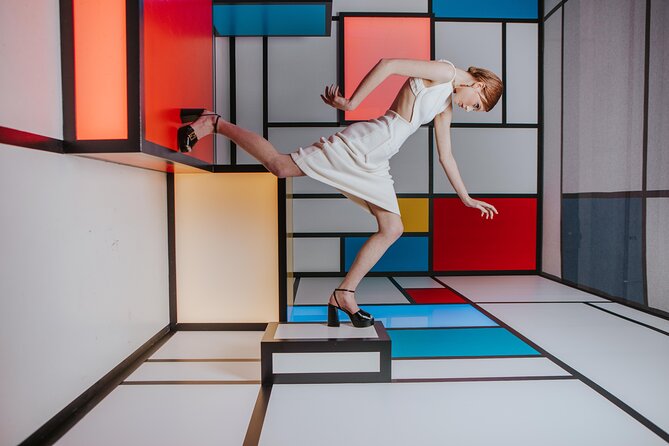
The Upside Down Museum is a fun detour from real life. It’s an interactive, Insta-first attraction in Amsterdam that lets you wander through 25 rooms and make your own visual story, all in about an hour. The big idea is simple: everything is turned on its head, and the rooms are built for pictures, quick laughs, and that kid-at-heart feeling.
I love the free digital photos captured by the museum’s installed cameras. You’re not just taking photos you hope turn out, you’re also getting an automatic digital set to download afterward. I also like the built-in flow: most areas move in a one-way setup, so you keep rolling from room to room instead of wasting time deciding what to do next.
One thing to think about: it can feel short and busy in peak slots, especially in the popular, cramped photo spots. If you’re hoping for something slow and calm like a traditional museum, this one will feel like a playful sprint rather than a deep experience.
In This Review
- Key things to know before you go
- Entering The Upside Down Amsterdam: your ticket turns into your photo pass
- Inside the 25-room experience: a one-way path built for photos
- Your best souvenir: free digital photos from installed cameras
- The rooms that usually steal your camera time
- Ball pits and trampoline-style fun
- Mirror-style rooms and twisty photo setups
- The upside-down “worlds” (and the occasional dizzy moment)
- Themed set pieces: metro train, airplane, and cozy seats
- Waiting times within rooms
- Timing and crowds: why the first slot often feels best
- What to do during your one-hour visit (a simple game plan)
- Cafe and on-site comfort: plan for snacks separately
- Accessibility and who this fits best
- Price and value: is $31.18 a fair deal?
- Should you book The Upside Down Museum Amsterdam?
- FAQ
- How long does The Upside Down Museum Amsterdam take?
- What does the ticket include?
- Are photo prints included?
- Is the experience offered in English?
- Do I need to bring a mobile ticket?
- Can I cancel or change the booking?
Key things to know before you go
- Book a timed slot so you get the date and entry moment you want without guesswork.
- Plan around a one-way route, meaning you won’t bounce back to earlier rooms once you pass through.
- Bring a charged phone because you’ll be taking lots of your own photos, not just relying on the cameras.
- Use the QR-based camera setup to trigger the self-timed photo capture in each area.
- Go early for breathing room if you want less crowd interference in the best photo moments.
Entering The Upside Down Amsterdam: your ticket turns into your photo pass
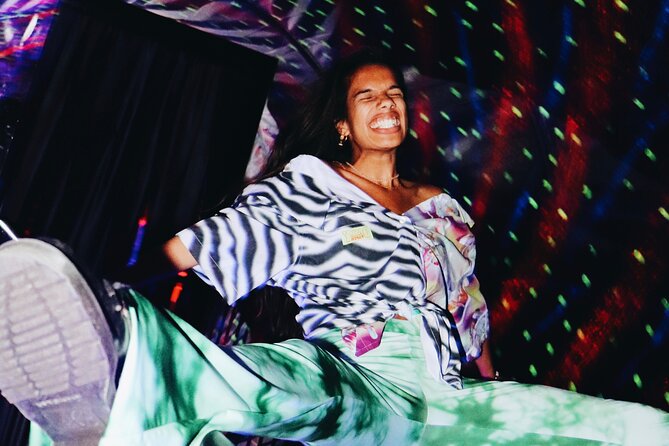
Buying your admission ticket ahead matters here. The experience runs on timed entry, and that helps you lock in your preferred date and time window rather than hoping there’s room when you arrive. Once you book, you get confirmation right away, and you’ll use a mobile ticket for entry. The whole setup is meant to be easy: scan, go in, start having fun.
The museum is offered in English, and it’s near public transportation, which is handy because you won’t need a complicated commute to get there. The experience is designed so most people can participate, but it’s still an active, photo-driven walk-through. Think standing, moving, posing, and sometimes waiting your turn.
Price-wise, the ticket is $31.18 per person for about an hour. That’s not cheap for a single-location attraction, so I look at the value like this: you’re paying for (1) a time-limited, high-density photo playground, and (2) complimentary digital photos from the museum’s cameras. If you enjoy quirky, visual, hands-on fun, it tends to feel worth it. If you want a quieter museum vibe, it can feel a bit overpriced for what it is.
You can also read our reviews of more tours and experiences in Amsterdam



Inside the 25-room experience: a one-way path built for photos
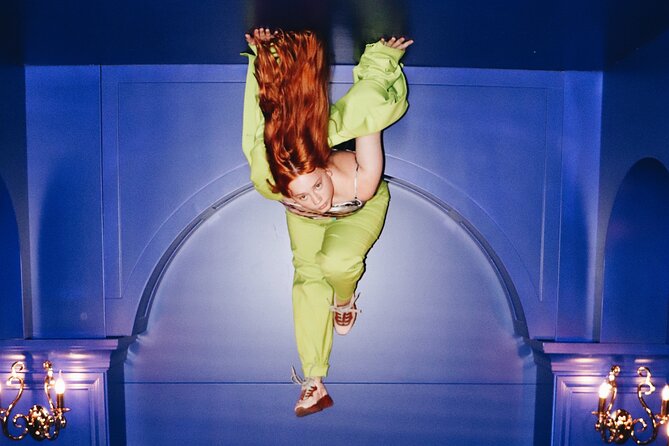
The big selling point is size and variety: roughly 1,500 square meters across 25 rooms and decors. In practice, that means a lot of distinct “moments” packed into a short visit. You’ll see scenes where you’re literally placed in upside-down perspectives and set into themed rooms that encourage posing.
The route typically works like a one-way experience. Once you’ve moved forward, you can’t loop back to earlier spaces. That sounds restrictive, but it also keeps things moving. You get a clear progression and less wandering around wondering what’s next.
You’ll also run into the reality of interactive photo spaces: you’re sharing the room with other people doing the same thing. A few rooms can get tight, and that’s when crowds affect your photo chances. If you want clean, unobstructed shots, you’ll feel it more in peak times.
The overall “museum” formula here is part amusement park, part playful set design. The rooms aren’t trying to teach you history. They’re trying to give you scenes that look ridiculous in the best way, and that’s why people come ready to take lots of pictures.
Your best souvenir: free digital photos from installed cameras
Here’s the part I find most practical: the museum provides complimentary digital photos from cameras placed inside the rooms. You don’t have to manually stage everything just right for every picture because the system captures images during your visit.
The workflow (based on how it’s described and how it works for many people) is tied to your ticket. The QR code can be used to trigger self-timed camera capture in the rooms. That’s a clever setup because it keeps you from constantly guessing which moments have been photographed.
Two notes to keep your expectations realistic:
- Some camera images can be a little less crisp than your own phone photos in certain lighting or busy moments.
- You’ll still want to take your own pictures, because you’ll likely prefer a wider range of angles and outcomes.
Also, photo prints are not included with the ticket. So if you’re imagining glossy souvenirs in your hands on departure, plan on paying extra for that. But the digital set is included, which is a big win because you can pick favorites later.
The rooms that usually steal your camera time

This museum works like a themed photo circuit. Rooms vary a lot in style, from playful surreal spaces to more active “play” areas. A few highlights show up again and again in people’s experiences, and they give you a good idea of the energy inside.
Ball pits and trampoline-style fun
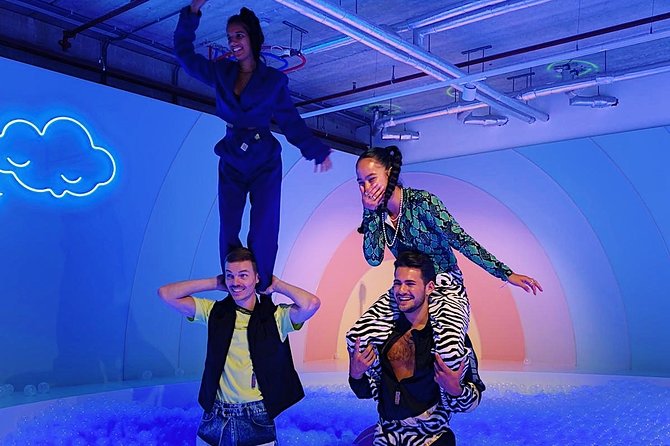
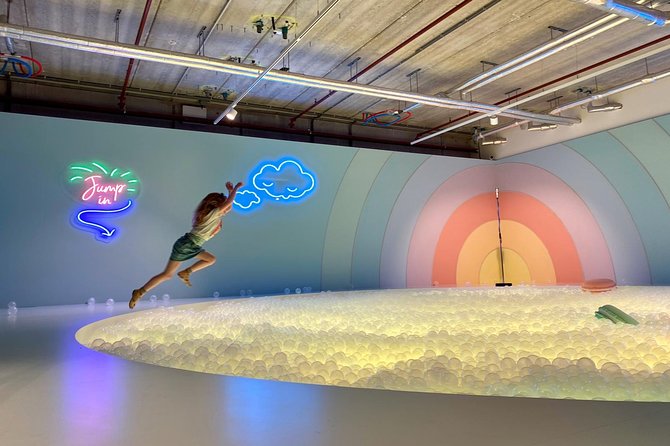
A frequent crowd-pleaser is the ball pit area. It’s colorful, loud, and chaotic in the fun way. Expect it to be a prime photo target, and also expect people will want their turn, so plan for waiting your moment.
Many people also mention trampoline-style play as a favorite. That’s your cue that the experience isn’t just for posing. Some sections invite you to move, jump, and act like a kid again. If you’re traveling with families, this kind of zone is usually a big win.
You can also read our reviews of more museum experiences in Amsterdam





Mirror-style rooms and twisty photo setups
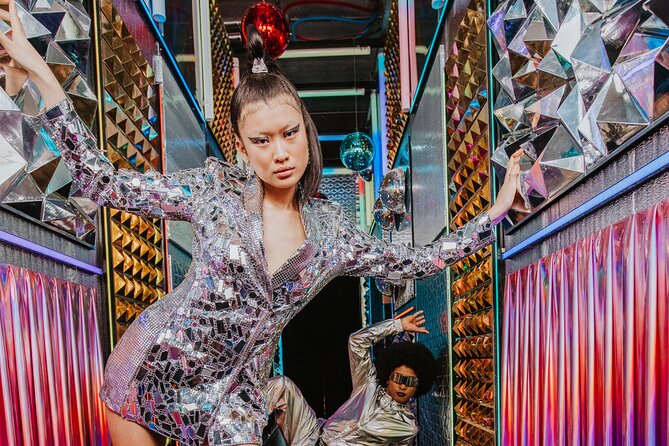
There are mirror mazes and optical-style spots that mess with perspective. These rooms tend to be popular because they create instantly shareable results. The downside is that they can get busy and cramped, which can interfere with getting clear shots if others are crowding the viewpoint.
The upside-down “worlds” (and the occasional dizzy moment)
Some rooms can be disorienting on purpose, including tunnel-style areas where the perspective shift can make you feel a little off-balance. That’s part of the joke and part of the appeal. If you’re sensitive to motion or quick visual effects, go slowly through the trickiest sections and take breaks to reset.
Themed set pieces: metro train, airplane, and cozy seats
One room described as especially memorable is built like a metro train overhead with seats and details positioned to look like they’re above you. Another standout is an airplane-themed set, complete with drinks and a more cozy seating feel. These aren’t the kind of scenes you’d get at a regular museum, and that’s why they work so well for photos.
Waiting times within rooms
A realistic rhythm: you may walk quickly between zones, but then pause in line-like spots for the best camera moments. That’s not a defect. It’s just how interactive photo setups behave when everyone is after the same angles.
Timing and crowds: why the first slot often feels best
If you only take one piece of advice, take this: go early. People consistently describe the earliest time slot as the best way to enjoy the rooms without constant interference. When you arrive early, you can spend longer in each area and actually savor the moment rather than chasing the clock.
Later in the morning, or in busy afternoon slots, you may find more queues forming and some rooms feeling crowded. Cramped areas are hardest when multiple groups stack up near the same camera viewpoint.
If you’re traveling with kids, going early can also help because younger visitors tend to have more energy at the start and less patience once fatigue hits. Even if you’re traveling solo or as a couple, early entry helps you take cleaner photos and gives you time to experiment with different angles.
What to do during your one-hour visit (a simple game plan)
Since the experience is about one hour, I suggest thinking of it like a photo route, not a slow walk-through. You’ll want to hit your favorites, try the tricky optical spaces, and still leave enough time for repeat photos.
Here’s a realistic approach:
- Start strong: take your first big photos immediately so you’re not rushing later.
- Charge your phone before you go. You’ll use your camera constantly.
- Don’t fight the one-way flow. Let it guide your movement.
- When you find a room with a clear angle, pause. That’s where you’ll likely get the best results.
Also, bring your own patience for crowded moments. Some spaces are designed for posing with other people around. If you step back, wait ten seconds, and then move in, you’ll often get your shot without stress.
Cafe and on-site comfort: plan for snacks separately

There’s a cafe on site, and it’s described as a nice little spot to relax. That’s helpful because you might burn through your energy in a short hour of active photo play.
But food and drinks are not included in your ticket. So budget for what you might want to buy there, especially if you’re visiting later in the day. If you have dietary needs, it’s smart to plan ahead like you would for any small attraction cafe.
Accessibility and who this fits best
The experience is set up so most people can participate. That said, it’s still an active indoor route with interactive areas. It’s best for people who enjoy:
- photo-focused attractions
- playful, surreal room sets
- family-friendly activities
- optical tricks and perspective games
It might feel like overkill if you want a quiet, traditional museum with deep reading. But if you’re the type to laugh, take silly photos, and leave with a folder of images, it fits your style fast.
As for age range, you’ll find it works for kids and “bigger kids” too. Many people call out the ball pit and active play zones as big draws.
Price and value: is $31.18 a fair deal?
At $31.18 per person, you’re paying for convenience, an hour of guided-style photo fun, and included digital photos. The value depends on how you measure fun.
For value, I look at three factors:
- Time density: 25 rooms in about an hour means you’re getting a lot of variety quickly.
- Included souvenir: the free digital photos reduce the cost of “remembering” your visit.
- Photo quality trade-off: you may still prefer your own images if the camera captures aren’t perfectly crisp.
So if your goal is to leave with lots of images and a memorable, weird story to share, this can feel like a solid buy. If you’re expecting something more educational or calm, the price may feel tougher to justify.
Should you book The Upside Down Museum Amsterdam?
I’d book it if you want a fast, playful, picture-heavy outing in Amsterdam. It’s especially worth it when you can schedule an early slot, because you’ll get more space to pose and less time stuck behind other people.
Skip it (or adjust expectations) if you’re looking for a long, quiet museum experience with deep interpretation. This is about scenes, perspective jokes, and fun. Think of it as an hour-long photo playground with included digital keepsakes, not a slow cultural visit.
If that matches your travel mood, you’ll likely have a great time.
FAQ
How long does The Upside Down Museum Amsterdam take?
Plan for about 1 hour (approx.) for the experience.
What does the ticket include?
Your admission includes an entry ticket plus free digital pictures from the museum’s installed cameras.
Are photo prints included?
No. Photo prints are not included in the ticket price.
Is the experience offered in English?
Yes, the experience is offered in English.
Do I need to bring a mobile ticket?
Yes. This uses a mobile ticket, and confirmation is received at the time of booking.
Can I cancel or change the booking?
No. The experience is non-refundable and cannot be changed for any reason.