REVIEW · AMSTERDAM
Amsterdam High-End Dutch Food & History Tour – Up to 8 guests
Book on Viator →Operated by Amsterdam Food Tours · Bookable on Viator
A good food tour should teach you how a city tastes. This one pairs high-end Dutch bites with Amsterdam history across a small route built for serious sampling. You’ll jump between old cafés, boutique delis, and classic counters, and the guide helps you understand why these dishes show up again and again.
I especially like that the tour is designed for a premium, restaurant-quality spread rather than a collection of random street snacks. The other big win is the pace: short walks, multiple stops, and time to taste and ask questions with a small group. One thing to consider: this isn’t a vegan-friendly tour, since many stops center on fish, sausage, cheese, and meat.
In This Review
- Key Things to Know Before You Go
- Amsterdam by Food and History: What You’re Really Buying
- Starting on Prinsengracht, Ending for Bitterballen
- Saturday vs Sunday/Monday vs Tuesday–Friday: How the Menu Changes
- The Homemade Dutch Apple Pie Stop: The Anchor Bite
- Farmhouse Cheese + Speakeasy Dutch Wine Pairing
- Fish Counters in Amsterdam: Herring, Cod, and Smoked Eel
- Butcher-Stop Sausages: Grillworst and Ossenworst
- Indonesian Dutch-Crossroads Flavors: Satay, Peanut Sauce, and Spekkoek
- Cheese, Crackers, and Quince Pear: The Sweet-Savory Balance
- Bitterballen Finale at the West India Company Headquarters
- Pacing, Seating, and Walking That Won’t Flatten You
- Price Check: Why $157 Feels Like a Treat
- Guide Quality: The Human Variable
- Who This Tour Fits Best (and Who Should Pass)
- Should You Book This Amsterdam High-End Dutch Food & History Tour?
- FAQ
- How long is the Amsterdam High-End Dutch Food & History Tour?
- How many people are in the group?
- What language is the tour offered in?
- What does the tour start and end at?
- Is alcohol included?
- Is the tour suitable for vegans?
- Are there bathroom options during the tour?
- What should I know about walking and mobility?
- What happens if the weather is bad?
- Is free cancellation available?
Key Things to Know Before You Go
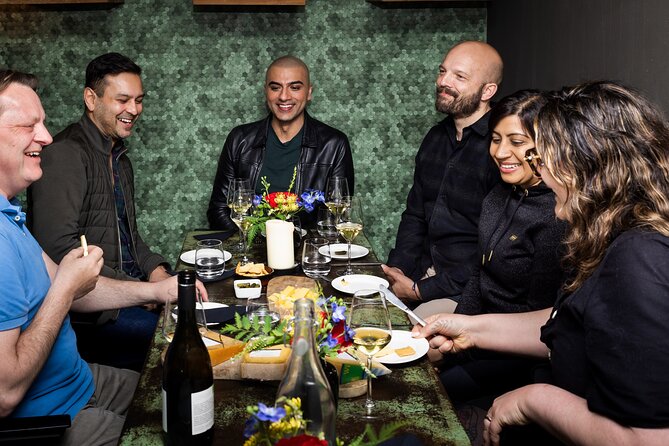
- Small group size (up to 8): you get more attention and a more conversational feel as you walk.
- A daily rotating menu: Saturday has different tastings than Sunday/Monday, and Tuesday to Friday changes again.
- Speakeasy-style Dutch wine pairing: cheese is paired with wine, and there are non-alcoholic/beer options if you don’t want wine.
- Classic Dutch “comfort classics” included: Dutch apple pie, bitterballen, plus items like herring, cod, eel, and sausage.
- Practical walking plan: you’ll need to walk and stand up to about 20 minutes at a time; in bad weather, the tastings move inside and walking can shorten.
- Bathrooms and seating are planned: reserved seats and a bathroom are available at 3 of the 6 food stops.
Amsterdam by Food and History: What You’re Really Buying
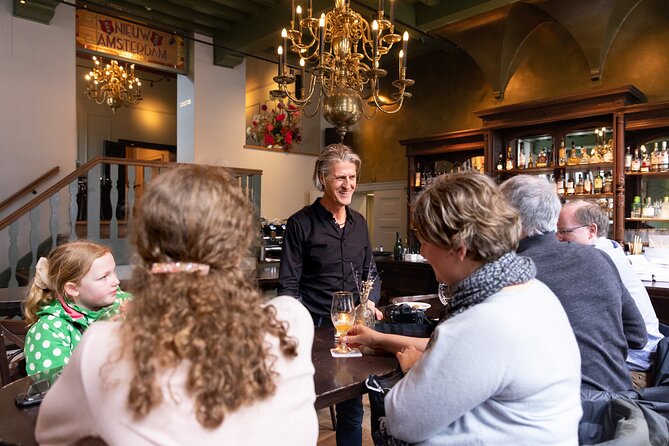
This tour is for people who don’t just want to eat, but want to understand how Amsterdam’s food story connects to trade, neighborhoods, and Dutch tastes. You’re paying for a tighter, higher-end set of stops—brown cafés, boutique delis, a major Dutch patisserie, and a proper fish and butcher counter—rather than quick, generic samples.
At $157.21 per person for around 4 hours, it’s not “budget.” But the value comes from two things: portion variety and guided context. You’re not only tasting multiple classics; you’re also hearing why these foods became standard in Dutch life and how Amsterdam’s global links shaped what ends up on the plate.
You can also read our reviews of more food & drink experiences in Amsterdam


Starting on Prinsengracht, Ending for Bitterballen
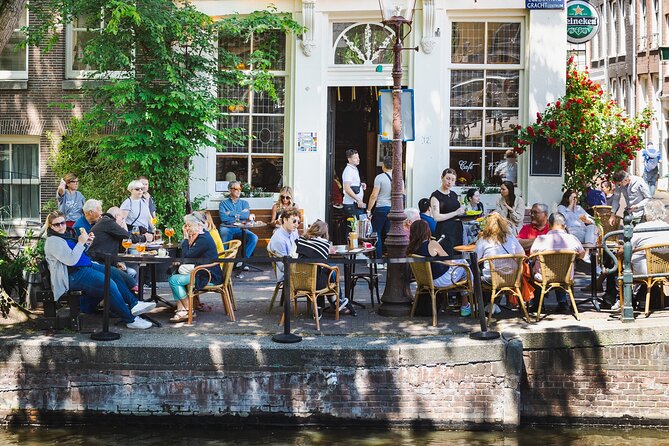
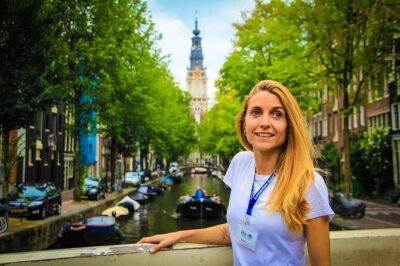
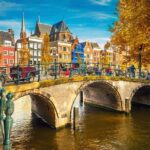
The tour starts at Papeneiland, Prinsengracht 2 (1015 DV) and ends at Café Nieuw Amsterdam, Haarlemmerstraat 75 (1013 EC). That start-and-finish setup keeps you from feeling like you’re bouncing across the whole city. You’ll get a connected walk through central Amsterdam, with tastings layered along the way.
The finale is a smart choice: you finish at the former 17th-century headquarters of the Dutch West India Company, a place tied to the origins of New York. Even if you’ve heard that story before, it lands better when you’re walking out of tastings and into a classic Dutch bar snack moment—especially because bitterballen are the kind of food Dutch people keep close.
Saturday vs Sunday/Monday vs Tuesday–Friday: How the Menu Changes
One of the most useful things about this experience is that it doesn’t feel copy-paste every day. The tastings follow a day-by-day plan, and you can usually spot the theme fast.
- Saturday: you’ll start with homemade Dutch apple pie in a famous brown café, then move to satay at the Saturday Lindengracht market, followed by farmhouse cheeses. After that comes a Dutch wine tasting in a private speakeasy room, and then Dutch fish (herring, fried cod, smoked eel). You close with bitterballen at the West India Company site.
- Sunday & Monday: you still get the apple pie early, but the “savory sandwich” moment kicks in next: fresh baguette topped with Dutch grillworst with honey-mustard, mayonnaise, pine nuts, and rocket salad. You’ll also sample Dutch shrimp croquette at Patisserie Holtkamp, then shift into Javanese-style flavors: grilled chicken satay with peanut sauce and Indonesian sides, plus handmade spekkoek (layered cinnamon cake). The cheese and sausage moments round it out.
- Tuesday to Friday: the route keeps several anchors (apple pie, farmhouse cheeses, speakeasy wine pairing, and fish), but the meat-stop changes. You’ll taste ossworst and grillworst at a family butcher shop that’s been around for about 130 years, then head toward the cheese, fish, and bitterballen finale.
If you’re flexible with dates, this is worth thinking about. The Saturday market-based satay menu and the Sunday/Monday Javanese sweets can feel like two different mini-adventures.
The Homemade Dutch Apple Pie Stop: The Anchor Bite
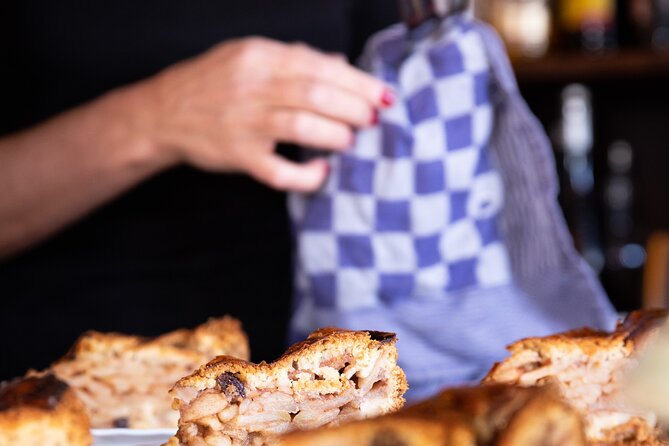
Every day begins (at least in the foodie sense) with homemade Dutch apple pie at one of Amsterdam’s well-known brown cafés. This matters more than it sounds. Apple pie in the Netherlands isn’t just dessert here—it’s tied to the café culture, the comfort food rhythm, and the way Dutch people snack throughout the day.
You’ll likely get a first taste that’s warm, not fiddly, and that sets the tempo for the rest of the tour. If you’re the type who gets nervous on food tours, this stop helps you relax—because it’s familiar in concept, but Dutch in flavor.
Farmhouse Cheese + Speakeasy Dutch Wine Pairing
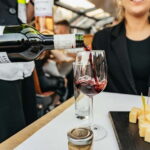
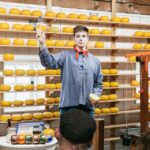
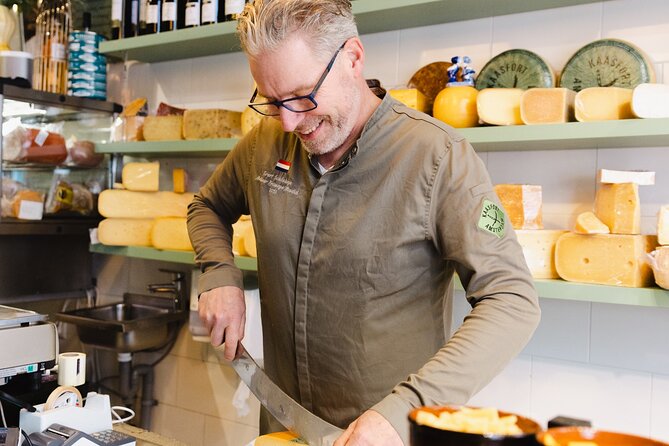
The cheese part is a big reason this tour feels “high-end” in practice. You’ll pick up three farmhouse cheeses from a boutique deli shop and then get the pairing moment in a private speakeasy-style room with a Dutch wine tasting. That pairing isn’t treated like an add-on; it’s built as a progression after the cheese selection.
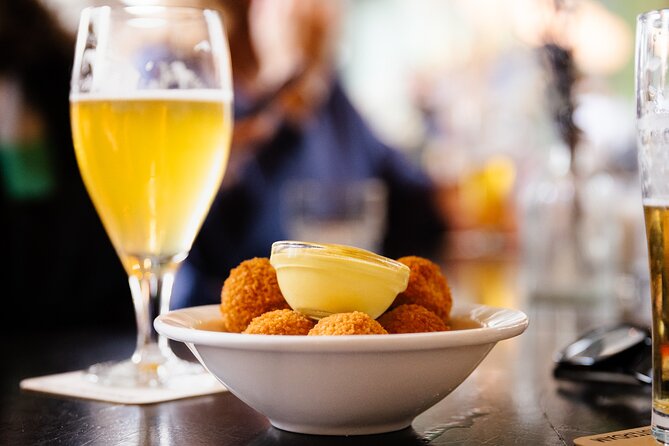
This is also where you’ll appreciate the options. If you want to skip alcohol, the tour provides non-alcoholic or beer options for the pairing. The goal stays the same: you taste cheeses, then taste how wine (or beer or non-alcoholic pairing) changes what you think you’re tasting.
For me, the best part of a cheese segment is not the number of samples—it’s the guidance. You’ll learn what to look for and how Dutch cheese traditions connect to local ingredients and old farming styles.
You can also read our reviews of more tours and experiences in Amsterdam


Fish Counters in Amsterdam: Herring, Cod, and Smoked Eel
The fish stop is one of the clearest signals that this tour isn’t doing the same “tourist food wheel” as every other walk. You’ll try the famous Dutch herring, plus fried cod and smoked eel at a local fish shop.
Amsterdam has a deep relationship with the North Sea and trade routes, so fish shows up as practical food and as cultural identity. The tastings here feel like you’re learning how Dutch people order and eat seafood as regular fare, not just as a novelty.
If you dislike fish, you should treat this tour cautiously—even if you love cheese or dessert, the fish portion is part of the day’s structure.
Butcher-Stop Sausages: Grillworst and Ossenworst
Tuesday to Friday includes a classic Amsterdam butcher shop visit, where you’ll sample ossworst (smoked beef sausage) and grillworst (flavoured pork sausage). On other days, you’ll still see Dutch sausage show up through different stops, but this butcher visit is the most direct “meat culture” moment.
You’ll get a mix of salty, smoky, and spiced flavors. And because the tour threads in history as you walk, sausage stops don’t feel random—they connect to what Dutch households ate, what markets sold, and how refrigeration and trade changed daily menus.
If you’re sausage-friendly, this is one of the stops that can hit hardest. If you’re cautious about smoked flavors, ask for the guidance on what to try first.
Indonesian Dutch-Crossroads Flavors: Satay, Peanut Sauce, and Spekkoek
Amsterdam’s food story isn’t only Dutch-only. This tour repeatedly brings in Indonesian influences, tied to Dutch colonial history and the way those flavors stuck. On Saturday, you’ll find Indonesian satay with sides at the Saturday Lindengracht market.
On Sunday & Monday, the Indonesian theme gets even more specific. You’ll have freshly grilled Javanese chicken satay with peanut sauce, cassava kroepoek, and sambal, then follow it with handmade spekkoek. Spekkoek is a layered cinnamon cake, the kind of dessert that feels like a whole meal’s worth of spice and texture.
It’s a smart contrast with the Dutch classics. One minute you’re eating Dutch apple pie, and the next you’re tasting Javanese-style flavors with peanut and chili heat. That mix is a big part of why this tour feels “Amsterdam” rather than “country tourist buffet.”
Cheese, Crackers, and Quince Pear: The Sweet-Savory Balance
At the cheese stops (and through the day), you’ll also get the supporting cast: crackers and quince pear, plus ossenworst with pickles and mustard on days where that item is scheduled. This is where a food tour becomes more than tasting—it becomes about structure.
Quince pear helps cut richness, and the pickles and mustard work like flavor reset buttons. If you’re doing this while walking around Amsterdam afterward, these kinds of balance bites help you feel satisfied rather than overwhelmed.
Bitterballen Finale at the West India Company Headquarters
The ending is set up for a proper finish: you wrap at the former Dutch West India Company headquarters, now a stylish spot for traditional bitterballen. It’s the kind of stop that feels casual and local even if you’re not usually a bar-snack person.
Because you’ll have tasted savory, cheesy, and spiced things across the afternoon, bitterballen act like the last chapter—Dutch comfort food in a heritage setting. It also gives you a smooth transition if you want to keep exploring nearby streets after the tour ends.
Pacing, Seating, and Walking That Won’t Flatten You
This is a walking tour, but the design tries to keep it realistic. You should have normal mobility and be able to walk and stand for up to about 20 minutes at a time. You’ll cover short distances between stops, and the tastings are inside at each location.
It also helps that 3 out of the 6 food stops have reserved seats and bathrooms available. Still, plan ahead: Amsterdam cafés can be busy, and you’ll be moving through multiple places in one session.
Bad weather planning is practical. In rainy conditions, tastings stay indoors and walking distances between locations may be shortened. That means you’re not stuck in misery while waiting for the sky to clear.
Price Check: Why $157 Feels Like a Treat
The price can feel steep until you look at what you’re actually getting. This isn’t just one or two dishes repeated. You get repeated anchors (like apple pie, cheese, and Dutch wine pairing) plus rotating items that change depending on the day (fish, sausage, market satay, shrimp croquette at Patisserie Holtkamp, and Indonesian sweets like spekkoek).
You’re also paying for access to specific spots and the time of the guide. A small group of up to 8 means fewer people to share the guide’s attention with, and that can change the whole experience—especially for questions about food origins and how Dutch traditions evolved.
If you’re the type who values quality ingredients and wants a guided “what am I tasting and why?” moment, this price can make sense. If you mainly want cheap sampling and don’t care about the story, you might feel it’s paying for more than you want.
Guide Quality: The Human Variable
Because it’s small-group, the guide matters. In the names I’ve seen connected to this tour—people like Rudolph, Katrina, David, Jan, Catharina, Mark, Jelte van Koperen, Dirk, Caroline, and Bo—the common thread is that they bring energy and keep the group engaged.
What I recommend: once you book, go in knowing you’re choosing a guide-led food-and-history walk. If you’re chatty, ask questions. If you’re quieter, let the guide pace the discussion—this format tends to work either way because the group size stays small.
Who This Tour Fits Best (and Who Should Pass)
This experience is a strong match for:
- People who enjoy Dutch classics (apple pie, cheese, fish, bitterballen)
- Food lovers who like the “why” behind flavors, not just the taste
- Travelers who want a premium set of stops in a compact route
You should be cautious if:
- You follow a vegan diet (this tour isn’t suitable)
- You dislike fish or smoked meats, since the schedule often includes herring, cod, eel, and sausage
- You have major dietary restrictions beyond what you can flag at booking, since the stops rely on specific menu items
If you do have restrictions, specify them when booking. The tour also notes that it can handle other dietary restrictions, but the more detail you provide, the easier it is for them to plan.
Should You Book This Amsterdam High-End Dutch Food & History Tour?
Yes—if your idea of a perfect Amsterdam day is a guided walk where you eat real Dutch classics and also taste the Indonesian-Dutch overlap that shaped the city. The small-group setup, the speakeasy-style wine pairing, and the mix of cheese, fish, sausage, and dessert make it feel like a curated food education rather than a random sampler.
Skip it if you’re vegan, strongly fish-averse, or hoping for a low-cost binge of street bites. This is priced for high-end stops and guided pacing, so go with the right expectations.
FAQ
How long is the Amsterdam High-End Dutch Food & History Tour?
It runs for about 4 hours.
How many people are in the group?
The tour has a maximum of 8 travelers.
What language is the tour offered in?
The tour is offered in English.
What does the tour start and end at?
It starts at Papeneiland, Prinsengracht 2, 1015 DV Amsterdam and ends at Café Nieuw Amsterdam, Haarlemmerstraat 75, 1013 EC Amsterdam.
Is alcohol included?
Craft beer or wine is included at some stops, and the Dutch wine tasting is part of the tour. There are also non-alcoholic options and beer options available.
Is the tour suitable for vegans?
No, it is unfortunately not suitable for a vegan lifestyle.
Are there bathroom options during the tour?
Reserved seats and a bathroom are available at 3 out of the 6 food stops.
What should I know about walking and mobility?
Normal mobility is required, and you should be able to walk and stand for up to about 20 minutes at a time.
What happens if the weather is bad?
All tastings stay inside, and the walking distances between locations may be shortened.
Is free cancellation available?
Yes. You can cancel up to 24 hours in advance for a full refund.