REVIEW · AMSTERDAM
2 Hour Making Rembrandt’s Traditional Oil Paints in Amsterdam
Book on Viator →Operated by Rembrandt Paint Maker · Bookable on Viator
Paintmaking beats souvenir shopping every time. In this 2-hour Amsterdam workshop, you mix handmade oil paints inspired by Rembrandt van Rijn, using natural pigments and learn the why behind the look. It’s also private, so you’re not stuck watching from the back of the room.
What I like most: you get practical instruction on mixing pigments with linseed oil, not just a talk about art. And you leave with a small finished painting made from the colors you created yourself. The only real drawback: it’s short and hands-on, so if you’re hoping for a long, relaxed museum-style experience, this may feel a bit busy.
In This Review
- Key highlights worth your time
- How Rembrandt’s Paint-Making Feels in Real Life
- Where you’ll meet and how long it takes
- A Simple Plan for Your 2 Hours (and What Each Part Teaches)
- 1) Getting set up at Nieuwe Doelenstraat
- 2) Learning Rembrandt’s approach through his materials
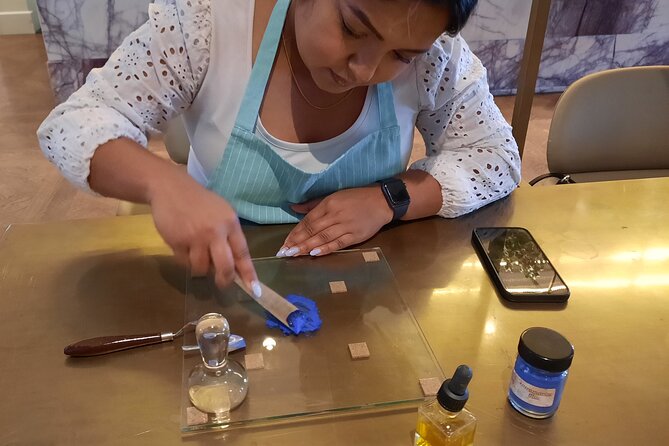
- 3) Mixing handmade oil paints with natural pigments
- 4) Creating your mini masterpiece
- What Makes This Class Great Value at $114.88
- Timing and Scheduling: Best Way to Fit It Into Your Amsterdam Days
- Who This Workshop Is Perfect For
- A Few Things to Consider Before You Book
- Practical Tips to Get the Most From the Session
- Should You Book This Rembrandt Oil Paint Workshop?
- FAQ
- How long is the Rembrandt oil paint workshop in Amsterdam?
- Where does the workshop meet?
- What is the price per person?
- What language is the workshop offered in?
- Is it a private class?
- What does the class include?
- Is the workshop available every day?
- Do I need to bring a ticket?
- Is free cancellation available?
- Are service animals allowed?
Key highlights worth your time
- 14 natural pigments put the color theory of Dutch masters into your hands
- Private class means more direct help while you mix and paint
- Rembrandt-focused process ties technique to the materials you’re using
- Mini masterpiece included so you get a finished result in 2 hours
- English instruction keeps the workshop clear and practical
How Rembrandt’s Paint-Making Feels in Real Life
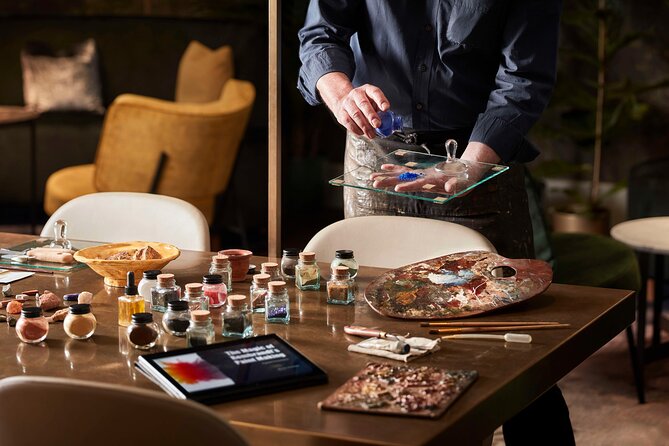
If you’ve ever stood in front of a Rembrandt painting and wondered how those colors got so intense, this is one of the fastest ways to understand. You’re not copying a famous work—you’re learning the building blocks: what pigments are, how they behave when mixed with oil, and how those choices shape what you see on canvas.
This workshop is built around the idea that technique starts before the first brushstroke. You make paint from scratch using 14 natural pigments, plus the oil binder used in the painter’s time. That step changes everything. Once you watch pigments turn into usable paint, you stop treating color like a fixed ingredient. You start seeing it as a decision.
It also helps that the format is private. Your instructor can respond to what you’re doing right now, not what your neighbor is doing. In a hands-on class like this, that matters more than fancy studio equipment.
You can also read our reviews of more tours and experiences in Amsterdam



Where you’ll meet and how long it takes
You’ll start at Nieuwe Doelenstraat 24, 1012 CZ Amsterdam. The activity ends back at the meeting point, so you don’t need to plan around moving locations across town.
The workshop runs for about 2 hours. It operates daily between 3:00 PM and 7:00 PM (based on the given hours). If you’re building your Amsterdam schedule, this is a useful late-afternoon slot when museums can be tiring and you still want something active.
A Simple Plan for Your 2 Hours (and What Each Part Teaches)
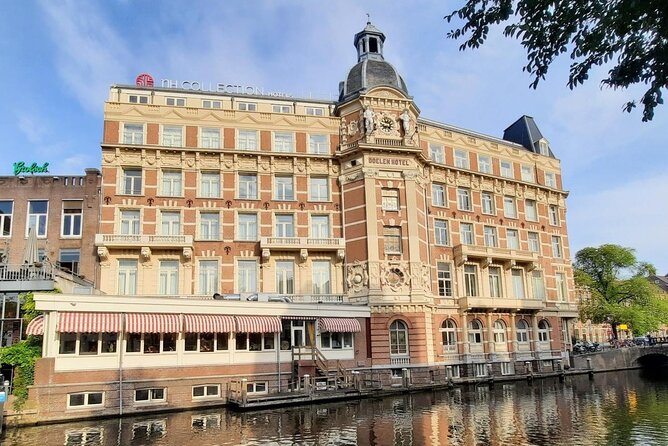
This isn’t a walking tour. It’s a studio-style, do-the-work experience. You’ll follow a straightforward flow: arrive, learn the material rules, mix your own oil paints, then paint a small piece.
1) Getting set up at Nieuwe Doelenstraat
Once you arrive at Nieuwe Doelenstraat 24, you’ll get oriented to the materials and the session rhythm. Because it’s offered in English and designed for most participants, the instruction is meant to be accessible even if you’re brand new to oil painting.
I like this kind of start. It helps you focus on the actual craft instead of wasting time asking basic questions later. Also, because it’s near public transportation, you’re not forced into a complicated logistics puzzle to get there.
2) Learning Rembrandt’s approach through his materials
After you’re set, the workshop turns to Rembrandt van Rijn—especially how he used pigment-based paints and how the mixing process affects the final look. You’ll learn the technique in the same order you’ll use it: first color made from natural pigments, then oil paint, then paint on your surface.
This is where the session becomes more than a fun art class. Understanding the materials makes the historical connection feel real. Rembrandt’s style isn’t magic. It’s chemistry, careful choices, and patience. When you see the pigment-to-paint transition, you understand why old master paintings often look so deep and controlled.
One extra detail worth noting from the experience is the instructor’s hands-on, history-meets-process teaching style. In particular, the instructor named Eric is described as extremely knowledgeable and able to connect the colors he uses to how Rembrandt worked.





3) Mixing handmade oil paints with natural pigments
This is the heart of the workshop: you make your own paint using 14 natural pigments. The step is simple to describe and tricky to execute, which is exactly why it’s valuable. You learn to control how pigment behaves once it’s mixed into paint and how that affects texture and color.
You’ll also use a traditional approach, including linseed oil mixed in the way used in Rembrandt’s time. That’s a key part of why this workshop stands out from generic painting classes. You’re not just buying pre-made paint and choosing colors from a rack. You’re generating the color palette yourself.
Practical benefit: once you’ve mixed paint, you’ll understand why some shades feel warmer, some feel heavier, and why the same pigment can look different depending on how it’s prepared.
4) Creating your mini masterpiece
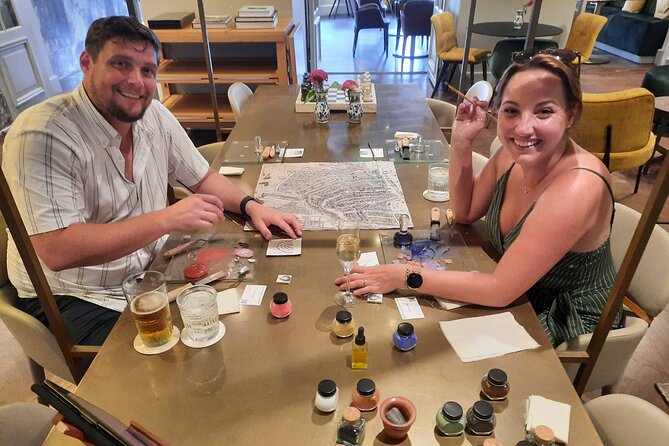
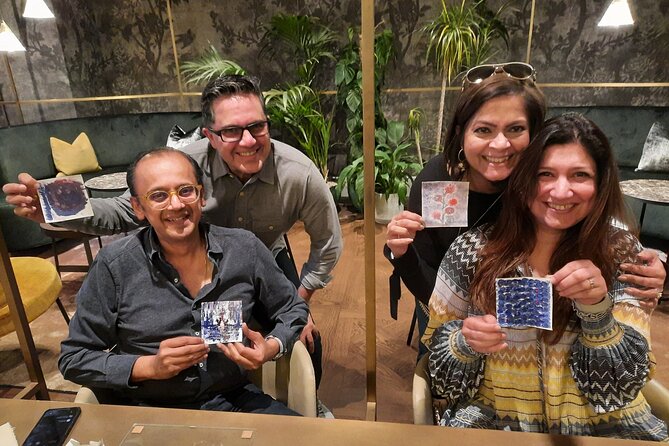
After your paint is ready, you’ll paint a small piece with the colors you made. The goal isn’t to create a museum-quality imitation in 2 hours. It’s to give you a finished result that comes from the whole process, from pigment to brush.
This is also where you get the “aha” moment. When you apply handmade paint to a surface, you can see how your mixing choices change what you produce. If you’ve ever tried to reproduce an artist’s palette without understanding the paint, you’ll appreciate why this matters.
And since it’s private, you get personal attention from your guide while you work. That reduces frustration and increases the odds that you’ll leave feeling proud of what you made rather than thinking, I wish I started differently.
What Makes This Class Great Value at $114.88
The price is $114.88 per person for an experience that lasts about 2 hours. That sounds like a lot until you account for what you’re paying for.
You’re paying for:
- access to the pigment-making process (not just a brush-and-canvas session),
- a focused, private format,
- and instruction that explains how Rembrandt’s technique relates to the materials you use.
If you’re comparing it to typical art activities in Amsterdam, the difference is the paint itself. Buying paint at a shop gives you colors without teaching you how those colors are born. Here, you do the work first, then paint with it. That turns the workshop into a practical skill you can carry forward—at least in your head and your eye.
I also like that it’s designed as a short experience. Many art activities in cities can eat half a day. This one fits into a realistic travel schedule, which makes it easier to justify.
Timing and Scheduling: Best Way to Fit It Into Your Amsterdam Days
With operation hours between 3:00 PM and 7:00 PM, you can slot this in after morning sightseeing and before evening plans. It’s also a good option on days when the weather is unpredictable. Instead of racing from place to place, you have a stable, indoor activity with a clear start-to-finish flow.
One practical detail: the tour is frequently booked around 45 days in advance on average. That doesn’t mean you can’t find openings, but it does mean you’ll save stress by booking earlier rather than hoping for a last-minute slot.
Who This Workshop Is Perfect For
This is a strong match if you:
- love art history but prefer learning through making,
- want a hands-on experience that doesn’t require a full day,
- are curious about how pigments and oil interact,
- and like one-on-one style instruction in English.
It’s also ideal if you’re traveling with limited time and want something memorable that you can take home mentally (and physically, since you create a small painting).
Because the session says most travelers can participate, it’s worth considering even if you haven’t painted before. The class is built around guiding you through the process step by step, especially during mixing and application.
A Few Things to Consider Before You Book
Here’s the most honest trade-off: it’s short. You’re making paint and painting a small piece, but you’re not going to produce something large or highly detailed. If your dream is hours of slow painting and deep technique practice, you might want a longer class.
Also, if you’re the type of traveler who wants to be out and about seeing neighborhoods, this experience keeps you in one place. That’s not a bad thing—just know the pacing ahead of time.
Practical Tips to Get the Most From the Session
I suggest arriving ready to work with materials. Even though nothing in the details says you need special gear, oil-painting sessions can be messy in general. Comfortable clothes help.
Bring curiosity. Ask questions as you mix. Pigment behavior is the kind of thing you’ll never fully grasp by listening alone. The whole point is that you’ll handle it.
And don’t rush your color mixing. The process matters as much as the finished mini piece.
Should You Book This Rembrandt Oil Paint Workshop?
Yes—if you want a compact Amsterdam activity that teaches you something real. For a little over two hours, you get handmade oil paint, a focused look at Rembrandt’s methods, and a finished mini painting created with your own mixed colors. That combination is hard to beat in value.
I’d skip it only if you hate hands-on work or you specifically want a museum-style tour with lots of walking and viewing. This experience is about making, not roaming.
If you’re excited by the idea that the colors in old masters paintings weren’t magic at all, just careful mixing and traditional technique, this is an excellent use of time.
FAQ
How long is the Rembrandt oil paint workshop in Amsterdam?
It runs for about 2 hours.
Where does the workshop meet?
The meeting point is Nieuwe Doelenstraat 24, 1012 CZ Amsterdam, Netherlands. The activity ends back at the meeting point.
What is the price per person?
The price is $114.88 per person.
What language is the workshop offered in?
The workshop is offered in English.
Is it a private class?
Yes. It is listed as a private tour/activity, meaning only your group participates.
What does the class include?
You’ll make hand made oil paints using 14 natural pigments, learn about Rembrandt van Rijn’s techniques, and create your own mini masterpiece with the paints you made.
Is the workshop available every day?
The listed opening hours show it operates Monday through Sunday during 3:00 PM to 7:00 PM.
Do I need to bring a ticket?
You’ll receive a mobile ticket.
Is free cancellation available?
Yes. You can cancel for a full refund up to 24 hours before the experience starts. If you cancel less than 24 hours before, the amount paid is not refunded.
Are service animals allowed?
Yes, service animals are allowed.