REVIEW · AMSTERDAM
Amsterdam: ARTIS-Micropia Microbe Museum Entry Ticket
Book on GetYourGuide →Operated by ARTIS · Bookable on GetYourGuide
You’ll meet microbes face-to-face. In the middle of Amsterdam, ARTIS-Micropia turns the invisible world into something you can actually see, hear, and interact with, including living microbes, microscopes, and hands-on displays. It’s also the world’s only microbe museum, so you’re not doing a “pretty similar” attraction.
What I like most is the way it connects microbes to real life: food, health, nature balance, and the gut.
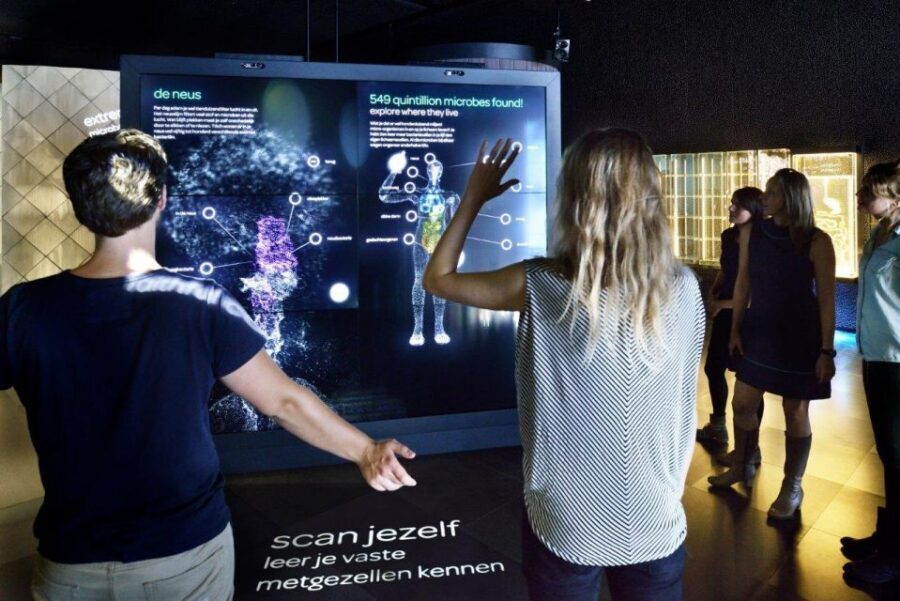
And the self-scan part makes the whole thing personal, showing microbes on and inside you through a digital scanner.
I also love the “progress” system as you go. You collect microbe stamps throughout the museum, so wandering feels like a trail instead of a loop. Add daily lab talks in front of the Laboratorium, and the museum feels more like a working science space than a static exhibit hall.
One possible drawback: at around $21 per person, the experience can feel small depending on how quickly you move and how much you want to read and test every station. Also, one review flagged that the toilets weren’t great, so keep that in mind if you’re picky about restroom cleanliness.
In This Review
- Key things that make Micropia worth your time
- Why ARTIS-Micropia feels different from a normal museum
- Getting there: Plantage Kerklaan and a quick walk from the center
- Your microbe journey: what to do once you’re inside
- Start with the interactive “you” experience
- Follow the stamp trail through the exhibits
- See the lab side: Laboratorium + daily talks
- Expect a mix of microscopes, living samples, and story screens
- How long should you plan for Micropia (and why “1 day” is the right window)
- Micro Mission during spring break: free workshop time (when it’s offered)
- Price and value: is $21 a fair deal?
- Family fit: free for kids up to 12, recommended 8+ for the best experience
- Pair it with other ARTIS stops for a smarter day
- Practical tips: timing, languages, and small comfort details
- Should you book ARTIS-Micropia?
- FAQ
- How long does the Amsterdam ARTIS-Micropia ticket last?
- Where is ARTIS-Micropia located?
- What is included with the entry ticket?
- Are ARTIS Zoo and ARTIS-Groote Museum included?
- What are the opening hours?
- Is the museum wheelchair accessible?
- Can children enter for free?
- What is the recommended age?
- Are there daily lab talks?
- Is Micro Mission included, and when is it available?
- What about free cancellation and pay later?
Key things that make Micropia worth your time
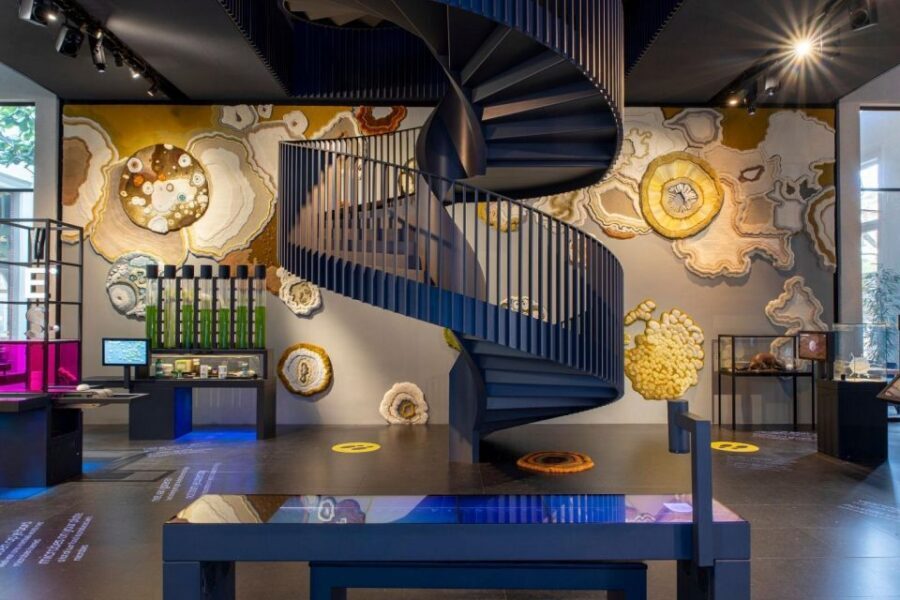
- The world’s only microbe museum in the heart of Amsterdam, at the ARTIS complex
- Self-scanning that reveals microbes on and inside you
- Microbe stamps collected as you move through the exhibits
- Living science vibe, including an actual visible Laboratorium area and daily lab talks
- Hands-on exhibits with microscopes, living microbes, and interactive displays
- Easy location: about a 10-minute walk from the city center, plus you’re in a garden setting
Why ARTIS-Micropia feels different from a normal museum
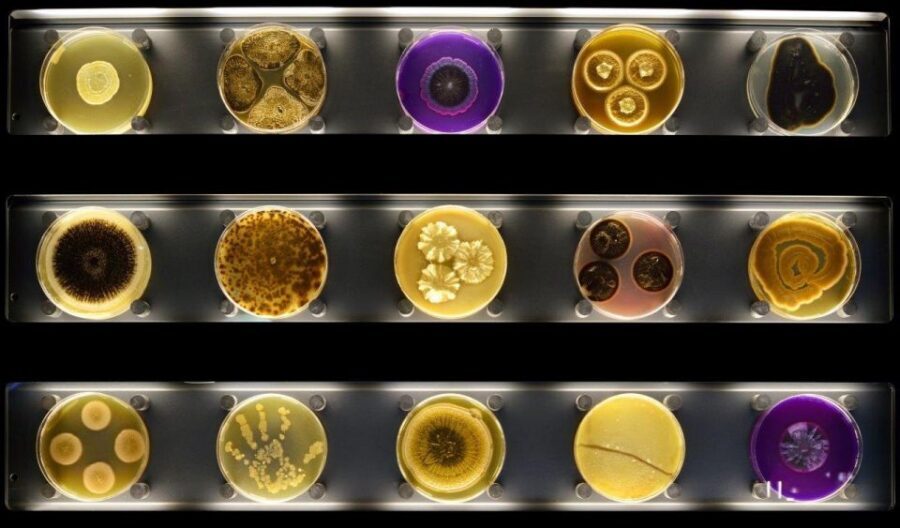
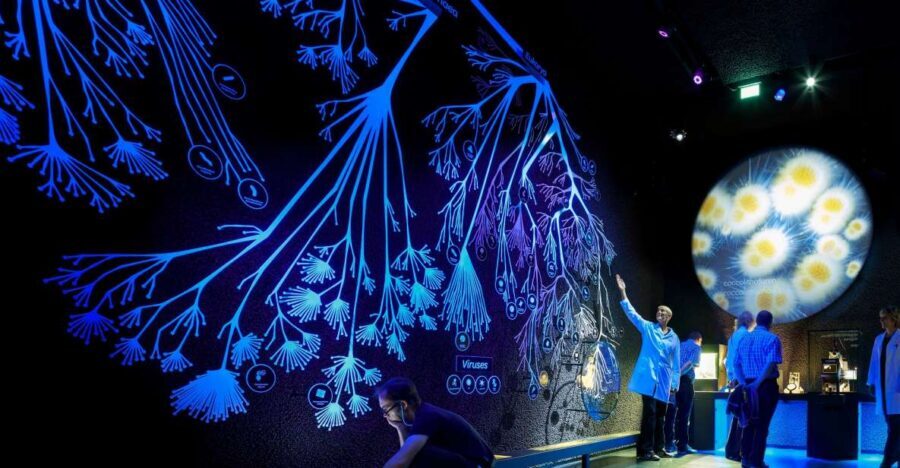
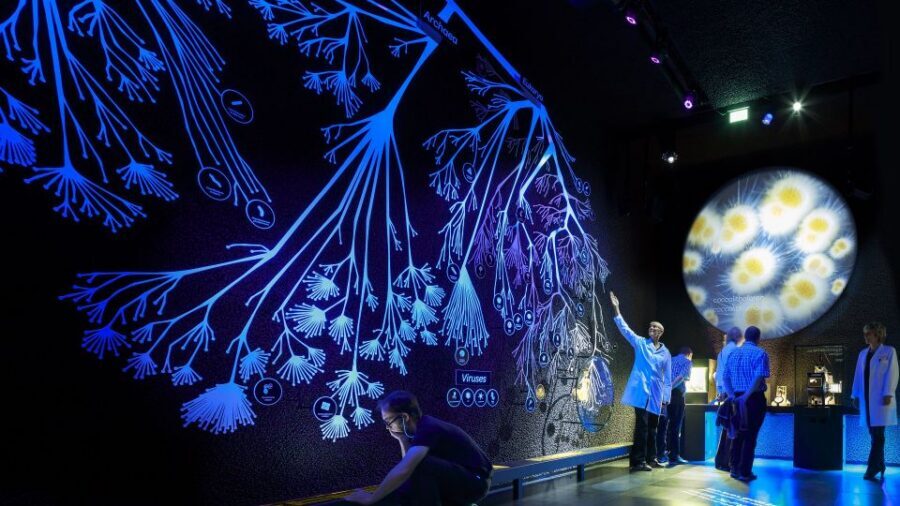
Most museums show you objects. Micropia shows you processes. Microbes are everywhere, but you usually don’t notice them. Here, they’re the subject, the story, and the reason the museum feels alive.
The core idea is simple and smart: microbes affect what you eat, how your body works, and how nature stays balanced. You’ll see that using the language of science—microscopes, growing samples, interactive stations—and also with plain explanations you can understand without a biology degree.
The experience has a playful edge too. Collecting stamps as you go gives you a goal, and the self-scan makes you the main character for a few minutes. That personal angle is what keeps it from becoming a lecture you walk through politely and forget.
You can also read our reviews of more tours and experiences in Amsterdam



Getting there: Plantage Kerklaan and a quick walk from the center
ARTIS-Micropia’s meeting point is Plantage Kerklaan 38-40. The big practical win is location: it’s about a 10-minute walk from the city center, so you’re not spending half your day commuting.
You’re also visiting inside the broader ARTIS area, which is useful if you want to turn this into a longer stop. One ticket gets you Micropia entry, but the surroundings make it easy to extend the day with other ARTIS options (more on pairing later).
If you’re building a day around it, keep the afternoon flexible. The museum is open daily from 10:00 to 17:00, with special holiday hours on 24–26 December and 31 December and 1 January. Plan to arrive with enough time to do the key interactive bits without rushing.
Your microbe journey: what to do once you’re inside
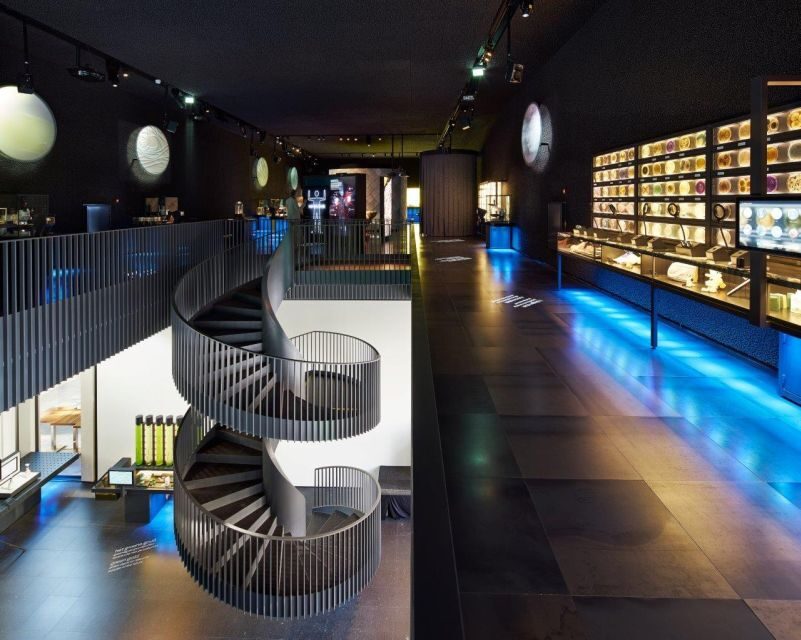
Micropia is designed so the visit flows. You’re not just reading labels; you’re moving between stations that explain how microbes live, reproduce, and influence your world.
Start with the interactive “you” experience
One of the headliners is the digital scanner where you can discover microbes living on and inside you. The museum treats results as prompts for curiosity—yes, it can be a little startling, but that’s the point. It’s a fast way to connect microbiology to daily life.
Practical tip: give yourself time. If you rush, you’ll miss the explanations around the scan. This is one of those attractions where a 5-minute delay can be more useful than a 5-minute sprint.
Follow the stamp trail through the exhibits
As you go from room to room, you can collect microbe stamps. These stamps turn the layout into a route you can track. Instead of drifting, you’ll feel like you’re completing a mission.
It also encourages you to slow down at each stop. If an exhibit catches your interest, you’ll likely have a reason to stand there longer—because you’re building the set.
You can also read our reviews of more museum experiences in Amsterdam





See the lab side: Laboratorium + daily talks
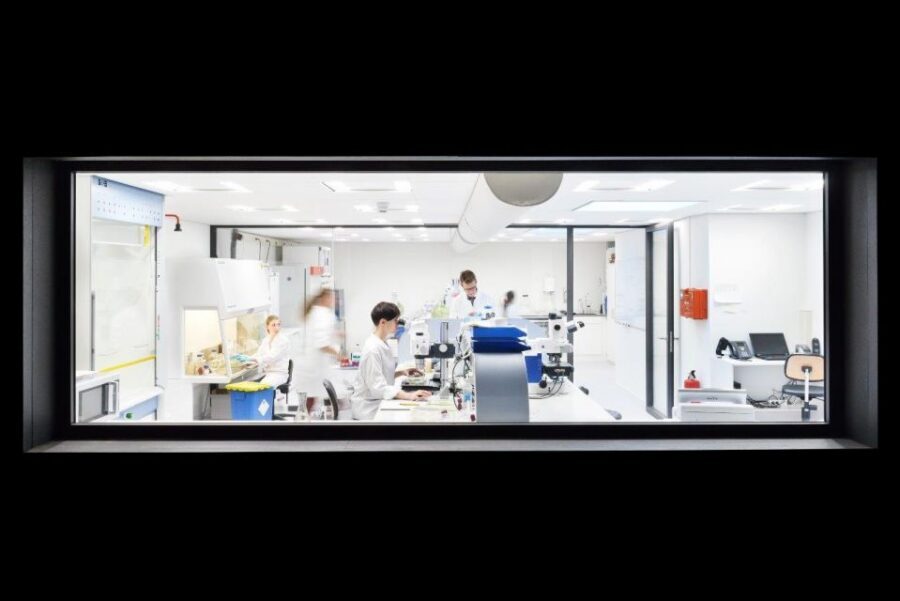
A daily lab talk happens in front of the Laboratorium. That’s a big deal because it gives you context for what you’re seeing. Rather than being handed information and sent away, you get a chance to ask questions and hear how the science connects to the exhibits.
One practical reason this matters: it helps you interpret the visuals. Microbes can look abstract until someone explains what you’re actually looking at and why it matters.
Expect a mix of microscopes, living samples, and story screens
Micropia’s exhibits combine hands-on science tools—microscopes and interactive stations—with stories about how microbes work. The museum uses living microbes and visual effects to make the unseen world easy to grasp.
From the way the museum is described, you should plan for reading and watching. The experience isn’t just “press button, move on.” It’s “press button, then learn what you just discovered.”
How long should you plan for Micropia (and why “1 day” is the right window)
The ticket is valid for 1 day, and that’s exactly how you should think about it: a short, science-focused outing that fits into an Amsterdam day without swallowing your whole schedule.
How long it takes depends on your style:
- If you’re there mainly for the interactive bits, you might move through in under 1–2 hours.
- If you want to read the explanations and take your time with the exhibits, plan closer to about 2 hours.
A good approach is to build your time around the activities that take the most attention: the scanner and the exhibits where you’ll want to pause. Micropia rewards that slower pace because the concepts stack. One station answers a question another station raises.
Micro Mission during spring break: free workshop time (when it’s offered)
Micropia has a special activity called the Micro Mission during spring break. It’s available every day during spring break between 10:00 and 17:00, and you can collect it for free at the ticket desk.
What you’ll get from it is a more kid-friendly, discovery-style version of the core message. It focuses on how plants, animals, and microbes work together in nature—and yes, it also connects microbes in your gut to digestion. Even if you’re traveling without kids, the Micro Mission can be a fun way to reset how you’re thinking about microbes.
One heads-up: since it’s explicitly tied to spring break hours, check whether your travel dates line up. If not, you can still have a full experience just from the main museum galleries and the lab talks.
Price and value: is $21 a fair deal?
At about $21 per person, Micropia sits in that middle zone where value depends on what you’re looking for. If you love hands-on science and you like reading explanations, it can feel like a great use of time because the museum is built around interaction, not just viewing.
If you want a huge museum with endless rooms, you might feel the ticket is a bit steep for the time you’re inside. One review specifically called it pricey for the amount of stuff, and that’s a fair concern to take seriously before you buy.
The value gets stronger for families. Children up to age 12 enter for free, and the museum is recommended for age 8+. That can turn this into a high-value outing if you’re traveling with kids.
Also consider pairing. The museum offers a combination ticket that can include ARTIS-Groote Museum, where you can explore how everything is connected—human, animal, plant, and microbe. If you do that, Micropia becomes the “micro” chapter in a bigger story about life and connections.
Family fit: free for kids up to 12, recommended 8+ for the best experience
Micropia is made for kids, but not only for little ones. The recommended age is 8 years or older, but children 0–12 can enter for free. That free entry changes the math for many families.
For kids, the museum’s best tools are the ones that keep them active: interactive displays, microscopes, and the stamp-collecting system. That combination tends to work well because it gives structure to curiosity. You’re not just wandering; you’re completing tasks.
For adults, the same features are usually a different kind of fun. You get a new angle on microbes, plus the daily lab talks add credibility and context without turning the museum into a dry lecture.
If you’re traveling with mixed ages, this is one of those rare science stops where everyone can find a “their thing.” The kids collect and scan; the adults read and ask. The subject matter also keeps it from feeling like a typical indoor playground.
Pair it with other ARTIS stops for a smarter day
Micropia is part of the larger ARTIS environment, and the timing makes it easy to stack your day. If you’re interested in how the bigger natural world connects, the ARTIS-Groote Museum is offered as part of a combination ticket. That can deepen the theme: not just microbes, but how they connect to plants and animals too.
You can also step outside into the ARTIS Zoo. Even if you don’t buy a combo ticket, being in the ARTIS area makes it simple to add a nature break after you finish Micropia.
One helpful strategy: treat Micropia as your “indoor science anchor,” then use the zoo or gardens afterward to reset your brain. That mix tends to feel more satisfying than trying to force everything into one kind of experience.
Practical tips: timing, languages, and small comfort details
Micropia opens daily at 10:00 and closes at 17:00. The special holiday schedule shifts those hours on 24–26 December, 31 December, and 1 January—worth checking if your trip includes those dates.
The museum supports Dutch and English, so you should have no trouble getting the main explanations. The host or greeter is listed as Dutch/English, and that matters because this kind of museum lives or dies on how clearly it communicates the ideas.
One practical comfort note: the museum is wheelchair accessible, so mobility shouldn’t be a dealbreaker. If you like to travel light, you can also look for storage options once you arrive. (Some visitors mention lockers for coats and bags, which can make the scan and exhibit movement easier.)
And yes, keep bathroom cleanliness in mind. One review flagged the toilets as dirty. I can’t guarantee how things will be when you go, but it’s a reasonable “don’t be surprised” consideration.
Should you book ARTIS-Micropia?
Book it if you like hands-on science, you enjoy interactive displays, or you’re traveling with kids who want to touch buttons and collect stamps. It’s also a great choice if you’re curious about how microbes relate to your body and everyday life. The daily lab talks and the visible Laboratorium area help it feel grounded rather than gimmicky.
Skip it (or rethink the time) if you’re mainly hunting for big sprawling museums and you don’t care much about biology. At $21, you’ll want to know you’ll actually spend time reading and doing the interactive stations. The visit can be shorter than you expect if you move quickly.
If you’re in Amsterdam and you want one experience that’s genuinely different, Micropia is a strong pick. It’s small enough to fit neatly into a day, and weird enough to be memorable—in the best way.
FAQ
How long does the Amsterdam ARTIS-Micropia ticket last?
The ticket is valid for 1 day.
Where is ARTIS-Micropia located?
The meeting point is Plantage Kerklaan 38-40.
What is included with the entry ticket?
Your ticket includes admission to ARTIS-Micropia.
Are ARTIS Zoo and ARTIS-Groote Museum included?
No. Admission to ARTIS Amsterdam Royal Zoo and ARTIS-Groote Museum is not included.
What are the opening hours?
ARTIS-Micropia is open daily from 10:00 to 17:00, with adjusted hours on 24 December (9:00–17:00), 25 December (9:00–17:00), 26 December (9:00–17:00), 31 December (9:00–16:00), and 1 January (10:00–17:00).
Is the museum wheelchair accessible?
Yes, the activity is wheelchair accessible.
Can children enter for free?
Yes. Children aged 0–12 can enter for free.
What is the recommended age?
The recommended age for Micropia is 8 years or older.
Are there daily lab talks?
Yes. There are daily lab talks in front of the Laboratorium.
Is Micro Mission included, and when is it available?
The Micro Mission is available every day during spring break between 10:00 and 17:00, and it can be collected for free at the ticket desk.
What about free cancellation and pay later?
You can cancel up to 24 hours in advance for a full refund. There’s also a reserve now & pay later option, so you can book without paying today.