REVIEW · AMSTERDAM
Amsterdam: National Holocaust Museum Entry Ticket
Book on GetYourGuide →Operated by Jewish Cultural Quarter Amsterdam · Bookable on GetYourGuide
This museum makes history feel painfully close. The setting is the former Hervormde Kweekschool, tied directly to how Jewish children were gathered and deported, and the story includes Henriëtte Pimentel’s efforts to save many of them.
What I like most is how the museum doesn’t treat the Holocaust like a distant textbook topic—it connects it to real lives, including everyday experiences before the war. The other big win is that the exhibits give victims recognizable faces, so the human impact stays in focus.
The main drawback is also the most common one: the exhibits can feel like a lot at once. Some visitors find the information dense or emotionally heavy, and a few practical quirks—like reflective display cases—can make certain objects harder to see.
In This Review
- Key things to know before you go
- Entering the Hervormde Kweekschool: Why the building matters
- What you’ll learn about daily life before and after the occupation
- Daily-life exhibits that make the Holocaust feel personal
- Interactive holograms and the audio guide: a practical way to pace the visit
- The Hollandsche Schouwburg National Holocaust Memorial: don’t skip the companion stop
- Photography rules, reflective cases, and how to actually see the objects
- Time planning: why the visit can run long
- Price and value: what $24 buys in Amsterdam’s Holocaust education
- Who this entry ticket is best for (and who should think twice)
- Before you go: small practical reminders that help
- Should you book this Amsterdam Holocaust Museum entry ticket?
- FAQ
- Where is the meeting point?
- What is included with the entry ticket?
- How long is the ticket valid?
- Is photography allowed inside the museum?
- Is the experience wheelchair accessible?
- Can I cancel for a full refund?
Key things to know before you go
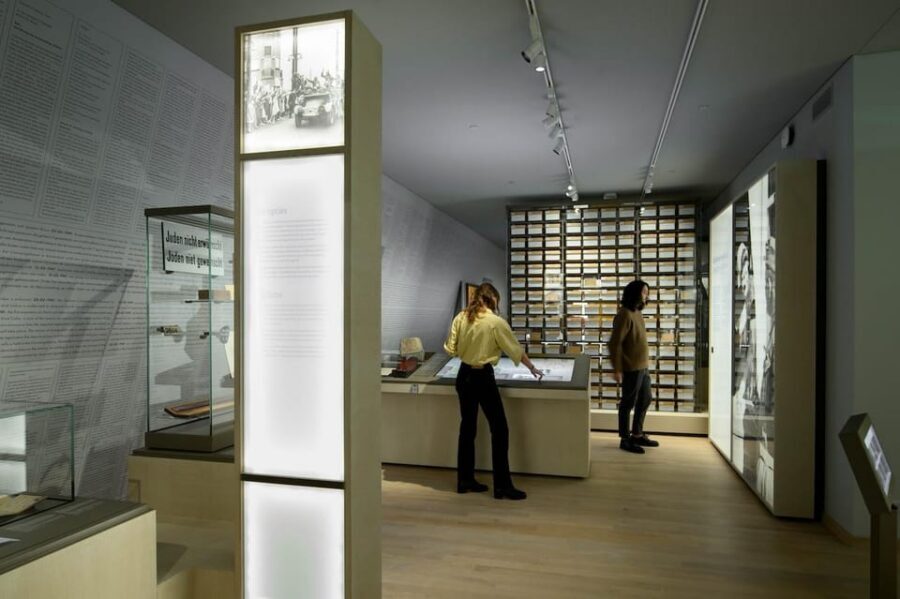
- A former school with a wartime function: The Hervormde Kweekschool building is part of what makes this visit hit harder.
- Kids targeted in daily life, not just battlefields: The adjacent daycare served as a gathering and deportation point for Jewish children.
- Real people, not just dates: The museum presents this history with recognizable faces to keep victims human.
- Good tech for tough topics: Reviews highlight interactive holograms and an audio guide that help you pace the story.
- Plan time or you’ll feel rushed: Expect a somber visit that asks for real attention, not quick scanning.
- One ticket, two related sites: Your entry also includes the Hollandsche Schouwburg National Holocaust Memorial.
Entering the Hervormde Kweekschool: Why the building matters
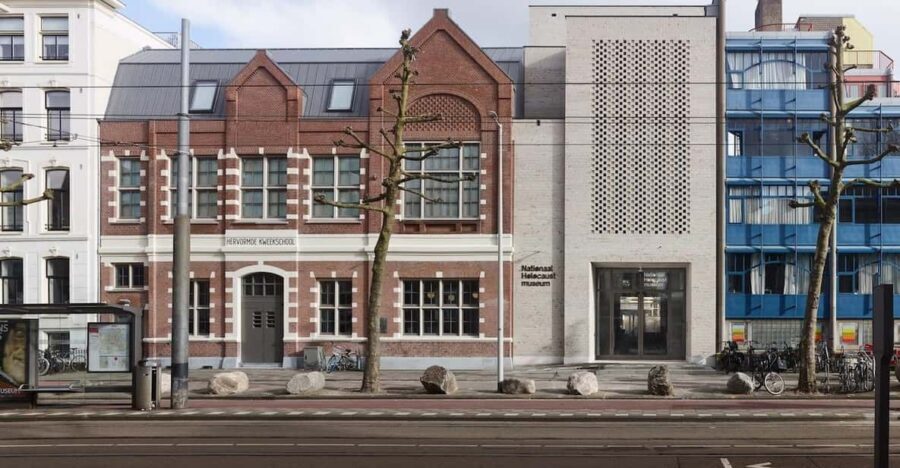
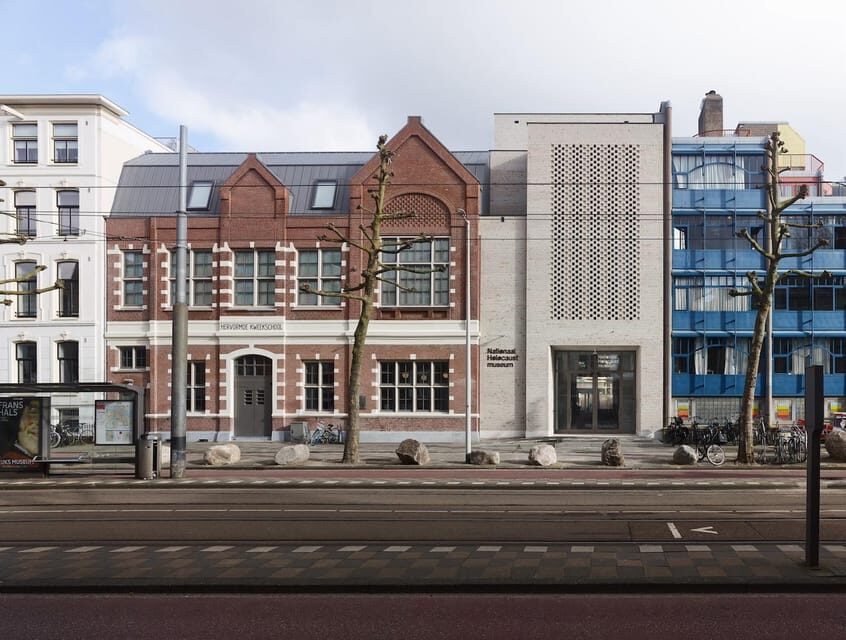
Amsterdam’s National Holocaust Museum sits in a building with serious historical weight: the former Hervormde Kweekschool. That’s not just a neat detail for history buffs. It changes how you understand the story, because you’re inside a space tied to what happened to children.
According to the museum’s approach, Nazis used an adjacent daycare as a gathering and deportation point for Jewish children. Standing in a place like that makes the theme of the exhibits less abstract. You’re not only learning about persecution. You’re learning about how persecution was carried out through ordinary-sounding institutions—schools, schedules, routines, paperwork, and transport.
And the museum’s narrative doesn’t stop at what was done. It also includes what people tried to do about it. The director Henriëtte Pimentel is highlighted for helping hundreds of children escape, including through the Kweekschool. That inclusion matters. The Holocaust can easily turn into a one-way story of harm; this museum also shows a thread of resistance and survival.
You can also read our reviews of more tours and experiences in Amsterdam



What you’ll learn about daily life before and after the occupation
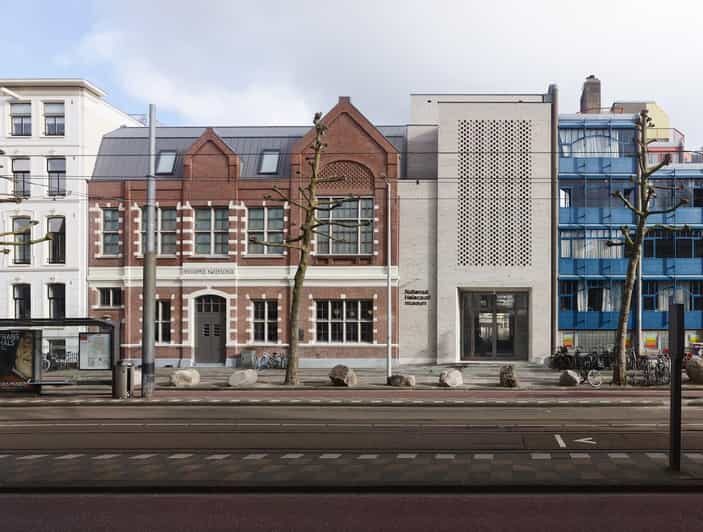
A strong Holocaust museum experience has two jobs: explain what happened and show what was destroyed. This one does both.
Before World War Two, the museum explains how Jews and non-Jews lived alongside each other with the same rights. That grounding is important. If the story starts only with persecution, your brain can file it under “war crimes.” When the museum starts with shared daily life, you feel what was ripped away.
Then the exhibits move into the occupation period and the systematized nature of Nazi persecution. The museum frames the overall scale of the Holocaust using widely recognized figures—about six million Jews murdered in Europe, often referred to as the Holocaust or Shoah. It also focuses on the Dutch impact, stating that three-quarters of the Jewish population in the Netherlands were killed.
One reason this museum stands out (and earns its strong reputation) is that it doesn’t treat the Netherlands as a side note. It places Dutch Jewish experiences at the center. You learn about persecution in a specific national context and how that history is remembered.
The museum also covers liberation—how it was experienced by Jews—and then looks at how the Holocaust is handled in Dutch national memory culture. That last part can be surprisingly helpful. It answers a question you might not expect to ask on a visit: not only what happened, but how a country keeps memory alive (or fails to).
Daily-life exhibits that make the Holocaust feel personal
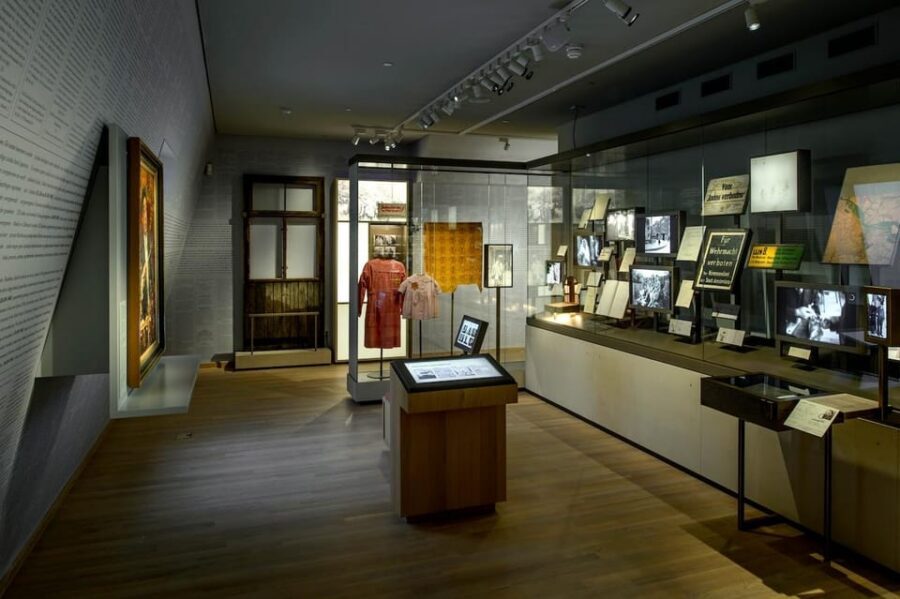
This is where I think the museum does its best work: it refuses to let the story become only numbers. Reviews point out the museum presents victims with recognizable faces, and objects like suitcases and portraits show up as quiet proof that there were individual people behind every outcome.
You’ll also run into the museum’s focus on daily life before the war. This includes how normal routines operated and how belonging and rights were meant to work. Then, as the occupation tightens, you see how persecution escalates. The effect is that you understand the Holocaust as a process, not a single event.
That matters for your takeaway. If you only remember the end result, it’s hard to recognize the early signals of cruelty. When you see the steps—incremental actions, systems, and constraints—you’re better equipped to understand how atrocities can be enabled by bureaucracy and compliance.
The emotional weight is real here. One review notes it as moving and somber, and that tracks with the subject. Plan for quiet respect. And plan for breaks, because absorbing this amount of human tragedy is not a one-sitting activity for most people.
Interactive holograms and the audio guide: a practical way to pace the visit
If you’re the type who gets lost in long museum text, this site has built-in structure. Reviews mention interactive holograms where you can ask questions and get answers. That’s a big deal for a museum like this, because it turns curiosity into a guided experience instead of a scavenger hunt through labels.
The audio guide is also a major help. Multiple reviews highlight that it’s informative throughout the museum, with clear explanations. That means you can skim certain areas and rely on the narration where you need it more.
Now for the realistic caution: some visitors report there’s almost too much information and it can feel overwhelming. That’s not a complaint about quality—it’s a sign the museum gives you real content. My advice is simple: don’t try to see every section like a checklist. Pick a route, slow down, and let one section fully land before moving on.
One more small practical note from reviews: some electronic guide content switched to Dutch instead of staying in English. If you’re counting on consistent English narration, keep that in mind and be ready to read some labels on the spot.
The Hollandsche Schouwburg National Holocaust Memorial: don’t skip the companion stop
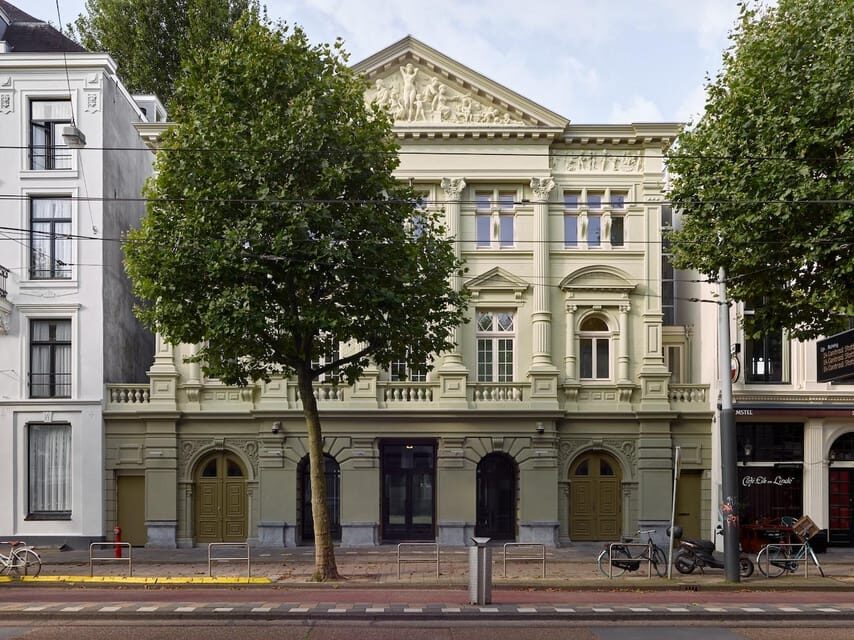
Your entry ticket doesn’t stop at the National Holocaust Museum. It also includes the Hollandsche Schouwburg National Holocaust Memorial.
That matters because it helps connect the museum’s broader themes to a specific memorial space. Think of it as a second lens. The museum gives context through exhibitions and historical interpretation. A memorial stop can feel more direct—less about explaining and more about remembrance and location-based meaning.
Even if you’re not sure what you’ll find there, the inclusion is a value boost. It’s a chance to keep the story grounded in the physical geography of wartime Amsterdam and the way remembrance is shaped by places tied to deportation and suffering.
You can also read our reviews of more museum experiences in Amsterdam






Photography rules, reflective cases, and how to actually see the objects
Photography is allowed, with the key reminder that you should be respectful. In a museum like this, that means use your camera like a tool, not as entertainment. No flash where it would disturb others, and keep movements slow.
The objects deserve your attention. Reviews specifically mention display issues: glass cabinets can reflect light, which makes some exhibits harder to see—especially when the glass catches the room’s lighting. You can work around this.
Try these practical approaches:
- Pause directly in front of key displays and shift your angle slightly to reduce glare.
- If a case is hard to view, scan the label text first, then come back to the object with better viewing position.
- Don’t get stuck on one “iconic” item. The museum’s power spreads across many artifacts and personal stories.
Also, expect a mix of visual and text-heavy materials. One review notes the museum had so much to see and hear that it’s best to set aside a half day. I agree with that logic. This is the kind of museum where you’re reading, listening, and processing all at once.
Time planning: why the visit can run long
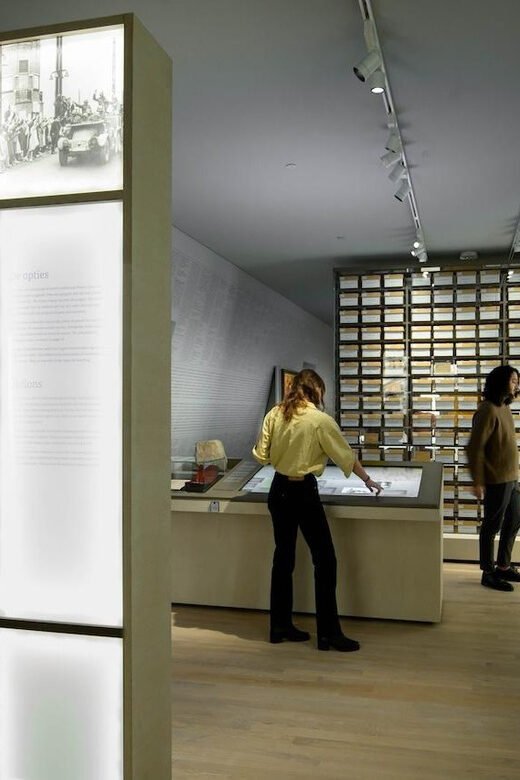
Let’s talk about scheduling. The museum experience can be time-expanding for two reasons: emotional processing and the sheer amount of content.
Reviews mention that you can take your time and not feel forced into a sprint. That’s a positive. But they also mention closing pressure. One visitor reported being told the museum was closing at 16:58, and another said some signage follow-up was imperfect. Put together, that means you should not plan this museum as a quick stop between trains.
My recommendation: give it a real block of time. If you’re the kind of person who hates museum time waste, you’ll still want a buffer here. Some exhibits may require waiting for a view—one review says some items can only be viewed by two people at a time, causing a queue or a missed moment if your schedule is too tight.
So build margin. If you want to enjoy the museum without feeling rushed, arrive earlier in the day when possible and keep your last plan flexible.
Price and value: what $24 buys in Amsterdam’s Holocaust education
The ticket price is listed as $24 per person, and that’s for entry to the National Holocaust Museum, plus access tied to the Holocaust memorial component included in your package.
Is that a good use of money? In my view, yes—because you’re paying for more than “a room full of history.” You’re paying to enter:
- a museum housed in a historically important building tied to deportation processes for children,
- an exhibition that covers daily life, persecution, liberation, and national memory culture,
- and an added memorial stop through the Hollandsche Schouwburg National Holocaust Memorial ticket included.
Also, the ticket validity is generous in a practical way: it’s valid for 7 days from first activation. That doesn’t mean your visit takes a week—it means you can adjust if your Amsterdam day gets hijacked by rain, jet lag, or the classic: you underestimate how long you’ll wander the canals.
If you’re balancing budget, the value comes from depth and pacing. This isn’t a five-minute “check-the-box” museum. It’s a real, serious educational visit, and the ticket price fits that kind of experience.
Who this entry ticket is best for (and who should think twice)
This is a smart choice if you:
- want a Dutch-centered Holocaust story, not a generic overview,
- like museums that connect historical systems to specific places and buildings,
- appreciate aids like audio guides and interactive tech such as the holograms,
- are ready for an emotional, respectful visit.
It may be harder for you if:
- you need light and upbeat travel stops (this is not that),
- you’re sensitive to overwhelming amounts of information without time to pause,
- you hate waiting in line for close viewing (some exhibits can require turn-taking).
For families, it can be suitable when kids are old enough to handle serious content and when you can pace the visit. One review mentions a son and enjoying it at a leisurely pace, which suggests families can do well with the museum’s self-guided style. If you’re bringing younger children, you’ll want to judge your group’s emotional comfort level.
Before you go: small practical reminders that help
A few details can make your visit smoother:
- Photography is allowed, but keep it respectful.
- Plan for a museum day that feels heavy, not casual.
- Expect some exhibits to be hard to see due to reflections; adjust your viewing angle.
- Give yourself time for the included memorial stop rather than rushing out right after the museum.
If you like flexibility, the offer includes reserve options that keep you from paying immediately, and you can cancel within a 24-hour window for a full refund. That’s useful if your Amsterdam plans are still shifting.
Should you book this Amsterdam Holocaust Museum entry ticket?
If your goal is a serious, place-based Holocaust education with strong visitor tools (audio plus interactive elements) and a ticket price that covers more than one historical site, I’d book it. The setting in the Hervormde Kweekschool, the focus on daily life before the war, and the emphasis on recognizable faces give this visit weight in a good way—clear, human, and difficult to forget.
Do it if you can give it real time. Skip it only if you’re looking for something quick, light, or easy to process.
FAQ
Where is the meeting point?
The meeting point is the National Holocaustmuseum.
What is included with the entry ticket?
Your ticket includes entry to the National Holocaust Museum and an entry ticket for the Hollandsche Schouwburg National Holocaust Memorial.
How long is the ticket valid?
The ticket is valid for 7 days from the first activation.
Is photography allowed inside the museum?
Yes, photography is allowed, but please be respectful.
Is the experience wheelchair accessible?
Yes, the museum is wheelchair accessible.
Can I cancel for a full refund?
Yes. Free cancellation is available up to 24 hours in advance for a full refund.