REVIEW · AMSTERDAM
Amsterdam: Guided Bike Tour City Centre in EN/DE/FR/ES
Book on GetYourGuide →Operated by AmsterBike · Bookable on GetYourGuide
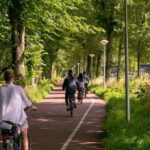
Cycling beats rushing through Amsterdam. This guided ride strings together the big sights and the side streets in one smooth loop. You start near Central Station, pass the A’DAM Tower, then pedal across canals and through neighborhoods that feel like they belong to different eras.
What I like most is the route mix: you get central-city landmarks plus local hangouts, like the Jordaan and the Nine Streets. I also love the small-group feel (max 15), and how guides such as Rad, Chris, Carlos, and Miriam keep everyone moving with safety and good humor, not stress.
One drawback to consider: this is not a casual stroll. It’s for people who can ride confidently in bike traffic, and the city can feel chaotic even when your guide is doing everything right.
In This Review
- Key takeaways before you book
- Why cycling central Amsterdam beats walking for a short visit
- Meeting at AmsterBike and getting ready for city traffic
- Starting with Central Station energy and A’DAM Tower
- Western Islands: drawbridges, old warehouses, and art-studio vibes
- Jordaan and Nine Streets: boutiques, cafés, and a guide who adds context
- Westerkerk and the Anne Frank House area: landmark sightlines without the stress
- Leidseplein square: street performers, theater energy, and a quick reality check
- Vondelpark break: the mid-tour reset your body will thank you for
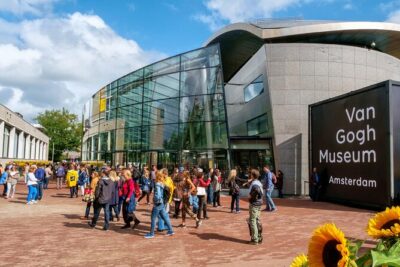
- Museumplein to De Pijp: from the art quarter to the bohemian streets
- Magere Brug, Artis, and the Maritime Quarter ship replica
- Pace, group size, and the small-bike details that matter
- Included extras: stroopwafel, water refills, and audio when you want it
- Price and value: what $41 buys you in real time
- Who this bike tour is best for (and who should skip it)
- Should you book this Amsterdam bike tour?
- FAQ
- How long is the Amsterdam guided bike tour?
- Where do you meet the guide, and where does the tour end?
- What languages are offered on the tour?
- How big is the group?
- What’s included in the price?
- What should I bring?
Key takeaways before you book
- Flat-city riding with real traffic skills: You’ll learn how to move safely through busy areas without white-knuckling it.
- Western Islands + Jordaan + De Pijp in one loop: Big sights plus side streets, not just a highlights reel.
- Vondelpark break mid-tour: A real pause where the pace stops feeling like a checklist.
- Magere Brug and the Amstel crossing: That skinny wooden drawbridge moment is worth the pedal.
- Included treats that keep you going: A stroopwafel, water bottle refill, and a guide working the whole time.
Why cycling central Amsterdam beats walking for a short visit
Amsterdam is perfect for bikes, and this tour uses that advantage well. In about three hours, you can cover ground that would take most visitors most of a day on foot. It’s also an easy way to get oriented fast, since you’re moving in the same corridors locals use every day.
The route is built to show you how the city is stitched together: canals, bridges, and neighborhoods that change character block by block. You’re not only seeing postcard places; you’re riding the connections between them, which helps you understand where things are when you explore on your own later.
You can also read our reviews of more cycling tours in Amsterdam
Meeting at AmsterBike and getting ready for city traffic
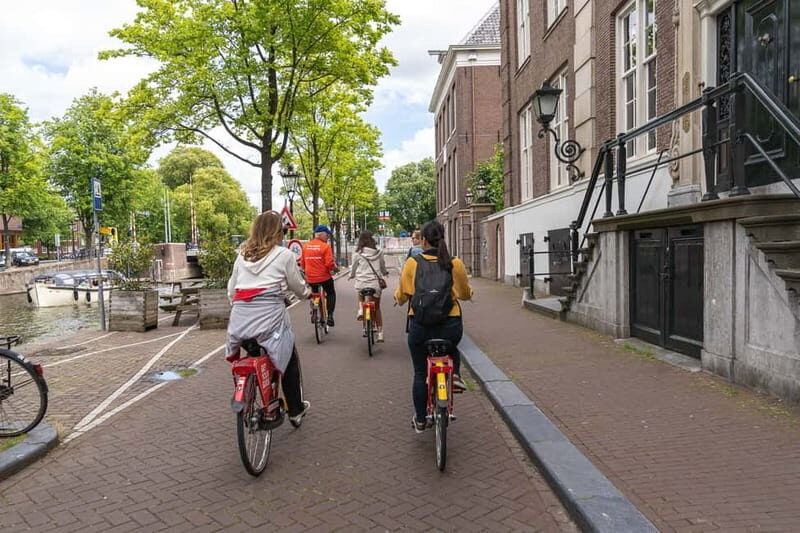
You meet your guide inside AmsterBike, right at the start of the journey, and the tour ends back there. The bike is provided, and helmets are available on request—useful if you like extra reassurance before you join the flow of cycling lanes and crossings.
Bring headphones and a charged smartphone if you’re using the optional audio app. The tour also includes time to refill your water, so plan on carrying it through the ride rather than relying on frequent stops.
One more practical note: you’ll be riding for the full experience, so wear clothes you can pedal in comfortably. Amsterdam is famously gentle on hills, but bridges still create small climbs and drops, and your legs will notice if you’ve packed like you’re going to a museum.
Starting with Central Station energy and A’DAM Tower
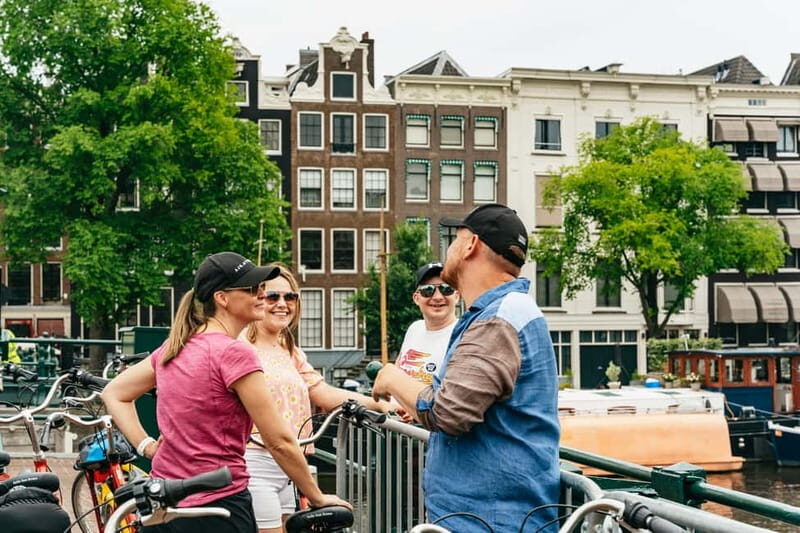
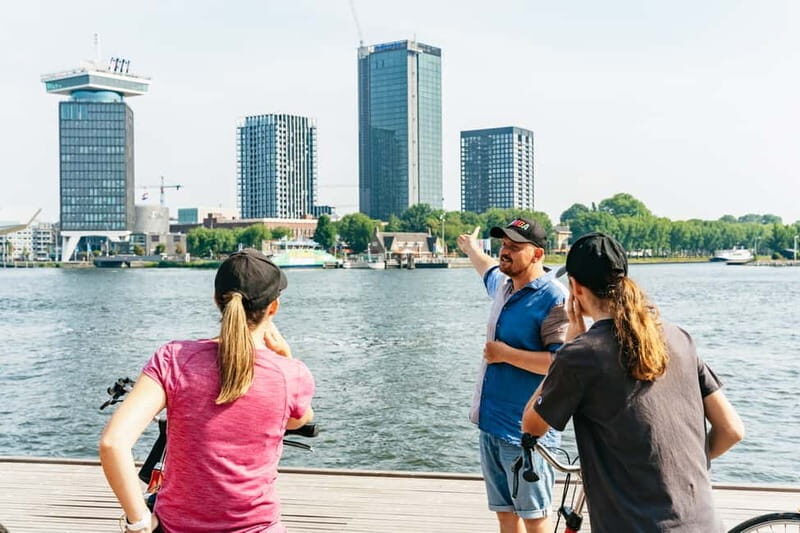
Right after you set off, you’ll ride near Central Station and pass A’DAM Tower. This is a good opener because it puts you in motion immediately, while still keeping the pace approachable.
From there, the tour begins shifting toward the “different Amsterdam” feeling—less about rushing to the next landmark, more about learning the rhythm of canals, bike infrastructure, and neighborhood streets.
Western Islands: drawbridges, old warehouses, and art-studio vibes
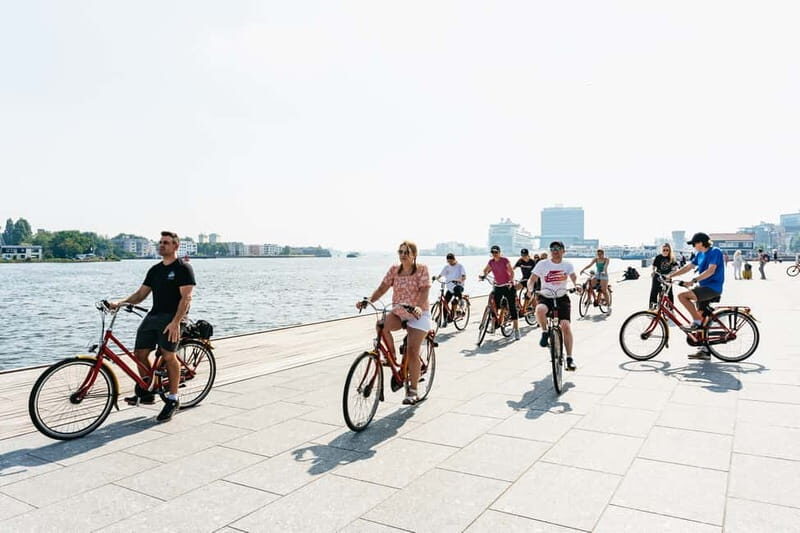
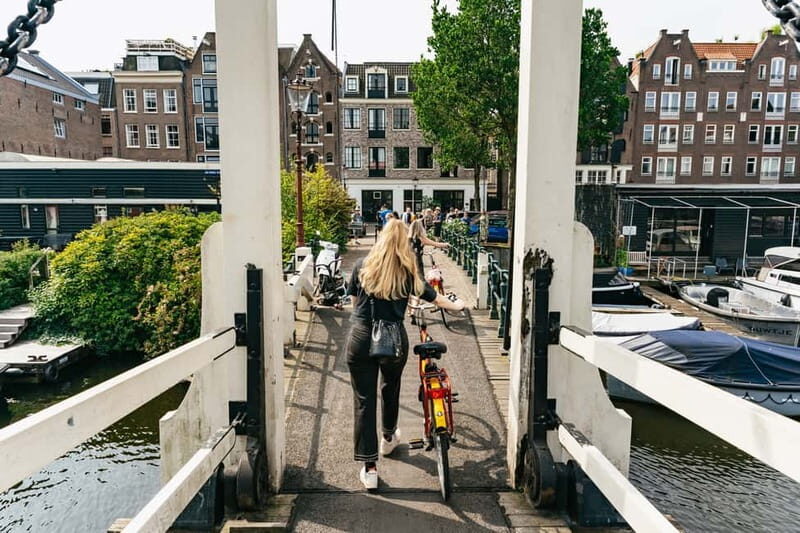
One of the strongest parts of this tour is the Western Islands segment. You’ll cycle through an area known for charming drawbridges, older warehouse buildings, and places that feel designed for artists and makers. It’s the kind of scenery that doesn’t show up in every quick stop-and-snap itinerary.
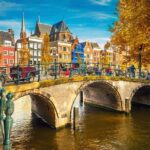
You’ll also travel along Brouwersgracht Canal, which is a reminder that Amsterdam’s canals aren’t background scenery—they’re part of how the city functions. Expect canalside views that change with every bend, and streets that feel calmer than the main tourist corridors.
If you like photos, this section gives you a lot of angles: bridges, brick-and-water reflections, and the layered look of canal-side buildings.
Jordaan and Nine Streets: boutiques, cafés, and a guide who adds context
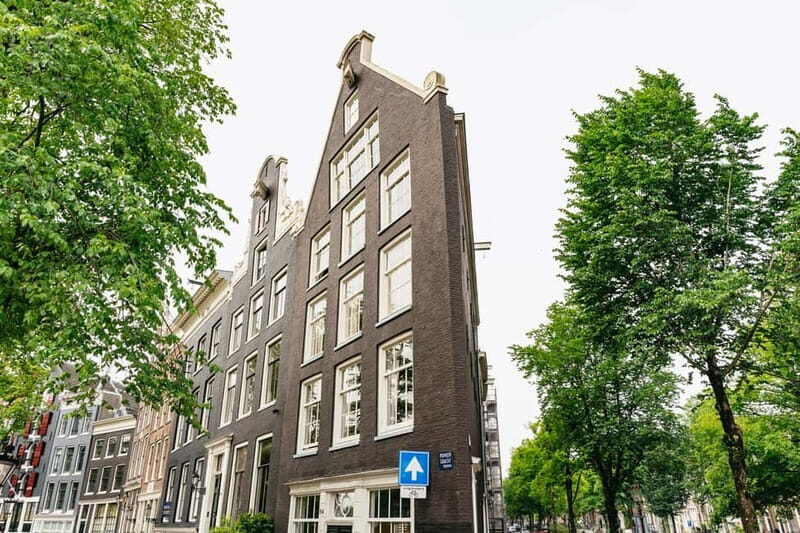
When you head toward the Jordaan and the Nine Streets (De Negen Straatjes), the tour turns more “street-level Amsterdam.” This is where you’ll pass indie boutiques, cozy cafés, and plenty of spots that feel made for wandering.
I like this part because it’s not only about shopping streets. Your guide gives the background that makes the area make sense—why it developed the way it did, and what you’re seeing as you ride past. That context can turn a pretty street into something you actually understand.
The tour then continues toward the Grachtengordel area, which is where canal-house architecture and classic Amsterdam street lines really start to feel like a unified city plan.
You can also read our reviews of more guided tours in Amsterdam




Westerkerk and the Anne Frank House area: landmark sightlines without the stress
As you pass through the central canal belt, you’ll ride near Westerkerk (Western Church) and the Anne Frank House area. You’re not there for a long visit or an inside tour; it’s a riding-and-looking moment.
That works well if you want to see these places without spending your limited time stuck in lines or waiting around. The benefit is orientation: after you’ve ridden past, it’s much easier to decide later if you want to return for a deeper visit.
Leidseplein square: street performers, theater energy, and a quick reality check
Leidseplein Square is where Amsterdam’s nightlife and public energy show up. As you roll through, you may notice the mood shift—more music, more people, and a livelier street atmosphere.
This section is also a good reminder that bike riding here is a shared space. Your guide helps you read the flow—when to coast, when to slow, and where other cyclists and pedestrians tend to cluster.
If you’re a first-time visitor, this is the moment that makes everything click: Amsterdam bike culture isn’t chaotic in a careless way. It’s structured, and once you’re in the rhythm, it feels more controlled than it looks from the sidewalk.
Vondelpark break: the mid-tour reset your body will thank you for
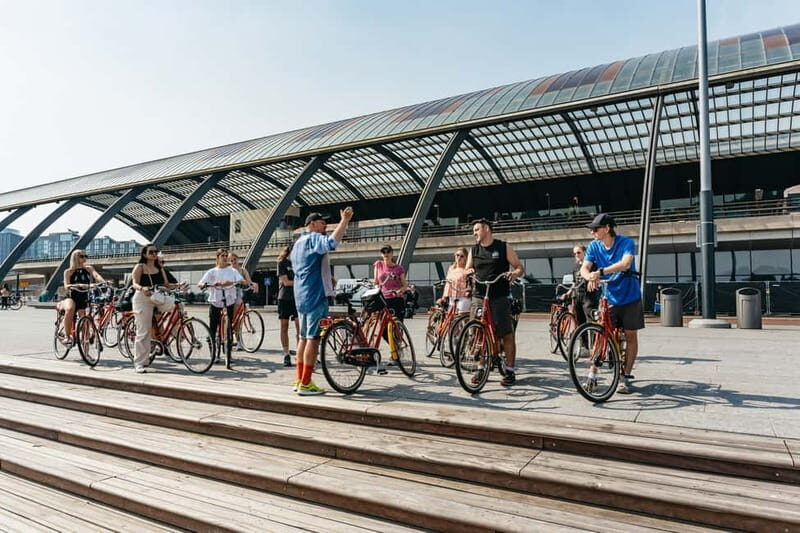
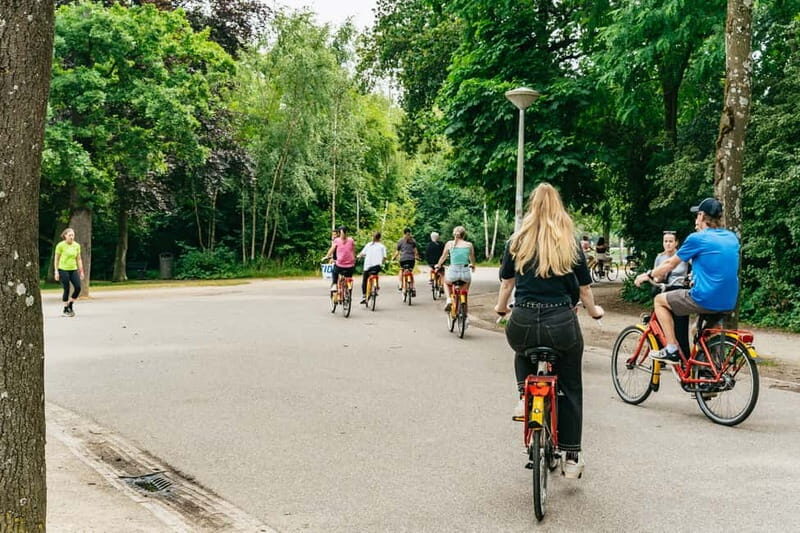
After the lively center, the tour gives you a breather at Vondelpark—Amsterdam’s largest park and one of the most famous in the Netherlands. In practice, this break comes roughly around the two-hour mark for a lot of tours, giving you time to reset without cutting the route short.
This matters because your legs and your attention both need a pause. You’ll be better at spotting details once you’ve had a chance to stand still, check your phone camera settings, and drink water.
It’s also a good moment for bathroom access, since one of the tour’s strengths is that it includes a planned rest stop instead of forcing you to improvise.
Museumplein to De Pijp: from the art quarter to the bohemian streets
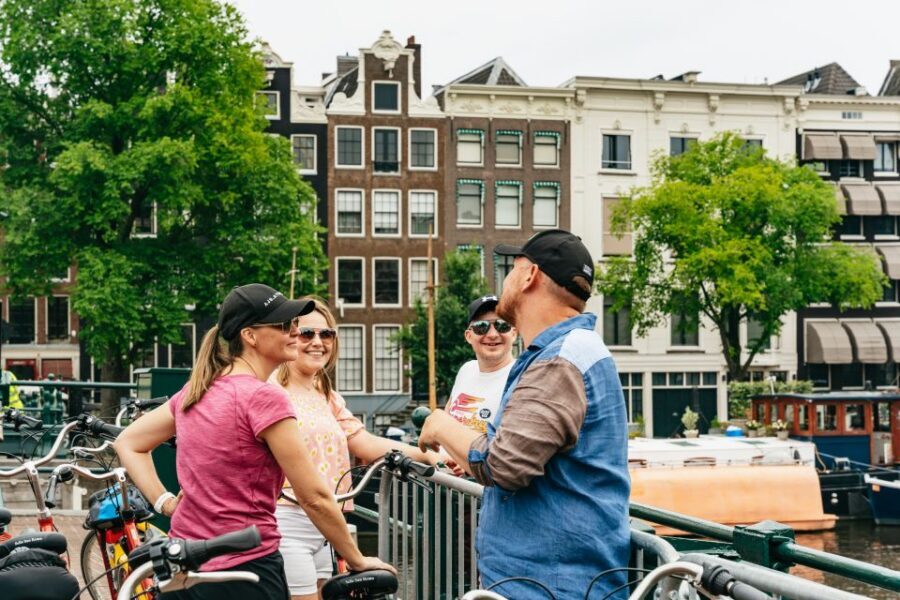
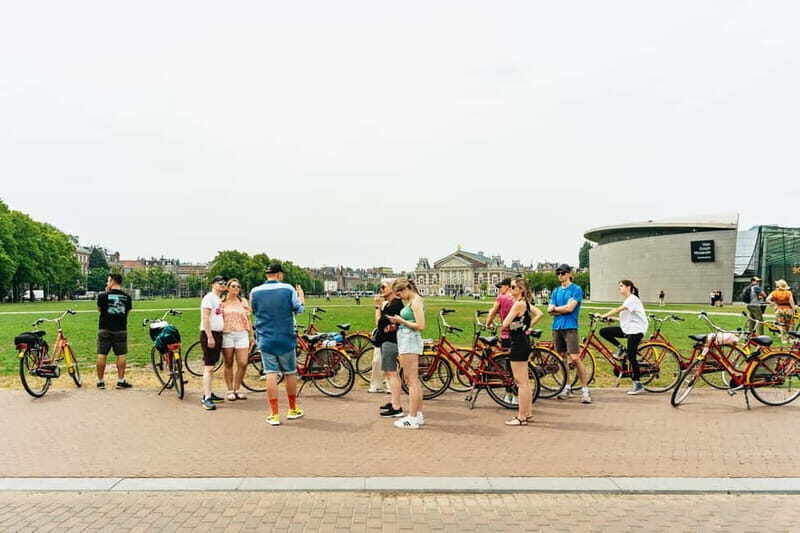
Next up: Museumplein, followed by riding into De Pijp. If Museumplein feels like the official “Amsterdam meets culture” zone, De Pijp often feels more like the neighborhood version—more lived-in, more casual, and strongly influenced by the area’s bohemian vibe.
You’ll pedal through streets known for their character and local flavor, and you’ll get a sense of why people spend time here beyond the museum ticket line. The route also helps you understand how Amsterdam layers districts: formal, playful, and working-city energy can exist blocks apart.
This is where the tour shifts from landmark viewing to real neighborhood watching—people at cafés, storefronts tucked into narrow streets, and the way cyclists weave through the city’s everyday flow.
Magere Brug, Artis, and the Maritime Quarter ship replica
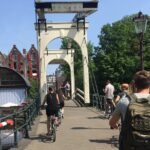
Crossing Magere Brug is one of those Amsterdam moments that looks better the closer you get. It’s a wooden drawbridge over the River Amstel, and you’ll ride through with a clear sense of how the river and bridges shape movement across the city.
From there, the tour heads toward Artis Zoo and onward into the Maritime Quarter. One standout stop is the Salt Harbour area, where you can admire an impressive replica of a 17th-century Dutch East Indian Company ship.
Then the tour continues to Het Scheepvaartmuseum (the maritime museum area). Even without going inside for a full visit, you’ll leave with a strong visual memory of Amsterdam’s connection to trade and seafaring.
Pace, group size, and the small-bike details that matter
This tour runs about 3 hours and keeps group size to 15 people or less, which is a big deal in a cycling city. Smaller groups are easier to manage, and guides can adjust to your pace without making you feel like you’re lagging behind or sprinting to keep up.
You’ll likely ride a standard geared bike—many groups report using 3-speed bikes—which makes it easier to handle those bridge climbs without turning the whole tour into a leg workout.
One review detail that lines up with what you’ll feel on the street: Amsterdam riding can get intense, especially in busier routes. Guides like Chris have been praised for doing a practical warm-up on quieter roads before moving into busier cycling corridors—exactly what you want if you’re not used to shared bike lanes.
Included extras: stroopwafel, water refills, and audio when you want it
The tour includes a stroopwafel, which is a perfect break snack—sweet, easy to eat, and very Amsterdam. You also get help filling your water bottle, so you don’t have to hunt for drinks during the middle of the ride.
If you choose the optional audio layer, you get an audio guide app in French or Spanish (English or German spoken by the live guide is also available). The app option is nice if you want extra narration while you ride, but it also explains why headphones and a charged smartphone show up on the packing list.
Price and value: what $41 buys you in real time
At about $41 per person for roughly three hours, you’re paying for three things at once:
- a local guide who manages route decisions and timing,
- a bike you don’t have to source or maintain yourself,
- and a planned itinerary that strings together multiple neighborhoods efficiently.
For a first-time visitor, the value is less about seeing a single famous spot and more about getting a working mental map of central Amsterdam. After this kind of ride, you can plan the rest of your day with better confidence because you’ve already seen the city’s bridge-and-canal logic up close.
Compared to paying for separate “neighborhood walks” or trying to bike independently while figuring out traffic patterns, this feels like a bargain. It’s also a lower-cost way to experience the city beyond the museum zone without turning your schedule into a string of reservations.
Who this bike tour is best for (and who should skip it)
This tour is ideal if you:
- like active travel but want a plan,
- want to see central Amsterdam neighborhoods in one go,
- and can comfortably ride a bike.
It’s especially good for people who want a fast orientation on a short trip. If you’re the type who likes to return to your favorite streets later, this helps you find those areas quickly.
It’s not suitable for people who can’t ride a bike. And even if you can ride, you’ll get the most out of it if you’re comfortable sharing space with other cyclists and pedestrians—Amsterdam is bike-first, even when the streets look friendly.
Should you book this Amsterdam bike tour?
I’d book it if you want a practical “get your bearings fast” experience that still feels personal. The small-group format, the neighborhood mix (Western Islands, Jordaan, De Pijp), the planned Vondelpark reset, and the classic bridge moment at Magere Brug all add up to a tour that’s more than a ride-by of tourist targets.
Skip it only if you hate bikes or you’re nervous about bike traffic. In that case, you’ll spend the whole ride watching for danger instead of enjoying the city.
FAQ
How long is the Amsterdam guided bike tour?
The tour lasts 3 hours. Starting times vary, so you’ll want to check availability for the exact slot you want.
Where do you meet the guide, and where does the tour end?
You meet your guide inside AmsterBike. The tour ends back at the same meeting point.
What languages are offered on the tour?
The live guide is available in English, German, and Dutch. An optional audio guide app is available in French and Spanish if you select that option.
How big is the group?
The group size is up to 15 people.
What’s included in the price?
You get a bicycle, the guide, and stroopwafel plus help filling your water bottle. A helmet is available on request, and an audio guide app is included if you choose that option.
What should I bring?
Bring headphones, a charged smartphone, and water. You should also be ready to ride the whole time since it’s not suitable for people who can’t ride a bike.