REVIEW · AMSTERDAM
Amsterdam: Museum of the Canals Ticket with Audio Guide
Book on GetYourGuide →Operated by Museum of the Canals / Grachtenmuseum · Bookable on GetYourGuide
Amsterdam’s canals explain everything.
This Museum of the Canals ticket is a smart, self-paced way to understand why the waterworks mattered for the city’s growth, then see how the story still matters today. You’ll start with a multimedia look back about 400 years, and you’ll have an audio tour to guide you through the exhibits.
What I like most is that you don’t just read about canals—you experience them through a 17th-century canal house at Herengracht, with period-style rooms that make the history feel more real. I also like the museum’s focus on the canals as the city’s main “movement system,” not just decorative scenery. One possible drawback: the multimedia presentation includes animation, and some people find parts of it dated, which can impact perceived value.
In This Review
- Key Things to Know Before You Go
- Where a Canal House Turns Into a Museum Ticket
- The 400-Year Canal Story in Multimedia Format
- Audio Guide Strategy: Learn Faster Without Feeling Rushed
- Permanent Exhibition Meets Temporary Exhibits
- Price and Value: What $22 Buys You in Real Terms
- Is It Worth It If You’re Not a Die-Hard Canal Fan?
- A Quick Heads-Up on the Multimedia Feel
- How to Get the Most From Your One-Day Visit
- Should You Book the Amsterdam Museum of the Canals Ticket?
- FAQ
- What does the ticket include?
- How long is the visit?
- Where is the Museum of the Canals located?
- What languages is the audio guide available in?
- Are temporary exhibitions included?
- Is food or drinks included?
- Is this ticket cancellable?
Key Things to Know Before You Go
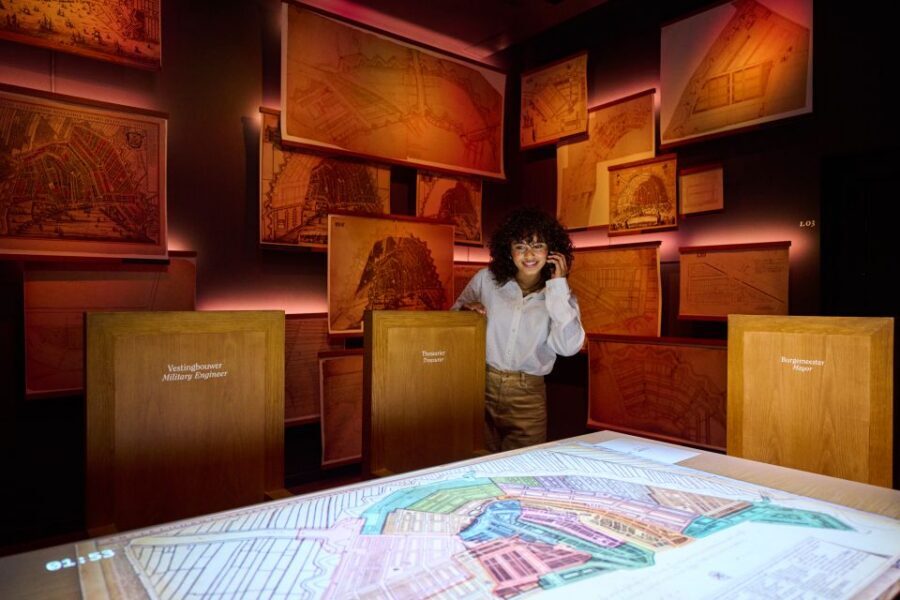
- 17th-century canal house at Herengracht: the building itself supports the story.
- Multimedia exhibition spanning about 400 years: Amsterdam’s canal evolution, explained step-by-step.
- Audio tour in many languages: you can match the pace to your own interests.
- Permanent exhibition plus temporary exhibits: you get the core canal story and extra rotating content.
- Wheelchair accessible: the site is set up for mobility needs.
Where a Canal House Turns Into a Museum Ticket
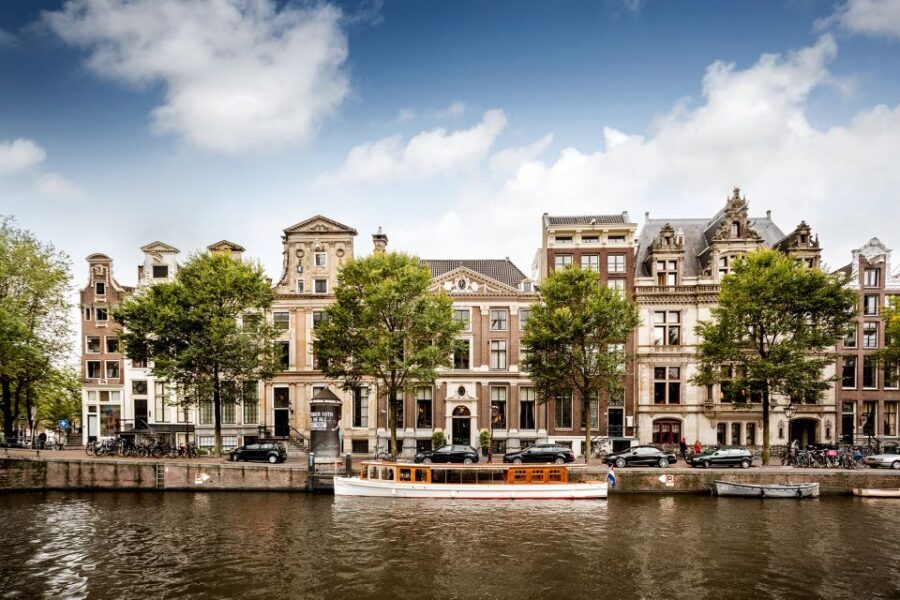
This is the kind of museum ticket that feels like it comes with built-in atmosphere. The Museum of the Canals (Grachtenmuseum) is set in a 17th-century canal house on Herengracht, and that matters. You’re not learning about canal life from a distant display case; you’re learning inside the kind of space canals helped make possible.
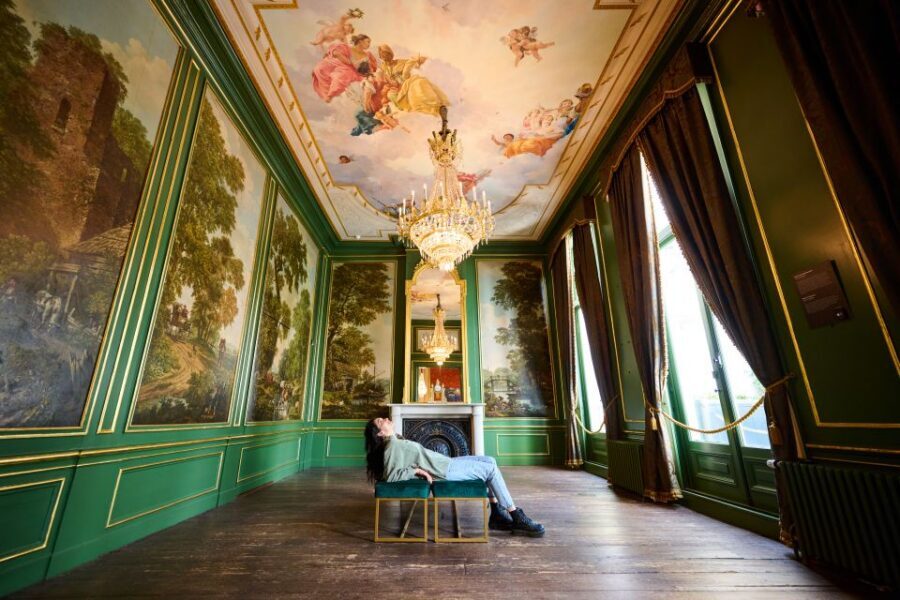
The museum’s rooms are described as having classical period rooms, which is a nice change of pace from purely modern galleries. Even if you’re not a “museum person,” the setting helps you connect the canals to everyday life—people living, working, trading, and building their homes in a city designed around waterways.
And because the museum is in the city center, it’s the sort of stop that works well as a one-day add-on. You’re not trying to plan a whole travel day around getting there; the canal story can fit into a broader Amsterdam route.
You can also read our reviews of more tours and experiences in Amsterdam



The 400-Year Canal Story in Multimedia Format
The museum’s main hook is simple: Amsterdam’s canals are the heart of the city, and the exhibit is built to help you understand the reason behind them. The multimedia presentation focuses on how the canals evolved and how they affected the movement of Amsterdam’s residents and the city’s development over time.
What’s useful here is the angle. Instead of treating canals like a background feature, the museum frames them as the infrastructure that shaped decisions. That’s exactly what you want, because it explains the “why” behind what you’ll see outside the museum. When you walk around Amsterdam after this, the canals start to feel less like postcard scenery and more like city engineering with social consequences.
The museum also positions canals as still important for the future. That makes the visit feel more current than a “look how things were long ago” history stop. You’re learning a story that continues to matter in the way the city functions today.
Audio Guide Strategy: Learn Faster Without Feeling Rushed
The audio tour is included, and it’s offered in a wide set of languages: Dutch, English, German, French, Spanish, Italian, Russian, Japanese, and Chinese. If you’re traveling with someone who has different language preferences, this kind of ticket can be a surprisingly smooth choice.
Here’s how I’d use the audio guide effectively:
- Start with the multimedia section first (so you get the big timeline in your head).
- Then let the audio tour help you attach meaning to what you’re seeing in the rooms and exhibits.
- If you’re an “I want the key facts” listener, you can stop and restart sections as needed. The format is designed for self-paced learning.
Because the audio tour is included in the price, you don’t have to decide on the fly whether audio is worth it. You can also spend more time in the parts you find interesting and less time in sections that don’t grab you.
Permanent Exhibition Meets Temporary Exhibits
You’ll have access to the permanent exhibition and also to temporary exhibitions. That’s a good combo for two reasons.
First, the permanent part gives you the core explanation of Amsterdam’s canals: why they were built, how they functioned, and how they shaped the city’s life. This is the content that helps you connect the dots.
Second, temporary exhibits can add variety. Even if the canal story is the main focus, an extra rotating display means you’re not guaranteed the exact same experience as the person who visited last month. It gives your one-day visit a little extra freshness, instead of feeling like a static lecture.
Price and Value: What $22 Buys You in Real Terms
At about $22 per person, this ticket isn’t trying to be the cheapest “quick look” museum. What you are paying for is access to:
- entrance to the museum (permanent and temporary),
- and the included audiotour.
That combination is where the value comes from. Many attractions in Amsterdam charge extra for audio. Here, the audio guide is part of the package, which helps justify the cost if you plan to actually use it instead of treating the ticket as a passive entry.
Also, it’s built to support a 1-day visit. That timeframe is important: you can realistically fit this into a day without turning your schedule into a race. If you’ve got one free day and want a canal-centered cultural stop, this tends to be a practical use of time.
One caution: there can be a mismatch for people who care a lot about production quality. If the multimedia animation feels dated to you, the price-to-pleasure ratio might not feel as strong as it does to others.
You can also read our reviews of more guided tours in Amsterdam





Is It Worth It If You’re Not a Die-Hard Canal Fan?
This experience works best if you like “place-based history”—learning how a city’s design shaped real life. If you’ve ever wondered how Amsterdam became Amsterdam, this is one of those tickets that explains the mechanics behind the scenes.
It’s also good for:
- independent travelers who prefer to set their own pace, since the audio tour supports self-guided learning,
- people who enjoy a mix of storytelling and physical space (because you’re in a canal house on Herengracht),
- travelers who want context before exploring on foot afterward.
If you’re the type who wants only hands-on stuff or highly interactive play, you might find the format more educational than playful. But if you want clarity about why the canals matter, this ticket is aimed right at that.
A Quick Heads-Up on the Multimedia Feel
One thing to keep in mind is that the museum uses multimedia, including animation. Some visitors have flagged that the animation quality can feel old or behind the times, which is a fair concern if you’re paying for modern production.
That doesn’t mean the content is weak; it just means expectations should be set appropriately. Think of it as museum storytelling with multimedia support, not a high-tech cinema experience.
If you’re sensitive to production polish, you can still have a good time by leaning on the audio tour and using the canal house setting as your main “wow” factor.
How to Get the Most From Your One-Day Visit
You’ve only got a day, so plan your attention.
1) Give the multimedia a first pass
Get the timeline and big ideas in place first. It makes everything you see afterward click faster.
2) Use the audio tour to focus your questions
The audio guide is your tool for turning what you notice into what you understand. Let it answer the obvious questions you’ll be thinking: Why those canal choices? How did they shape daily life? Why does it still matter?
3) Slow down in the rooms
Since the museum is inside a historical canal house with classical period rooms, take a moment in the spaces that feel most period-like. The building helps you interpret the exhibits.
4) Don’t ignore the temporary section
Even a short look can add freshness to the visit and help you leave with more than just the core canal story.
Should You Book the Amsterdam Museum of the Canals Ticket?
If you want a canal-focused museum visit that pairs strong context with a setting that actually matches the theme, I think it’s a solid choice. For about $22, you’re getting more than entry: you’re getting both the permanent + temporary exhibitions and an audio tour in many languages, which makes it a good value for a one-day schedule.
Book it if you:
- like self-guided learning,
- want to understand Amsterdam’s canals as city infrastructure,
- enjoy history in the real spaces where it happened.
Skip it (or go in with softer expectations) if you:
- expect cutting-edge multimedia production,
- mainly want interactive entertainment rather than museum storytelling.
FAQ
What does the ticket include?
It includes entrance to the Museum of the Canals (both the permanent and temporary exhibitions) and an audio tour.
How long is the visit?
The experience is listed as lasting 1 day.
Where is the Museum of the Canals located?
It’s in Amsterdam, in a 17th-century canal house on Herengracht.
What languages is the audio guide available in?
The audio guide is available in Dutch, English, German, French, Spanish, Italian, Russian, Japanese, and Chinese.
Are temporary exhibitions included?
Yes. Your ticket includes access to both the permanent exhibition and any temporary exhibitions on display.
Is food or drinks included?
No, food and drinks are not included.
Is this ticket cancellable?
Yes, you can cancel up to 24 hours in advance for a full refund.