REVIEW · AMSTERDAM
Amsterdam Red Light District & Coffee Shop Tour
Book on GetYourGuide →Operated by Trigger Tours · Bookable on GetYourGuide
Amsterdam’s Red Light District can feel intense fast. This 2-hour walk makes it make sense by pairing history and politics with a real look at modern coffee shop culture. I like how it stays grounded in what shaped the neighborhood, not just what people assume. I also like the way guides bring in local context, from canals to city life, and keep things respectful. One thing to consider: this is a walking tour through some of the area’s tight streets, so it’s not ideal if you’re mobility-limited.
You’ll move through the Red Light District starting near the action, then widen your view with nearby spots like Chinatown and the “narrowest” streets. Guides like Ben, Robin, and Katy (among others) stand out in the comments for being funny, approachable, and focused on explaining why Amsterdam developed its famously liberal reputation. The only real drawback is that the topic matter is… adult. If you’re looking for a light sightseeing stroll, this may feel too direct.
In This Review
- Key things you’ll notice on this Amsterdam Red Light District and Coffee Shop Tour
- Amsterdam’s Red Light District: why it exists and how it changed
- The 2-hour route: from Chinatown corners to red-lit streets
- Coffee shop culture: what you’ll see at The Jolly Joker
- Narrow streets and big symbols: Schreiertower, Oude Kerk, and Warmoesstraat
- Casa Rosso and Condomerie: learning that stays human
- Narrowest House in Europe: why the route feels like a maze
- Where the canals fit in Dutch culture (and why your guide mentions them)
- Price and value: does $29 make sense for a 2-hour guided walk?
- Which tour-goers will love this (and who should skip it)
- Should you book the Amsterdam Red Light District and Coffee Shop Tour?
- FAQ
- How long is the Amsterdam Red Light District and Coffee Shop Tour?
- Where does the tour meet?
- Does the tour include a coffee shop visit?
- Is there an age requirement for the coffee shop part?
- What languages are the live guides available in?
- Is the tour suitable for mobility impairments?
- Can I cancel and get a refund?
Key things you’ll notice on this Amsterdam Red Light District and Coffee Shop Tour
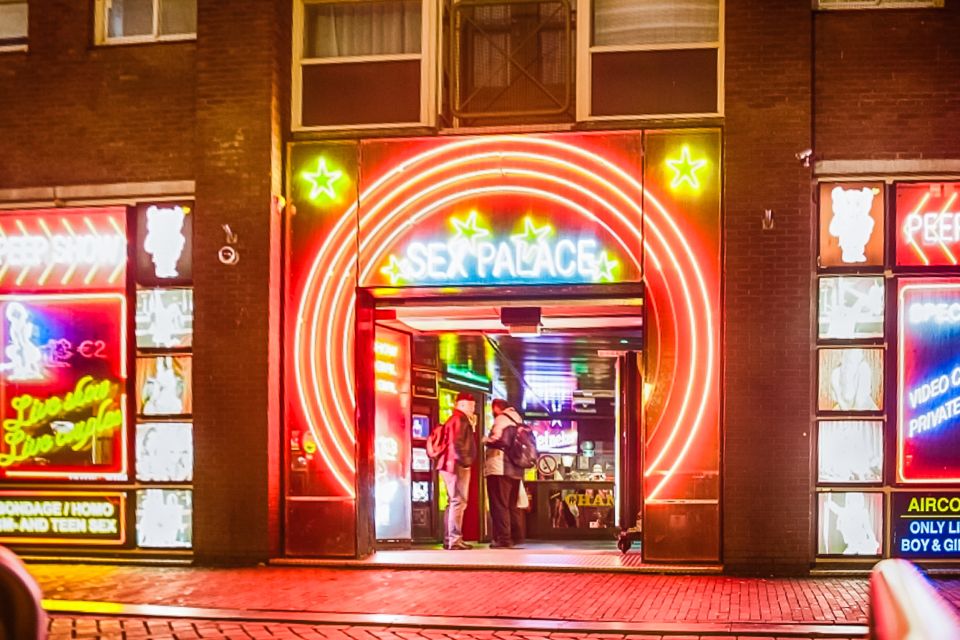
- Local-led context on sex work and law: you hear about legalization and the challenges sex workers face today
- Coffee shop stop at Coffeeshop The Jolly Joker: plus an overview of how Amsterdam’s coffee shop culture started
- Canals as part of Dutch culture: not just scenery, but part of how the city functions and grew
- Chinatown and temple area walking: you get Zeedijk Street, He Hua Tempel, and Nieuwmarkt Square in the same route
- Tight street highlights: including the Narrowest House in Europe
- Respect-first approach: guides steer the group toward learning, not gaping
Amsterdam’s Red Light District: why it exists and how it changed
This tour is built around one simple idea: Amsterdam’s Red Light District didn’t appear out of nowhere. The story starts with the city’s reputation for being pragmatic about sex and drugs, then follows the consequences—political, social, and personal.
You’ll learn how the area became a visible symbol of a specific kind of Dutch compromise. The tour talks about how prostitution was legalized and what that was supposed to accomplish, then shifts to the reality sex workers deal with today. That shift matters, because it’s easy to turn this neighborhood into a spectacle. This format tries hard not to do that.
The guide’s job is also part of the value. In the comments, Ben and Robin show up as the kind of hosts who answer questions straight and keep the mood normal, even when the subject is not. Katy also gets mentioned for adding context about Amsterdam beyond the district—so you don’t leave with only “facts about windows,” but with a better sense of the city’s logic.
You can also read our reviews of more tours and experiences in Amsterdam

The 2-hour route: from Chinatown corners to red-lit streets
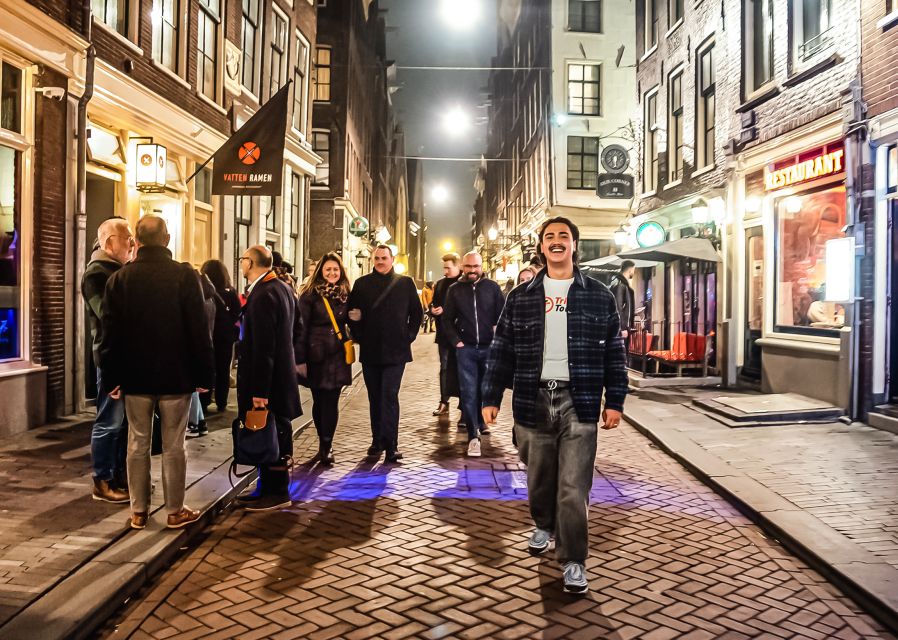
Expect a tight, efficient loop that mixes the Red Light District with adjacent neighborhoods. The goal is contrast: you get the neighborhood’s iconic atmosphere, but you also get the surrounding city texture.
You start near the heart of the Red Light District and work outward. The early part of the walk focuses on the famous streets, alleys, and canals where the red-lit windows are part of daily life. This is where you’ll hear the background that explains why the neighborhood developed the way it did—and why the canals matter, not just as a postcard.
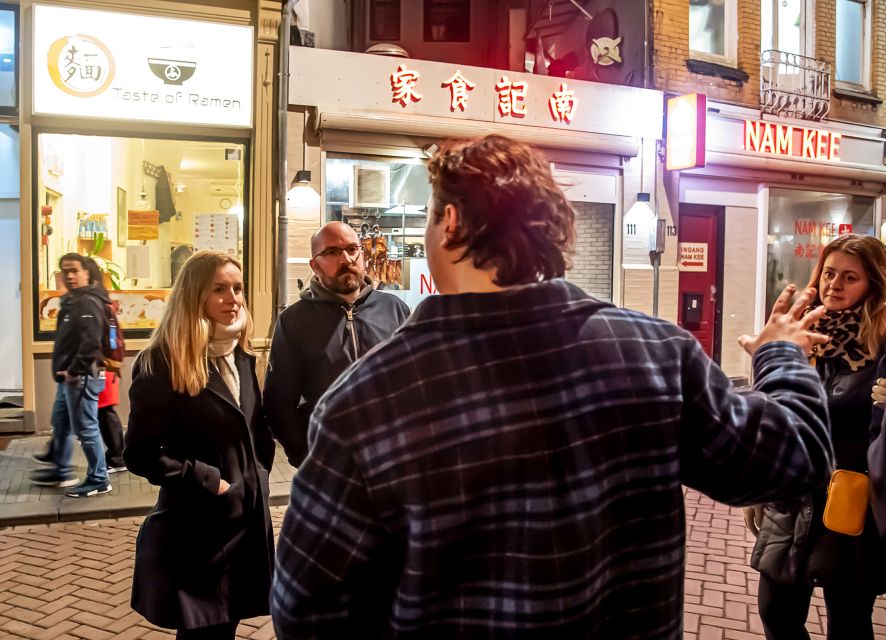
Then you head toward Chinatown-adjacent areas. You’ll walk past stops that shape the route geographically and culturally, including Zeedijk Street and Nieuwmarkt Square, plus a visit to He Hua Tempel. It’s a clever way to show that the Red Light District isn’t isolated; it sits inside a wider Amsterdam that’s multi-ethnic and layered.
From there, the itinerary threads back through more famous and oddball landmarks. You’ll reach Coffeeshop The Jolly Joker, then keep walking to points like Casa Rosso and other recognizable stops along the way. The pacing stays steady enough for a two-hour format, but be ready: Amsterdam’s older streets don’t give you much space for long pauses.
Coffee shop culture: what you’ll see at The Jolly Joker
This tour includes a coffee shop stop, and that’s the part many people remember first. You’ll visit Coffeeshop The Jolly Joker, and you’ll hear about Amsterdam’s coffee shop culture in the same breath as the district’s sex-and-drugs reputation.
One practical note: the tour is clear that if you want to visit a coffee shop, you need to be at least 18. So if you’re traveling as a mixed-age group, plan on separate options for anyone under 18.
The best value here isn’t just walking inside a shop. It’s the context around why coffee shops exist in Amsterdam’s system at all, and how the rules have shaped what visitors see today. The tour also says it covers the first coffee shop in Amsterdam, which helps connect the dots between the modern scene and the earlier origins of the concept.
Narrow streets and big symbols: Schreiertower, Oude Kerk, and Warmoesstraat
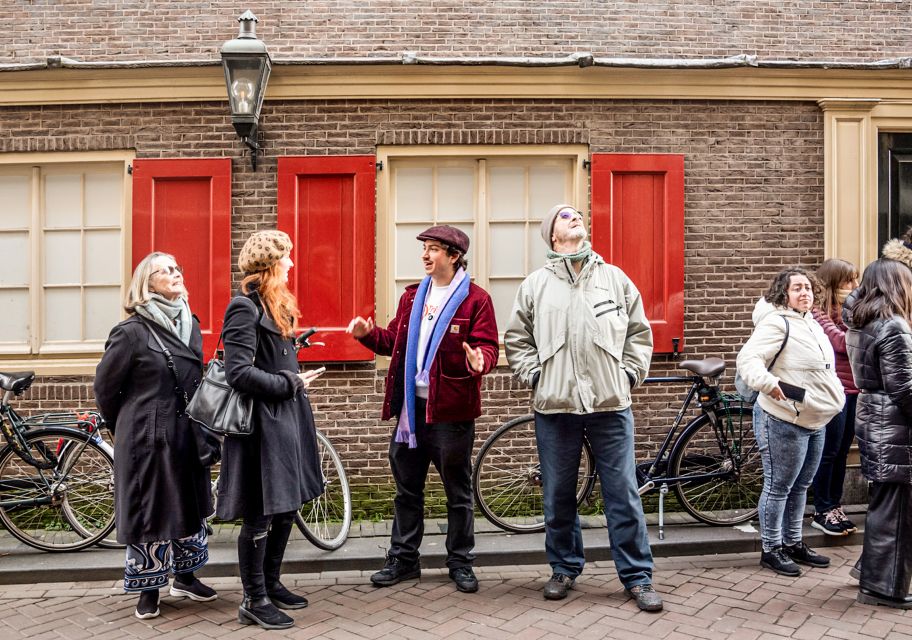
A big reason this tour works is that it doesn’t treat the Red Light District as a one-note zone. You get physical Amsterdam landmarks that help you understand the area’s layout.
For example, Café the Schreiertower is part of the route, and it gives you a chance to learn about the neighborhood through a recognizable anchor. Then you’ll hit streets like Warmoesstraat, which helps explain how the city’s commercial and everyday life coexists with the adult-focused reputation people associate with the district.
Oude Kerk (the Old Church) is another important stop. It’s a useful reminder that this area is surrounded by older Amsterdam, not just modern nightlife. Even if churches aren’t your thing, it helps your brain place the neighborhood in time. You’re seeing the same streets that long predates the modern tourist narrative.
Casa Rosso and Condomerie: learning that stays human
Some stops on this route are famous for one reason: they look unusual. But the tour doesn’t leave it there.
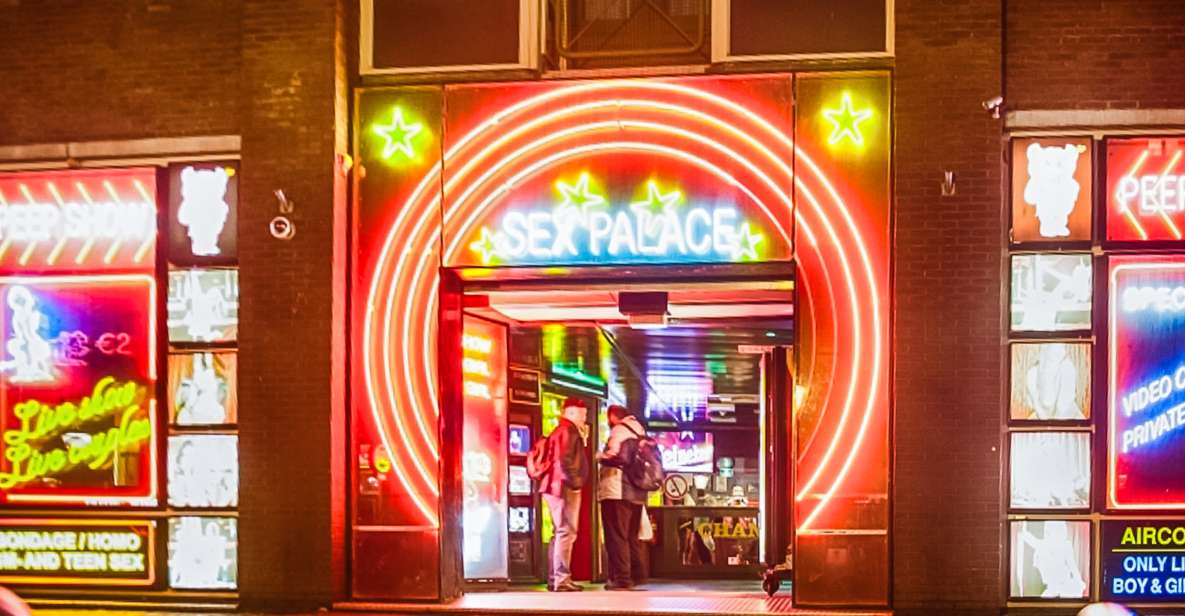
Casa Rosso appears on the path, and it’s essentially a visual marker of the district’s identity. Next, you’ll encounter Condomerie, which brings the conversation back to the practical side: sex work, public health, and how the neighborhood has marketed itself over time. It’s not only about what’s happening in the windows. It’s about how Amsterdam talks around it—in signage, storefronts, and policy-adjacent culture.
The tone matters here. Several guides are described as making the whole experience respectful and more like a learning walk than a chance to gawk. One comment even highlights that the tour is designed as an educational opportunity, not entertainment-as-spectacle. That’s the difference between feeling awkward and feeling informed.





Narrowest House in Europe: why the route feels like a maze
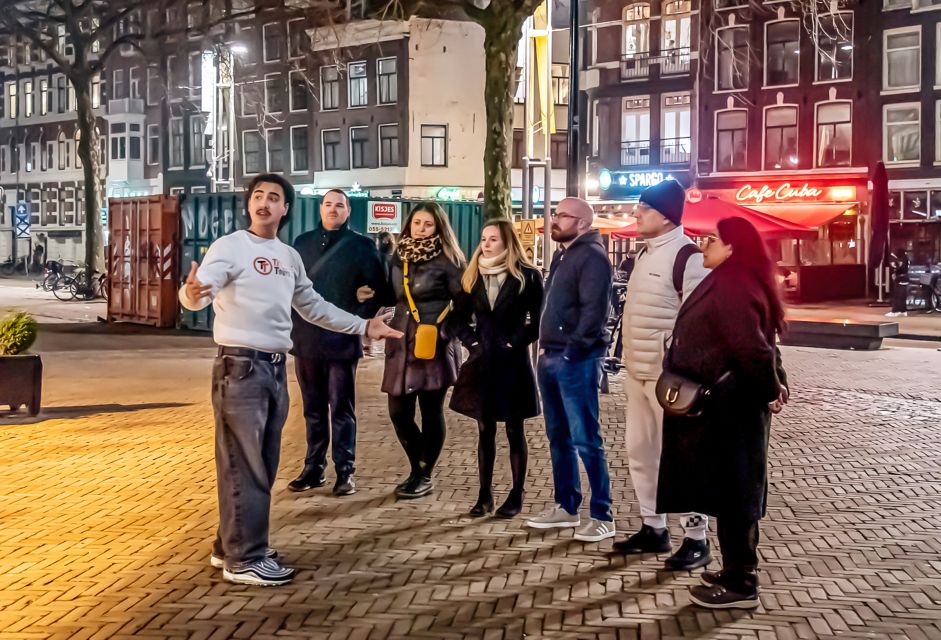
Yes, the Narrowest House in Europe is exactly what it sounds like—and it’s more than a photo stop.
When you stand in places like that, you instantly understand why walking tours are the right format for this neighborhood. Tight streets shape crowd flow, views, and how businesses survive. It also helps explain why the Red Light District is intensely visual at close range: the street geometry forces your attention.
This also connects to the canal story. Amsterdam’s canal-ring layout is part of why so many older neighborhoods still feel compressed and intimate. So even though the tour is about modern liberal attitudes, you’re constantly reminded that the city’s physical design plays a role in how these ideas show up on the street.
Where the canals fit in Dutch culture (and why your guide mentions them)
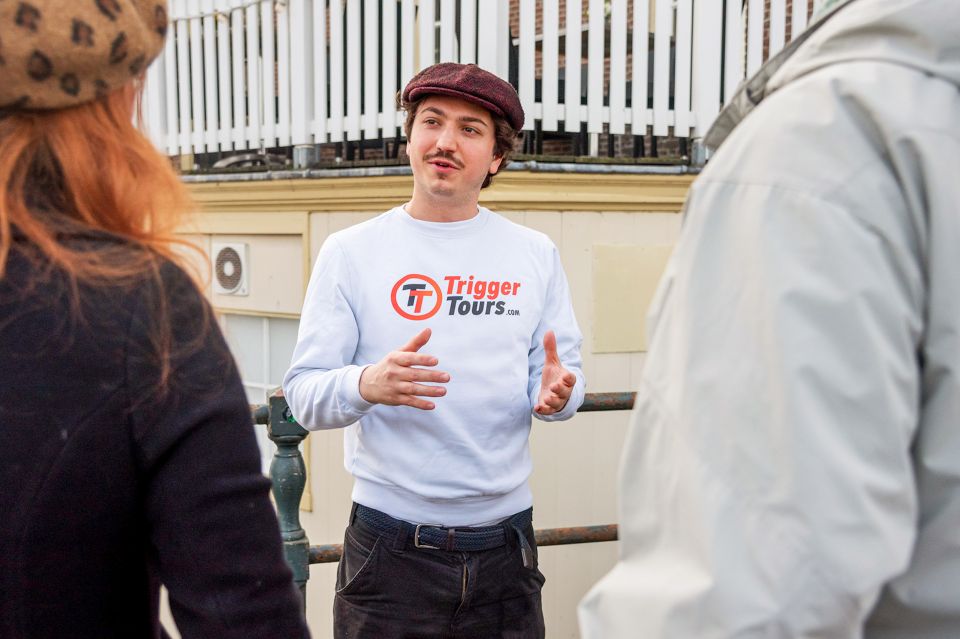
The itinerary includes commentary about Amsterdam’s canals and how they connect to Dutch culture. That’s not filler. In a city built around waterways, the canals are a structural piece of daily life and historical growth.
When your guide mentions canals during the walk, it usually ties to two things:
- how neighborhoods formed and evolved inside the canal grid
- how Amsterdam’s pragmatic approach shows up in the way it manages crowded, older areas
This is one reason the tour can feel more like city history than a topic-tour. Instead of treating the district like an isolated attraction, it places it inside how Amsterdam actually works.
Price and value: does $29 make sense for a 2-hour guided walk?
At $29 per person for a 2-hour tour that includes a guide and a Red Light District walkthrough plus a coffee shop stop, the value is solid—especially if you’re visiting the city for the first time.
Here’s why it can feel worth it:
- You’re paying for interpretation. The neighborhood is easy to misunderstand on your own.
- You get multiple stops packed into one route—Chinatown-adjacent areas, churches, and distinctive landmarks.
- The guide format matters. Comments repeatedly highlight guides like Ben and Robin as engaging, with humor and Q&A that keeps the group moving without feeling rushed.
If you already know a lot about Amsterdam’s policies and social history, you might finish with less “new” information. But even then, the structured walk helps you orient fast in a part of the city that can feel overwhelming without context.
Which tour-goers will love this (and who should skip it)
You’ll enjoy it if you like history-through-walking tours and you want a grounded explanation of a controversial topic. It’s also a good fit if you want the coffee shop stop to be part of a wider story, rather than just a standalone experience.
You might want to skip it if:
- you’re uneasy about adult subject matter
- you’re traveling with someone who prefers to avoid anything connected to sex work or drug policy
- you need step-free, low-mobility routes, because it’s not suitable for people with mobility impairments
Should you book the Amsterdam Red Light District and Coffee Shop Tour?
If you’re curious about why Amsterdam has this reputation—and you want answers from someone who can explain politics, history, and street-level reality—you should book it. The tour’s strongest feature is that it tries to keep the experience respectful and educational, with guides like Ben, Robin, and Katy repeatedly praised for keeping things lively while still staying on-topic.
If, instead, you just want quick sightseeing with minimal conversation, pick something less direct. But if you’re willing to walk, listen, and ask questions, this is one of the better ways to understand the Red Light District without turning it into a distraction.
FAQ
How long is the Amsterdam Red Light District and Coffee Shop Tour?
The tour runs for 2 hours.
Where does the tour meet?
The meeting point may vary depending on the starting option you book.
Does the tour include a coffee shop visit?
Yes. The tour includes a stop at Coffeeshop The Jolly Joker and commentary on coffee shop culture.
Is there an age requirement for the coffee shop part?
Yes. The minimum age is 18 if you wish to visit a coffee shop.
What languages are the live guides available in?
The live tour guide is available in German, English, Dutch, and Spanish.
Is the tour suitable for mobility impairments?
No, it is not suitable for people with mobility impairments.
Can I cancel and get a refund?
Yes. You can cancel up to 24 hours in advance for a full refund.