REVIEW · AMSTERDAM
Amsterdam Must-See Historical City Walk with Local Expert
Book on Viator →Operated by Friendly Local Guides · Bookable on Viator
Amsterdam’s best shortcuts are on foot. This 1 hour 45 minute small-group walk strings together the city’s big landmarks—starting at Beursplein and ending back at Dam Square—with a local guide keeping things clear and fun.
I love how compact it is: you cover the places that usually take an entire day of wandering. You’ll also get hands-on context, not just facts, with built-in photo moments at the major stops plus expert advice on what to do after the tour.
One drawback to keep in mind: there have been serious reports of no-shows. If you book, plan to arrive early and double-check any day-of updates so your morning doesn’t get wrecked.
In This Review
- Key things to know before you go
- Walking Amsterdam’s history from Beursplein to Dam Square
- Dam Square and Oude Kerk: your civic and medieval starting line
- Damrak and Beursplein: architecture, events, and a locals-first angle
- Royal Palace and Nieuwe Kerk: power and ceremony in one stretch
- The Amsterdam Canal Ring: UNESCO views with bridge-and-bike details
- Westerkerk and Homomonument: big stories tied to specific places
- Keizersgracht and the Emperor’s Canal: hidden corners with real street life
- Anne Frank area and Cafe Papeneiland: passing the heavy parts, then resetting
- Noorderkerk, The Bulldog, and the Red Light District: where the tour touches modern Amsterdam
- How the guide experience changes the value of the walk
- Tickets, interiors, and what you’ll actually see at each stop
- Who this Amsterdam historical walking tour suits best
- Should you book this Amsterdam historical walk?
- FAQ
- How long is the Amsterdam historical walking tour?
- Is the tour offered in English?
- What group size should I expect?
- Where does the tour start and where does it end?
- Does it include a mobile ticket?
- Are entrance tickets included for the major sights?
- What’s the walking difficulty level?
- Is the guide provided in the package?
- Is public transportation nearby?
- Are service animals allowed?
Key things to know before you go
- Small group (max 10 people): easier questions, a faster pace, and better attention than big-bus tours.
- English-speaking local guide: the route is explained in plain language, with stories tied to each stop.
- One tight arc of landmarks: Dam Square, multiple churches, and the Amsterdam Canal Ring are all on the same walk.
- Photo-friendly stops: the tour is built around iconic sightlines, not just passing by.
- Most interiors require separate tickets: several stops are external viewpoints unless you buy entry separately.
- Mixed recent service feedback: excellent guide energy shows up when the tour runs, but the no-show risk is real.
Walking Amsterdam’s history from Beursplein to Dam Square

This is the kind of tour that helps you stop guessing. You start at City Game Amsterdam, Beursplein 5 (10:00 am) and finish at Dam Square (Dam, 1012 RJ), so you get a smooth flow through the center without constant detours.
The pace is steady and built for orientation. With a small group limited to 10, you’re not stuck behind a crowd, and you can actually hear what the guide is saying when the group stops for photos at the major landmarks.
The big reason I like this format is the time math. In about 1 hour 45 minutes, you’ll see a lot of Amsterdam’s headline sights and understand how they connect. That means you’ll spend the rest of your trip with more confidence, not just more steps.
You can also read our reviews of more walking tours in Amsterdam



Dam Square and Oude Kerk: your civic and medieval starting line
You kick things off at Dam Square, Amsterdam’s core. Expect to take in the atmosphere—city center energy, trams, shops, tourists, and the Royal Palace nearby—all packed into one dramatic public space. The guide’s goal here is simple: help you get your bearings and explain why this square matters.
Next comes Oude Kerk (Old Church), a medieval church you’ll spot for its age and quirky look. It’s the sort of stop where you’ll notice details you’d usually miss if you were just walking through. The duration is short, so treat it like an opening chapter rather than a full church visit.
If you’re hoping to spend long minutes inside monuments, this isn’t that style. Several stops are listed without admission, so you’ll likely view many places from the street. Still, that works well early in your trip because you can decide later what’s worth a ticket.
Damrak and Beursplein: architecture, events, and a locals-first angle
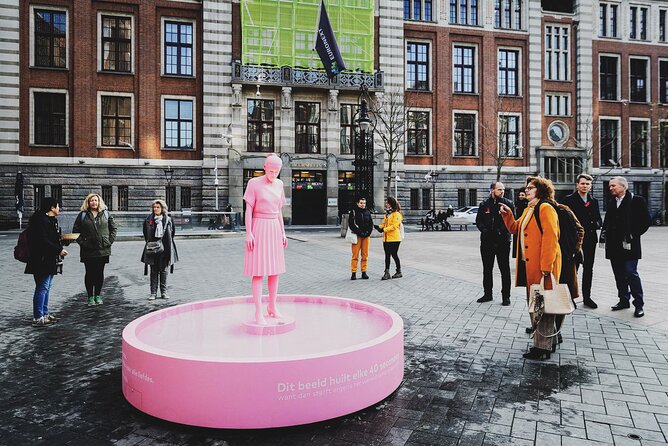
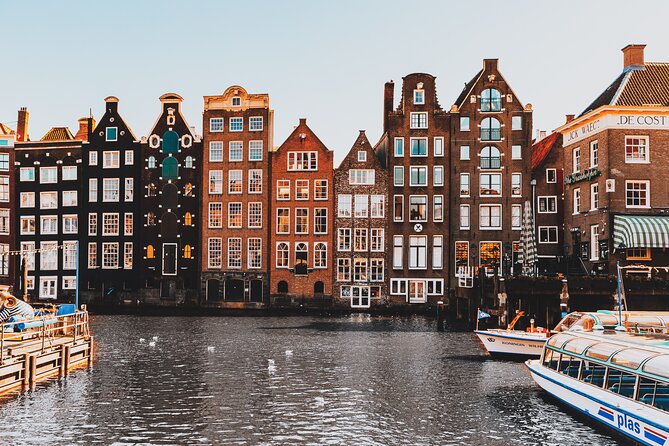
You head toward Damrak, a busy corridor where hints of the old city show up in the architecture. One specific highlight: you’ll get a chance to appreciate the so-called dancing house. Even if you’ve seen photos of it, it lands differently in real life when the guide points out what to look for.
Then you reach Beursplein, a square used for events across the cultural, political, and entertainment calendar. The key value here is not the square itself—it’s the guide’s familiarity. You’ll hear bits of context that help you read the space like a local, even if the area is mostly on your radar as just another waypoint.
This part of the walk is ideal if you like structure. You’re moving between stops that feel different—grand civic space, medieval church, then a lively street-and-square blend—so the history stays human instead of turning into a lecture.
Royal Palace and Nieuwe Kerk: power and ceremony in one stretch
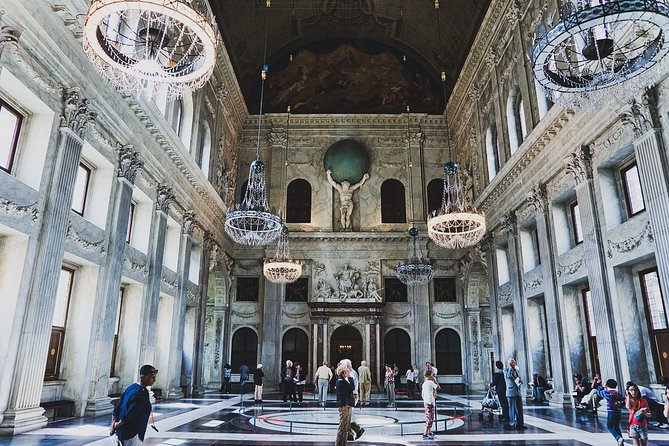
At Royal Palace Amsterdam, you’ll focus on the facade facing the square and the decorative details that make the building feel monumental even from outside. It’s one of those places where “look up” matters. On a gray day it can feel stern; in brighter light the architecture reads sharper.
Right beside it is Nieuwe Kerk (New Church). Even without going in, it’s impressive for its presence, and the guide connects it to major royal-style moments like investiture ceremonies and royal weddings. Again, the stop is brief, so treat it as a visual orientation point—then use your own time later to visit interiors if you want.
If you’re traveling with limited time, I think this duo works well. You get a palace overview and a church identity in just a few minutes each. The downside is that you won’t get long “sit and absorb” moments unless you add separate visits.
The Amsterdam Canal Ring: UNESCO views with bridge-and-bike details
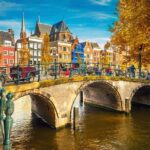
Then comes one of the best payoffs of the whole route: the Amsterdam Canal Ring. The walk follows the canal area where there are more than 100 kilometers of canals, about 90 islands, and around 1,500 bridges. The guide also ties the big three canals—Herengracht, Prinsengracht, and Keizersgracht—to 17th century construction, so you understand why these waterways dominate the city’s layout.
You’ll be in the UNESCO World Heritage zone, which helps explain why Amsterdam’s canals aren’t treated like mere scenery. They’re part of how the city developed and stayed functional over centuries. Even if you’ve seen canal images a hundred times, this stop helps you see the geometry and city planning logic behind the postcard look.
What I like most here: you get practical “how to notice things” pointers. On the banks and bridges you’ll see everyday details, including parked bicycles, which makes the canal ring feel lived-in, not museum-like.
You can also read our reviews of more city tours in Amsterdam




Westerkerk and Homomonument: big stories tied to specific places
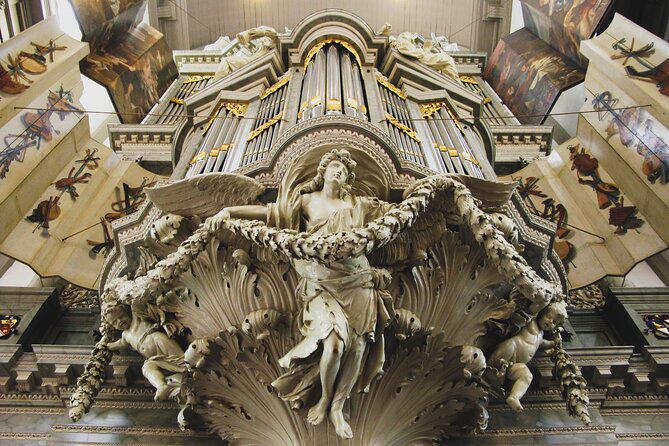
Westerkerk is next, and it’s hard to miss once you’re close. It’s described as the tallest church in Amsterdam, and the guide brings in a bundle of stories connected to it. You’ll hear that Rembrandt was buried here, though nobody knows the exact grave location. You’ll also learn the church shows up in Anne Frank’s diary, tied to the fact that the girl’s house was nearby.
This stop is also where the walk feels more personal. The stories are tied to exact corners, not general themes, so you remember it later when you’re reading, visiting, or just walking the city.
After that, you pass by the Homomonument, a memorial for gay men and lesbians victims. It’s an important site for the Dutch LGBT movement and can be used for flashmobs, meetings, and photo exhibitions. The tricky part is also part of the lesson: it’s unique and recognizable, but it can be easy to miss if you’re moving fast.
Keizersgracht and the Emperor’s Canal: hidden corners with real street life

You’ll then shift to Keizersgracht, often referred to here as the Emperor’s Canal. The guide keeps it interesting by steering you toward smaller corners and giving you a reason to look at the canal’s historic houses and monuments.
This is also where the tour gets very “Amsterdam.” In winter, the area is known for skating, but even without winter, you’ll notice how people treat the canal as public space. On the banks there are little boutiques and offices, and across the bridges you’ll see parked bicycles—more proof that the canals are part of daily life, not just a tourist backdrop.
If you’re the type who wants to understand the city’s vibe before picking a neighborhood to base yourself, this is a strong section. It helps you connect landmarks to neighborhoods rather than treating Amsterdam like a list.
Anne Frank area and Cafe Papeneiland: passing the heavy parts, then resetting
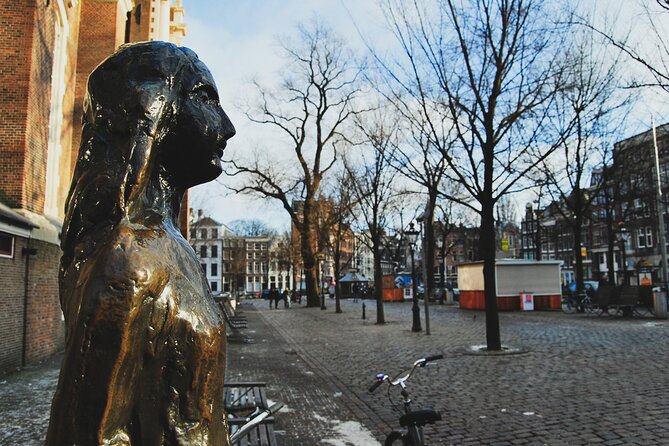
As you move through the route, you’ll pass by the Anne Frank House area and its monument. You’ll learn more about Anne Frank and Jewish persecution in the context the tour describes, especially how her diary became an important written document against Nazism. The point here isn’t a long visit inside; it’s understanding the significance as you walk past.
Right after that heavier beat, you’ll pass Cafe Papeneiland, one of the oldest Amsterdam cafes. This is a nice change of pace: the place is still functioning and locals meet there over a drink. You’ll also hear it’s known for apple pie, and yes, some people come specifically for that simple comfort-food classic.
I like how this pairing works emotionally. You don’t bounce from one emotional topic to another. You get a short pause to reset your head before the walk continues.
Noorderkerk, The Bulldog, and the Red Light District: where the tour touches modern Amsterdam
The route continues to Noorderkerk, described as the place where Amsterdam residents rebelled against Dutch Jews persecution. It’s a stop that adds context to the city’s social history, not just its architecture. The time is brief, but the guide’s framing matters because it connects Amsterdam’s past conflicts to real local locations.
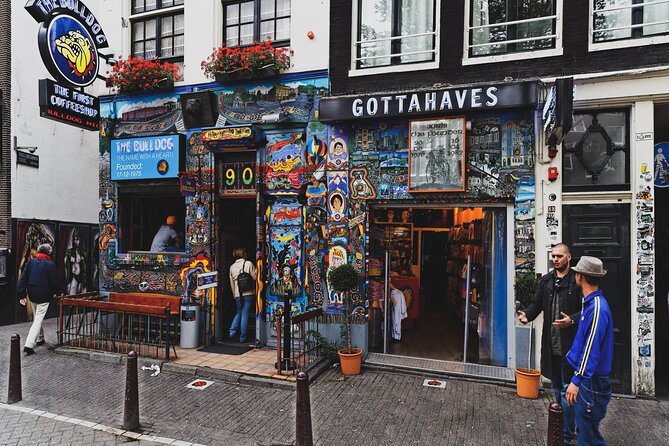
Next you’ll pass The Bulldog Rock Shop coffeeshop, part of a well-known chain. The tour points out that cannabis sale in small quantities is allowed, and your guide will explain legalization and decriminalization in the Dutch context. This is one of those stops where the purpose is education, not promotion—especially useful if you’re unsure what the rules mean in practice.
Then you reach the Red Light District, specifically described as a second area off the beaten path. The tour frames it through liberal Dutch culture and notes the district has its own charm when you slow down and look at it as part of modern Amsterdam. Since the stop is short and focused on understanding, you should treat it like cultural orientation rather than a linger-and-explore detour.
If you’re sensitive to crowds, this section can feel intense. It’s not a long visit, but it sits in the middle of Amsterdam’s most talked-about districts, so expect busier sidewalks.
How the guide experience changes the value of the walk
When this tour runs well, the guide matters a lot. One of the strongest positive notes in the feedback is about guide presence: energy, lots of knowledge, and keeping the group moving. Another detail that stood out is how easy the guide was to spot in a crowd because of how she was dressed. That’s not just nice—it’s practical. In Amsterdam, where blocks can feel identical, being findable saves time and stress.
At the same time, the negative feedback includes serious no-show problems, including trouble reaching the operator during the wait. So I’d treat this as a tour that can be excellent, but you should protect yourself with basic habits:
- arrive a bit early at Beursplein 5
- keep your confirmation and mobile ticket ready
- stay contactable in case of day-of changes
None of those fixes remove the risk. They just help you respond fast if something goes off schedule.
Tickets, interiors, and what you’ll actually see at each stop
Most stops here are about sight and story from the street. The tour notes admission tickets are not included at many locations, including places like the churches and major monuments. One stop explicitly says admission is free (like Beursplein), and the Amsterdam Canal Ring section is listed as free too.
So what should you expect? You’ll likely get exterior time for many sights. If you want interiors—especially for places where you’ll feel the most difference between outside and inside—you may need to plan a separate visit with your own tickets.
This approach can still be good value. A short guided “orientation view” helps you decide what’s worth the extra money and time later, instead of paying for everything on day one.
Who this Amsterdam historical walking tour suits best
This works especially well for you if:
- you want an easy way to get oriented in central Amsterdam
- you like history tied to actual places like Dam Square, canals, and church landmarks
- you prefer a small group over large crowds
It may be less ideal if you:
- want lots of indoor time and long museum-style stops
- can’t handle city walking pace for a sustained block of time
- rely on a strict schedule and can’t tolerate the small chance of disruption
The tour lists a moderate physical fitness level, and it’s near public transportation, which helps if you plan rest breaks or quick switches to other plans.
Should you book this Amsterdam historical walk?
I’d book it if your top goal is orientation and context, and you want a tight walk that hits Dam Square, major churches, and the canal ring in under two hours. The best-case experience, with a strong guide, sounds fun, fast, and easy to follow—with photo stops and real story links between places.
I’d hesitate if your schedule is fragile. The no-show complaints are serious enough that I’d go in prepared: arrive early, keep your phone ready, and have a Plan B nearby in case the tour starts late or doesn’t start at all.
FAQ
How long is the Amsterdam historical walking tour?
It runs about 1 hour 45 minutes.
Is the tour offered in English?
Yes. The tour is offered in English.
What group size should I expect?
The tour has a maximum of 10 travelers.
Where does the tour start and where does it end?
It starts at City Game Amsterdam, Beursplein 5, 1012 JW Amsterdam and ends at Dam Square, Dam, 1012 RJ Amsterdam.
Does it include a mobile ticket?
Yes, it uses a mobile ticket.
Are entrance tickets included for the major sights?
No. Many stops list admission as not included, while a couple of areas are listed as free (such as Beursplein and the canal ring section).
What’s the walking difficulty level?
It’s recommended for travelers with moderate physical fitness.
Is the guide provided in the package?
Yes. It includes a friendly local guide.
Is public transportation nearby?
Yes. The meeting area is near public transportation.
Are service animals allowed?
Yes. Service animals are allowed.