REVIEW · AMSTERDAM
Van Gogh Museum Skip the Queue with Audio Guide
Book on Viator →Operated by Julia Private Tour Trips · Bookable on Viator
Van Gogh Museum can be overwhelming. The timed entry plus official audio guide makes it feel manageable, even when Amsterdam is busy. I love that you get a private, scheduled entry time so you spend less time waiting and more time looking closely. One thing to consider: you’re self-guided inside, so if you want a live lecturer in the galleries, this isn’t that type of tour.
This is a 1–2 hour visit built around your pace. You walk a chronological path from his Dutch period into France, and the museum’s letters and major paintings help connect the dots. Plan for security checks when lines are long, because skip-the-queue usually means you avoid buying on-site tickets, not passing security.
In This Review
- Key things I’d zero in on
- Van Gogh Museum timed entry: what it’s really buying you
- Getting there on Museumplein and check-in basics
- How the audio guide works (and why it’s a smart choice)
- Inside the museum: your self-paced route through Van Gogh’s life
- The paintings and moments people come for: what to expect
- How long is enough? The 1.5–2 hour sweet spot
- Family day reality: kids, strollers, and keep-them-happy options
- Photos, rules, and where to catch your breath
- Price and value: is $111.74 a fair deal?
- Booking confidence: ticket delivery and support
- Should you book this Van Gogh audio guide skip-the-queue entry?
- FAQ
- Do I get a live guide inside the Van Gogh Museum?
- How long can I stay in the museum?
- How does the ticket work at the entrance?
- Can I take photos of the paintings?
- Is there an age recommendation for the audio guide?
- Is the visit really skip-the-line?
Key things I’d zero in on
- Timed entry on a set time slot so you can plan the rest of your Amsterdam day
- Official audio guide that explains works as you move room to room
- Chronological museum flow that shows how his style shifted from the Netherlands to France
- Family-friendly pacing with breaks built into the museum layout and popular kid activities
- Photo rules that are clear (no flash, no tripods, no selfie sticks)
Van Gogh Museum timed entry: what it’s really buying you
The biggest “upgrade” here is time. At the Van Gogh Museum, the long on-site lines can eat your morning or afternoon. With this setup, you show up for your selected slot and go straight through the planned entrance flow.
That matters because the museum is not small, and Van Gogh deserves looking time. If you arrive relaxed, you’ll actually slow down for the brushwork, the color choices, and the emotional mood changes as his life and locations change. If you arrive stressed, you’ll rush, and the whole point gets lost.
I also like the self-guided format. You’re not held to a group’s speed. You can linger in the rooms that grab you, then move on when your feet ask for mercy.
One practical note: “skip the line” here is about ticket purchasing and timed entry. You still have to go through mandatory security, and that can have a line during peak periods.
You can also read our reviews of more guided tours in Amsterdam



Getting there on Museumplein and check-in basics
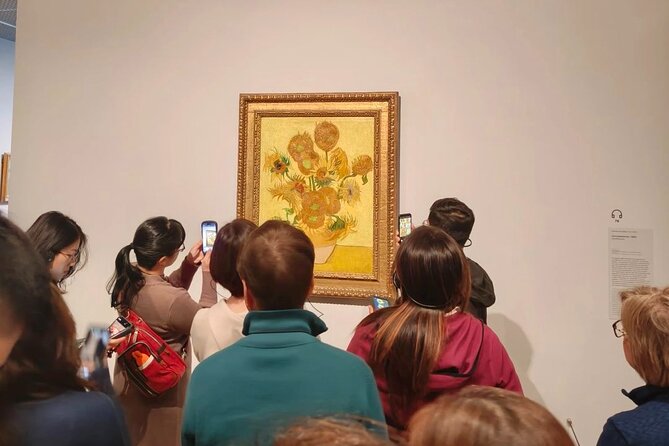
The meeting point is Van Gogh Museum, Museumplein 6, 1071 DJ Amsterdam. Your visit ends back at the same place, so you don’t have to figure out a complicated drop-off.
You’ll receive confirmation at booking, and tickets are provided so you don’t have to buy them on the day. The good part: you can show your ticket on a mobile device at the entrance, or print it out if you prefer. Either way, the museum still requires a valid entrance ticket, and your timed-entry ticket is separate from what you’ll see at the check-in.
When you arrive, expect security first. If you’re visiting during a busy stretch like holidays, this is where your calm planning pays off. Timed entry usually keeps things moving, but security is still security.
Also, this is structured for an easy start: once you’re inside, the audio guide is collected at the information desk.
How the audio guide works (and why it’s a smart choice)

This is an audio guide experience, not a live-guided museum tour. That’s a real plus for a lot of people. You control the pacing, and you don’t have to play catch-up if you stop to stare at one painting for ten extra minutes.
The audio guide is the official museum guide. You listen to commentary in your language of choice, and it’s designed to explain the story and technique behind what you’re seeing. That “what am I looking at” context is what turns a museum visit from sightseeing into understanding.
A heads-up: the audio device is collected inside at the information desk. So don’t plan to start listening before you enter the galleries.
It’s generally recommended from age 13. Younger kids can still attend, but they may not receive an audio device. For families, that’s fine, because the museum experience has plenty to hold attention even without headphones.
If you like structure but hate crowds, this setup hits a sweet spot.
Inside the museum: your self-paced route through Van Gogh’s life
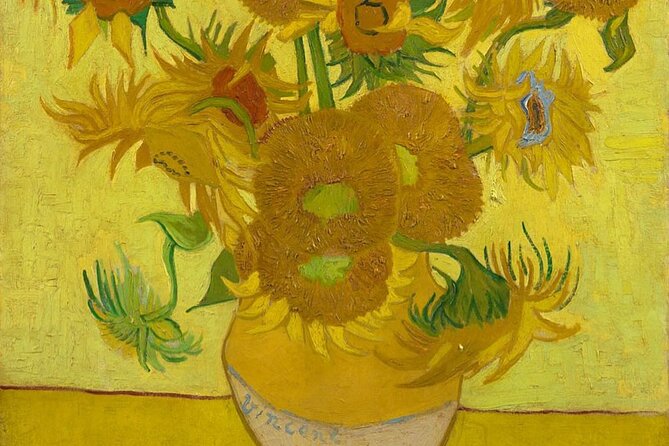
The museum experience is organized to follow Van Gogh’s progression. You start with his early Dutch period, where you’ll notice the darker tone and rural themes. Then the route moves forward into his shift after coming to France, where colors brighten and the brushwork becomes more expressive.
This “watch him change” approach is one of the best reasons to visit in this format. A live tour can explain the evolution, sure. But a self-guided audio route lets you experience that evolution in order, at your own speed, without feeling rushed out of the room.
You’ll also see personal material tied to his development, including letters, such as correspondence with his brother Theo. Those letters add emotional context. Without them, Van Gogh can feel like a set of famous paintings. With them, he starts to feel like a person working through ideas, setbacks, and constant change.
Temporary exhibitions can also come into play while you’re on site. If you have time, those exhibits can help you place the masterpieces in a wider story of his legacy.
The paintings and moments people come for: what to expect

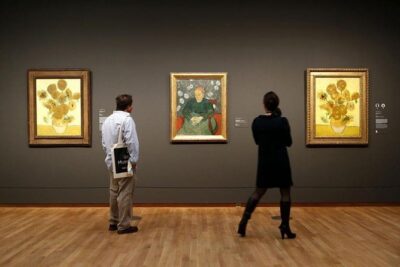
Let’s talk about the works that make people book this museum in the first place. You’re set up to see major highlights such as Sunflowers, The Bedroom, and Almond Blossom. Seeing these up close is different from seeing them in a book or online. The paint texture, the direction of strokes, and the way the light sits on the surface all become part of the viewing experience.
There are also pieces that connect to the museum’s broader structure. One family highlight noted how much they enjoyed the bright scenes and “swirly” skies that people talk about. Another mentioned the yellow house feeling recognizable and fun in person. If you’ve ever seen a Van Gogh detail shot online, you’ll probably spot it quickly once you’re in the right rooms.
If you’re trying to decide what to do first once inside, I’d keep it simple:
- Start with early rooms to get the feel for the Dutch tone.
- Then let yourself move toward the France galleries when you’re ready for color shifts.
- Save the biggest “must-sees” for when you’re fully oriented and not still trying to understand the layout.
The audio guide helps here. It acts like a friendly map for what matters in each room.
You can also read our reviews of more museum experiences in Amsterdam






How long is enough? The 1.5–2 hour sweet spot

This experience is designed around about 1 hour 30 minutes and commonly lands in the 1.5–2 hour range. You can stay as long as you like until closing time, but most people finish around that window.
So how do you decide your personal timing?
- If you’re an art first-timer, plan about two hours so you can settle in and not rush the audio.
- If you’re short on time or you’re traveling with kids, 90 minutes can work, as long as you prioritize the signature rooms.
- If you’re an art nerd (my favorite kind), you’ll want closer to two hours, plus time for letters and any temporary exhibition areas.
A nice thing about the timed-entry format is psychological. You don’t feel like you must sprint. You can do “one more room” without stressing that you’ll miss something essential.
Family day reality: kids, strollers, and keep-them-happy options
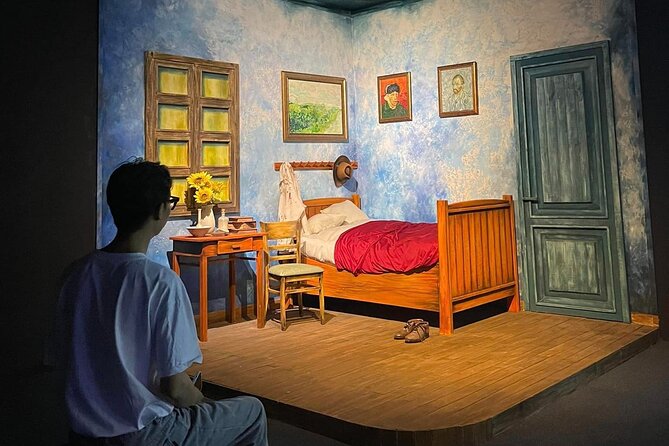
The museum is a common pick for families, and a big reason is pacing. One family described the layout as easy to follow with kids, and another loved that there’s space to sit down and rest if little legs get tired.
You may also find kid-focused activities inside the museum area, including interactive elements like a treasure hunt where kids look for hidden rabbits and earn a prize. One review also described a children’s studio where kids could try painting, with staff telling stories that brought the art to life. In one case, a staff member named Remo was praised for storytelling.
Even if you skip those extras, the museum itself still works for kids because of the scale and recognizable imagery. Sunflowers, bright yellows, and dramatic skies are built for quick engagement.
If you’re arriving with a stroller, there are reports of staff being helpful with strollers at the entrance. Still, do expect a fair amount of walking once you’re inside, so bring snacks and plan small breaks.
Photos, rules, and where to catch your breath
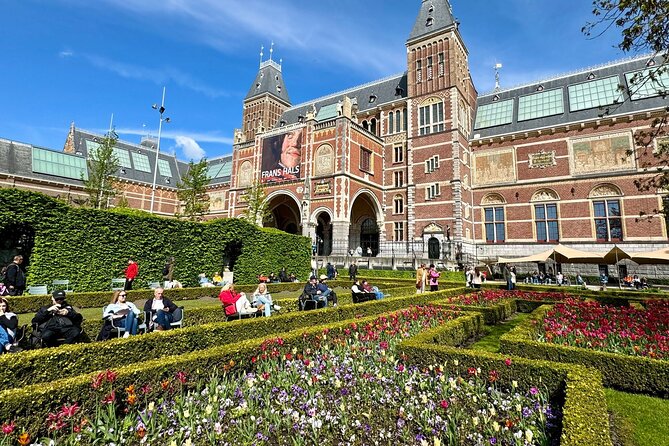
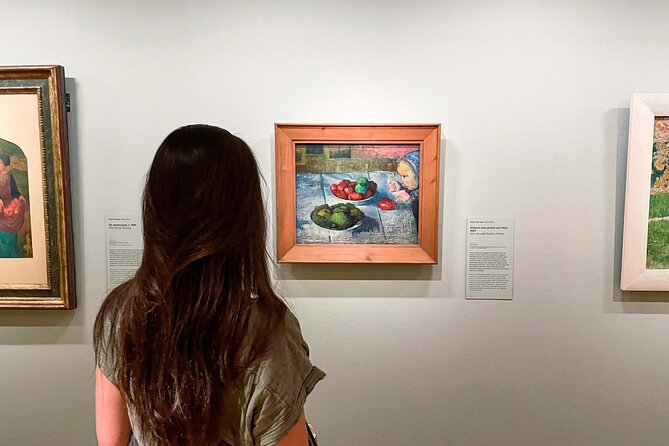
Photography is allowed, with restrictions. You can take photos of the paintings as long as you don’t use flash, lamps, a tripod, or a selfie stick. That’s pretty standard museum behavior, but it’s worth remembering because it changes how you shoot.
For your viewing experience, plan a small reset. Many people hit a “feet + brain” wall around the halfway point. The museum layout includes places to rest, and reviewers specifically appreciated having space to sit down.
If you want better photos without flash-related hassle, try doing your pictures during naturally lit areas and then switch to close viewing for the details. The audio guide can help you time it: listen for technique mentions, then look with your eyes instead of your phone for a moment.
One more practical tip: the museum is calm when you’re inside your timed slot window. That doesn’t mean it’s empty, but it’s usually less chaotic than on-the-spot ticket lines.
Price and value: is $111.74 a fair deal?
The listed price is $111.74 per person, and whether it feels worth it depends on your priorities.
Here’s the value equation that makes sense:
- You’re paying for timed entry convenience and the fact that you’re not juggling on-site ticket-buying.
- You also get the official audio guide setup as part of the experience.
- It’s private in the sense that it’s only your group entering for your slot, which is a real quality-of-life win for families and couples who don’t want to be blended into a bigger flow.
The main drawback behind the price is that you’re not paying for a live guide inside the museum. So if you only want the audio and you don’t care about saving time, you might question the premium.
Still, Van Gogh Museum is one of those places where planning is half the experience. During busy periods, avoiding the on-site crush can be the difference between a relaxed art visit and a rushed one.
If your schedule is tight, timed entry is usually a good buy. If you’re extremely flexible and happy waiting, the price might feel steep.
Booking confidence: ticket delivery and support
A common point of praise is ticket delivery timing and communication. Some people specifically noted receiving tickets in advance, which reduces stress when you’re juggling multiple Amsterdam plans. Support staff named Dany and Daniel were mentioned as responsive, with one review also referencing WhatsApp support.
That matters because museum visits fall apart when your ticket timing is unclear. Here, the emphasis is on sending tickets ahead of time and giving clear instructions.
One last “pay attention” detail: tickets for a dated time slot can’t be changed, and refunds aren’t offered. So double-check your date and time before you lock it in.
Should you book this Van Gogh audio guide skip-the-queue entry?
Book it if you want a low-stress Van Gogh Museum visit with timed entry, and you’re happy to explore on your own with an audio guide. It’s ideal if you love art but don’t want to rush, and it’s a solid family pick because the museum experience has enough visual pull to keep kids interested.
Skip it (or rethink) if you’re expecting a live guide inside the galleries, or if you enjoy improvising and waiting in lines doesn’t bother you. Also consider that you’ll still go through security on arrival, even with timed entry.
If your goal is simple: see Van Gogh’s masterpieces, follow his evolution, and do it on your schedule, this format is one of the cleanest ways to make that happen.
FAQ
Do I get a live guide inside the Van Gogh Museum?
No. You explore independently inside the museum using the official audio guide. The audio guide is collected inside at the information desk.
How long can I stay in the museum?
You can stay until closing time. Most people spend around 1.5–2 hours, and the visit length is typically about 1 hour 30 minutes.
How does the ticket work at the entrance?
You receive timed-entry tickets for your selected time slot. You still must pass the museum’s mandatory security check, and the museum requires a valid entrance ticket. Your mobile device or printed ticket can be used for checking in.
Can I take photos of the paintings?
Yes, you can take photos as long as you do not use flash, lamps, a tripod, or a selfie stick.
Is there an age recommendation for the audio guide?
The audio guide is generally recommended from age 13. Younger children can still enter, but may not receive an audio device.
Is the visit really skip-the-line?
You skip the on-site ticket purchase line because you have timed entry. You must still complete the museum’s security check, which can involve a wait during busy times.