REVIEW · AMSTERDAM
Amsterdam: Combo Rijksmuseum & Hop-On Hop-Off Bus
Book on GetYourGuide →Operated by Tours & Tickets · Bookable on GetYourGuide
Amsterdam can feel like a puzzle.
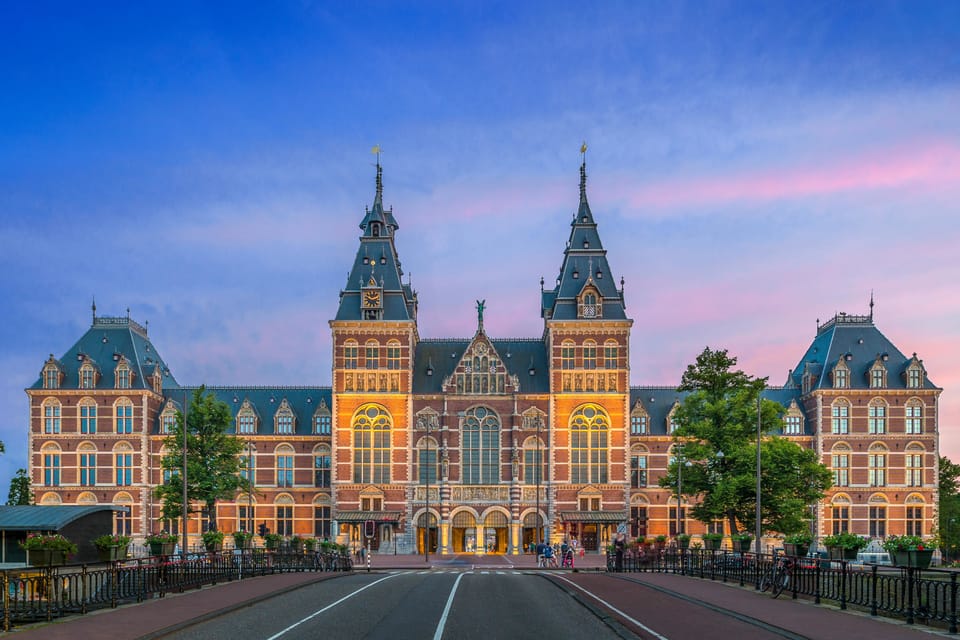
This combo turns it into a simple plan: skip-the-line Rijksmuseum entry plus a 24-hour hop-on hop-off bus with GPS audio and panoramic sightlines from the glass roof. I like that you get cultural credibility fast (Dutch Masters like Rembrandt and Vermeer), and I also like that the bus is built for moving comfortably around town, including an air-conditioned coach. One catch to keep in mind: the bus route changes by season, and on some days services can be limited, so you need to check which line is running when you’re there.
Here’s the value angle I like: you’re paying $50 for a full day that includes two big time-savers. First, the Rijksmuseum time slot helps you avoid the worst of the ticket-line drag at Museumplein. Second, the bus ticket is open for the whole day, so you’re not locked into a single “ride once and done” loop—you can hop out, wander, and hop back later.
If you’re using Amsterdam as a checklist city (canal belt streets, Golden Age merchant houses, Museumplein museums), this kind of day combo helps you get your bearings fast—without spending your whole time commuting on foot. If you prefer slow wandering with no bus rides at all, this might feel a bit like overkill.
In This Review
- Key things that make this combo worth it
- Why this Amsterdam combo works: museum time plus city orientation
- Timing the day: seasonal bus lines and why they matter
- Rijksmuseum entry with a 2-hour window: how to use your time slot well
- The hop-on hop-off bus route map: how to choose stops for your kind of day
- Red Line (summer-minded): classic areas plus seasonal stops
- Green Line (seasonal swap): winter vs summer stop choices
- Blue Line (summer-only): a second way to stitch neighborhoods together
- GPS audio guide in 18 languages: useful, but not magic
- How I’d handle the bus logistics: finding stops and reducing wasted time
- Comfort and day rhythm: air-conditioned rides plus structured museum time
- The best way to plan around what you actually want to see
- Who this Amsterdam combo suits best (and who should rethink it)
- Should you book this tour?
- FAQ
- What’s included in the Amsterdam combo?
- How does the Rijksmuseum time slot work?
- Is the hop-on hop-off ticket open for the whole day?
- Do I need a multimedia tour for the Rijksmuseum?
- What languages are available for the bus audio guide?
- Are pets allowed on this tour?
- Are small children free?
- Does the bus route stay the same all year?
- Can I get a refund if I cancel?
Key things that make this combo worth it
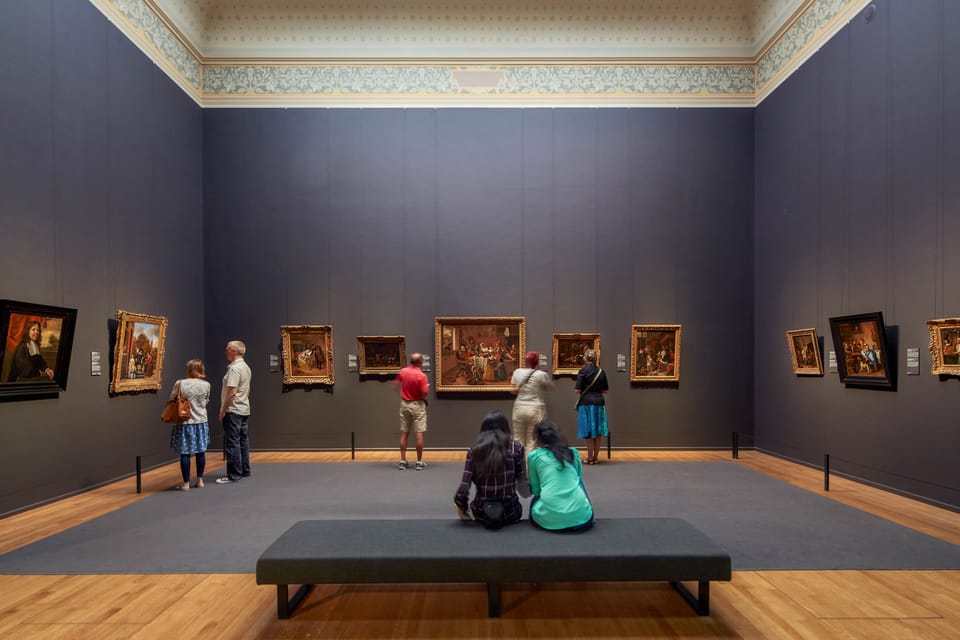
- Skip the Rijksmuseum ticket line with a time slot at Museumplein
- 24-hour open hop-on hop-off so you can shape the day instead of racing the clock
- Glass-roof panoramic views over canals, barges, and canal-belt buildings
- GPS audio in 18 languages, handy when you’re not in a “read every sign” mood
- Seasonal bus line changes, so plan around mid-March to mid-October vs mid-October to mid-March
Why this Amsterdam combo works: museum time plus city orientation
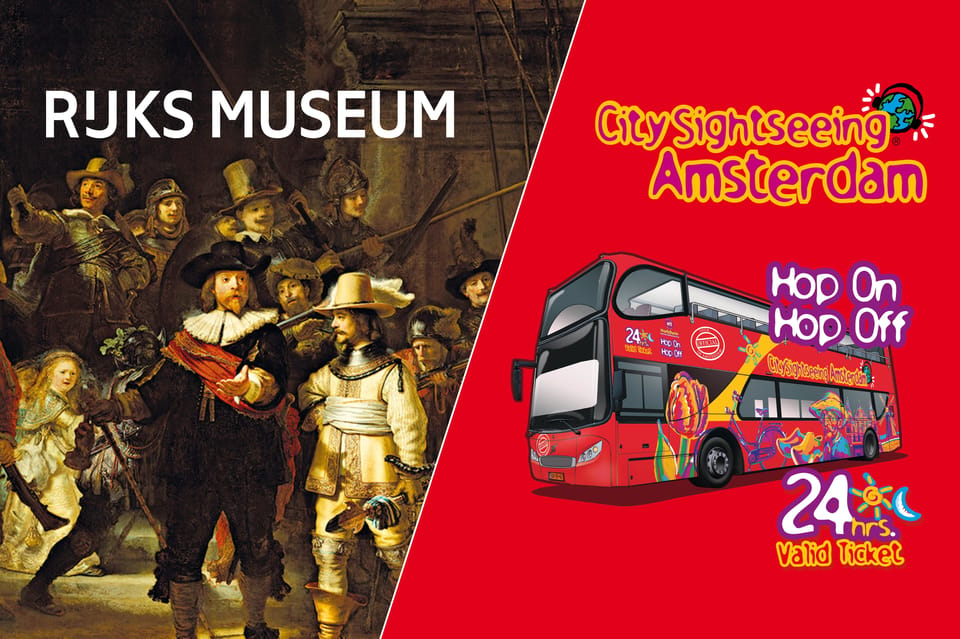
I like combos like this because they solve two problems at once. Amsterdam is compact, but sightseeing spreads out. The Rijksmuseum sits on Museumplein, while classic canal-belt neighborhoods and viewpoints are scattered like puzzle pieces. Pairing the museum time slot with a hop-on bus means you can get to the right areas without turning your day into constant tram/bus math.
The other win is pacing. You’re not trapped on a bus tour that ignores your actual interests. The hop-on hop-off ticket is valid any time during your stay, so you can do the Rijksmuseum first, then use the bus to reconnect the dots—Spui, Leidseplein, the Jordaan, and the rest of the city’s postcard lanes.
Price-wise, $50 sounds like “tour money,” but the math shifts when you factor in that you’re paying for:
- A Rijksmuseum time slot (not just a voucher you figure out later)
- A full-day bus ticket with audio guidance
- A 1-day structure that helps you see more with less hassle
If you’re visiting on a tight schedule, or you’re traveling with someone who gets tired from walking, this is a practical way to keep the day moving.
You can also read our reviews of more tours and experiences in Amsterdam.



Timing the day: seasonal bus lines and why they matter
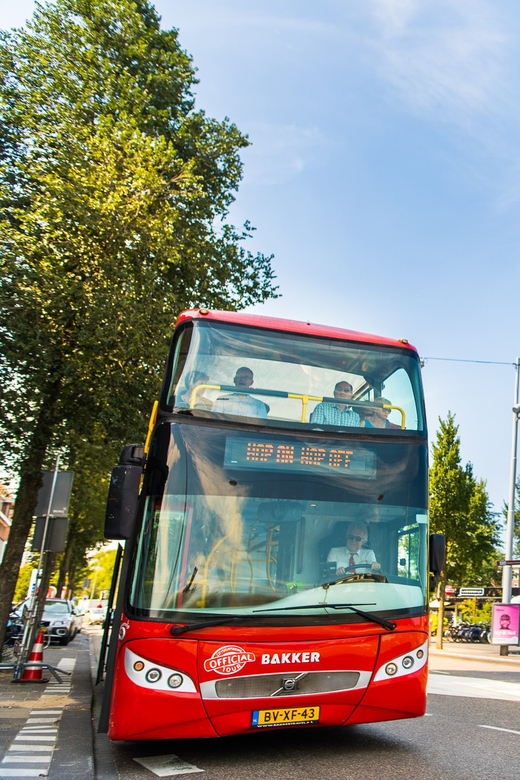
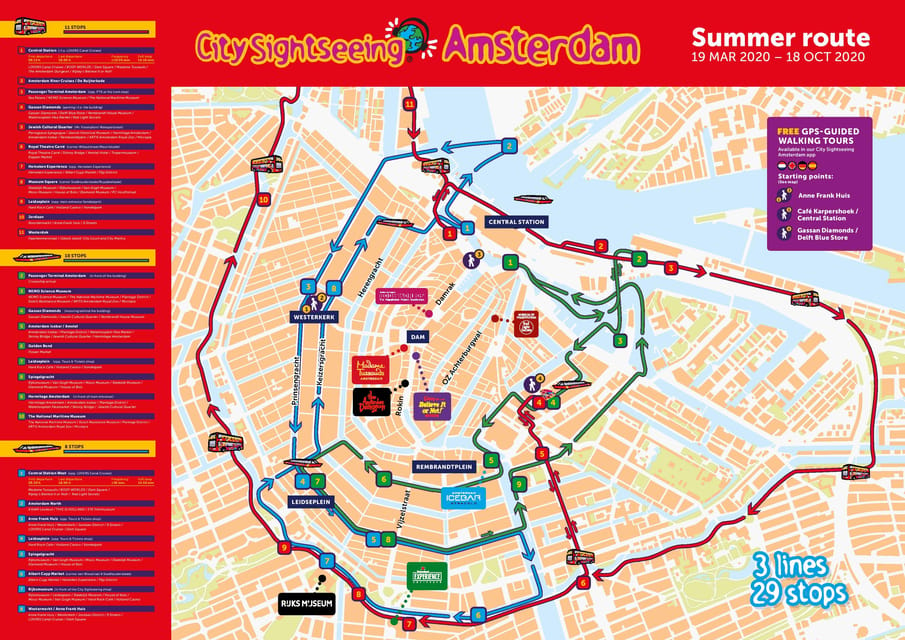
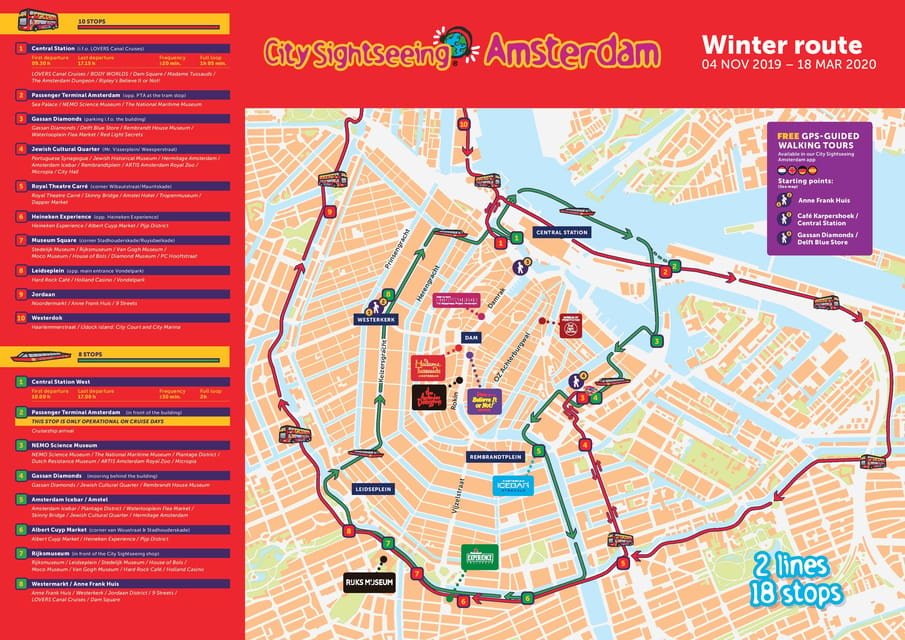
Amsterdam’s bus lines here don’t behave like one fixed route. The service changes depending on season:
- Summer season: mid-March to mid-October
- Winter season: mid-October to mid-March
The routes also switch names and stop coverage:
- Red Line: some stops operate only in summer
- Green Line: the route changes between summer and winter stops
- Blue Line: operates only in summer
This matters because your best plan depends on what you want most. If you’re aiming for specific stops like the Anne Frank House area, the museum loop at Museumplein, or the North-side options, you’ll want to match your visit dates to the correct line.
Here’s the practical way to think about it: treat the hop-on bus as a set of tools, not a guaranteed nonstop sightseeing machine. When the line you want isn’t running, you still have the Rijksmuseum time slot—and you can use your day to focus on Museumplein plus nearby areas you can reach on foot.
Rijksmuseum entry with a 2-hour window: how to use your time slot well

Your Rijksmuseum ticket is timed, but it’s not the rigid, panic-inducing kind. You can enter the museum for up to 2 hours from your starting time, then you’re welcome to stay as long as you like until the museum closes.
That flexibility is huge. It means you can:
- Be slightly late without the museum becoming your enemy
- Spend time outside the museum first (Museumplein area vibes, easy orientation)
- Not feel like you must sprint through the galleries
The included entry is the big ticket item. A multimedia tour is not included, so if you were hoping to rely on that extra layer, you may need to plan for it separately.
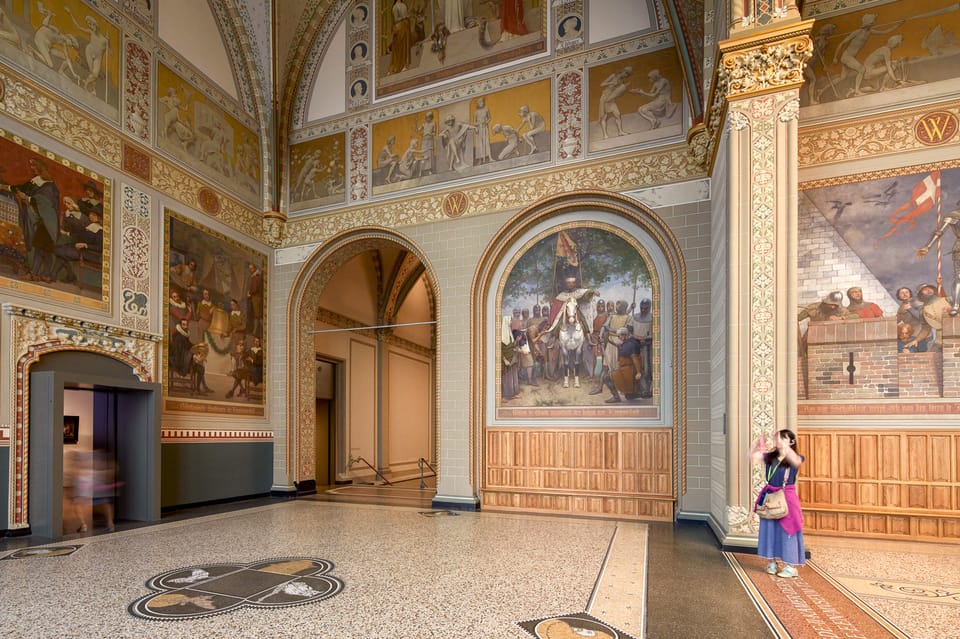
Inside, the museum focus in this combo centers on Dutch Masters—think Rembrandt and Vermeer. If those names are your reason for going, you’re choosing the right half of the day. If you also love broad art history, the time-window structure still helps you build momentum because you’re not wasting the morning in line chaos.
The hop-on hop-off bus route map: how to choose stops for your kind of day
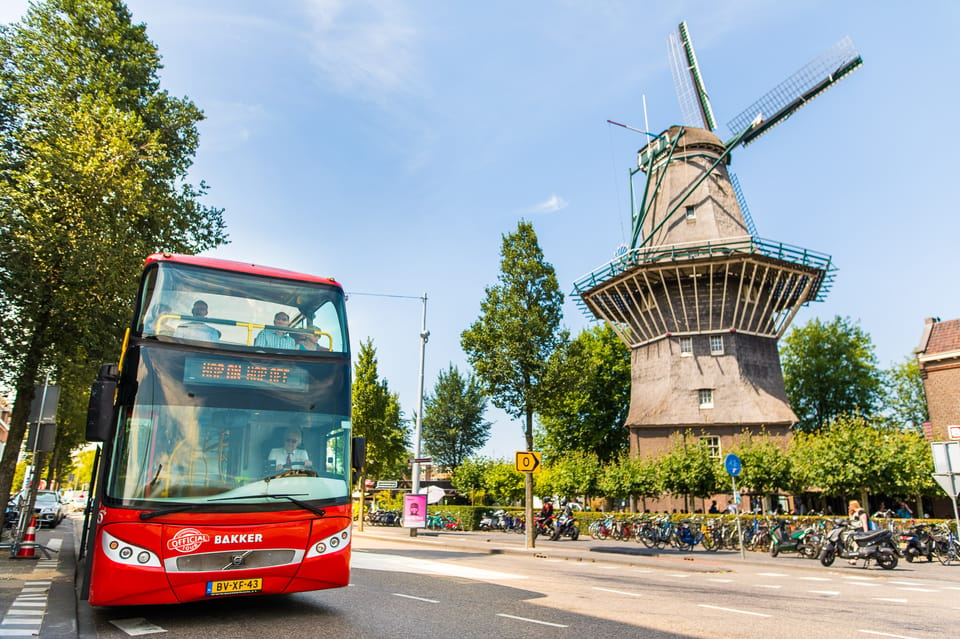
The bus ride is built for comfort and views. It’s an air-conditioned coach, and you get panoramic sightlines from the glass roof. That matters in Amsterdam because the canals and merchant houses are the visual story. From the right vantage point, it’s easier to understand where the city “turns” from neighborhood to neighborhood.
A note on the ride experience: the city streets can shape the route. You may find that part of the loop spends time near major hubs. If your goal is maximum variety per hour, don’t plan your most important sightseeing around the central transfer-heavy areas.
Red Line (summer-minded): classic areas plus seasonal stops
Some Red Line stops are summer-only. Here’s what to watch for, stop by stop:
Stop 1: Central Station East (Aloha Bowling)
A useful starting point if you’re orienting around transport hubs. It can also be a lot of “moving through” rather than “wandering around,” so think of it as a pickup point.
Stop 2: Amsterdam River Cruises / De Ruyterkade (summer only)
Great if you’re pairing canal sights with cruise plans. If you’re not taking a cruise, you might treat it as a photo opportunity and move on.
Stop 3: Passenger Terminal Amsterdam
This is more about the city’s waterfront energy than old-street romance. If you want waterfront views without committing to a water excursion, it can work.
Stop 4: Gassan Diamonds
A quick stop connected to shopping. If you’re not into jewelry, you’ll probably use this as a pass-through.
Stop 5: Jewish Historical Quarter
A historically significant area that fits well with a “neighborhood hopping” day. This is the kind of stop that’s worth more than a quick look, even if you only have a short window.
Stop 6: Royal Theatre Carré
This gives you a cultural landmark feel. If you’re into performances or architecture, it’s a decent place to hop off and connect to surrounding streets.
Stop 7: Heineken Experience
A fun stop if you want the famous brand attraction. If you’d rather spend your time on quieter museum streets, skip it and put your time into Museumplein or the canal belt.
Stop 8: Museum Square (Museumplein)
This is the natural link to the Rijksmuseum. It’s also a smart get-off point even if you already visited the museum, because it positions you near other major sights.
Stop 9: Leidse Square
A lively central area, often good for people-watching and easy onward walking to restaurants and cafes.
Stop 10: Jordaan
This is where Amsterdam feels more like a neighborhood than a checklist. If you want slim streets and old-city charm, hop here and wander a while.
Stop 11: Westerdok
A good “get oriented from a different angle” stop. It can also serve as a bridge between central sights and newer waterfront areas.



Green Line (seasonal swap): winter vs summer stop choices
The Green Line changes between seasons. That’s important if you’re visiting outside peak months.
Stop 1: Central Station West
A hub stop. Like many major stations, it can feel more practical than scenic, so use it to reposition.
Stop 2: Passenger Terminal Amsterdam (only on cruise days)
If it’s not a cruise day, this stop may not help you. Build your plan around what’s running, not what exists on paper.
Stop 3: NEMO Science Museum
More hands-on, family-friendly energy. If science museums are your thing, this is a strong winter/day option.
Stop 4: Gassan Diamonds
Same idea as the Red Line: shopping-connected, not inherently sightseeing-only.
Stop 5: Amsterdam Icebar
Very seasonal in feel. It’s one of those “only in this season” style attractions.
Stop 6: Golden Bend (summer) / Amsterdam Cuyp (winter)
This is an example of how the Green Line re-tools itself across the calendar. Golden Bend is summer mood; Cuyp is more winter shopping and market territory.
Stop 7: Leidseplein (summer) / Rijksmuseum (winter)
In winter, this can actually be a direct complement to your Rijksmuseum timing, because you’re not forced to cross the city awkwardly.
Stop 8: Spiegelgracht (summer) / Westermarkt – Anne Frank House (winter)
This is key if your itinerary includes Anne Frank House in the colder months. In summer, Spiegelgracht is more about canal-belt atmosphere.
Stop 9: Hermitage Amsterdam (summer only)
A major museum option, but summer-only in this setup. If you care about it, your dates are doing real work for you.
Stop 10: National Maritime Museum (summer only)
Another summer-only museum. If you’re there in winter, you’ll want to redirect your museum day elsewhere.
Blue Line (summer-only): a second way to stitch neighborhoods together
The Blue Line is strictly summer season. If you’re traveling mid-March to mid-October, it’s a useful add-on route.
Stop 1: Central Station West (opposite LOVERS Canal Cruises)
A transit-friendly start point. Handy for hopping between sightseeing and getting back to your base.
Stop 2: Amsterdam North
This can help you avoid always staying on the south/central side. Perfect if you want views that feel a bit different.
Stop 3: Anne Frank Huis
A direct connection to a must-see site. If Anne Frank House is on your shortlist, the Blue Line can reduce the need for extra routing.
Stop 4: Leidseplein
Leidseplein keeps showing up because it’s a convenient pivot between shopping, dining, and sightseeing.
Stop 5: Spiegelgracht
Another canal-belt style stop. This is the kind of area where Amsterdam’s “slim houses + water” look really lands.
Stop 6: Albert Cuyp Market
Market energy. Good for snack breaks and people-watching. If you want food-and-stroll vibes, this is a strong get-off.
Stop 7: Rijksmuseum
Yes, it loops back to Museumplein. That’s helpful if you’re timing your day around art museums and want an easy connection.
Stop 8: Westermarkt / Anne Frank Huis
A flexible “double-duty” area, especially if you’re mixing Anne Frank House with nearby wandering.
GPS audio guide in 18 languages: useful, but not magic
The bus includes GPS audio in 18 languages. That’s a lifesaver if you’re not fluent in Dutch, and it’s also great when you want context without reading every sign.
The included languages are: Spanish, Chinese, English, French, German, Italian, Japanese, Portuguese, Russian, Catalan, Dutch, Hebrew, Indonesian, Arabic, Turkish, Polish, Hindi, Thai.
One thing to keep your expectations realistic: the audio experience can vary. If you end up on a bus where the audio feels limited, you’ll still have the app and the visuals from the glass roof to guide you. The audio is best treated as a bonus layer, not the sole way you’ll learn the city.
How I’d handle the bus logistics: finding stops and reducing wasted time
Amsterdam sightseeing fails when you waste time hunting the right bus stop. And yes, this combo can be a little annoying if you show up blind. Some stops aren’t obvious at a glance, and central areas can feel like a maze.
So here’s my practical approach: download the City Sightseeing Amsterdam App. It gives routes and departures and has live tracking. That means you can reduce waiting time and avoid guessing which direction the bus will come from.
If you’re pairing the bus with a timed museum entry, the app also helps you avoid the classic trap: missing your hop and then feeling rushed. Build a small buffer around your museum visit, because you only get your best experience when you’re not sprinting.
Comfort and day rhythm: air-conditioned rides plus structured museum time

It’s worth calling out the air-conditioned coach. Amsterdam weather can swing. When it’s wet or chilly, stepping onto an air-conditioned bus is a real comfort upgrade, not a luxury.
The day rhythm is what makes this combo feel “easy.” The museum gives you a clear anchor point at Museumplein. Then the bus acts like a loop system that reconnects you with different neighborhoods: Golden Age merchant-house vibes, canal belt lanes, and the wider museum-and-shopping zones.
If you’re traveling with someone who doesn’t love long walking stretches, this is a good “seams and connections” solution. You still get neighborhood wandering, but you’re not doing every move on foot.
The best way to plan around what you actually want to see
Here’s how I’d decide what to do first.
- If art is your main reason to be in Amsterdam: do the Rijksmuseum during your time slot, then use the bus to reach Leidse Square or the Jordaan while you still have energy.
- If you want canals plus a few anchors: ride long stretches on the glass roof, then hop off at canal-belt-feeling stops like Jordaan or Spiegelgracht.
- If you’re flexible and shopping/attractions matter: throw in Heineken Experience or Albert Cuyp Market, but keep one museum stop in your pocket so the day doesn’t become only entertainment.
Remember: the bus ticket is open for the day, so you can correct mid-course. If you pick a stop and it’s not your vibe, get off, walk a bit, then hop back.
Who this Amsterdam combo suits best (and who should rethink it)
This works best for:
- First-timers who want orientation plus a major museum in one day
- People who hate wasting time in lines
- Travelers who like using a plan but still want flexibility through hop-on hop-off access
- Anyone who appreciates multilingual GPS audio during transit
It might not be the best fit if:
- You dislike buses and want a fully walking-only itinerary
- You plan to visit on dates when specific routes don’t run. Some days, bus service can be limited, so always check before you commit your day around a particular line.
Should you book this tour?
I’d book this combo if you want a smooth Amsterdam day that combines a big-name art museum with neighborhood hopping, without turning your schedule into a scavenger hunt. The skip-the-line Rijksmuseum time slot plus the open-ended 24-hour hop-on bus is a strong pairing for value at $50, especially when you’re trying to see more than one area.
I’d hesitate if your trip is built around a precise bus route stop sequence, or if your visit dates might land when certain bus lines aren’t operating. In that case, you can still enjoy the Rijksmuseum, but you’d want a backup plan for the rest of the day.
FAQ
What’s included in the Amsterdam combo?
You get a 24-hour hop-on hop-off bus ticket, a GPS audio guide in 18 languages for the bus, and a timed ticket to enter the Rijksmuseum.
How does the Rijksmuseum time slot work?
You can enter the museum for up to 2 hours from the starting time shown on your ticket. After you enter within that window, you can stay as long as you like until the museum closes.
Is the hop-on hop-off ticket open for the whole day?
Yes. Your hop-on hop-off bus ticket can be used any time during your stay as an open ticket.
Do I need a multimedia tour for the Rijksmuseum?
No. A multimedia tour at the Rijksmuseum is not included in this combo.
What languages are available for the bus audio guide?
The bus audio is available in Spanish, Chinese, English, French, German, Italian, Japanese, Portuguese, Russian, Catalan, Dutch, Hebrew, Indonesian, Arabic, Turkish, Polish, Hindi, and Thai.
Are pets allowed on this tour?
Pets are not allowed. Assistance dogs are allowed.
Are small children free?
Children aged 3 years or younger go free of charge if they do not occupy their own seat.
Does the bus route stay the same all year?
No. The route changes between summer and winter seasons, and some stops only operate in certain seasons.
Can I get a refund if I cancel?
This activity is non-refundable.