REVIEW · AMSTERDAM
Amsterdam: Sex, Drugs, and Freedom Walking Tour
Book on GetYourGuide →Operated by Trigger Tours · Bookable on GetYourGuide
Amsterdam has a reputation for being free-wheeling.
This tour tries to make sense of that in real terms: how Dutch attitudes shape the Red-light District, and how the country’s approach to soft drugs and sex is more complicated than the headlines. I especially like that it’s built around a local guide’s perspective and a practical, question-friendly flow, not just shock value.
What you’ll like most is how the guide ties things together—laws, everyday life, and the history of equality—so you leave with a clearer picture. A good heads-up though: this is adult subject matter, and the walking route is not suitable for people with mobility impairments.
In This Review
- Key things that make this tour worth your time
- A reality-check walk through Amsterdam’s alternative scenes
- Coffeeshops, soft drugs, and the rules behind the reputation
- The Red-light District: what legalization changed
- Equality, gay rights, and sexual liberty in the same conversation
- Landmark stops you’ll actually remember
- Old Church and the District’s contrast
- Condomerie and the culture of sex openness
- Royal Palace and Dam Square for the big-picture story
- Sites known only to locals
- What the guide experience feels like (based on how it’s handled well)
- Price and value: what $31 gets you in 2 hours
- Timing, logistics, and what to bring
- Who should book this tour
- Who should skip it
- Should you book Amsterdam: Sex, Drugs, and Freedom Walking Tour?
Key things that make this tour worth your time
- Local guide perspective that focuses on what daily life looks like, not just myths
- Clear explanations of Dutch drug regulations and the origins of coffeeshops
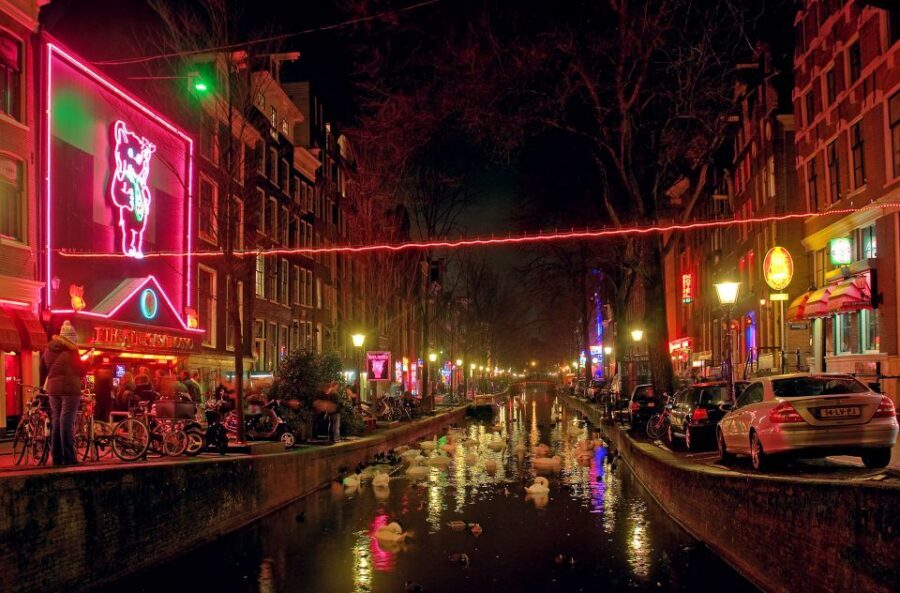
- Plain talk about prostitution legalization and how it shaped the Red-light District
- Landmark stops including the Old Church, Condomerie, Royal Palace, and Dam Square
- Q-and-A friendly format so you can ask questions as they come up
- Small time commitment at 2 hours, with enough context for first-time visitors
A reality-check walk through Amsterdam’s alternative scenes
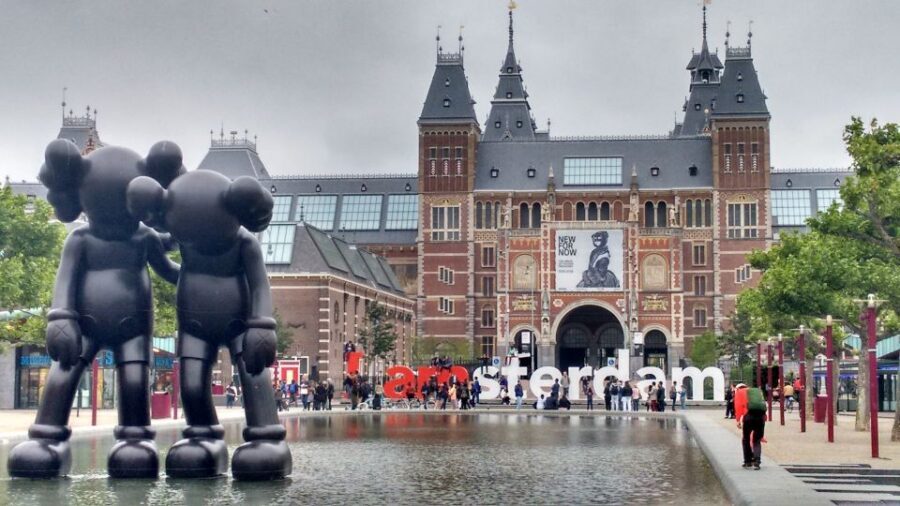
Amsterdam’s “permissive” reputation comes with a lot of noise. This tour is one of the better ways to cut through the noise fast because it doesn’t treat sex and drugs like tabloid entertainment. It treats them like social issues with history, rules, and real people affected by those rules.
At 2 hours, the pacing tends to work well for a first visit. You get a structured story arc—how Amsterdam grew into a city that welcomes everyone—without feeling like you’ve signed up for an all-day lecture. I also like that the guide is there for back-and-forth questions; that makes a big difference when a topic is personal, political, or just plain confusing.
You can also read our reviews of more walking tours in Amsterdam



Coffeeshops, soft drugs, and the rules behind the reputation
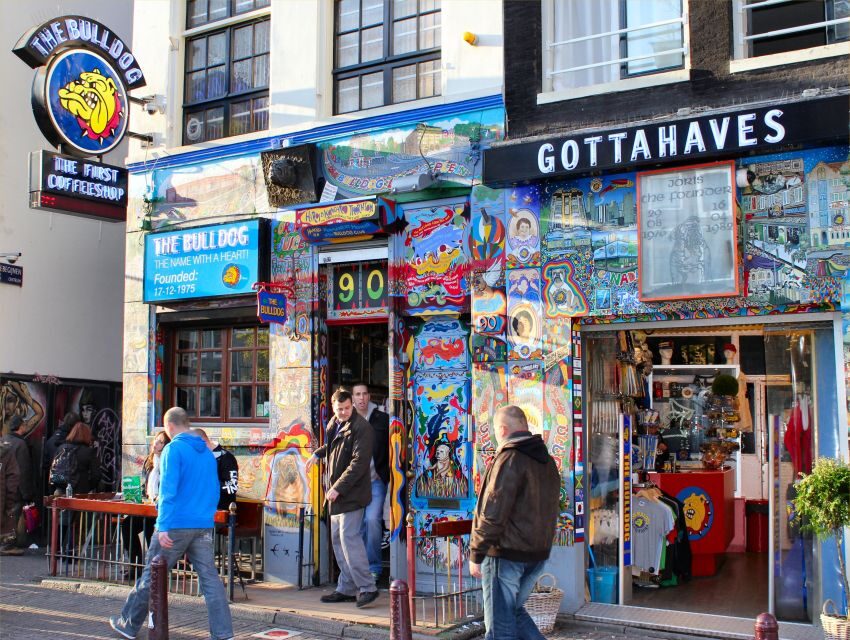
One of the tour’s biggest draws is how it explains Amsterdam’s unusual drug framework in human terms. You’ll learn about the history and origins of the coffeeshops, and you’ll hear what the tour frames as the background behind the Netherlands’ approach to soft drugs—including how they’re used and manufactured.
Here’s what’s valuable for you: the tour doesn’t push a single moral verdict. Instead, it helps you understand why a city would set up a system rather than ignore the reality of drug use. That makes your walk through the center feel less random. You start seeing how policies and public attitudes connect, not just spotting places that match a stereotype.
Also, the guide answers questions as they come up. If you’ve been wondering why the rules work the way they do—or how visitors should behave—this is the format that usually helps most.
The Red-light District: what legalization changed
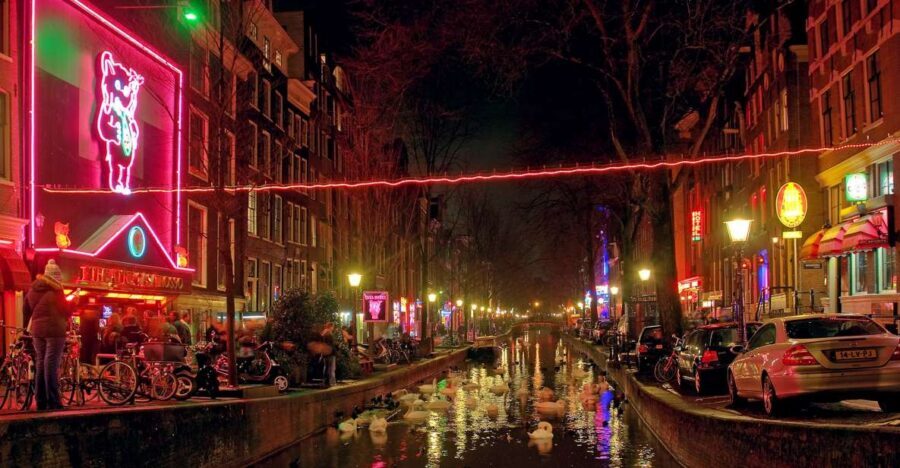
The tour’s other major pillar is prostitution in Amsterdam, specifically how legalization shaped the Red-light District over the years. You’ll learn how the District operates today and you’ll get context around the complex issues that come with it.
This part matters because it changes how you look at the street scenes. If you arrive thinking it’s only about tourism, you’ll likely miss the point. With this tour, the story is about an ecosystem: laws, public attitudes, and the daily realities for sex workers. The guide also covers what it’s like to work as a prostitute, and that makes the experience feel more grounded and less performative.
If you prefer your history tidy and distant, this might feel too close to real life. But if you want to understand a place before you judge it, it’s a strong way to do it. The goal isn’t to get you to agree with everything; it’s to get you to understand why the system looks the way it does.
Equality, gay rights, and sexual liberty in the same conversation
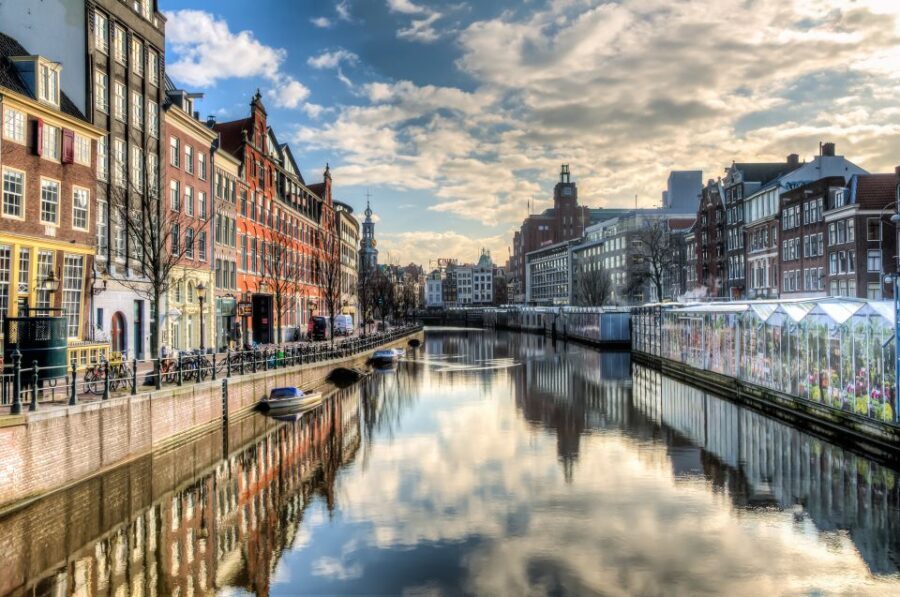
One of the tour’s smartest moves is connecting the Red-light District and drug laws to broader themes: equality, social awareness, and sexual liberty. Amsterdam’s story here isn’t only about what’s allowed; it’s about how people pushed for equal treatment and how that attitude spread.
You’ll hear about the Dutch fight for gay rights, and the tour frames how sexual liberty became part of a wider culture. That wider context is useful because it helps you understand the city as something more than a nightlife postcard. It also makes the guide’s explanations of laws and public behavior feel less like random facts and more like a consistent worldview.
Landmark stops you’ll actually remember
This is a walking tour, so you’re not just listening to stories. You’re using visible landmarks to anchor the lessons.






Old Church and the District’s contrast
You’ll visit the Old Church, which is a great reminder that Amsterdam’s center has layers. The tour uses that contrast—church history and modern street life—to help you understand how the city holds different values in the same space.
The practical benefit: you get a mental map. Instead of only remembering street corners, you remember “this landmark is where the guide connected the topic to the city’s broader evolution.”
Condomerie and the culture of sex openness
You’ll also stop at the Condomerie. Even if you’ve heard of the name before, the tour’s framing helps you see it as cultural commentary rather than just an attention-getting stop. It’s an example of how Amsterdam’s openness about sex can be commercial, public, and normalized.
If you’re the type who likes symbolism, you’ll probably enjoy this part. If you’d rather keep it less direct, you can still treat it as a window into local attitudes without turning it into a spectacle.
Royal Palace and Dam Square for the big-picture story
The tour includes the Royal Palace and Dam Square. These are high-visibility spots, and that’s intentional. The guide uses them to talk about how Amsterdam’s mainstream identity overlaps with the parts of the city people usually hear about in stereotypes.
It’s also where the tour’s “welcome to everyone” message lands. Equality and liberty aren’t only discussed in the alleys; they’re linked back to central public space, which makes the whole story feel less like a side show.
Sites known only to locals
You’ll see areas “known only to locals,” which is where walking tours can either disappoint or deliver. Here, the value is in how the guide explains why those spots matter. You’re not just getting a shortcut to photos; you’re learning why locals move differently through the city than visitors typically do.
What the guide experience feels like (based on how it’s handled well)
Guides make or break this kind of tour. The best versions of this walking experience are guided with calm confidence and good pacing, especially because the subject matter can trigger strong reactions.
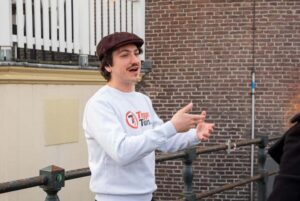
From what I’ve seen consistently, guides here tend to be engaging and strong at handling questions. Some guides like Martin are praised for answering questions and keeping the information readable. David is noted for highlights plus personal family-history context. Stan is singled out for clearly explaining sex workers, coffeeshops, and how the Red-light District works. And Jesse comes up as a guide who blends historical knowledge with humor and patience—useful when a group gets a little scattered.
That last point matters more than you’d think. On a topic-heavy walk, you want a guide who can keep the group moving and on-topic without turning it into a lecture. This tour’s format is built for Q-and-A, so a steady hand helps.
Price and value: what $31 gets you in 2 hours
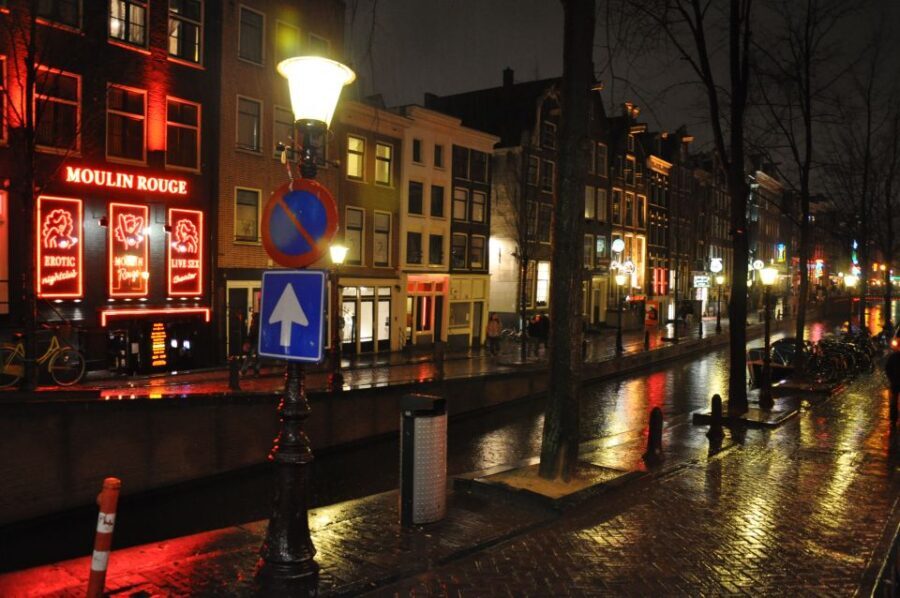
At about $31 per person for a 2-hour expert-guided walking tour, the value is mostly in three things:
- Context. You’re paying for a guided interpretation of adult topics—how Dutch laws evolved, how the Red-light District operates, and why equality themes are tied in.
- Time efficiency. Two hours is long enough to make sense of the neighborhood but short enough that you won’t lose the thread halfway through.
- Live guidance across languages. The tour runs with live guides in Spanish, Dutch, English, and German, which is a big advantage if you’re traveling with a mixed-language group or you just prefer to feel fully understood.
What’s not included is also important: no food and drinks. So treat this as a context-first stop, then plan a meal after. Also remember the tour includes adult themes, so comfortable clothing and an open mindset beat bravado.
Timing, logistics, and what to bring
A walking tour needs basics to feel good, especially with topics that make you stop and listen.
Bring:
- Comfortable shoes
- Water
- Comfortable clothes
Meeting point can vary depending on what option you book, so double-check your exact start location before you go. The tour isn’t listed as wheelchair-friendly, so if mobility is a concern, you’ll want to look for another option.
Good to know for planning: you can usually cancel up to 24 hours in advance for a full refund, and there’s a reserve now & pay later option to keep your schedule flexible. If you’re tight on time, the 2-hour duration also makes it easier to slot into an itinerary.
Who should book this tour
This is a good fit if you:
- want a first-time Amsterdam orientation that goes beyond museums
- care about the real-world history behind the city’s reputation
- like tours where you can ask questions instead of just listening
- prefer a guide who connects policy, culture, and street-level life
It’s also a strong choice if you’re the type who wants to understand why a city’s laws look the way they do before you form opinions. Even when you don’t agree with everything, you’ll likely come away with clearer thinking.
Who should skip it
Skip it if:
- you have mobility impairments (the tour is not suitable)
- you’re uncomfortable with sex and drug-related topics
- you expect this to function like a casual “see the sights” stroll with lots of food breaks (it’s not built that way)
If you’re on the fence, it can help to know this is adult-focused and designed to be direct. You won’t be able to ignore the theme.
Should you book Amsterdam: Sex, Drugs, and Freedom Walking Tour?
If you want Amsterdam’s famous edges explained by someone who can handle your questions, this tour is a solid booking. It’s short, structured, and built around real context: coffeeshop origins, soft-drug rules, the legalization and mechanics of the Red-light District, and how broader equality themes connect to sexual liberty.
I’d book it if you’re traveling soon and want to get your bearings fast, especially if you like guides who are engaging and prepared. I’d skip it only if adult topics would genuinely make you uncomfortable or if you need mobility accommodations the tour can’t support.