REVIEW · AMSTERDAM
Amsterdam: Cultural Highlights in English/German/Italian
Book on Viator →Operated by Amsterdamliebe · Bookable on Viator
Amsterdam makes sense when you walk its story. This walking tour uses a German (and other available language) guide to connect landmarks like the National Monument and Dam Square to the deeper story of how Amsterdam grew, and you’ll leave with tailored recommendations for the rest of your trip.
I like that you cover about 3–4 km on foot, which means no traffic worries and no parking math. You also get the best kind of value here: admission is free for the stops on the route, so you’re not paying little ticket fees all day long. One thing to watch is language: the specific listing info here says the tour is in German, so confirm your booked language if you want English or Italian.
In This Review
- Key highlights worth your time
- Why this 2-hour walking tour is a smart start in Amsterdam
- Price and value: what you’re really paying for
- Language and group size: the comfort rules you’ll actually feel
- Stop-by-stop: what each landmark teaches you
- 1) National Monument: the city’s public memory
- 2) Dam Square: the origins of Amsterdam you can picture
- 3) Beurs van Berlage: Golden Era wealth in real bricks
- 4) Nieuwe Kerk: why this church matters to the city’s development
- 5) Statue of Multatuli: colonial era links you might miss
- 6) Magna Plaza: a former post office with a past
- The city’s social history: Anne Frank, LGBTQ history, and big church connections
- 7) Westerkerk and the Jordaan connection
- 8) Statue of Anne Frank: Jewish history in Amsterdam
- 9) Gay Monument: LGBTQ history you can stand beside
- Negen Straatjes and Spui: where the tour sends you after it ends
- 10) 9 Little Streets (Negen Straatjes): shopping tips with context
- 11) Spui and the Begijnhof: reformation and a tucked-away church
- What’s included versus not included (and why you should care)
- How to get the most out of your guide in just 2 hours
- Is it worth booking? My honest take
- FAQ
- FAQ
- How long is the Amsterdam Cultural Highlights walking tour?
- What language is the tour in?
- Are there admission fees for the stops?
- Does the tour include the red-light district or a coffee shop stop?
- How big is the group?
- What happens if the weather is bad or I cancel?
Key highlights worth your time
- A guide who connects the dots across history, architecture, and everyday city life
- Free admission at every stop so your money stays for food and canals
- Easy pace, small group (up to 15) with time for questions
- You learn Golden Age wealth through the Beurs van Berlage story
- Negen Straatjes shopping tips plus a Begijnhof stop for calmer, older Amsterdam
Why this 2-hour walking tour is a smart start in Amsterdam
Amsterdam can feel like a postcard until someone points at the details. That’s what I like about this tour style: you’re not just seeing buildings, you’re learning why those places mattered. With a small group (up to 15), the guide can slow down, answer questions, and keep the story moving at a human pace.
This is also a practical way to get your bearings. You’re on foot for roughly 2 hours and about 3–4 km, so you experience the city as pedestrians do. You’re spared the stress of traffic and parking, and you’re close enough to notice what makes Amsterdam feel like Amsterdam.
Best of all for your budget: you won’t pay admission fees during the tour, and the stops are listed as free to visit. At $33.88 per person, that matters. You’re paying for interpretation and a guided path, not for a stack of museum tickets.
You can also read our reviews of more tours and experiences in Amsterdam.


Price and value: what you’re really paying for

On the surface, the price is easy to compare. In real life, value comes from how much you can squeeze out of the time.
Here, the value is the mix of:
- High-impact central locations (Dam Square area, churches, monuments)
- Clear historical themes (Golden Age wealth, colonial links, Jewish history, LGBTQ history)
- Tailored recommendations you can use after the tour
Because all stops are free, your money goes toward experiences you choose later. That’s a big deal in Amsterdam, where things can add up quickly if you’re hopping from ticket to ticket.
Language and group size: the comfort rules you’ll actually feel
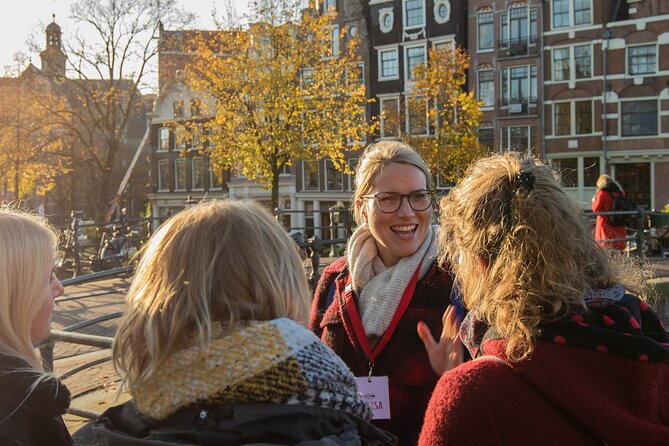
This tour is designed to be comfortable. It’s suitable for children, and it’s described as a walking route you can manage with normal sightseeing stamina. Still, wear comfortable shoes. Amsterdam sidewalks are friendly, but you are walking, not cruising.
Group size is capped at 15 travelers, which is a sweet spot. It’s small enough for questions, but not so small that you feel like you’re on a private interview. The route is built around short stops, so you get to move, listen, and look without losing your place.
Language is the one “pay attention” item. The tour information says it’s in German, while the overall experience is offered in German, English, and Italian. If you don’t read German comfortably, confirm your language selection when you book, so you don’t spend the whole walk trying to translate in your head.
Stop-by-stop: what each landmark teaches you
The route works like a timeline. You start with the core civic spaces, then you move into wealth, religion, colonial connections, and specific social histories. By the end, you’re thinking like a local: where to shop, where to slow down, and where the quieter Amsterdam is tucked away.
1) National Monument: the city’s public memory
You begin at National Monument near Dam. It’s free to enter during the tour window, and the guide uses it as a starting point for how Amsterdam presents itself as a modern city with a layered past.
Even if you’ve seen the monument in photos, a guide can help you connect it to civic identity. This stop sets the tone: Amsterdam isn’t just canals and houses—it’s also remembrance and public space.



2) Dam Square: the origins of Amsterdam you can picture
Next is Dam Square, and this is where the tour earns its keep for first-timers. You’ll learn how Amsterdam was established and how the area developed around the old town house and royal palace.
Dam Square is one of those places where it’s easy to feel like you’ve “seen it.” The real benefit comes from understanding what you’re standing on, and why the square mattered when the city was still building its identity.
3) Beurs van Berlage: Golden Era wealth in real bricks
At Beurs van Berlage, you get the Golden Era story with a direct visual anchor. The guide explains how Amsterdam became the world’s wealthiest city during that period, and you’ll see how commerce shaped the city’s physical presence.
This is the stop that helps a lot of people reframe Amsterdam. It’s not only art and architecture. It’s also trading, finance, and global connections—plus the buildings that remain as evidence.
4) Nieuwe Kerk: why this church matters to the city’s development
Then you move to Nieuwe Kerk. The focus here is history and its importance for Amsterdam’s development. You’re not just hearing dates—you’re getting a sense of how religious institutions fit into civic power and community life.
This stop is short (about 5 minutes), so it’s not meant to feel like a long museum visit. Think of it as a high-speed orientation to one of the city’s key historical anchors.
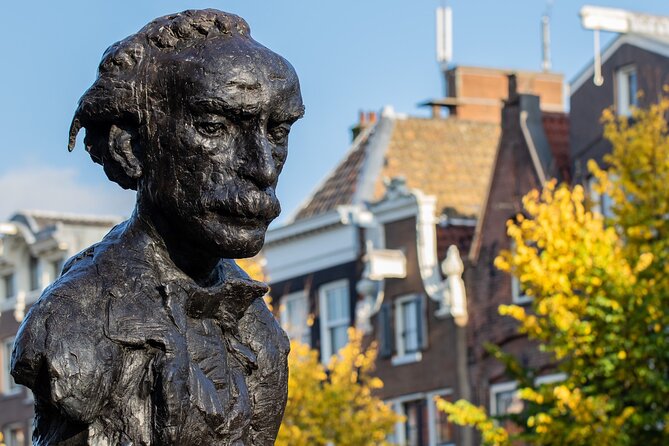
5) Statue of Multatuli: colonial era links you might miss
At the Statue of Multatuli, the tour connects Amsterdam’s colonial era to one of the most important books of the country. This is where the city story gets sharper.
If you’ve traveled expecting a smooth, feel-good city narrative, this stop can reset expectations in a constructive way. You’re learning how literature and public conversation grew out of the same historical currents that shaped trade and power.
6) Magna Plaza: a former post office with a past
You also stop at Magna Plaza. The key theme is the importance of the former post office there.
That sounds simple, but it’s a smart way to understand how Amsterdam worked: communication and logistics were the backbone of a trading city. The guide turns what looks like a modern building into a practical lesson about how the city stayed connected.
The city’s social history: Anne Frank, LGBTQ history, and big church connections
This middle stretch is where the tour becomes emotionally specific, not just architectural. You’ll move from monumental sites into stories tied to specific communities.
7) Westerkerk and the Jordaan connection
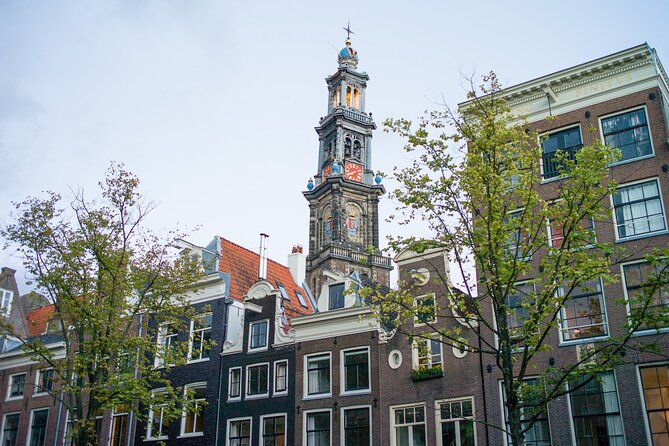
At Westerkerk, you see the biggest church of Amsterdam and learn its historic connection with the Jordaan area.
This is a useful stop if you want context for neighborhoods later. Once you understand the connection between church and surrounding areas, places like the Jordaan feel less random and more like part of a lived social map.
8) Statue of Anne Frank: Jewish history in Amsterdam
Next is the Statue of Anne Frank. The guide explains Jewish history in Amsterdam and how Anne Frank and her family experienced their time here.
It’s brief—around 10 minutes—so the point is orientation and context. If you’re planning other Anne Frank–related visits, this stop helps you understand why the city’s role is part of the story.
One practical consideration: there’s a cautionary note worth sharing. Some departures can have disruptions if you were expecting a specific Anne Frank House component beyond the statue. If that matters to you, double-check what’s included for your exact date so you’re not relying on something that could change.
9) Gay Monument: LGBTQ history you can stand beside
Then you reach the Gay Monument. This is focused on the rich history of Amsterdam’s LGBTQ+ scene.
This isn’t a vague history stop. The guide treats it like part of Amsterdam’s everyday identity, not a side note. If you want to understand modern Amsterdam beyond the usual postcards, this is one of the better inclusions on the route.
Negen Straatjes and Spui: where the tour sends you after it ends
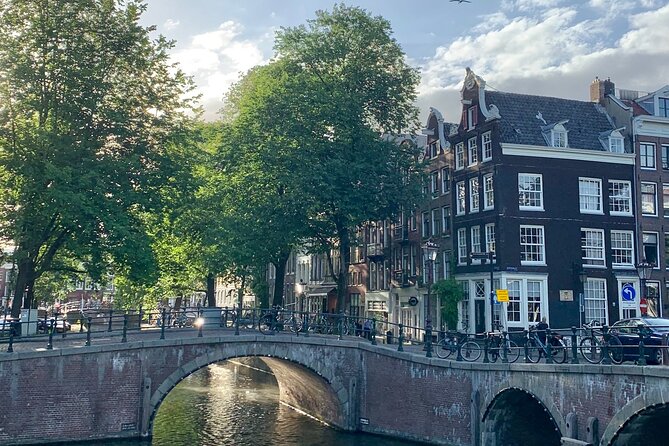
By the time you reach the last stretch, the goal shifts from explaining Amsterdam to helping you enjoy it.
10) 9 Little Streets (Negen Straatjes): shopping tips with context
You’ll walk to 9 Little Streets (Negen Straatjes) and get shopping tips from your guide so you can explore the area after the tour.
This is smart because the guide can point you toward the kinds of stores worth your time, based on what you like. Even if you’re not a shopper, this stop is useful for understanding where the city’s smaller lanes and local finds live.
11) Spui and the Begijnhof: reformation and a tucked-away church
Finally, you reach Spui for the Begijnhof and reformation history. The guide also encourages you to try to spot the hidden church inside and gives tips for hidden corners to explore after the tour.
This is one of the most relaxing transitions on the route. You shift from monuments and squares into something quieter. If your feet need a break, this stop is a good place to reset before you go wander on your own.
What’s included versus not included (and why you should care)
This tour includes:
- A 2-hour walking tour in the available languages (German/English/Italian)
- A small group
- Free access at the tour sights
Not included:
- Tips
- And a key omission: the coffee shop is not visited.
- The red-light district is not included in the tour plan. You’ll only pass it on the southern side.
That last part is important if you’re traveling with kids or you just don’t want your morning shaped around that area. The route keeps you focused on cultural highlights, even if you pass near parts of town where tourists expect to see certain scenes.
How to get the most out of your guide in just 2 hours

This tour is short, so the difference-maker is how you use the time.
Here’s how I’d play it:
- Ask one or two questions early. The guide can tailor explanations once they know what you care about.
- Keep listening for patterns. The stops repeat themes: power, trade, community, and memory.
- Watch for the guide’s trip-long recommendations. The tour is built to give you ideas that outlast the walk.
- If you’re traveling with a dog, plan ahead—but note that it’s been handled without a big problem on at least one departure.
Also, wear comfortable shoes. You’re walking 3–4 km, and you’ll want your legs to feel good by the time you hit Negen Straatjes and start exploring on your own.
If it’s hot, bring water and a hat. The route is outdoors, and Amsterdam’s weather can go from fine to warm quickly.
Is it worth booking? My honest take
Book this tour if:
- You want a structured, easy first look at central Amsterdam
- You like history with direct anchors (monuments, churches, specific buildings)
- You care about value—free admission at the stops is a real win
- You want practical follow-up suggestions for the rest of your trip
Skip or adjust your plan if:
- You’re very language-specific and German doesn’t work for you. Confirm the language on your booking.
- You’re relying on a specific Anne Frank House–related visit beyond what’s clearly listed (the statue stop is included; extra expectations can vary).
FAQ
FAQ
How long is the Amsterdam Cultural Highlights walking tour?
It runs for about 2 hours. The walking distance is roughly 3 to 4 kilometers, so comfortable shoes matter.
What language is the tour in?
This experience is offered in German, English, and Italian, but the additional tour info for this one states it is in German. Check your booking for the exact language.
Are there admission fees for the stops?
No. You won’t have to pay admission fees during the tour, and all sights on the route can be visited for free.
Does the tour include the red-light district or a coffee shop stop?
No for the coffee shop. The tour does not include the red-light district, and it will only be passed on the southern side.
How big is the group?
The tour has a maximum of 15 travelers, which keeps it small enough for questions.
What happens if the weather is bad or I cancel?
The tour requires good weather. If it’s canceled due to poor weather, you’ll be offered a different date or a full refund. You can cancel up to 24 hours in advance for a full refund.