REVIEW · AMSTERDAM
Amsterdam: Private Anne Frank and Jewish Quarter Tour
Book on GetYourGuide →Operated by Trigger Tours · Bookable on GetYourGuide
Anne Frank comes alive on these streets. This private 2-hour walk in Amsterdam’s Jewish Quarter ties together the diary story with real landmarks, including a stop at the Auschwitz Monument. One key consideration: the tour ends at the Anne Frank House, but entrance tickets are not included.
I like that the pacing is built for learning—short visits, clear context, and time to ask questions—so a heavy topic stays human. If you get a guide like Aaron or James (names that have come up often), you’ll likely get both respect and clarity, with thoughtful humor used sparingly to keep the pace manageable.
In This Review
- Key Things to Know Up Front
- Why This 2-Hour Jewish Quarter Walk Works
- Meeting at Hermitage Pier: Easy to Find, Easy to Start
- Nieuwmarkt and Lastage: Where the Neighborhood’s Layers Make Sense
- Auschwitz Monument and the Holocaust Names Memorial: Respectful, Not Shoehorned
- Portuguese Synagogue and Zuiderkerk: Landmarks With a Story Behind Them
- Jewish Historical Museum and the Dokwerker: Learning the Neighborhood at Street Level
- Anne Frank’s Diary Story: How Writing, Flight, and Publication Fit Together
- Hidden Corners and “See It in Your Head” Moments
- Finishing at the Anne Frank House: Great Wrap, Smart Next Step
- Price and Value: What $25 Buys You in Amsterdam
- Who Should Book This Tour (and Who Might Skip It)
- Should You Book This Tour?
- FAQ
- How long is the Amsterdam: Private Anne Frank and Jewish Quarter Tour?
- Where do we meet the guide?
- What is the price per person?
- Is this tour private?
- What languages is the live guide available in?
- What major sights are included on the route?
- Does the tour include tickets to the Anne Frank House?
- What will we learn besides the diary itself?
- Is free cancellation available?
Key Things to Know Up Front
- A focused 2-hour route that hits major Jewish Quarter sites without feeling like a marathon
- Memorial stops are part of the story, including the Auschwitz Monument and Holocaust names memorial
- Portuguese Synagogue and Zuiderkerk show how faith and architecture shaped everyday life
- Anne Frank’s diary gets explained end-to-end, including her father’s role in publication and why it spread worldwide
- You end at the Anne Frank House, so you can decide right after the walk whether to book entry tickets
Why This 2-Hour Jewish Quarter Walk Works
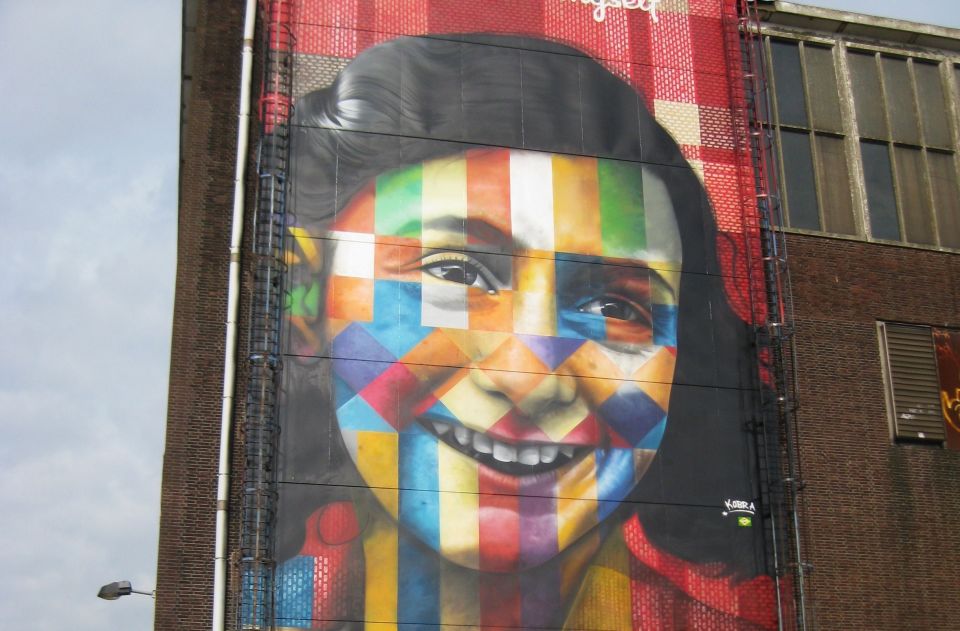
If your Amsterdam plan includes Anne Frank, this tour is a smart way to get context first. You’re not just seeing plaques—you’re walking through the neighborhood where Jewish life unfolded, where persecution left a mark, and where resistance shaped lives.
The best part is how the story is kept practical. Your guide links specific locations to what happened to Anne Frank and her family, and then ties the diary’s later publication to why it became known far beyond Amsterdam.
The other big win is value. At $25 per person for a private walking format and a local guide, you’re paying for direction and interpretation—exactly what you need if you want more than a self-guided stroll.
You can also read our reviews of more private tours in Amsterdam

Meeting at Hermitage Pier: Easy to Find, Easy to Start
You meet at Hermitage Pier, right in front of the main entrance of the H’ART Museum next to the Amstel River. It’s a simple starting point that helps you settle in without wasting time hunting for your group.
From there, the tour moves through the Jewish Quarter area on foot. With a schedule that assigns about 15 minutes to each main stop, you’ll be walking consistently, not standing around too long. Wear comfortable shoes. Amsterdam pavement can be deceptively tiring if you’re on your feet for two hours.
Nieuwmarkt and Lastage: Where the Neighborhood’s Layers Make Sense
The walk begins with a guided section around Nieuwmarkt and Lastage. This part matters because it helps you understand that the Jewish Quarter wasn’t static. The guide explains the background of the original Jewish Quarter and how it evolved over the centuries.
That evolution is what makes the later memorial stops hit harder. You’re not just being told that tragedies happened—you’re seeing a place that changed, adapted, and endured long before the 1930s and 1940s.
Auschwitz Monument and the Holocaust Names Memorial: Respectful, Not Shoehorned
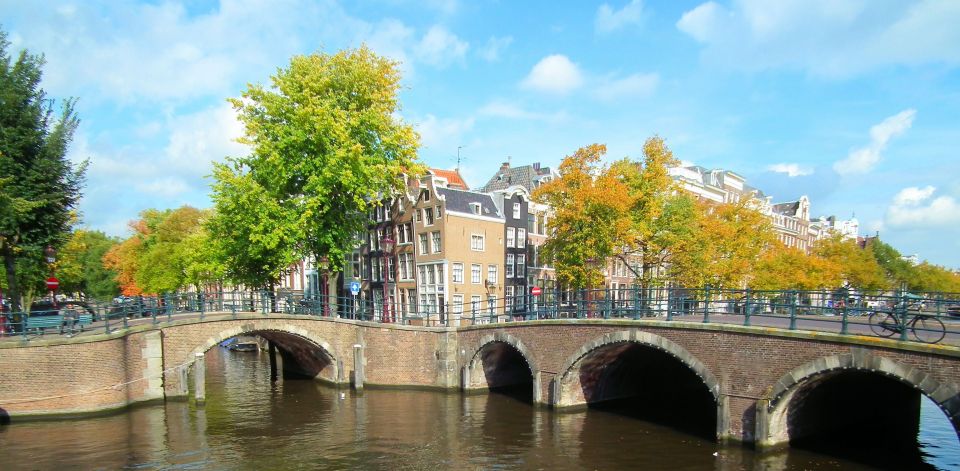
The tour includes the Auschwitz Monument and later the National Holocaust Names Monument. These are the moments when the tone shifts from history lesson to remembrance, and your guide’s role becomes crucial.
This is where you’ll feel the value of a private or small-group format. You can ask questions without worrying about timing, and you can control how closely you want to look at difficult details. The guides leading this tour have a reputation for handling the subject with care and respect, and for adjusting their pace so it doesn’t become too much too fast.
A useful mindset for you: let the guide’s framing do its job. If you’re expecting a light sightseeing walk, this won’t be that. If you want a clear, thoughtful route through real places, it works.
Portuguese Synagogue and Zuiderkerk: Landmarks With a Story Behind Them
Next up are stops at the Portuguese Synagogue and the Zuiderkerk. These aren’t random photo stops. The tour uses these buildings to explain what Jewish life in Amsterdam looked like in everyday terms—community, identity, and institutions tied to faith.
Your guide also connects these landmarks back to the broader timeline of the 1930s and 1940s. That means you get a sense of how people lived, how they coped, and what changed once persecution intensified.
If you like architecture, you’ll probably enjoy these stops most. Even without getting an in-depth building lecture, you’ll leave with a map in your head for what each place represents.





Jewish Historical Museum and the Dokwerker: Learning the Neighborhood at Street Level
The walk continues to the Jewish Historical Museum and then to The Dokwerker. Even if you’ve read about Anne Frank before, these stops help you ground her story in Amsterdam’s street-level reality.
Think of this stretch as the “how the neighborhood worked” section. The guide’s job is to connect locations to events and family experiences, so the diary doesn’t float in isolation as a standalone story. Instead, it sits in a real place with real streets and institutions.
This section also tends to be interactive. Based on guide feedback, the tour style often includes questions and prompts that get you thinking as you walk, which helps the information stick.
Anne Frank’s Diary Story: How Writing, Flight, and Publication Fit Together
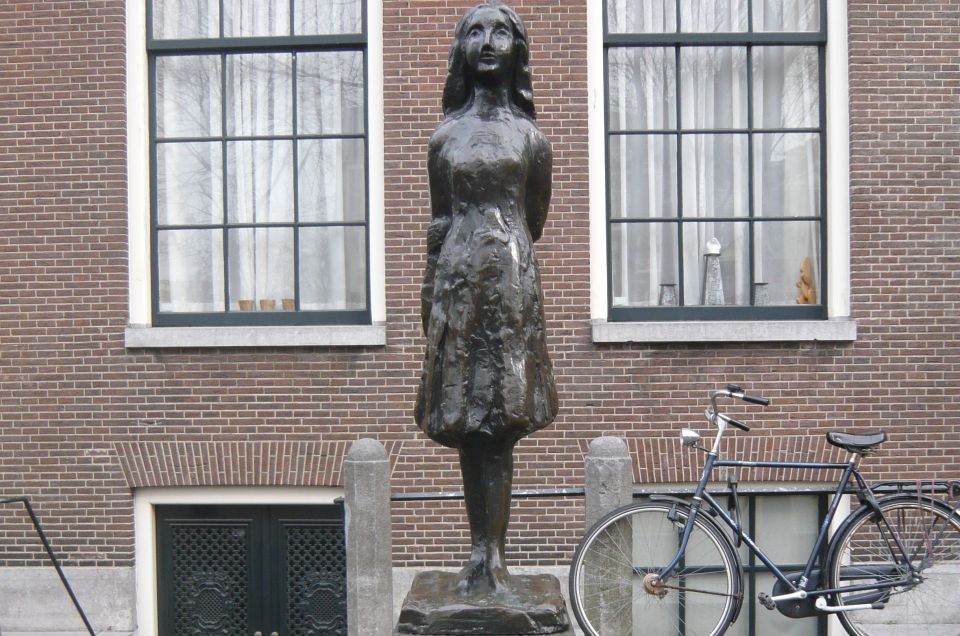
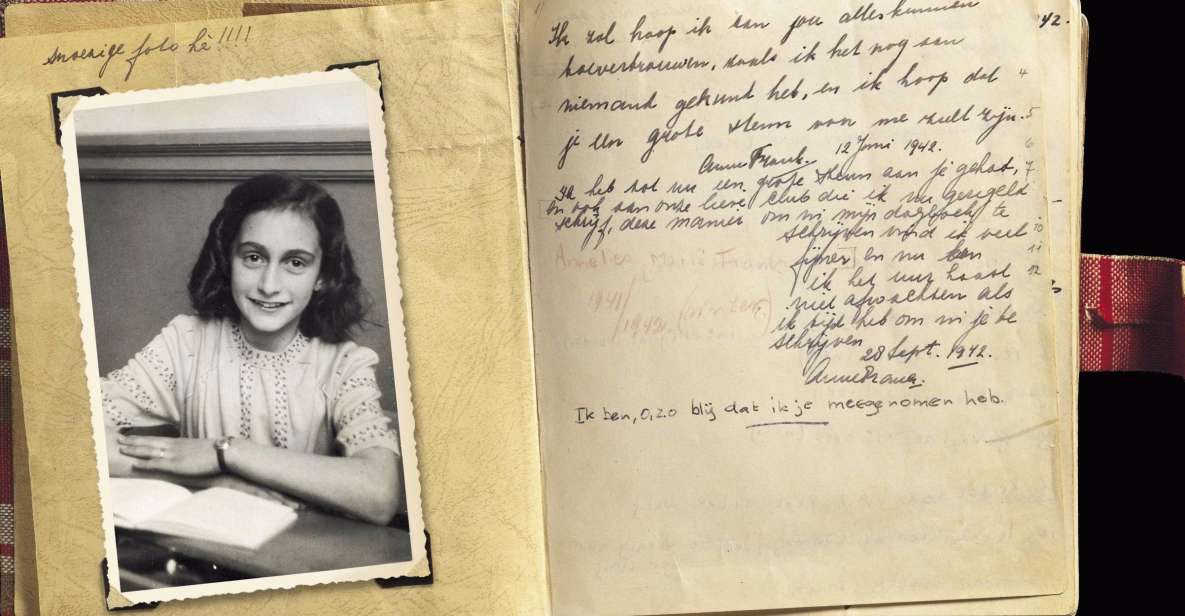
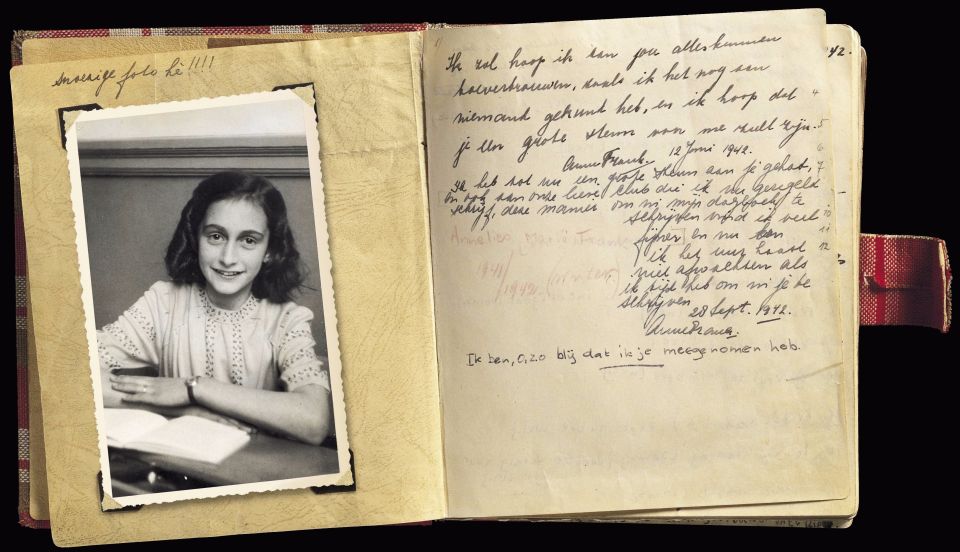
The tour’s centerpiece is the Anne Frank narrative—especially how it’s told. You’ll hear about her love of writing and how the diary became famous, including the role of her father in publishing it after the war.
You’ll also learn about key circumstances tied to Amsterdam in the 1930s and 1940s: her move from Germany, her family relationships, the time she spent hiding, and what her father’s life looked like afterward. The guide also discusses secret hiding places connected to the Dutch resistance era, aiming to show how people tried to stay alive when hiding was the only option.
For you, this matters because the diary isn’t just a book. It’s a record shaped by fear, routine, and longing—written in a place where safety could vanish overnight. A well-run guide helps you feel that structure without turning the story into spectacle.
Hidden Corners and “See It in Your Head” Moments
One of the most praised parts of this tour is how guides help you visualize what the streets once looked like. People describe feeling like the past “comes alive” in the neighborhood, especially when the guide uses specific location cues rather than broad generalities.
You can help this happen by doing one simple thing: slow down when your guide points out a location. Don’t just listen while walking fast. Let yourself look around. If you do, you’ll likely catch details that you’d miss on your own.
And because it’s a private or small-group format, you can steer your curiosity. If you’re curious about one part of Anne Frank’s story—family dynamics, writing, or what happened after the war—this tour is built to let you ask.
Finishing at the Anne Frank House: Great Wrap, Smart Next Step
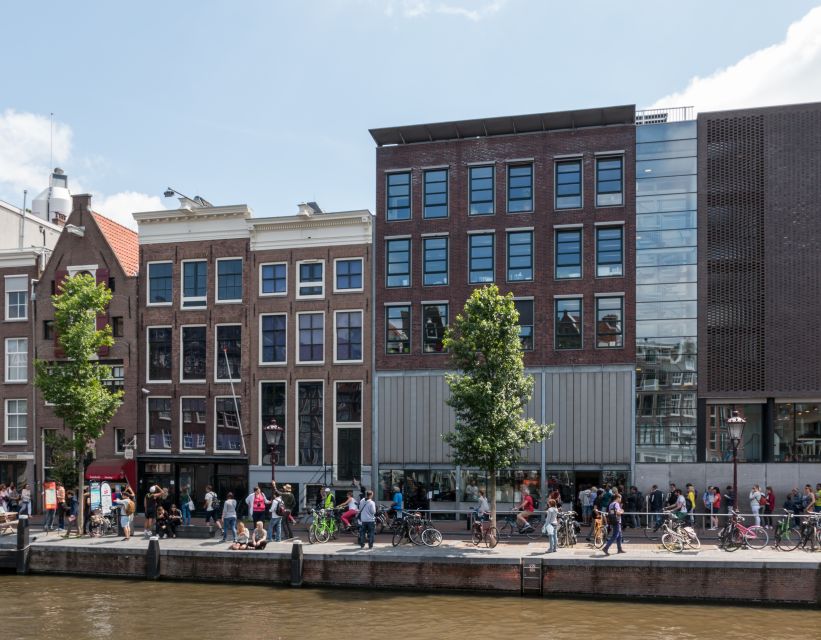
The tour ends at the house of Anne Frank. This is a strong closing move because your final stop is the physical anchor for everything you just heard.
Just plan ahead: entrance tickets to the Anne Frank House are not included. So you have two options:
- If you want to go inside, book tickets separately so you’re not scrambling at the end of a walking tour.
- If you’re not planning entry, you can still use the finish as a moment to reflect and connect the diary story to place.
Either way, having the last stop at the house helps the whole route feel complete.
Price and Value: What $25 Buys You in Amsterdam
At $25 per person for a private walking tour with a local guide, you’re paying for three things that are hard to DIY:
- Context fast: Anne Frank’s story becomes clearer when it’s linked to where it unfolded.
- Interpretation: memorial sites and major landmarks need explanation to land well.
- Momentum: two hours keeps you moving while still giving you multiple stops that matter.
If your goal is to turn Anne Frank from a name into a place-based story, this price feels fair. If you already know Amsterdam Jewish Quarter history deeply and you just want a quick route, you might decide you only need a simpler self-guided walk plus a separate visit. Most people, though, get the value in the guided framing.
Who Should Book This Tour (and Who Might Skip It)
This is a great fit if you:
- Want an organized introduction to Amsterdam’s Jewish Quarter and the Anne Frank diary story
- Like memorial sites paired with careful explanation
- Prefer private or small-group pacing so you can ask questions
- Appreciate a guide who can handle heavy material thoughtfully
You might choose something else if you want a casual, purely scenic walk. This route includes Holocaust memorial stops, and the subject matter carries weight. The payoff is clarity and respect, not distraction.
Should You Book This Tour?
I’d book it if you want a guided route that connects Anne Frank’s diary to the neighborhood where her story unfolded, and if you’re okay with a serious tone. The mix of Jewish Quarter landmarks and memorial sites makes it more than a “book tour,” and the private format helps you get real answers instead of vague impressions.
Do it especially if you’re the type who learns best by walking and looking, then asking follow-up questions. And remember one practical point: if you want the Anne Frank House interior visit, treat that as a separate ticket you’ll plan after the tour ends.
FAQ
How long is the Amsterdam: Private Anne Frank and Jewish Quarter Tour?
The tour lasts 2 hours.
Where do we meet the guide?
Meet at Hermitage Pier, in front of the main entrance of the H’ART Museum next to the Amstel River.
What is the price per person?
The price is $25 per person.
Is this tour private?
Yes. It’s listed as a private tour, with private or small groups available.
What languages is the live guide available in?
The guide is available in English, Dutch, and Spanish.
What major sights are included on the route?
You’ll see stops including Nieuwmarkt en Lastage, the Auschwitz Monument, the Portuguese Synagogue, Zuiderkerk, the Jewish Historical Museum, The Dokwerker, and the National Holocaust Names Monument, ending at the Anne Frank House.
Does the tour include tickets to the Anne Frank House?
No. Entrance tickets to the Anne Frank House are not included.
What will we learn besides the diary itself?
You’ll learn about Anne Frank and her family, her move from Germany, the time she spent hiding, her father’s life after the war, and how the diary was published and gained worldwide fame. You’ll also hear about her love of writing and secret hiding places connected to the Dutch resistance.
Is free cancellation available?
Yes, you can cancel up to 24 hours in advance for a full refund.