REVIEW · AMSTERDAM
Amsterdam: Red Light District and Coffeeshop Culture Tour
Book on GetYourGuide →Operated by Silver Tours · Bookable on GetYourGuide
Red lights, real laws. That is the point of this 2-hour Amsterdam walk: you get the stories, not just the neon. I like that the tour is guided with a local perspective and covers coffeeshop culture alongside the famous red windows. One thing to consider: the district is an adult neighborhood, and the guide talks directly about prostitution and how the work works.
I also appreciate how the tour turns confusing headlines into clear, street-level context. You’ll hear about the Netherlands’ liberal laws and how the term coffeeshop came to be, then see landmark details like the old church and the narrowest street of Amsterdam. The main drawback for some people is the tone: it is educational, but it stays honest, so it’s not a sit-back-and-snack kind of outing.
In This Review
- Key things to know before you go
- Why Walk This Part of Amsterdam With a Local Guide?
- The 2-Hour Route: From Old Landmarks to the District Core
- Prostitution in Plain Sight: History, Work, and What You’re Actually Seeing
- Coffeeshop Culture Explained: The Liberal-Laws Angle You Came For
- District Stops You’ll Recognize Fast: Red Windows, Old Church, and the Narrowest Street
- Hidden Gems Aren’t About Secret Doors
- Price and Value: Why $29 for 2 Hours Can Be Worth It
- Practical Tips for Comfort in a Sensitive Neighborhood
- Who This Tour Fits Best (and Who It Doesn’t)
- Should You Book This Tour?
- FAQ
- How long is the Amsterdam Red Light District and coffeeshop culture tour?
- Where does the tour take place?
- What’s the price of the tour?
- What will I see during the tour?
- Does the tour include coffeeshop culture and laws?
- What languages are available for the live guide?
- Is this tour refundable and can I pay later?
Key things to know before you go
- Local viewpoint on how the district functions: you’ll learn what you’re looking at and why it exists.
- Red windows plus real landmarks: expect to spot major sights like the famous red windows and an old church.
- Coffeeshop culture explained street-by-street: you’ll hear where the name comes from and why the laws feel unusual.
- You’ll walk past distinctive district textures: narrow streets, smartshops, and an indoor prostitute street are part of the route.
- Short, focused timing: at 2 hours, it fits easily into a busy Amsterdam itinerary without turning into an all-night marathon.
Why Walk This Part of Amsterdam With a Local Guide?
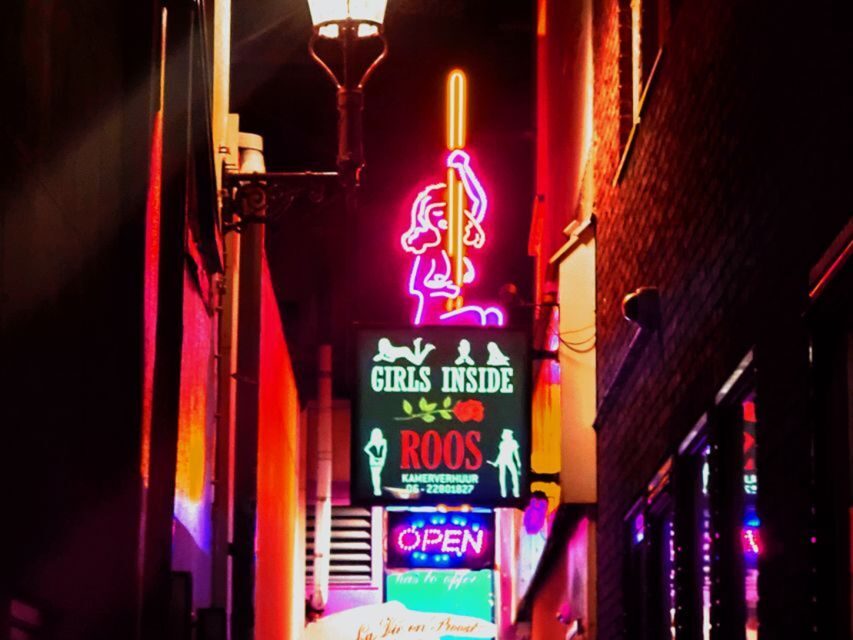
Amsterdam’s Red Light District can feel like a theme park from the outside. With this tour, you get the human side: how the neighborhood formed, what people have tried to manage over time, and how rules shape what you see at street level. The biggest win is not sightseeing; it’s understanding.
I like that the guide keeps the walk grounded in what’s around you. You’re not handed a vague lecture while standing still. Instead, you move through the district and get explanations that connect history, present-day reality, and the city’s policy approach.
Also, the coffeeshop angle matters. This is not a generic “weed is legal” message. The guide talks about the liberal legal framework, including production and consumption rules around soft drugs, and why coffeeshop culture became what it is today. If you’ve ever wondered why things seem contradictory, this tour is built for that.
You can also read our reviews of more tours and experiences in Amsterdam.


The 2-Hour Route: From Old Landmarks to the District Core
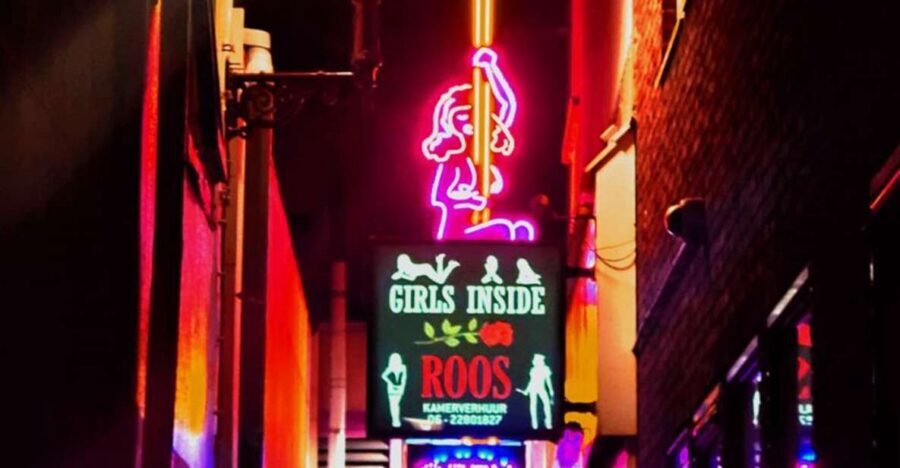
The tour starts with an orientation phase that helps you get your bearings fast. You’ll hear a broad overview of the Netherlands and Amsterdam’s development, then see some of the older buildings that give the city its shape. It’s a smart way to start because the Red Light District sits inside a much larger Amsterdam story.
From there, you walk toward the center of the Red Light District. This is where the sightseeing becomes specific and the street details get interesting. You’ll pass through areas where streets feel tight and compact, and you’ll spot the kinds of architectural and urban features that make this neighborhood look like it does.
The guide then connects those physical features to the district’s role over time. That’s the difference between a quick photo run and a meaningful walk. When you understand the layout and history, the famous red windows stop looking like a one-off spectacle and start looking like part of a managed city ecosystem.
Prostitution in Plain Sight: History, Work, and What You’re Actually Seeing
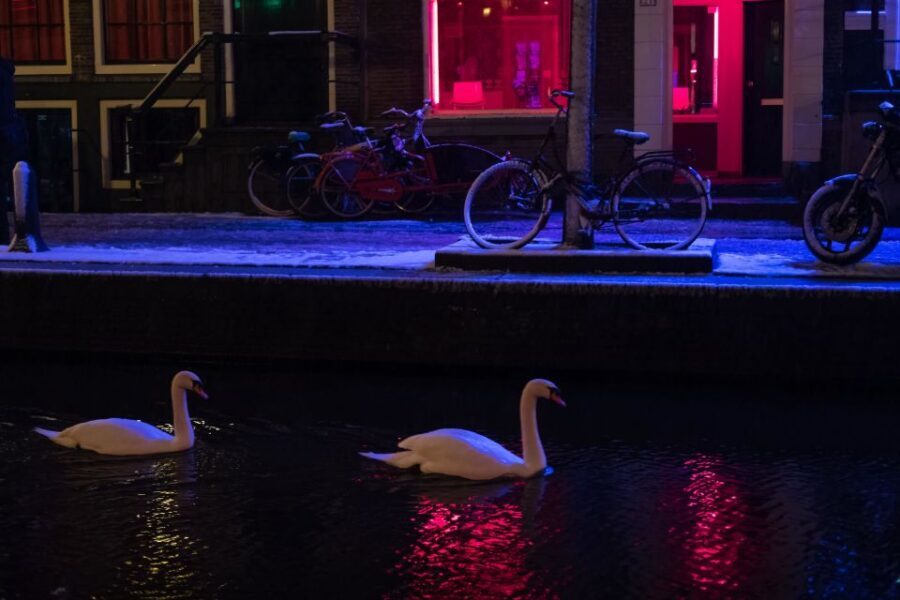
This tour treats the district’s prostitution history as part of Amsterdam’s social and legal story. You learn about what prostitution looks like in the area today, including how the windows function, and you also hear about the history behind it. The guide doesn’t sidestep the topic, which means you’ll get more clarity than you would if you only skim the surface.
A standout element is that the tour talks about what it’s like working as a prostitute in the Red Light District. That’s not just moralizing; it’s explained as a real job within a real system. The guide’s goal is to give context so you can interpret what you see without turning it into gossip or stereotypes.
The tour also covers the idea of an indoor prostitute street. Seeing that after the guide has framed it helps you understand how the district includes both street-front and indoor spaces, not just the classic image people expect. It also helps you notice how the neighborhood has evolved, with spaces adapted to demand, regulation, and urban constraints.
One practical note: because the subject matter is adult, the tone is straightforward. If you’re visiting with a mindset that expects polite silence, you may feel uncomfortable. If you’re okay with honest education, this portion is exactly where the tour earns its keep.
Coffeeshop Culture Explained: The Liberal-Laws Angle You Came For
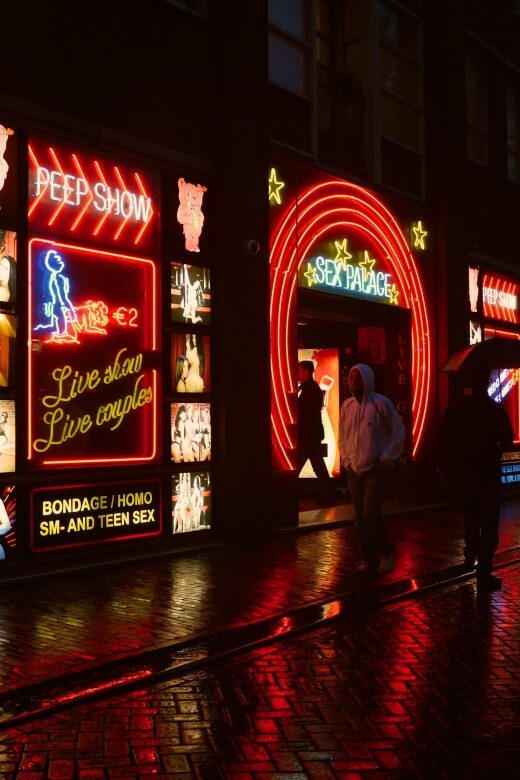
The coffeeshop stops are more than “look, here it is.” The tour uses them to explain how Dutch policy shapes what people experience on the street.
You’ll learn about the coffeeshop culture of Amsterdam and the meaning behind the term coffeeshop itself. You’ll also hear about rules that govern consumption and production of soft drugs. Even if you already know that Amsterdam is more liberal than many European cities, the guide’s emphasis is on the specific logic that people often misunderstand.
Here’s what I find useful: the guide helps you connect three dots that tourists usually keep separate. First is the district setting and its adult economy. Second is the city’s policy approach. Third is how everyday visitors experience all of it in one small area of streets and storefronts.
If you want a tour that treats coffeeshops like a legal footnote, skip it. If you want to understand the system behind the storefronts, this tour delivers the context you’re looking for.
District Stops You’ll Recognize Fast: Red Windows, Old Church, and the Narrowest Street
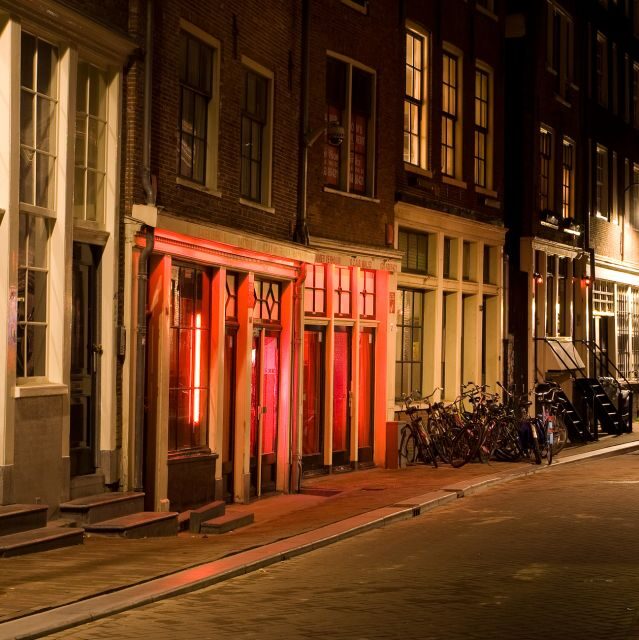
You’re going to see the big visual markers. The famous red windows are part of the route, and you’ll get explanations tied to what you’re seeing and why that setup became iconic. The tour also includes the old church, which helps anchor the neighborhood in Amsterdam’s older streetscape rather than only its commercial reputation.
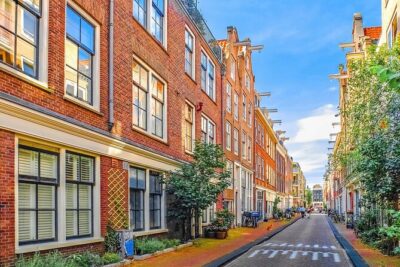
One of my favorite street details to watch for is the narrowest street of Amsterdam. When you walk it, it stops being a trivia fact and becomes a real sense of place. The district’s tight geometry affects how people move, how storefronts feel, and how the neighborhood maintains its character despite heavy foot traffic.
The guide also points out smartshops. These storefronts are part of the modern commercial mix that sits next to the more famous attractions. Seeing them with explanations helps you understand why the district feels like a cluster of different related businesses instead of one single theme.
Finally, the tour includes the first coffeeshop of Amsterdam and a highly famous coffeeshop stop. That combination is the best kind of nerdy: you’re not just shopping your curiosity, you’re tracking how the culture took physical form in the city. It turns “coffeeshop culture” from an abstract idea into a timeline you can walk.



Hidden Gems Aren’t About Secret Doors
The “hidden gem” claim makes people expect a secret passage. This tour’s hidden-gem factor is more practical than cinematic.
You’re shown smaller, often-overlooked district features that help you understand the place beyond the obvious photos. That includes less-famous street aspects like the mix of indoor and street spaces, and the way the district’s different storefront categories show up in clusters. It also includes smaller landmark cues like the narrow street and older civic structure that keep the neighborhood from feeling like a one-dimensional entertainment zone.
What makes these gems valuable is the guide’s running commentary. You’re not just told what something is; you’re told how it fits. That approach helps you leave the neighborhood with a mental map that actually works.
And that ties back to why the tour gets high marks for being memorable: the stories are organized, and the guide’s passion shows in how they connect the dots. The result is that the district feels less random, and you feel more confident exploring the rest of Amsterdam afterward.
Price and Value: Why $29 for 2 Hours Can Be Worth It
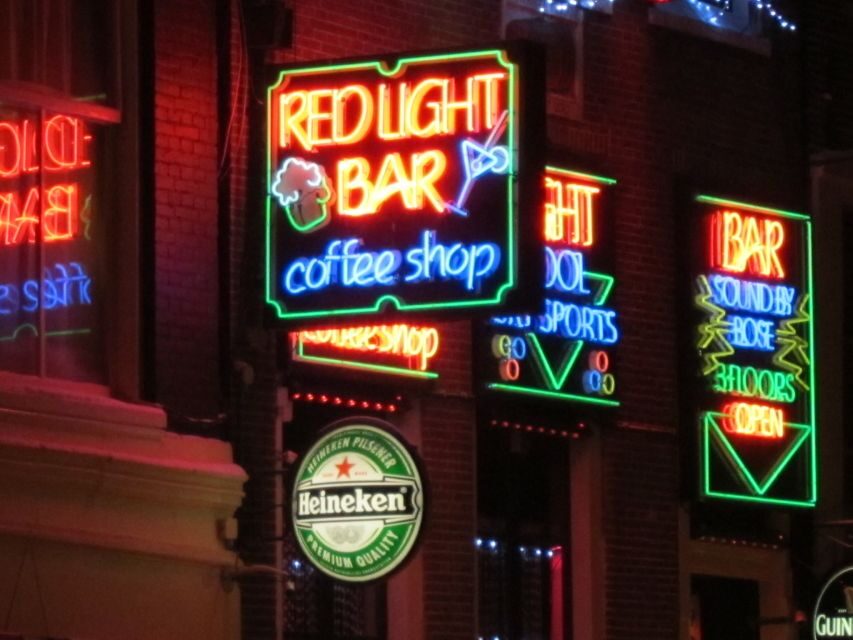
At about $29 per person for a 2-hour guided walking tour, you’re paying for two things that are hard to replace on your own: context and sequencing.
In a neighborhood like this, it’s easy to get lost in the spectacle. A self-guided walk might give you photos and general impressions, but you’ll likely miss the explanations behind the rules and the historical reasons certain features exist. The guide’s job is to keep the walk coherent so you understand what you’re looking at.
You’re also buying time. Two hours is long enough to cover the main landmarks and the key cultural topics, but short enough that you’re not stuck in a slow crawl. That matters in Amsterdam, where you’ll want energy for other neighborhoods the same day.
Is it expensive? It’s not a budget novelty, but it doesn’t try to be one either. If you care about understanding prostitution history, Dutch liberal laws, and coffeeshop culture in the same walking route, $29 feels reasonable for the amount of interpretation you get.
Practical Tips for Comfort in a Sensitive Neighborhood
This district is not designed for everyone’s comfort level. You should go with the right expectations: the guide talks about prostitution and working conditions in the area, and the tour includes coffeeshop culture and legal explanations.
A few practical pointers will help you have a smoother experience:
- Wear shoes that handle lots of walking. The tour is a walking route through tight streets.
- Keep your tone respectful. This neighborhood runs on a mix of rules, routines, and people trying to make a living.
- Don’t treat storefronts like props. The tour helps you understand what they represent, so behave like you’re learning, not collecting souvenirs.
- If you’re easily bothered by adult topics, it’s okay to skip. You’ll still enjoy Amsterdam elsewhere.
I also recommend going with an open, curious mindset. Not an approval mindset, just a learning mindset. When you’re there to understand how Amsterdam manages contradictions, the walk becomes far more interesting than you expected.
Who This Tour Fits Best (and Who It Doesn’t)
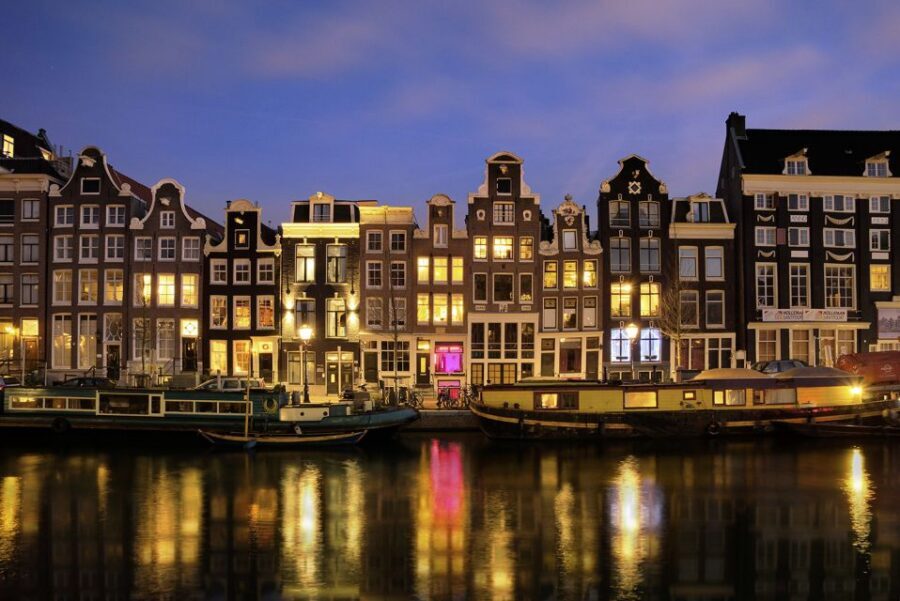
This tour is best for adults who want more than a quick look at the famous streets. If you like history that connects to today’s laws, you’ll appreciate the way the guide frames the Netherlands’ liberal policies and then ties them back to what you see.
It’s also a good fit if you’re genuinely curious about coffeeshop culture and want the reasoning behind the rules, not just the headline-level facts. Seeing key sites like the first coffeeshop and a very famous coffeeshop works well when the guide explains why those places matter.
On the other hand, if you want a purely light, PG sightseeing walk, the content may feel too direct. The tour includes explanations about prostitution and includes a working reality component. You might prefer a different Amsterdam neighborhood tour and save your energy for art, canals, and museums.
Should You Book This Tour?
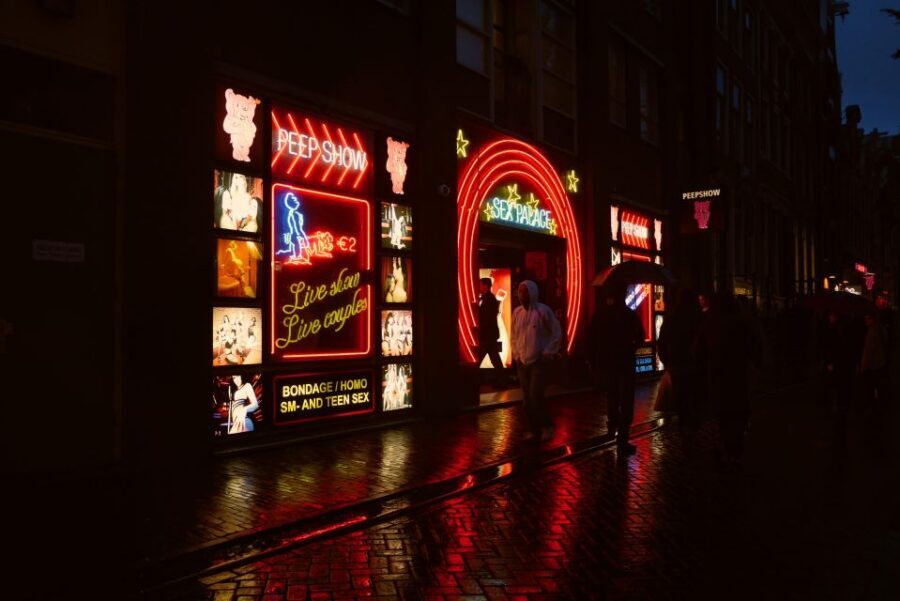
If you want to understand the Red Light District as a real part of Amsterdam—history, rules, and street-level culture—book it. The strongest reason is the guide-led format: you get a local view, clear context, and landmark-to-explanation storytelling, not just a walk through famous signage.
I’d skip it only if you know you dislike adult-topic discussion. Otherwise, this is a focused, 2-hour way to get informed quickly and leave the neighborhood with a smarter mental map. For the price, you’re buying understanding—and that’s the kind of souvenir that lasts longer than a photo.
FAQ
How long is the Amsterdam Red Light District and coffeeshop culture tour?
It lasts 2 hours.
Where does the tour take place?
It takes place in Amsterdam, in North Holland, Netherlands.
What’s the price of the tour?
The price is $29 per person.
What will I see during the tour?
You’ll see the famous red windows, an old church, and other sights such as the narrowest street of Amsterdam, the first coffeeshop, an indoor prostitute street, and smartshops.
Does the tour include coffeeshop culture and laws?
Yes. You’ll learn about coffeeshop culture, including where the name coffeeshop comes from, and you’ll hear explanations about the liberal laws around soft drugs, including consumption and production.
What languages are available for the live guide?
The live tour guide speaks German and English.
Is this tour refundable and can I pay later?
The activity offers free cancellation up to 24 hours in advance for a full refund, and there is an option to reserve now and pay later.