REVIEW · AMSTERDAM
Amsterdam: Life of Anne Frank and World War II Walking Tour
Book on GetYourGuide →Operated by 360 Amsterdam · Bookable on GetYourGuide
Anne Frank’s footsteps are still in the streets. This 2-hour walk through Amsterdam’s Jewish Quarter connects her diary with the real wartime city around it, starting at a synagogue that still holds services today. Expect clear explanations, careful pacing, and guides who can tell a tough story with respect, like Ronald and Jonas—people who know how to keep you listening without talking down to you.
I especially liked two things: first, the stop at the Portuguese Synagogue gives the story a living anchor, not just a backdrop. Second, you get Anne Frank’s life details alongside the bigger WWII picture, including how the Dutch Resistance factored into the era. Guides such as Manuel and Giovanni are praised for making those connections feel human, not like a textbook.
One consideration: this tour is powerful, but it does not include Anne Frank House tickets, so you’ll only see the outside façade. If you want to go inside, plan ahead early—tickets can sell out well before your trip.
In This Review
- Key highlights that make this walk worth it
- A 2-hour Anne Frank walk that actually helps you see the city
- Meeting at the Portuguese Synagogue: history you can still step into
- Tracing the Jewish Cultural Quarter: the streets that shaped the story
- Anne Frank on the ground: writing, family dynamics, and hiding
- Dutch Resistance: why survival depended on more than luck
- Jewish Historical Museum and Auschwitz Monument: where the meaning gets heavy
- Seeing the Anne Frank House façade from the outside
- Price and value: is $37 a fair deal for a 2-hour guide?
- Small group and private options: choosing what fits your trip style
- What to bring (and what to skip) so the walk stays pleasant
- Who should book this Anne Frank walking tour
- Should you book it
- FAQ
- How long is the Anne Frank and WWII walking tour in Amsterdam?
- Is this tour offered as a small group or private tour?
- Where does the tour start?
- Does the tour include entrance to the Anne Frank House?
- What important sites are visited during the walk?
- What languages are available for the live guide?
- What should I bring, and is luggage allowed?
Key highlights that make this walk worth it
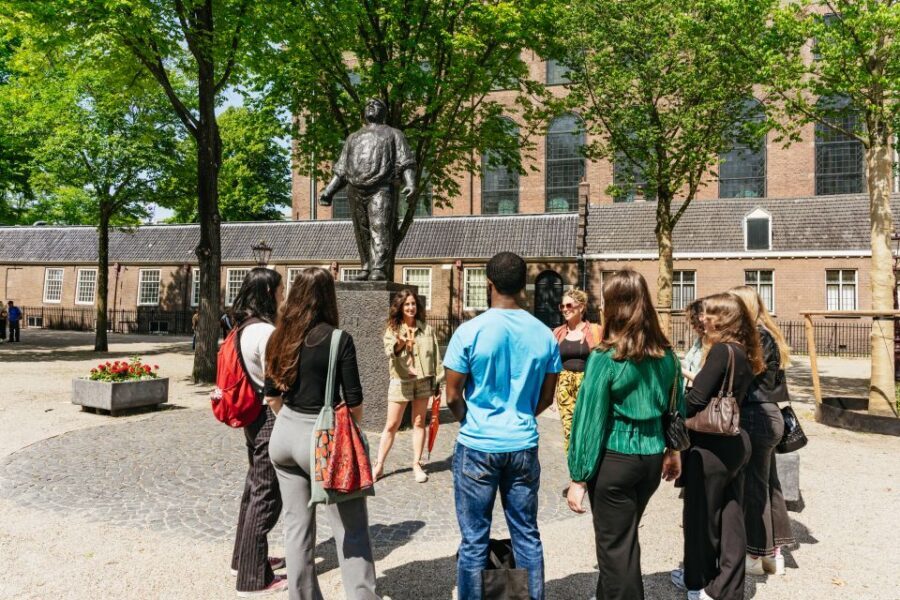
- Portuguese Synagogue start at a still-functioning 17th-century Sephardic synagogue
- Jewish Quarter context: how the neighborhood formed and changed over centuries
- Anne Frank’s diary explained on the street: family life, writing, and hiding conditions during the 1930s and 1940s
- Dutch Resistance stories: how resistance networks shaped survival and risk
- Jewish Historical Museum and Auschwitz Monument stops for WWII remembrance and place-based context
- Outside Anne Frank House only: great if you missed tickets, or as a warm-up before you visit
A 2-hour Anne Frank walk that actually helps you see the city
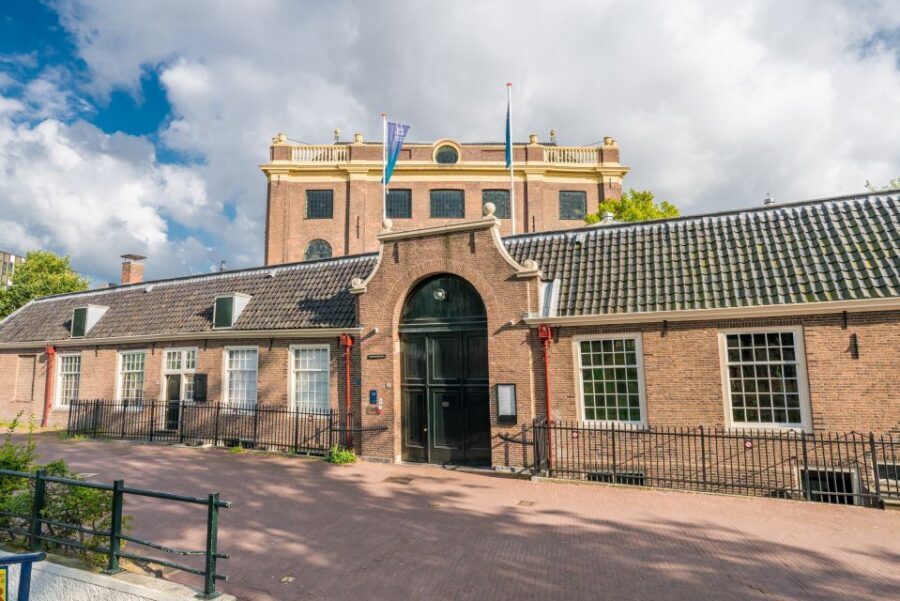
Amsterdam can feel like a lot of canals and shortcuts to the next must-see. This tour slows you down in the right place. You’re not just hearing names and dates—you’re learning how the Jewish Quarter’s streets and landmarks relate to the life of Anne Frank and the wartime pressure that surrounded her family.
What I like best about this format is its focus. In two hours, you get a guided path through major memorial and neighborhood landmarks, with enough context to make the big sites meaningful. Then you’re back near where you started, ready to continue on your own through the rest of Amsterdam.
This is also one of those tours where good guiding matters. Many guides are described as sensitive with the subject. Others are noted for keeping teens and adults engaged with clear, interactive explanations—an important detail if you’re traveling with mixed ages or you simply want the time to move at a good pace.
You can also read our reviews of more walking tours in Amsterdam



Meeting at the Portuguese Synagogue: history you can still step into

The tour begins outside the Portuguese Synagogue, a 17th-century Sephardic building that still functions as a synagogue today. That alone changes the tone. You’re starting in a place tied to Jewish religious life, not a museum copy of something long gone.
Your guide sets the stage before you walk. You’ll hear about:
- the original Jewish community that formed the area
- how the neighborhood developed over time
- why this corner of Amsterdam mattered before the Nazi occupation reshaped everything
Practical note: you’ll want comfortable shoes here. The walk is short, but the streets can be uneven, and you’ll be outside for the full experience.
Tracing the Jewish Cultural Quarter: the streets that shaped the story
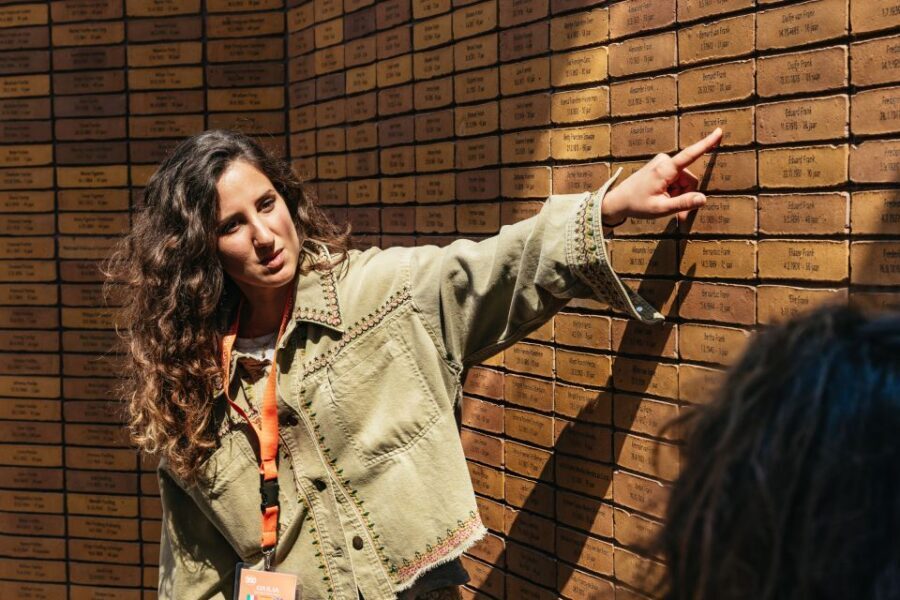
Once you’re moving through the Jewish Cultural Quarter, the goal isn’t to memorize a route. It’s to learn how this part of Amsterdam worked—socially, culturally, and geographically—before and during WWII.
A good walking tour can make the city feel like a map with explanations attached. That’s what this one does. You’ll connect the past to the streets you can actually see now. Even if you’ve read about Anne Frank before, the city context helps you understand why hiding was both possible and dangerous in a dense, real neighborhood.
You’ll also hear about the Dutch Jewish community in the lead-up to occupation, and how persecution unfolded. Guides tend to use anecdotes and clear descriptions to show how everyday life changed when the war tightened around Amsterdam.
If you’re the type who likes to “get your bearings fast” on a first day, this is a strong choice. It gives you a structure for later visits, and it helps the big names and places click.
Anne Frank on the ground: writing, family dynamics, and hiding

The tour’s heart is Anne Frank’s story—explained in the place-based way that makes it more than a biography recap.
You should expect your guide to cover:
- how Anne Frank’s family life worked, including the dynamics around the people in her world
- the move from Germany to the Netherlands
- the time in hiding in occupied Amsterdam
- how her father’s post-war role shaped what became the diary’s legacy
- why Anne Frank loved writing, and how that changed as conditions worsened
The tour also points out how the wartime environment affected daily life in Amsterdam during the 1930s and 1940s. That matters because it prevents the story from becoming only about one building or one day. Instead, you get the pressure building up around a real family.
Guides like Martina and Yoshi are specifically praised for clarity and for pacing that keeps the group engaged. That’s a big deal here, because the content is emotional and dense. You want a guide who can keep it respectful while still making it understandable.
Dutch Resistance: why survival depended on more than luck
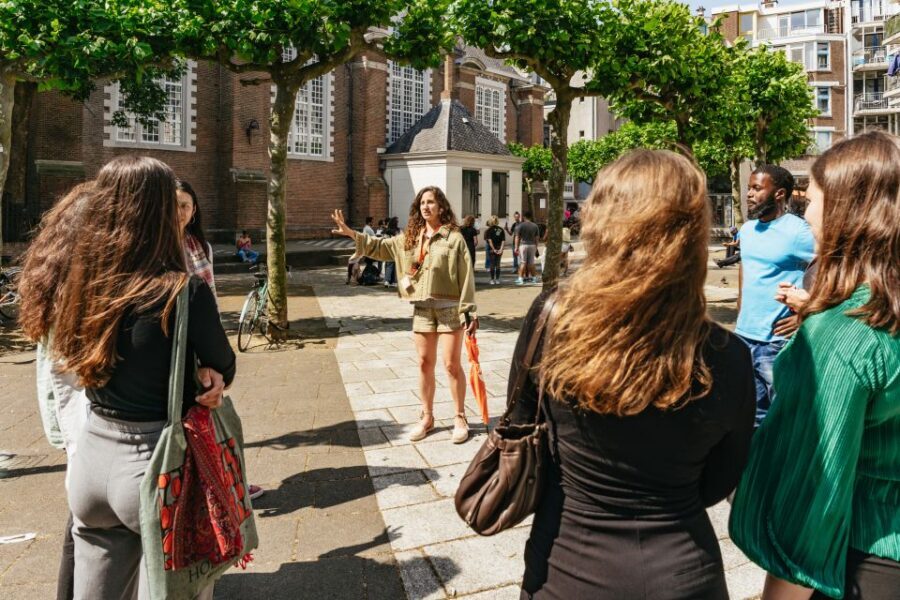
Anne Frank’s story is often told as a singular tragedy. This tour gives you the wider context: resistance and the networks that tried to protect people at enormous risk.
You’ll hear about the Dutch Resistance during the Second World War and how secret hiding places factored into the conflict. The exact details will depend on the guide and the route that day, but the takeaway stays the same: survival was not just a matter of being hidden. It was also about people coordinating under pressure, with serious consequences for those involved.
This part of the tour tends to land best when you’re mentally prepared for complexity. You’ll likely walk past places where the story is connected to wartime secrecy. You don’t get sensationalized shortcuts. You get explanation, and then silence at the moments that deserve it.






Jewish Historical Museum and Auschwitz Monument: where the meaning gets heavy
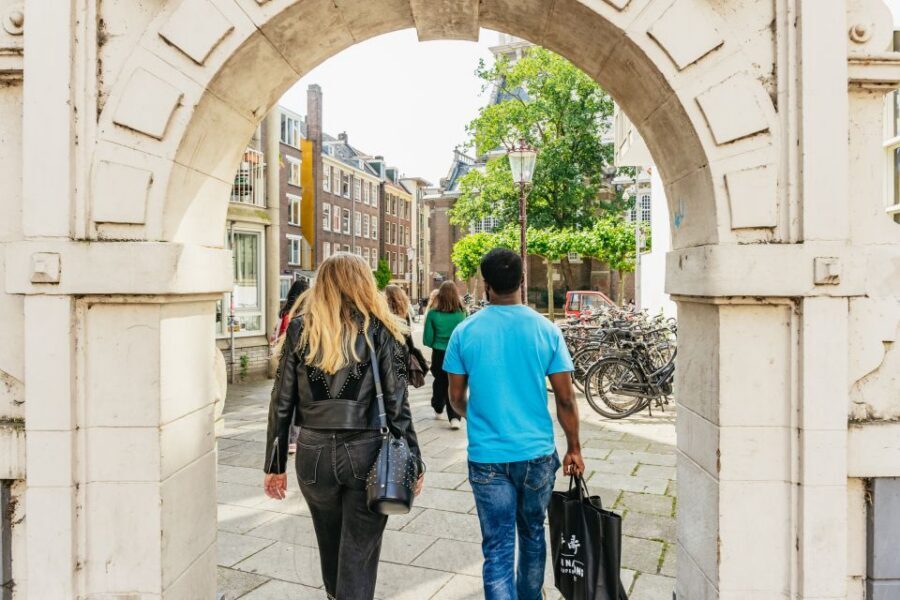
As you continue, the tour includes two memorial-minded stops: the Jewish Historical Museum area and the Auschwitz Monument.
At the Jewish Historical Museum stop, you’ll get a sense of how the Jewish community’s story is documented and remembered. Even though you’re not being told to spend hours inside a building here, the guide’s explanation helps you understand why a museum matters in a city like Amsterdam.
Then you reach the Auschwitz Monument, which is where the tone becomes more reflective. This is the point where many guides are described as making time for the group to process what the site represents. It’s one thing to read about persecution. It’s another to stand in a public place built for remembrance and see how the city chooses to mark the past.
Practical tip: slow down your thinking here. Give yourself a minute to absorb what you’re seeing. If you’re traveling with kids or teenagers, a good guide can help them understand without turning the moment into a lecture.
Seeing the Anne Frank House façade from the outside

Here’s the key expectation: the tour shows you the outside façade of the Anne Frank House, but it does not include entrance.
That works in two scenarios:
- If you cannot get tickets inside, this tour still gives you a meaningful connection to why the house matters.
- If you already plan to visit the house, the walk helps you arrive with context, so the visit feels sharper and less random.
If your goal is to go inside, book early. The tour information specifically notes that Anne Frank House tickets can sell out months in advance. So you can use this walking tour as a history primer, then plan your timed entry for the next step.
A nice bonus: by the time you see the façade, you’ve heard about the family background, the writing, and the hiding conditions. The building stops being an icon and starts becoming a lived setting.
Price and value: is $37 a fair deal for a 2-hour guide?

At about $37 per person for a 2-hour walking tour, this isn’t a bargain tour, and it’s not priced like a quick airport-style city overview. It sits in the middle, where you’re paying for a professional guide and a route built around major WWII sites.
You’re getting value in a few practical ways:
- You cover multiple key landmarks in one compact walk (synagogue start, museum area, memorial stop, and the façade viewpoint).
- You get interpretation, not just sightseeing, especially around Anne Frank’s life and the Dutch wartime context.
- The guide’s language options help too; you can often choose English or another language depending on the booking type.
The biggest “value tradeoff” is the Anne Frank House entrance. If you want inside access, you must pay for tickets separately. If you can’t get those tickets, the tour still makes the façade and the surrounding history feel clear and anchored.
Small group and private options: choosing what fits your trip style
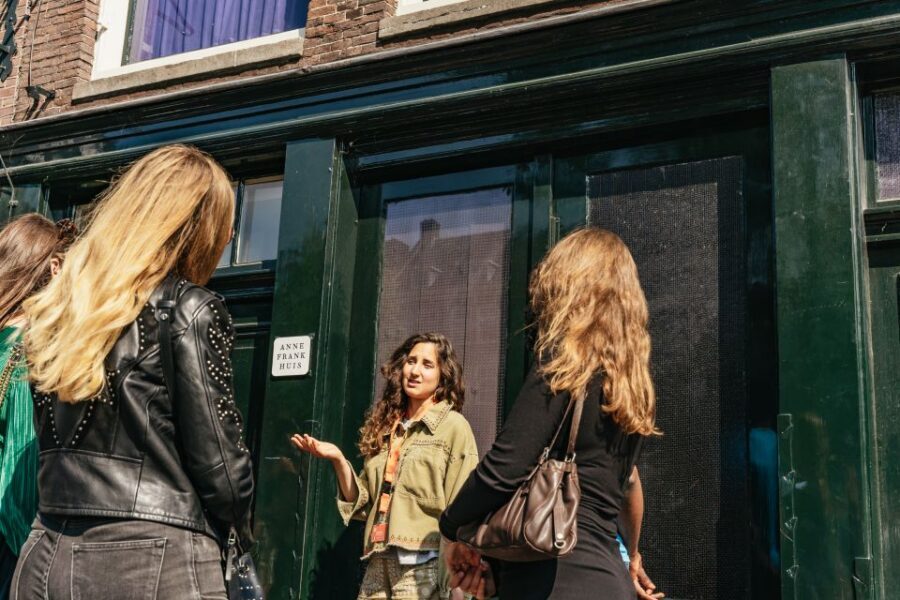
This experience offers small-group and private options. That choice matters more than you might think.
- If you want social energy and don’t mind sharing the guide time, the small-group option can be a good fit.
- If you want quieter pacing, more time for questions, or a specific language need, the private option often suits better.
One practical detail: the information notes that shared group and private options do not always offer the same languages. So if you’re traveling with a language preference, check your booking carefully before you lock it in.
What to bring (and what to skip) so the walk stays pleasant
This tour is straightforward, but you’ll enjoy it more with a few basics:
- Comfortable shoes
- Water
- A charged smartphone
You also should not bring luggage or large bags. That matters because it can slow down the group or make the experience uncomfortable if you’re carrying more than you need.
Who should book this Anne Frank walking tour
This is a strong match if you:
- want a focused Anne Frank and WWII orientation in a short time
- like place-based storytelling—learning why sites matter while you stand near them
- want a guide who can handle sensitive content with care
It’s also a great first-day walk if you want to understand the layout of the Jewish Quarter and the broader WWII context before you branch off on your own.
If you already have Anne Frank House tickets and want a deeper context, do this walk before your timed entry. If you do not have tickets, this tour becomes a valuable Plan B that still connects the story to the city.
Should you book it
I’d book this tour if your priority is understanding the story beyond the obvious postcard stops. You’ll get the why behind Anne Frank’s fame, plus the surrounding wartime context that makes the tragedy make sense in a historical and human way.
Skip it only if you’re mainly paying to visit inside the Anne Frank House. In that case, you’ll still learn a lot from the walk, but you’ll feel the missing entrance.
If you want a respectful, guided, city-based version of Anne Frank and WWII history that fits into a busy Amsterdam schedule, this one is a smart call.
FAQ
How long is the Anne Frank and WWII walking tour in Amsterdam?
The tour lasts about 2 hours. Starting times vary, so it’s best to check availability for the exact times offered.
Is this tour offered as a small group or private tour?
Yes. You can choose either a small-group guided experience or a private guided experience.
Where does the tour start?
The meeting point can vary depending on the option booked, but the tour starts outside the Portuguese Synagogue.
Does the tour include entrance to the Anne Frank House?
No. Entrance to the Anne Frank House is not included. The tour includes seeing the outside façade only.
What important sites are visited during the walk?
You’ll start at the Portuguese Synagogue, see the Jewish Historical Museum, stop at the Auschwitz Monument, and view the outside of the Anne Frank House. Your guide also covers the Jewish Quarter history and Dutch Resistance topics along the way.
What languages are available for the live guide?
The live guide can be in Dutch, German, Portuguese, Italian, English, Spanish, or French. Not every option type always offers every language, so check what’s available for your booking.
What should I bring, and is luggage allowed?
Bring comfortable shoes, water, and a charged smartphone. Luggage or large bags are not allowed.