REVIEW · AMSTERDAM
Amsterdam: Red Light District Tour
Book on GetYourGuide →Operated by Trigger Tours · Bookable on GetYourGuide
Amsterdam’s Red Light District can feel confusing fast, and that’s exactly why a guided walk helps. In two hours, you’ll move through the Old Town with a professional guide, learning the legal and cultural sides of what you’re seeing, not just the visuals.
I love two things most here: first, the guide-led history and how Amsterdam built its rules around this area. Second, the chance to spot the famous red-tinted windows and neon signs while also seeing everyday landmarks like canals, churches, and squares. The vibe is educational, and the pace usually feels comfortable.
One consideration: this walk is not suitable for people with mobility impairments, and it involves busy streets and close foot traffic. If you want a quiet, hands-off sightseeing day, this may not be your style.
In This Review
- Key highlights at a glance
- Amsterdam Red Light District Tour: What you’re really paying for
- Starting on Prins Hendrikkade: quick orientation in the right place
- Dam Square and Condomerie: landmarks that ground the experience
- Leidse Square and the canal belt: why the streets feel so layered
- Chinatown and Oude Kerk: Old Town depth beyond the neon
- Flower Market and Nieuwmarkt: daily life at the edge of the district
- The red-tinted windows and neon signs: what your guide helps you see
- The guide matters most: pacing, respect, and answering tough questions
- What it feels like to walk the narrow streets and alleys
- Price and value: is $33 worth it?
- Who should book this tour (and who should skip it)
- Practical tips for a smoother walk
- Should you book the Amsterdam Red Light District tour?
- FAQ
- How long is the Amsterdam Red Light District walking tour?
- What language options are available for the live guide?
- How much does the tour cost?
- What does the tour include?
- Is food or drinks included?
- Where does the tour start?
- Where does the tour end?
- What are the main sights you will see?
- Is this tour suitable for people with mobility impairments?
- Are there minimum participants and cancellation terms?
Key highlights at a glance
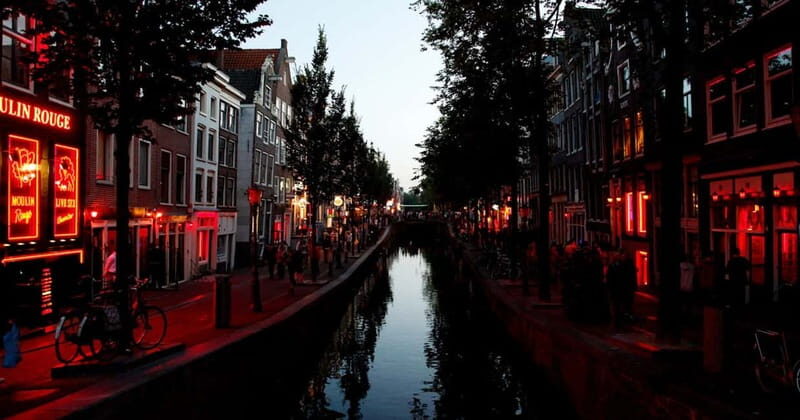
- Red-tinted windows and neon signs with a guide who explains the rules and culture
- History in context, including how the district evolved over time
- Old Town sights on the route: canals, Oude Kerk, Nieuwmarkt Square, and more
- A look at Amsterdam’s early coffee-shop scene, including the first coffeeshop location
- Small group or private options, so you can hear the guide and ask questions
- Strong guide energy, with many guides praised for being fun, respectful, and inclusive
Amsterdam Red Light District Tour: What you’re really paying for
This is a value-minded two-hour walking tour. At about $33 per person, you’re not just buying entry to an area; you’re buying an interpretation service. You get a guide who can point out what you’re looking at, explain why it exists, and help you understand the social and legal angle that turns a sketchy-feeling place into a real neighborhood story.
I also like that this tour stays on the move. You’re not stuck staring at one street corner. Instead, you connect the district to nearby landmarks in the historical Old Town, so the Red Light District doesn’t feel like a random detour—it feels like part of the city’s fabric.
You can also read our reviews of more tours and experiences in Amsterdam.



Starting on Prins Hendrikkade: quick orientation in the right place
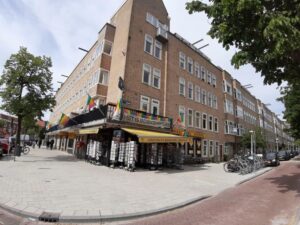
You meet at one of four options, all along Prins Hendrikkade area: Prins Hendrikkade 46, Basiliek van de Heilige Nicolaas, Voyager Hotel Amsterdam, or Prins Hendrikkade 59. That matters more than it sounds. This area is a practical launch point because it’s close to canals, main pedestrian routes, and the paths that funnel you into the district without a lot of guessing.
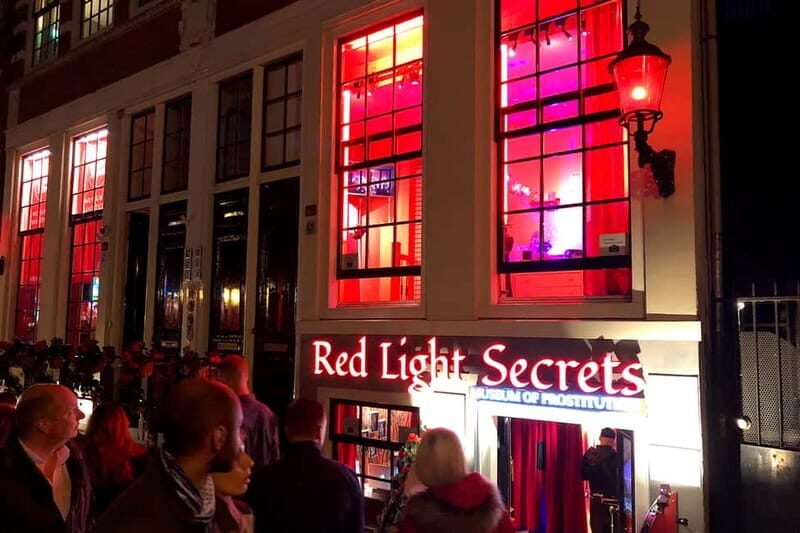
From there, your guide sets the tone. You start by walking through the neighborhood and focusing on the district’s famous red-lit windows and neon signage. This is where a good guide earns their fee: instead of treating the area as shock value, they frame it as a legally recognized trade zone with a long, complicated evolution.
Dam Square and Condomerie: landmarks that ground the experience
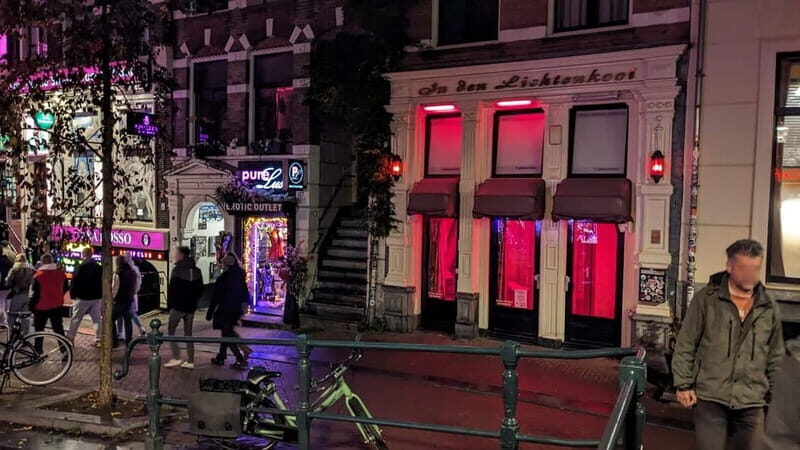
Early on, you’ll spend about 10 minutes at Dam Square. Even if you’ve seen it before, it helps to anchor your Red Light District walk to a major civic center. You get a sense of how close this area is to classic Amsterdam landmarks, which makes the whole neighborhood feel less like a sealed-off world.
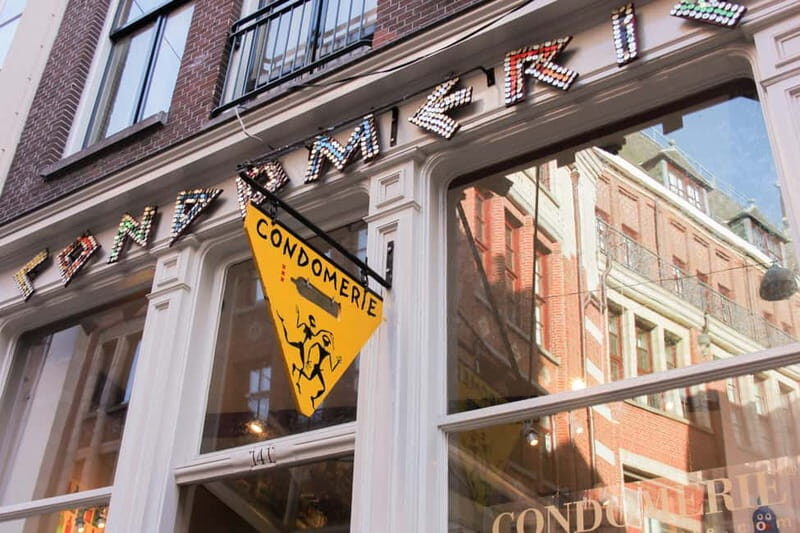
Then you move toward Condomerie, another stop around 10 minutes on the route. It’s a quick, specific break from the broader walking rhythm—useful because it gives your brain a pause point. More importantly, it signals something about Amsterdam’s attitude: this city often treats sexuality openly as part of culture and conversation, not something you only whisper about.
Leidse Square and the canal belt: why the streets feel so layered
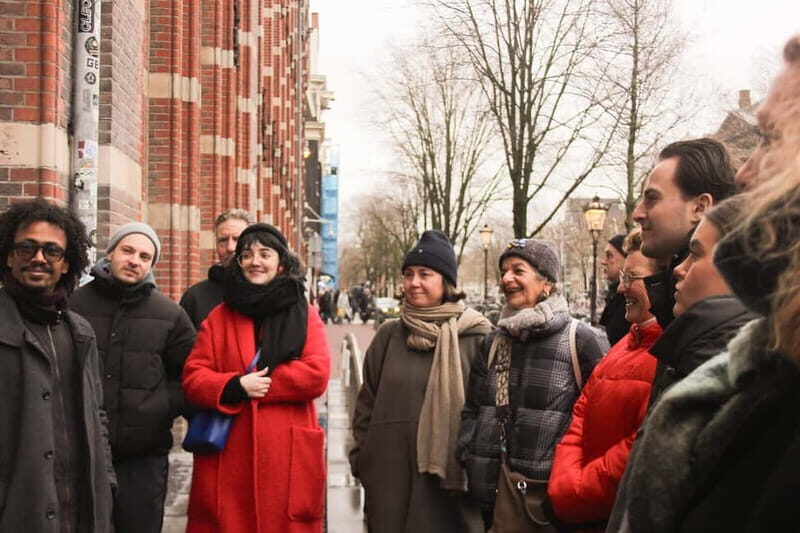
Next up is Leidse Square, again around 10 minutes. This is a good moment to notice the contrast. You can feel the energy of central Amsterdam while still being close to the quieter, narrower streets that define the Red Light District itself.
After that, you head into the canal belt region around Grachtengordel. This part is about structure. Amsterdam’s canals are not just pretty scenery—they’re an easy way to understand how the city grew and how neighborhoods developed. When your guide points out canal-linked streets and historical buildings, the walking route starts to make sense.
And yes, canals show up during the tour in a way that supports the stories. You’re not just looking at water; you’re seeing how old Amsterdam connects to modern life.
Chinatown and Oude Kerk: Old Town depth beyond the neon
One of the smartest choices on this route is Amsterdam Chinatown. It’s about showing you the mix of communities and eras that sit near the district. This matters because it shifts your mental picture from a single-purpose neighborhood to a real patchwork city.
Then you reach Oude Kerk (the Old Church) for another 10 minutes. This stop is especially valuable if you care about age and architecture. Oude Kerk is described on this tour as the oldest building in Amsterdam, so it’s not a random photo stop—it’s a literal reminder of how far back the city’s story goes.
In a two-hour format, squeezing in an anchor like this prevents the Red Light District from becoming the only story you walk away with. It also helps you see how old Amsterdam sits right beside the district’s present-day role.



Flower Market and Nieuwmarkt: daily life at the edge of the district
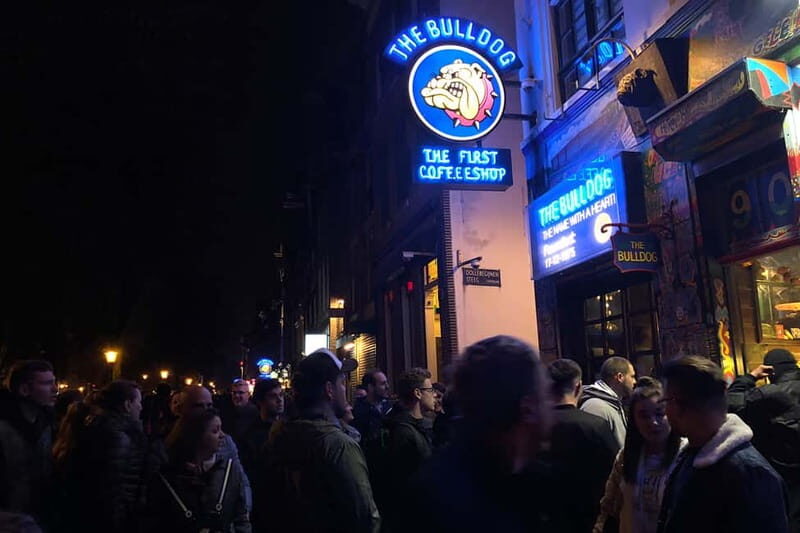
You’ll also pass the Amsterdam Flower Market (about 10 minutes). This stop gives you a quick snapshot of day-to-day Amsterdam commerce. It’s a reminder that the city doesn’t only run on nightlife; it runs on neighborhoods, markets, and routines.
Finally, you’ll get time at Nieuwmarkt Square for another 10 minutes. This is a good finishing pulse point because squares help you regroup mentally. They also give you a sense of where you are in the wider Old Town network, so the route feels navigable afterward.
Even if your brain is still processing what you saw in the district, these stops help you connect the experience to the rest of the city.
The red-tinted windows and neon signs: what your guide helps you see
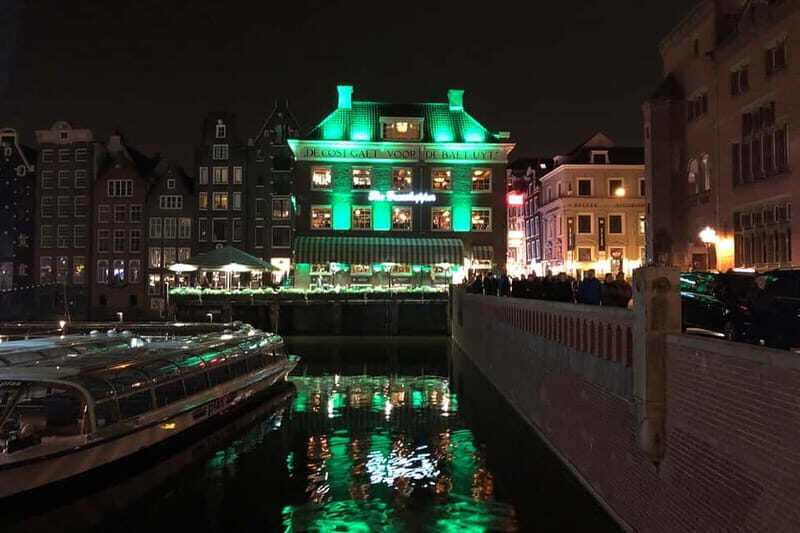
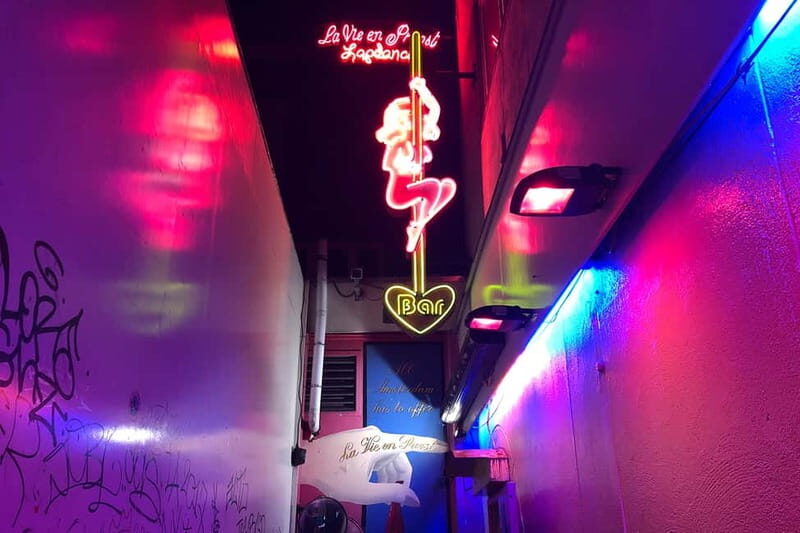
The big visual draw is the famous red-lit windows and neon signs. But the real win is what happens next: your guide explains the legal and cultural aspects of the trade as you walk past it.
That framing changes everything. Instead of wondering what’s allowed or why it looks the way it does, you get language for the policy side and the social side. You also learn the district’s history and how controversy and public debate have shaped the neighborhood over time.
You may also hear stories and anecdotes about how the district works today, including how the daily life of inhabitants connects to the city around it. This is where discretion and respect matter, and it’s why guide selection feels so important here.
The guide matters most: pacing, respect, and answering tough questions
What I see from the most praised guides is a consistent pattern: they keep things informative without turning it into a lecture, and they stay respectful when the topic gets sensitive. Guides like Victor are often described as inclusive with a perfect pace. Others, such as Adam, are praised for covering both past and present, with humor and a friendly group vibe.
You’ll also want a guide who can answer real questions. Names that show up again and again include Joshua, who’s described as fun and very knowledgeable, and Jay, praised for extensive history depth plus extra recommendations after the tour. If you end up with someone like Pilar, you’ll likely get a locally rooted perspective, including personal context about how the district changed over the years.
If you like a relaxed tone, guides such as Robin and Andrea are frequently highlighted for being approachable and easy to engage with. And safety tone matters too. Sanders is described as making solo travelers feel completely comfortable, which is the kind of detail that matters when you’re walking an area that can feel intimidating.
What it feels like to walk the narrow streets and alleys
Part of the experience is simply the street layout. Amsterdam’s Red Light District is built on narrow streets and alleys, and your guide will lead you through those pedestrian channels so you’re not constantly stopping, backtracking, or getting lost.
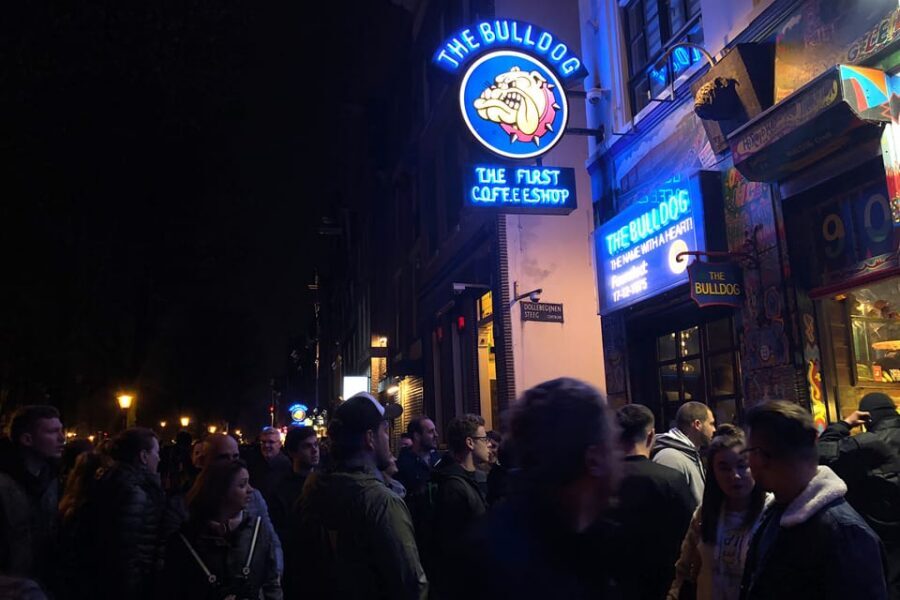
The tour also includes stops that underline the district’s contrast with classic Amsterdam. You may pass the narrowest street in Amsterdam, and you’ll see the district’s canals and old houses as part of the story flow. There’s also a point where you’ll learn about and locate the first coffeeshop of Amsterdam—a major cultural marker for Dutch coffee-shop history.
Those details help you see the district as more than a single theme. It’s a neighborhood where legal trade, nightlife culture, and everyday Amsterdam architecture rub shoulders.
Price and value: is $33 worth it?
At $33 per person for about two hours, the value comes from three places.
First: you’re paying for a professional guide and guided interpretation. In places like this, reading signs and browsing photos online won’t give you the legal/cultural context in real time.
Second: you’re getting more than just one street. The tour folds in nearby Old Town stops—squares, a church, canals, and the flower market—so the time feels full.
Third: small groups and private options mean you can actually ask questions. Many visitors love when the guide sets a pace that doesn’t leave you feeling rushed or stuck behind someone taller.
If you’re short on time but want a structured, respectful overview, this is a fair deal.
Who should book this tour (and who should skip it)
This tour is a great fit if you want:
- A guided walk with history and policy context, not just photos
- To see the district’s key sights while also connecting to nearby Old Town landmarks
- A guide who answers questions and keeps the group moving at a good speed
It’s less of a fit if:
- You have mobility limitations (this walk isn’t suitable for people with mobility impairments)
- You want a quiet museum-style experience
- You’re uncomfortable in busy pedestrian areas and narrow alleys
Practical tips for a smoother walk
You’ll be out walking for two hours, so dress for Amsterdam weather and wear shoes you can handle on uneven sidewalks. Bring a light layer even if the forecast looks friendly; the North Holland breeze can sneak up on you.
Also, since the tour includes sensitive subject matter and close street viewing, go in with a mindset of respectful curiosity. The best experiences tend to happen when you ask questions and let your guide steer the conversation.
And if your guide offers extra recommendations, take them. Names like Jay and Sandro are praised for suggesting things to do after the tour, which is a useful perk when you’re trying to plan the rest of your day in Amsterdam.
Should you book the Amsterdam Red Light District tour?
Yes, if you want a short, structured intro that explains what you’re seeing. The strongest part of this experience is how the guide connects the district’s famous visuals—red-lit windows, neon signs, and that first coffeeshop moment—to the wider story of Amsterdam’s Old Town and its rules.
Skip it only if you need step-free mobility options or you’d rather avoid walking through busy, narrow streets altogether. Otherwise, book it. It’s one of those Amsterdam experiences where a good guide turns discomfort into clarity—and gives you a better map of the city in your head when you’re done.
FAQ
How long is the Amsterdam Red Light District walking tour?
It lasts about 2 hours.
What language options are available for the live guide?
The tour is offered in English, German, Spanish, and Dutch.
How much does the tour cost?
The price is listed as $33 per person.
What does the tour include?
It includes a 2-hour walking tour and a professional guide.
Is food or drinks included?
No, food and drinks are not included.
Where does the tour start?
Your meeting point can vary depending on the option booked, with listed starting locations around Prins Hendrikkade (including Prins Hendrikkade 46 and Prins Hendrikkade 59), Basiliek van de Heilige Nicolaas, and Voyager Hotel Amsterdam.
Where does the tour end?
The activity ends back at the meeting point (with listed drop-off locations matching the starting options).
What are the main sights you will see?
You’ll see the famous red-tinted windows and neon signs, plus stops around Amsterdam’s Old Town area such as Dam Square, Condomerie, Leidse Square, canal-belt areas, Amsterdam Chinatown, Oude Kerk, the Amsterdam Flower Market, and Nieuwmarkt Square.
Is this tour suitable for people with mobility impairments?
No, it is not suitable for people with mobility impairments.
Are there minimum participants and cancellation terms?
The tour requires a minimum amount of participants to run, and there is free cancellation up to 24 hours in advance for a full refund.