REVIEW · AMSTERDAM
Amsterdam Urban Legend Scavenger City Game
Book on Viator →Operated by Urban Legends City Quest · Bookable on Viator
A box under Amsterdam boards changes your walk. This 2.5-hour urban-legend scavenger game turns the Amstel canal area into a puzzle trail tied to mayor Coenraad van Beuningen. You follow clues, solve hands-on challenges, and end right back where you started on Amstel.
Two things I really like: the story-first format and the hands-on puzzle variety. The game uses an old canal-house tale as its engine, and the puzzles come with real physical props (the kind you can actually handle), not just phone tapping.
One drawback to consider: it’s an outdoor city game with moderate walking, so if you want a totally sedentary activity, this may feel like more movement than you planned.
In This Review
- Key Highlights You’ll Actually Care About
- Amsterdam Urban Legends, But With Actual Work to Do
- The Mayor Story: Coenraad van Beuningen and the House with the Bloodstains
- Your Route and Timeline: What 2.5 Hours Feels Like
- Puzzle Stops That Go Beyond Typical Escape Room Tricks
- The Host Experience: Help When You Need It
- What This Adds to Your Amsterdam Day (Besides Fun)
- Price and Value: Is $29.50 Worth It?
- Who Should Book This, and Who Might Skip It
- FAQ
- FAQ
- Where does the game start?
- How long does the Amsterdam Urban Legend scavenger game take?
- How much does it cost?
- Do I need to print anything?
- Is this a private experience?
- Is it accessible for people with moderate mobility?
- What’s the cancellation policy?
- Final Verdict: Should You Book It?
Key Highlights You’ll Actually Care About

- A story connected to a real Amsterdam mayoral figure (Coenraad van Beuningen) and a house nickname people associate with his final days
- Hands-on puzzles that can include things like lock-picking style challenges, chemical-reaction style tasks, and inkblot logic
- City-center sightseeing built into the route, with enough stops to make it feel like an adventure, not a sprint
- A helpful host who can guide you with hints when a puzzle gets stuck
- Good group vibe, and it’s set up as a private experience for your group only
- Mobile ticket convenience, plus a duration that usually lands near 2.5 hours
Amsterdam Urban Legends, But With Actual Work to Do
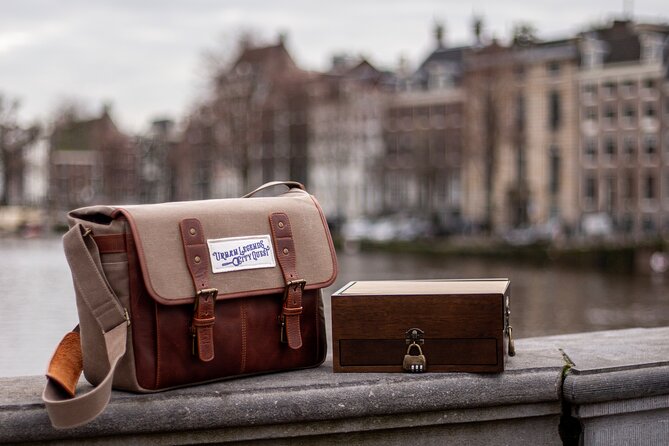
This is not a “walk around and read signs” kind of activity. The Amstel setting matters because the game leans on Amsterdam’s canal-house mood: narrow spaces, old façades, and that constant sense that the city has layers you can’t see from street level. You start on Amstel, get your instructions, then move out through the historic center with a mission and puzzles to solve.
The big appeal for me is the mix of atmosphere and challenge. You’re guided by a narrative about a mysterious chest supposedly left under the floorboards of a 17th-century canal house. That hook gives the whole experience momentum. Without the story, the puzzles would still be fun. With the story, you keep caring.
You’ll also find the pace friendly. Reviews point out that it’s not an all-day hike, and even families found the walking manageable. So if you’re planning a visit that includes museums and canal cruises, this is a nice change of rhythm.
You can also read our reviews of more city tours in Amsterdam



The Mayor Story: Coenraad van Beuningen and the House with the Bloodstains
The game’s premise is simple, and that’s a good thing. A mysterious box has been discovered under the floorboards of a historic canal house along the Amstel river. An accompanying letter connects the discovery to former resident and mayor Coenraad van Beuningen.
Here’s where it turns from spooky to interesting: the building has been called the House with the Bloodstains after the mayor’s enigmatic final days. The game uses that reputation as its backbone, then sprinkles in puzzles that push you to interpret clues rather than just follow a map.
What you’ll likely enjoy most is how the story makes you look at the city differently. Instead of seeing only canals and bicycles, you start spotting details that feel like they belong in a mystery: textures, old materials, and the kind of architectural quirks that seem plausible back in the 1600s. It’s a small mental shift, but it adds up.
Also, the experience is designed to stay close to real urban legend themes, with an extra twist for fun. That balance matters if you like your “mystery” grounded in something that feels connected to Amsterdam’s past rather than pure fantasy.
Your Route and Timeline: What 2.5 Hours Feels Like
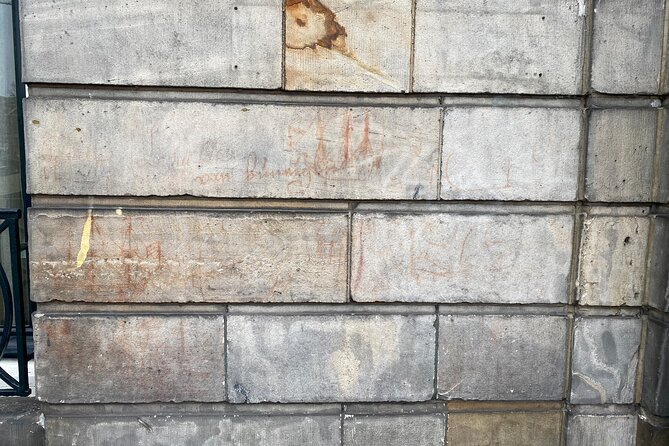
The duration is listed at about 2 hours 30 minutes, and that sounds about right for the format: intro, story setup, multiple puzzle stops, and a final wrap-up. The activity ends back at the meeting point on Amstel, so you don’t need to worry about getting stranded on the far edge of town.
In practice, expect a route that feels like a city game: you’ll move from spot to spot, break up your thinking into puzzle segments, and take quick transitions as the narrative progresses. Because it’s in the open air and in public places, you’re also getting real sightseeing just by doing what the game asks.
A key value here is “time packaging.” You can add this to a normal Amsterdam day without it taking over your whole itinerary. It’s short enough to pair well with a morning canal walk, a lunch stop, or an evening of food and wandering.
Drawback: since you’re solving puzzles outdoors, weather can change the vibe. You can’t control that, but you can plan for it with simple precautions (layers, a rain-ready jacket). One review mentions the fun still worked even in crappy weather, which is a good sign that the game is built for real conditions, not perfect sunshine only.
Puzzle Stops That Go Beyond Typical Escape Room Tricks
This game lives in the sweet spot between escape room and scavenger hunt. Instead of one sealed room and one big finale, you get a chain of challenges spread across the city. That structure helps you feel progress all the way through, and it keeps attention from drifting.
From what you’ll encounter, the puzzles aren’t all the same kind of brainwork. You might do:
- Logic and observation (the kind where you realize what the clue is trying to teach you)
- Physical, hands-on tasks (prop-based challenges like lock-picking style elements)
- Science-flavored challenges (chemical-reaction style puzzles show up in the mix)
- Inkblot-style pattern work (one puzzle called out as challenging until the intention clicks)
The inkblots detail is worth calling out because it shows how the game teaches you how to think, not just what to do. When you finally interpret what the inkblots are asking for, the puzzle stops feeling random and becomes a satisfying solve.
Another thing I’d take seriously: the material quality. Reviews describe the setup as thoughtfully arranged and the puzzles as properly ordered, which usually means fewer moments of confusion about what you’re supposed to touch, where you’re supposed to look, and how the mechanics work. That matters because nothing ruins a puzzle game faster than unclear instructions.
The Host Experience: Help When You Need It
A good puzzle game has one secret weapon: a host who keeps the experience flowing. In this case, the host is described as engaging at the introduction and helpful during the game when you need a nudge.
That doesn’t mean the host takes over. It means they’re there so you can keep moving. If you hit a wall, you can get hints, then get back to solving instead of spending your whole time arguing over a single clue.
That’s especially important in a city game. Outdoors, you can’t always pause forever—there are crowds, time limits, and just general energy. A guiding hand helps the whole route feel like it’s under control.






What This Adds to Your Amsterdam Day (Besides Fun)
If you’re the type of traveler who likes normal sightseeing but gets bored fast, this is a strong middle ground. You get to explore the city center while doing something active. And because the narrative is tied to Amsterdam’s legends and a specific mayoral figure, it feels more grounded than generic spooky themes.
The best part is that the education isn’t delivered like a lecture. The puzzles seem designed to point you toward understanding the story’s clues and themes. One review specifically notes it’s based on true facts. Even if you don’t know the background going in, the game gives you a reason to pay attention.
This is also one of those experiences that’s easier to enjoy with different group types:
- If you like escape rooms, you’ll recognize the puzzle energy
- If you like city walks, you’ll enjoy the route and stopping points
- If you like a bit of mystery, the legend framework gives you a storyline to follow
Price and Value: Is $29.50 Worth It?
At $29.50 per person, you’re paying for a scripted city adventure: staff time, puzzle materials, and an organized route that happens on a timeline (about 2.5 hours). That’s not the cheapest option for Amsterdam, but it’s also not a “pay for a ticket to sit down” cost.
For the value, think about what you get:
- A full half-day replacement in terms of energy (not just a quick activity)
- Real puzzle variety, including physical tasks and pattern/logic challenges
- A private setup for your group only, so you’re not forced into someone else’s pace
- A story that connects to a specific legend and named figure
If you’re already paying for other Amsterdam experiences, this can be a great way to balance your trip. It adds something hands-on without adding much time. If your day is already packed and you want one activity that actively keeps people engaged, this is a solid bet.
Who Should Book This, and Who Might Skip It
I’d especially recommend this if:
- You like escape-room style thinking but want it outdoors
- You enjoy puzzles and don’t mind being slightly challenged
- You want a different angle on Amsterdam than museums and canal cruises
It might not be for you if:
- You dislike walking around in public spaces
- You want a purely relaxing, no-brainpower activity
- Your group hates puzzles and prefers straightforward tours
A nice surprise from reviews: it can work for families too, even with young kids along. That doesn’t guarantee it’s ideal for every situation, but it suggests the game has enough structure to keep people involved without becoming an exhausting marathon.
Also consider team size. Since it’s a private tour/activity for your group only, decide whether you want lots of co-operation. Puzzle games feel best when you can share observations and split tasks. If you’re traveling solo, you can still do it, but you’ll likely want to be comfortable solving while staying engaged.
FAQ
FAQ
Where does the game start?
The start point is on Amstel, Amsterdam, Netherlands, and the activity ends back at the same meeting point.
How long does the Amsterdam Urban Legend scavenger game take?
It runs for about 2 hours 30 minutes (approx.).
How much does it cost?
The price is listed as $29.50 per person.
Do I need to print anything?
You’ll receive a mobile ticket, so you can use it on your phone.
Is this a private experience?
Yes. It’s listed as a private tour/activity, and only your group will participate.
Is it accessible for people with moderate mobility?
It’s described as suitable for travelers with a moderate physical fitness level.
What’s the cancellation policy?
Cancellation is free up to 24 hours in advance for a full refund.
Final Verdict: Should You Book It?
If you want an Amsterdam activity that mixes story, problem-solving, and real city walking, I’d book this. The puzzle variety, the engaging host support, and the fact that the game is based on legend themes tied to a named mayor figure make it feel more meaningful than most generic “scavenger hunt” formats.
Skip it if you’re looking for something slow and effortless. Also, pack for outdoor play, because weather can affect your comfort even if the game itself is built to work in normal conditions. If you show up ready to think and move a bit, this is the kind of experience you’ll remember as a memorable way to see Amsterdam rather than just pass through it.