REVIEW · AMSTERDAM
Amsterdam: Red Light District Walking Tour
Book on GetYourGuide →Operated by Silver Tours · Bookable on GetYourGuide
A maze of canals, alleys, and real-world debate. This Red Light District walking tour uses a local guide to connect what you see—red-lit windows, crooked old buildings, and the changing streets—to the story behind it, including current controversies and why prostitution was legalized in the Netherlands.
I especially like the way the route blends the Red Light District with Amsterdam’s Old Town stops, so it feels less like a spectacle and more like urban history on foot. I also love that the tour stays upbeat and human, with guides such as Ari, Aaron, Robin Van Gemer, and Sander noted for being engaging and informative.
One possible drawback: the subject matter can feel awkward or intense. If you’re uncomfortable seeing sex work portrayed up close—whether through windows, peep-show culture, or sex shops—you may want to think twice.
In This Review
- Key Things I’d Focus On
- Walking the Red Light District Like an Amsterdam Neighborhood
- Starting Point Energy: A 2-Hour Rhythm That Works
- Zeedijk Street: Sailor-Era Streets and Street-Level History
- Amsterdam’s Chinatown Turn: A Neighborhood That Changed
- Nieuwmarkt Square and the Waag: City Gates Turned to Daily Life
- Moving Into the Red Light District Core: Windows, Landmarks, and Meaning
- Cassa Rosso and the District’s Icons
- Peep Shows and Strip Club References
- Why Legalization Matters: The Netherlands, Sex Work, and Plain Explanations
- Hidden Gems Along the Way: Pubs, Sex Shops, and Side Streets
- The Most Praised Part: Guides Who Keep It Clear
- Price and Value: What $33 Buys in Amsterdam
- Who This Tour Suits Best (and Who Should Skip It)
- Should You Book This Red Light District Walking Tour?
- FAQ
- Do I need transportation for this Amsterdam tour?
- How long is the Red Light District walking tour?
- What’s the price per person?
- What languages are offered for the live guide?
- What sights are included on the route?
- What is Cassa Rosso mentioned for?
- Will I learn why sex work was legalized in the Netherlands?
- Is there any food or snack stop?
- Where is the meeting point?
- Is cancellation possible if plans change?
- Is a private group available?
Key Things I’d Focus On
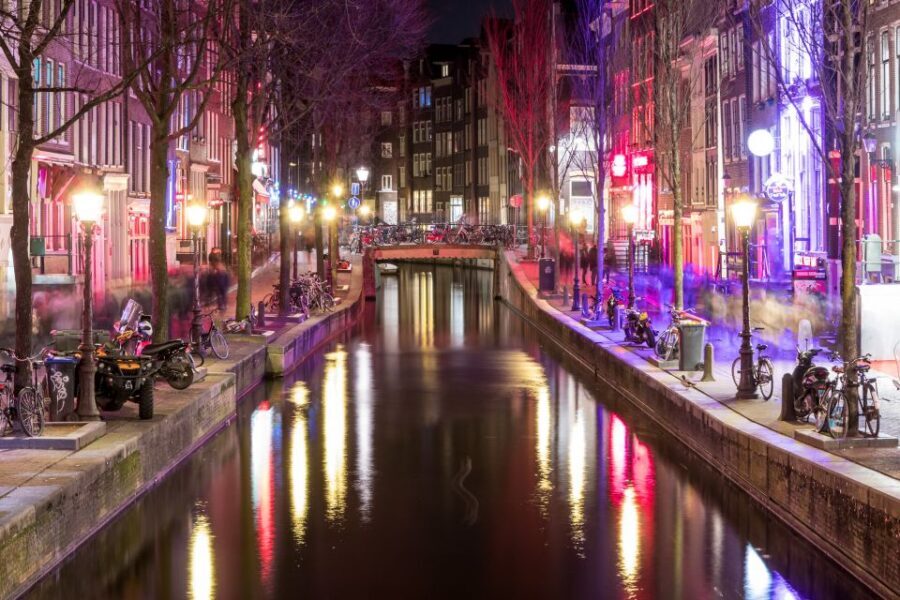
- Red drapes in the windows: famous visuals with context, not just shock value.
- Old town texture: Zeedijk Street, canals, crooked homes, and centuries-old shapes of the city.
- Chinatown to Nieuwmarkt Square: you shift neighborhoods and get a clearer picture of how Amsterdam evolves.
- Waag at Nieuwmarkt Square: a former city gate now used as a restaurant spot.
- Cassa Rosso and the district’s main streets: you learn what the landmarks mean and why they matter.
- Why legalization happened: you’ll hear the practical reason sex work was legalized and how the “coffeeshop” name started.
Walking the Red Light District Like an Amsterdam Neighborhood
Amsterdam’s Red Light District looks like a postcard until you start walking it for real. Up close, the streets are narrow, the buildings lean a little, and the whole area feels like it’s been layered over time—old structures, newer businesses, and constant cultural friction.
What makes this tour worth your time is the way it frames the area. You’re not just pointed at the most famous sights. You’re guided through a mix of everyday streets and specific landmarks, with your guide explaining the past and the present, including the more recent controversies that keep the district in the news.
And yes, you will see the visual centerpiece: the red drapes lining the brothel windows. But the point isn’t to stare. The tour helps you understand how the district became what it is—socially, legally, and commercially.
You can also read our reviews of more walking tours in Amsterdam



Starting Point Energy: A 2-Hour Rhythm That Works
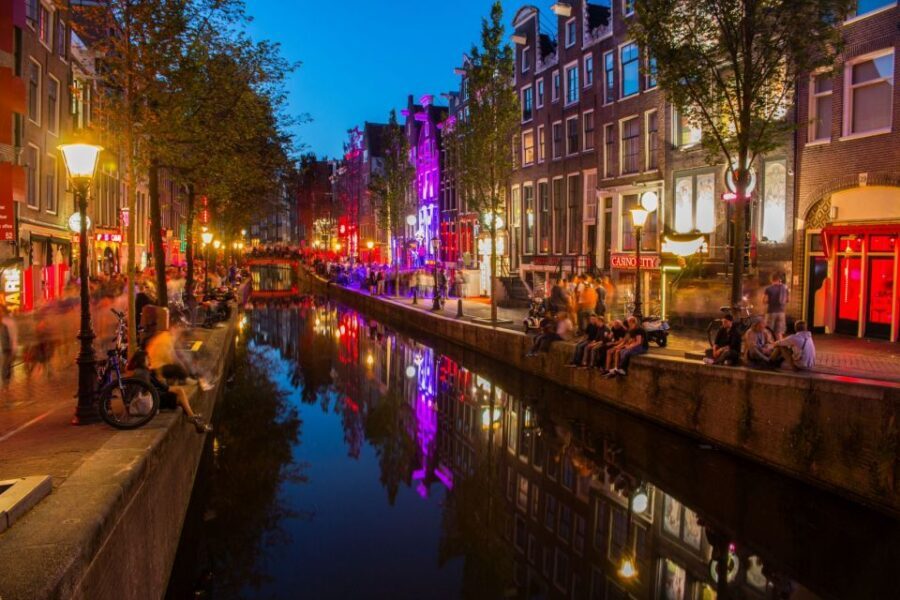
This is a straightforward 2-hour walking tour with a live guide in English (and also German). That time window matters because you get enough distance to feel like you’ve moved through distinct parts of the city, without burning your whole day.
The meeting point can vary depending on which option you book, so build a little buffer into your schedule. Since transportation isn’t included, you’ll want to arrive on time and be ready to walk.
In practice, the best value here comes from showing up with curiosity. If you’re hoping for a quick “look and leave” experience, you’ll probably finish satisfied but not changed. If you want context for what you’re seeing, the full two hours makes sense.
Zeedijk Street: Sailor-Era Streets and Street-Level History
One of the first shifts you’ll feel is the move through Zeedijk Street, described as an old sailor neighborhood. This is where Amsterdam’s identity shows up in the street geometry—tight lanes, water-adjacent building logic, and the sense that the city was built for real foot traffic.
Your guide connects what you see here to how neighborhoods evolve. You’re not just passing storefronts; you’re getting the reasoning behind why this corner of the city developed a certain reputation over time.
If you like seeing cities in layers, you’ll probably enjoy this portion most. You get the feeling of Amsterdam before you reach the district’s most famous blocks, so it doesn’t feel like the tour starts in the middle of a headline.
Amsterdam’s Chinatown Turn: A Neighborhood That Changed
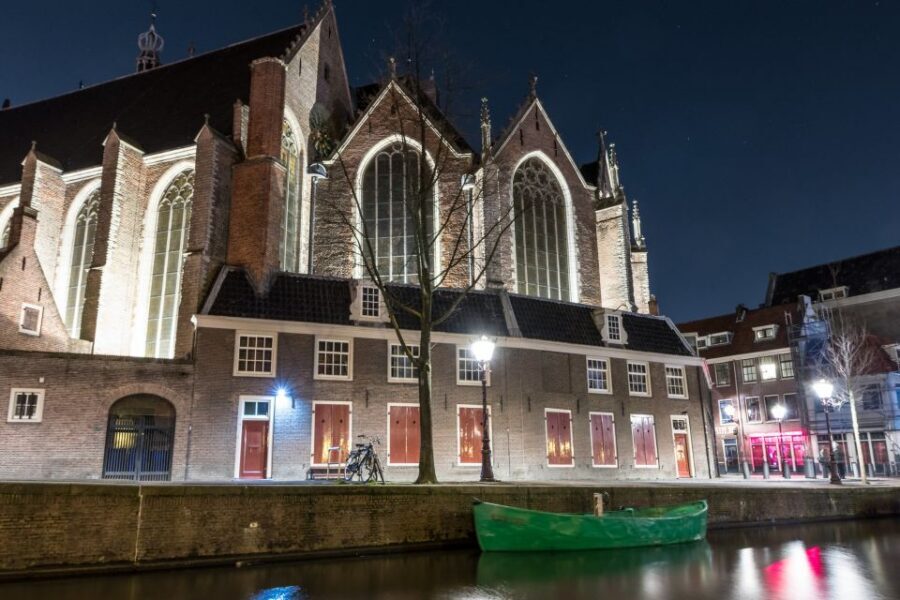
From Zeedijk, the route heads into Amsterdam’s Chinatown. The tour doesn’t treat it like a museum stop. It explains how an area that used to be unsafe transformed into a friendlier environment.
As you walk, you’ll notice Chinese stores and the kinds of small businesses that show up when communities stabilize. If you’ve only ever seen Chinatown as a tourist district somewhere else, you’ll likely appreciate how it fits into Amsterdam’s existing street life.
There’s also a practical upside here: it breaks the emotional tone. The tour still stays focused on the city’s story, but the shift in neighborhood texture makes it easier to keep paying attention rather than getting overwhelmed by the Red Light District’s constant visual cues.
Nieuwmarkt Square and the Waag: City Gates Turned to Daily Life
After Chinatown, you reach Nieuwmarkt Square. This stop centers on the Waag, originally a city gate and part of the wall system around Amsterdam, now operating as a restaurant.
What I like about this is how it teaches you to read a city. You learn that buildings can be reused without losing their identity. A gate built to control movement becomes a place where people sit, eat, and watch the square happen.
You may also have a chance to stop at one of the market stalls for a quick snack if you want. That’s not required, but it’s a nice way to keep energy steady for the final leg of the walk.
If you’re the type who prefers food breaks over long photo sessions, this is a good moment to reset without losing momentum.






Moving Into the Red Light District Core: Windows, Landmarks, and Meaning
Now the tour leans fully into what most people came to see. You’ll walk toward the center of the Red Light District, where prostitution windows, Cassa Rosso, peep-show culture, and bars like Bananenbar are part of the street-level reality.
This is where I think your guide’s tone matters most. A good guide helps you see these places as part of a system—legal, economic, and social—rather than as pure shock or scandal.
Cassa Rosso and the District’s Icons
You’ll hear why spots like Cassa Rosso are significant. The tour also calls out the district’s important streets and lets you place the landmarks in the larger pattern of the area.
I found this “meaning” approach to be the best way to stay comfortable while still learning. You don’t have to treat everything as entertainment, and you don’t have to treat it as taboo. You get the context and decide how much you want to look.
Peep Shows and Strip Club References
The route also references peep shows and strip clubs, which helps explain why the district developed the entertainment ecosystem around sex work. You’re not just learning names—you’re understanding why certain kinds of venues cluster together in a specific urban zone.
This is also the point where you should check your own comfort level. If you’re easily unsettled, you may want to keep your eyes on the guide and the bigger story rather than scanning every doorway.
Why Legalization Matters: The Netherlands, Sex Work, and Plain Explanations
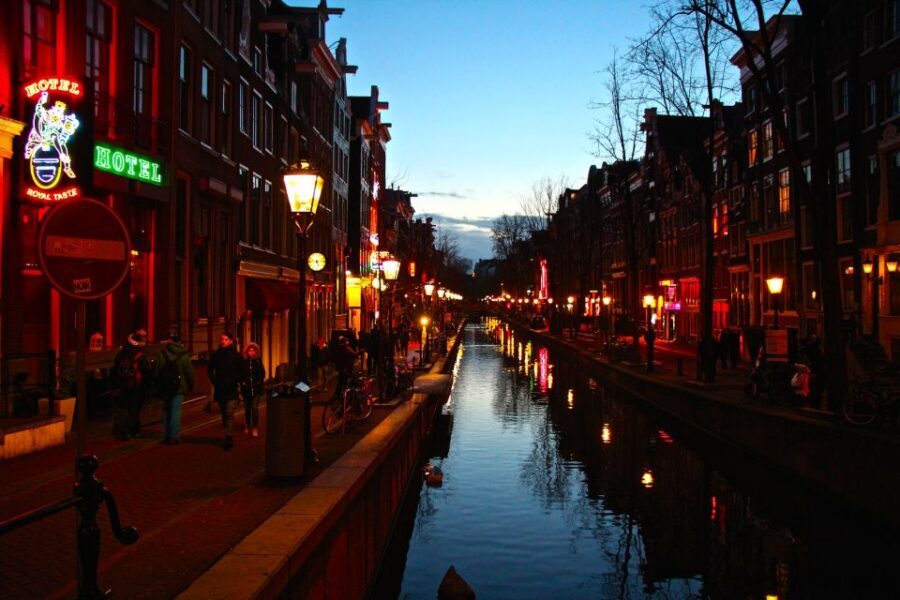
One of the standout themes is how your guide explains why sex work was legalized in the Netherlands. Instead of leaving it as a slogan, the tour frames legalization as a practical policy choice that shaped how the district operates.
You’ll also learn the origin of the name “coffeeshop.” Even if you’ve heard the term before, it helps to connect naming to local history rather than treating it like a random tourist label.
This section can be surprisingly useful if you’re from a country where sex work is handled differently. You’ll likely walk away with a clearer sense of how law changes the street scene—what’s allowed, what’s tolerated, and how businesses operate when regulation is in the background.
And because the guide addresses more recent controversies, you don’t end up with a one-note explanation. You see the policy story and the ongoing debate that follows it.
Hidden Gems Along the Way: Pubs, Sex Shops, and Side Streets
One reason this walking tour feels more grounded than many “big sights” tours is the inclusion of smaller stops: pubs, bars, sex shops, and other recognizable district businesses.
You’ll pass the kind of places you might not find on your own unless someone explained what to notice. Your guide points out details that help you understand the district as a commercial environment, not only a visual one.
I also like that the tour includes the crooked houses and canals in the background view. Those are Amsterdam staples, and seeing them while learning the Red Light District’s story makes the whole thing feel less like a separate universe and more like part of the same city.
There’s still a big caution here: you’re walking through an active area. Keep your street manners tight, respect personal space, and let your guide do the heavy lifting on what to look at and how to interpret it.
The Most Praised Part: Guides Who Keep It Clear
The ratings are high for a reason: the guide experience is consistently praised. You’ll hear names like Ari and Aaron in the feedback, plus Robin Van Gemer and Sander, all described as friendly, upbeat, informative, and good at keeping the tour moving.
That matters because this subject can turn awkward fast if the delivery is flat. A lively guide helps you stay oriented while still giving real information about the district’s past and present.
If you end up with one of these more animated storytellers, you’ll likely feel like you’re walking with someone who knows both the street details and the bigger context.
Price and Value: What $33 Buys in Amsterdam
At $33 per person for about 2 hours, this isn’t a bargain-price tour. But it’s also not a luxury add-on. The value comes from having a local guide who can explain the district’s symbolism, the legalization context, and the landmark meaning—stuff you’d struggle to piece together on your own without missing key points.
Think of it like paying for interpretation. Amsterdam is full of places where the “why” is harder than the “what.” This tour targets that exact gap.
If you’re trying to maximize time in the city and you want a structured route with context, $33 can feel fair. If you only want photos of the famous windows with zero context, you might not get your money’s worth.
Who This Tour Suits Best (and Who Should Skip It)
This tour is a strong fit if you want real Amsterdam context and you’re okay discussing sensitive topics respectfully. It also works well for travelers who like walking, love city history, and appreciate seeing how different neighborhoods connect.
It’s less ideal if you’re looking for a light, family-friendly outing or if you know you’ll feel strongly uncomfortable around prostitution-related visuals and venue references like peep shows and sex shops.
If you’re traveling with friends who might disagree on comfort levels, this is the kind of tour where you should decide as a group beforehand. You’ll get the same facts and landmarks, but emotional reactions can vary a lot.
Should You Book This Red Light District Walking Tour?
I’d book it if you want more than a curiosity stop. The best reason is the combination: Red Light District landmarks plus Old Town structure, with clear explanations from a guide who’s known for being engaging. You’ll come away understanding how the city’s legal and cultural choices helped shape what you see on the street.
I’d skip it if you want something purely pleasant or if sensitive themes will ruin your day. There’s no getting around the district’s purpose, and the tour doesn’t try to sanitize that.
FAQ
Do I need transportation for this Amsterdam tour?
Transportation isn’t included. You’ll need to get to the meeting point on your own.
How long is the Red Light District walking tour?
The duration is 2 hours.
What’s the price per person?
The listed price is $33 per person.
What languages are offered for the live guide?
The live tour guide is available in English and German.
What sights are included on the route?
The tour includes stops around Zeedijk Street, Chinatown, Nieuwmarkt Square (including the Waag), and the center of the Red Light District, with landmarks such as Cassa Rosso and locations like Bananenbar.
What is Cassa Rosso mentioned for?
Cassa Rosso is one of the district’s notable stops, and your guide explains its significance and context as you walk through the main streets.
Will I learn why sex work was legalized in the Netherlands?
Yes. The tour explains why prostitution was legalized and also covers how the name coffeeshop was coined.
Is there any food or snack stop?
There’s an option to stop at one of the market stalls for a quick snack if you want.
Where is the meeting point?
The meeting point may vary depending on the option you book.
Is cancellation possible if plans change?
Free cancellation is offered up to 24 hours in advance for a full refund.
Is a private group available?
Yes, private group options are available.