REVIEW · AMSTERDAM
Amsterdam: Anne Frank and World War II Walking Tour (TOP RATED)
Book on Viator →Operated by Trigger Tours · Bookable on Viator
Anne Frank’s story starts with the streets around her. This is a compact, two-hour walk through the Amsterdam Jewish Quarter, built around what her community lived through and what it endured during WWII. I especially like how the group stays small (up to 15) so the guide can keep things clear and conversational.
Two things I like a lot: the pacing gives you time for photos, and the tour ties together multiple key locations with real context about Anne Frank and her family. One heads-up before you book: this is not a ticket to the Anne Frank House museum, so you’ll want to plan that separately if it’s on your must-do list.
In This Review
- Key things you should know before you go
- Why Amsterdam’s Jewish Quarter matters for understanding Anne Frank
- Portuguese Synagoge: community life before the break
- Auschwitz Monument: when remembrance becomes part of the walk
- Verzetsmuseum area: resistance, not just tragedy
- Hollandsche Schouwburg: deportation camps in the city
- De Plantage and Spinoza Monument: history you can still walk through
- Dam Square, Royal Palace area, and De Schaduwkade: memory in the center
- How the 2-hour walk really feels in your day
- Price and value: why $29.45 can be a smart buy
- Guide style: what makes the best tours work
- Who should book this Anne Frank and WWII walking tour
- Should you book this tour?
- FAQ
- How long is the Anne Frank and World War II walking tour?
- What is the price per person?
- Is the Anne Frank House entrance included?
- Where do I meet for the tour?
- What group size should I expect?
- What language is the tour offered in?
- Are there entrance tickets needed for the listed stops?
- What’s included in the tour price?
- Can I get a full refund if I cancel?
- What happens if the weather is bad?
Key things you should know before you go
- Small-group size (max 15) makes it easier to ask questions and hear details at street level
- A stop-based WWII route connects the Jewish community’s life to resistance and deportation sites
- Portuguese Synagogue starts the story in the Dutch Golden Age, when the Sephardic community was influential
- Upgrade option for a private tour if you want a more tailored experience
- Good photo timing because it’s designed as an atmosphere-building walking tour
- Anne Frank House is not included, even though Anne Frank is in the title
Why Amsterdam’s Jewish Quarter matters for understanding Anne Frank
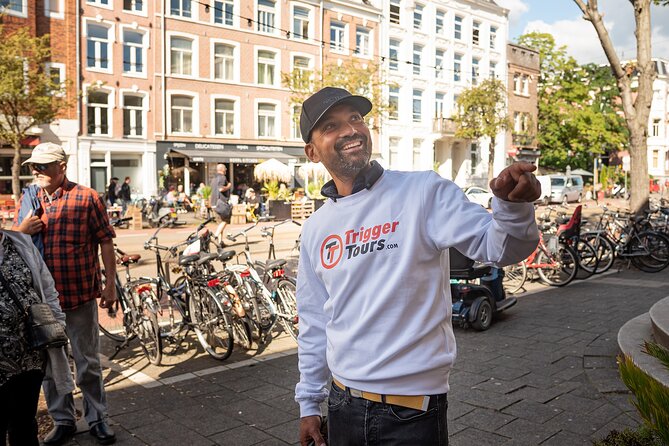
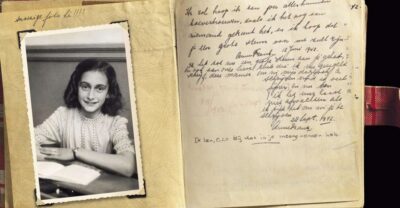
If you’ve only read Anne Frank’s diary, it can be hard to picture the world around her. This walking tour does something helpful: it anchors the diary-era story in the streets, landmarks, and historical moments tied to Amsterdam’s Jewish community.
You’ll also get more than one angle on WWII. Instead of treating WWII as one big event, the walk frames it as a sequence: community life first, then persecution, resistance, deportation, and the way memory is kept in today’s city.
You can also read our reviews of more walking tours in Amsterdam



Portuguese Synagoge: community life before the break
The tour starts at Amstel 51C, near the action, and then you move to the Portuguese Synagogue. This stop sets the tone because it’s not just a memorial site. It’s an active place of worship, and it reflects the status of the Sephardic Jewish community in Amsterdam during the Dutch Golden Age.
As you look at the building and hear what made that community large and prosperous in Europe at the time, the rest of the story lands harder. It’s easier to understand what was lost later when you first see what life looked like when it was stable.
Practical note: this part is short, and the best payoff comes if you pay attention to how the guide explains the community’s role in the city.
Auschwitz Monument: when remembrance becomes part of the walk
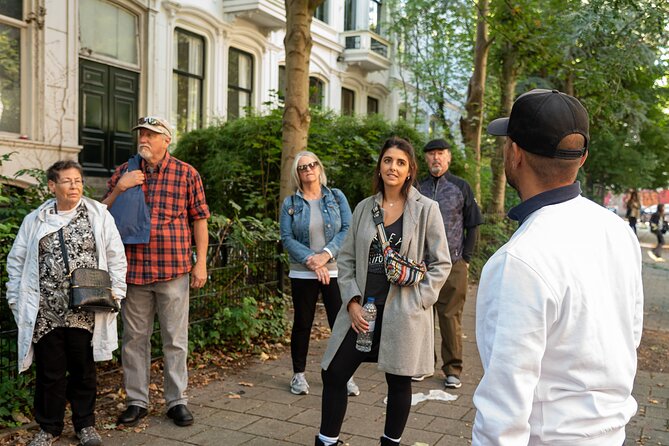
One stop later you reach the Auschwitz Monument, a place focused on Jewish deportation. This is the kind of location where you’ll feel the weight quickly—because the point isn’t architecture or scenery. The point is remembrance and understanding what deportation meant for people who lived normal lives right up until everything collapsed.
A good guide will help you connect the dots: Amsterdam’s Jewish community didn’t disappear overnight. It was targeted, separated, and sent away. That context makes the rest of the route feel like one continuous story rather than random sites.
If you’re sensitive to solemn topics, plan for it. This is a walking tour that doesn’t dodge the hard parts.
Verzetsmuseum area: resistance, not just tragedy

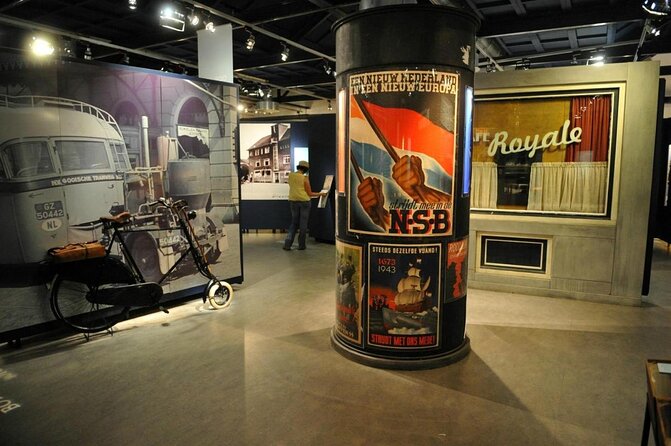
After the deportation focus at the Auschwitz Monument, the route shifts to Jewish resistance at the Verzetsmuseum Amsterdam stop. The way this segment is handled matters. When you hear about resistance, it changes the emotional math. It’s no longer only about loss; it’s also about agency—how people fought back, protected one another, or tried to keep hope alive.
Even though the stop time is brief, the takeaway can be strong: WWII history isn’t only the violence that happened. It also includes the choices people made under crushing pressure.
Photo tip: treat photos here differently than in a happy neighborhood. Look, take a careful shot if it feels right, and keep moving so you don’t lose your train of thought.
Hollandsche Schouwburg: deportation camps in the city
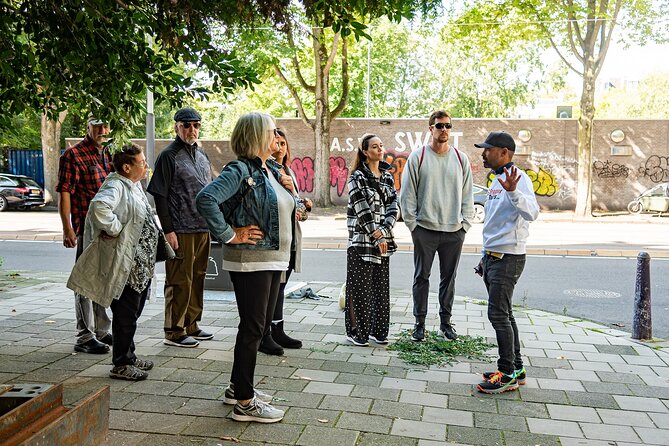
Next comes Hollandsche Schouwburg, described on the tour as a place connected to deportation camps. This stop is another turning point. By now, you’ve built context about the community and the deportations—and you’re now seeing how the city itself was part of the machinery.
This is one of those locations where a guide’s job is difficult but important. You need clear explanation so you don’t leave with a vague sense of sadness. You want a picture of how Amsterdam’s streets and institutions fit into the deportation process.
If you like history that feels specific, this is a great segment to stay sharp for.






De Plantage and Spinoza Monument: history you can still walk through
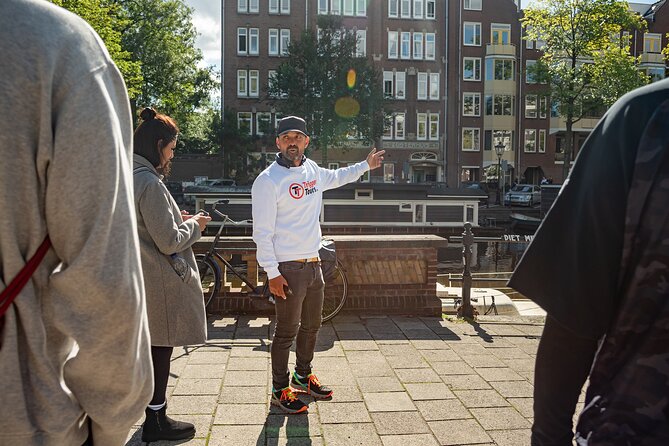
After the darker WWII stops, you move into De Plantage and then toward the Spinoza Monument. This part is valuable because it reminds you that the Jewish Quarter wasn’t only a WWII chapter. It’s also a neighborhood with its own character and history.
De Plantage gets framed as both a beautiful area and a historically significant one. Hearing that while standing there helps you understand the layers: the places you walk past today have stories underneath, and WWII didn’t erase the city’s older identity.
The Spinoza Monument adds another dimension. It turns you from wartime tragedy toward intellectual and cultural history—helping you see that Jewish life in Amsterdam included more than what happened in the 1940s.
If you’re worried about the tour being too heavy, this section helps balance it without pretending the past is pleasant.
Dam Square, Royal Palace area, and De Schaduwkade: memory in the center
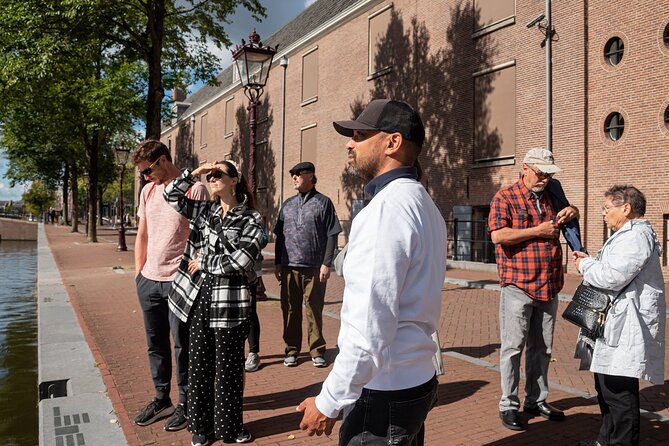
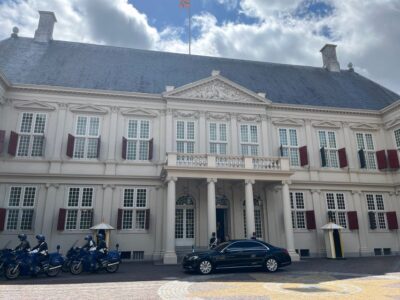
The walking tour finishes with a march toward Dam Square and the Royal Palace area, plus the De Schaduwkade monument. Dam Square is famous and busy, but in this context it’s not the usual tourist stop.
Here, the route treats the city center as part of the story of remembrance. You’re not just seeing monuments and landmarks; you’re seeing how Amsterdam marks history in a place you might otherwise experience as purely sightseeing.
This is also a good time to check your bearings. Once you’ve learned the Jewish Quarter story, you’ll start noticing how history and geography connect all around you—what you thought were separate districts suddenly feel linked.
How the 2-hour walk really feels in your day
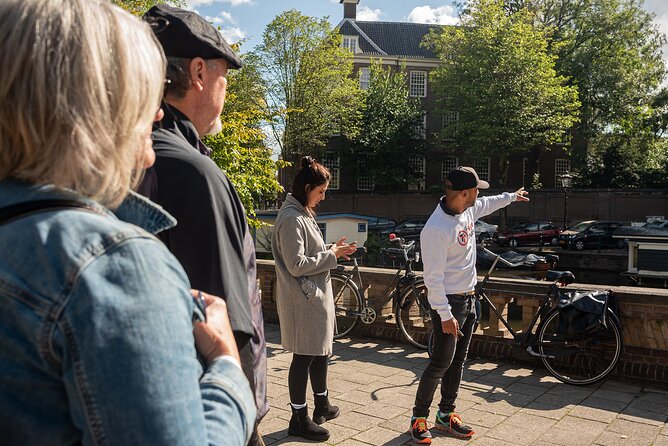
This tour runs about two hours and is designed as a true walking experience. The stop times are short (often around ten minutes each), but the time adds up because you’re moving between sites and listening while you walk.
The route can be a long one if you have kids with limited endurance. One practical thing: if you’re traveling with younger travelers, bring breaks into your plan. Save energy where you can.
On the plus side, it’s timed in a way that doesn’t feel like a rushed sprint. Many people love this length because it fits into a half-day plan. It also pairs nicely with other classic Amsterdam sights later—once you understand what you just walked through.
Price and value: why $29.45 can be a smart buy
At $29.45 per person for roughly two hours, the big question is what you’re paying for. You’re not paying for entry tickets—you’re paying for a guide who connects the dots between multiple WWII and Jewish Quarter landmarks.
That “connections” part is the value. You could read a history book or use an audio guide, but a real guide can explain what matters most while you’re standing in the exact location where history played out. It turns the city into a timeline.
The tour also caps group size at 15, and that usually improves the experience: you can hear answers and you’re less likely to get lost in a crowd. If you opt for the private upgrade, you’re paying for more direct pacing to your interests, which can be worth it if you want deeper questions.
Small but important expectation: Anne Frank House entrance is not included. If Anne Frank House is a centerpiece for your trip, treat this tour as the context-builder before you go.
Guide style: what makes the best tours work
The guides you’ll meet matter. In the experiences people shared, names like Aaron, James, Keese, Masha, Peter, and Stan came up with strong praise. What they seemed to have in common was energy, pacing that keeps everyone engaged, and the ability to answer questions beyond the basic route.
If you want the most from your walk, come with one or two questions in mind. For example:
- What was daily life like for Amsterdam’s Jewish community before the persecution escalated?
- How did resistance look in practice?
- What does memory look like today in the locations you see?
Also, take the tour’s title seriously—but not literally. Some people expected Anne Frank House entry based on the wording, and it’s not part of the tour. So plan Anne Frank House separately if that’s your priority.
Who should book this Anne Frank and WWII walking tour
This tour is a strong pick if you:
- want a guided timeline across several key WWII sites in a single outing
- like walking history where the city geography helps you understand cause and effect
- want Anne Frank context without feeling trapped in a museum queue for every stop
- prefer small groups and conversation over a large bus tour
It may be less ideal if you:
- expect Anne Frank House tickets included
- need a very short, minimal-walking activity
- are traveling at a time when you can’t handle solemn subject matter
Should you book this tour?
Yes, if you want the quick, high-impact way to understand Amsterdam’s Jewish Quarter through WWII—and you’re willing to treat it as context, not as Anne Frank House entry. The price-to-time ratio is reasonable for what you get: a focused route, a local guide, and a story that connects multiple landmarks into one sequence.
If Anne Frank House is your top priority, book this tour to set the stage, then handle Anne Frank House separately. Do that, and the whole trip makes more sense as one story instead of two disconnected parts.
FAQ
How long is the Anne Frank and World War II walking tour?
It’s about 2 hours.
What is the price per person?
The price is $29.45 per person.
Is the Anne Frank House entrance included?
No. Entrance ticket to Anne Frank House is not included.
Where do I meet for the tour?
The meeting point is Amstel 51C, 1018 EJ Amsterdam, Netherlands.
What group size should I expect?
The tour has a maximum of 15 travelers.
What language is the tour offered in?
The tour is offered in English.
Are there entrance tickets needed for the listed stops?
The stops listed for the tour are marked as free admission tickets in the schedule you’ll receive.
What’s included in the tour price?
A local guide is included.
Can I get a full refund if I cancel?
Yes. You can cancel up to 24 hours in advance for a full refund.
What happens if the weather is bad?
This experience requires good weather. If it’s canceled due to poor weather, you’ll be offered a different date or a full refund.