REVIEW · AMSTERDAM
CULTURE Cultural city tour
Book on Viator →Operated by Herzblut - Amsterdam Stadtführungen mit Herz & Seele! · Bookable on Viator
This tour is all about the city behind the postcards. You get a loving, story-driven walk through Amsterdam’s historic center, with cheerful anecdotes that connect buildings, religion, monarchy, and everyday canal life.
I especially like how the guide ties landmarks to what made them matter, not just what they look like. I also like that it’s a small group (max 8), so the tour stays personal and you can actually follow the story.
One possible drawback: if you’re hunting for constant big “wow” moments, this tour leans more into explanation and atmosphere than rapid-fire sightseeing.
In This Review
- Key things to know before you go
- Walking From Beursplein: a tight route with a calm rhythm
- Dam Square: power, monarchy, and the city’s origin stories
- Magna Plaza (15 minutes): a quick architecture win
- Torensluis and the canal-life theme on the water
- The Jordaan (20 minutes): atmosphere you can feel
- Westerkerk and the carillon: religion with a sound track
- The tour’s big themes: canals, religion, and monarchy you’ll remember
- Canals: not scenery, but a system
- Religion: the social role behind the buildings
- Monarchy and civic power
- Price and value for $30.86: what you’re really paying for
- Who should book this cultural city tour
- Practical tips to get the most out of 2.5 hours
- Should you book Herzblut’s Amsterdam Cultural City Tour?
- FAQ
- How long is the cultural city tour?
- Where does the tour start and end?
- What’s the group size for this tour?
- What’s included in the price?
- Is admission included at every stop?
- Do I receive a mobile ticket?
- Can I get a refund if I cancel?
Key things to know before you go
- Small group size (max 8) keeps the pace readable and the guide’s stories easy to hear.
- 2.5-hour timing fits a first visit without eating your whole day.
- Multiple entry stops included (but not Dam Square), so you can plan fewer on-the-spot purchases.
- Canals + religion + monarchy themes give the city structure instead of random facts.
- Westerkerk includes carillon context, so sound and symbolism aren’t an afterthought.
- Mobile ticket makes last-minute logistics simple.
Walking From Beursplein: a tight route with a calm rhythm
The tour starts at Beursplein, 1012 Amsterdam and ends back there. That round-trip setup is more than convenience. It means you can finish with easy metro or tram connections, and you don’t have to stress about where you’ll end up after 2.5 hours of walking.
The route is designed around the city center’s most “you-need-this” areas: the big civic squares, the canal-and-water story, and a neighborhood stop where you can feel daily life. With a maximum of 8 travelers, the guide can keep the group together and adjust pacing if someone needs a slower moment.
Also, you’ll get a professional guide throughout, not just a quick meet-and-split. The tone is explicitly warm and upbeat, with lots of anecdotes about Amsterdam then and now—useful when the city feels layered and confusing at first glance.
You can also read our reviews of more city tours in Amsterdam
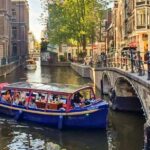
Dam Square: power, monarchy, and the city’s origin stories
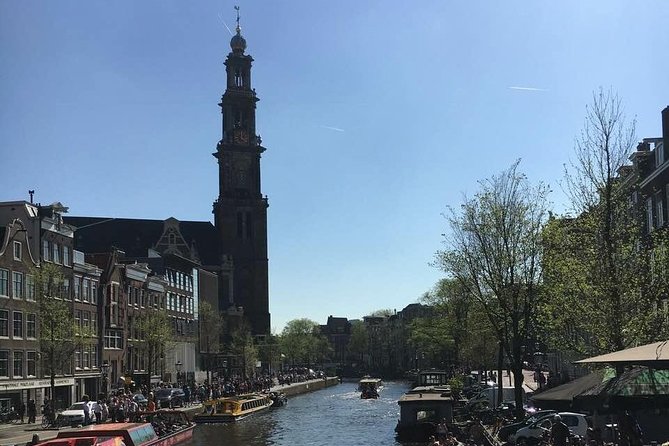
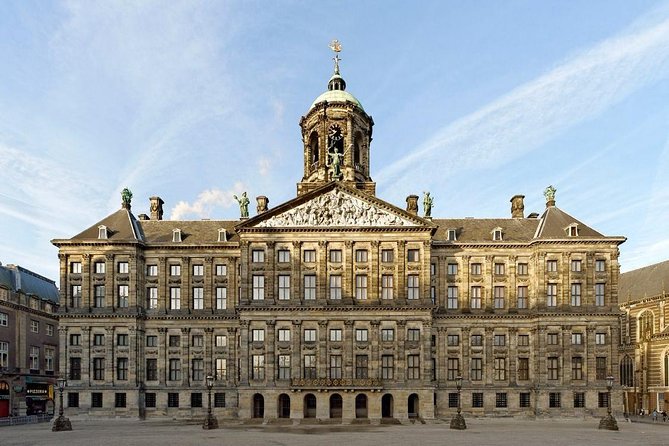
Your longest stop is Dam Square at about 45 minutes. This is where Amsterdam’s “big picture” clicks into place. You’ll focus on the historically relevant buildings around the square and get context for the city’s origins, its monarchy, and how life in Amsterdam worked back then and how it works now.
Why this stop matters: Dam Square is often treated like a quick photo stop. On this tour, it’s treated like a civic stage. The surrounding buildings aren’t just architecture. They’re part of the story of who held power, how the city organized itself, and why certain public spaces became central to identity.
A practical tip: Dam Square can feel crowded depending on the time of day. If you’re sensitive to noise or want space for photos, plan to step aside when the group pauses for the guide’s explanation. You’ll enjoy it more if you can actually listen.
Admission note: Dam Square does not include an admission ticket. For most people, that’s normal. Just don’t expect “included entry” here.
Magna Plaza (15 minutes): a quick architecture win
Next up is Magna Plaza for about 15 minutes, where you’ll see an example of Amsterdam’s architecture and hear the related stories tied to it. This is a short stop, so think of it as a gear shift: you move from the civic square into a more modern-feeling setting where style, planning, and city life intersect.
What I like about a stop like this is that it helps you notice the city’s variety. Amsterdam isn’t only canals and old stone. It also adapts, rebuilds, and repurposes. A quick architecture stop can make the rest of the walk make more sense because you’ll start spotting how different eras talk to each other.
This stop includes an admission ticket. So if you prefer not to calculate entry fees on the fly, it’s a relief.
Torensluis and the canal-life theme on the water
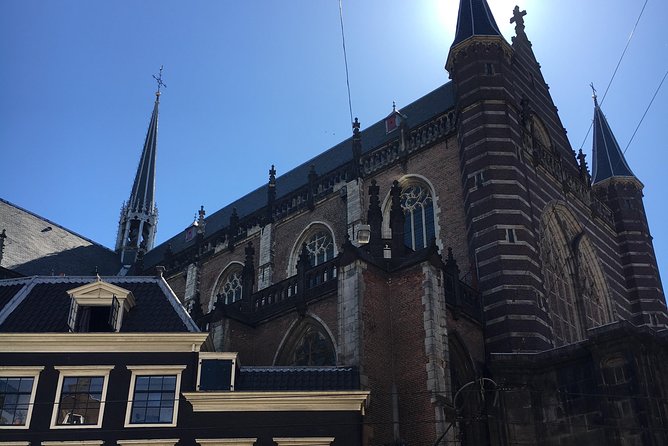
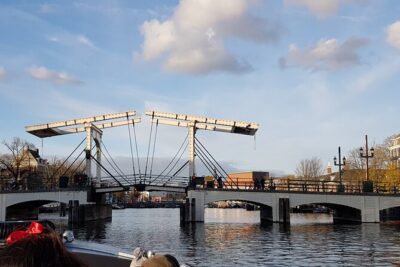
Then you head to Torensluis for about 30 minutes—and this is one of the most “Amsterdam” parts of the tour. Here you’ll learn about life on and around the canals, and how Amsterdam’s architecture and urban development shaped daily routines. You also get context about Holland’s colonial rule and historical figures tied to the city’s wider connections.
Why Torensluis works: Amsterdam’s canal system isn’t just decoration. It’s infrastructure, trade logic, and a social system. When the guide explains how the city grew around water, the canals stop being background and start being the reason the city looks the way it does.
This stop also includes an admission ticket. That means you’ll likely get more than street-level viewing. It’s worth using your eyes and your listening time here because this is where the tour’s themes—water, power, growth—become practical, not abstract.
The Jordaan (20 minutes): atmosphere you can feel
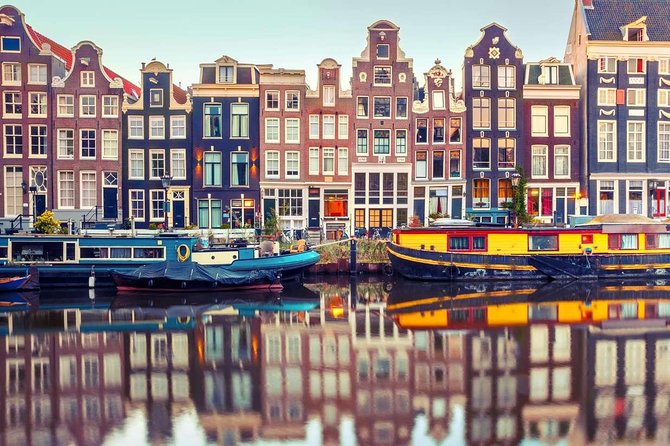
The Jordaan is next for about 20 minutes. This part is less about a single “object” and more about getting the vibe. You’re meant to enjoy impressions, soak up the feeling of neighborhood life, and notice those details people often skip.
What I think makes a neighborhood stop valuable on a guided tour: it prevents the walk from turning into a museum circuit. Even a short time in the Jordaan helps you remember that Amsterdam is still lived-in. You’re not only studying the past. You’re seeing where that past shaped what people do today.
Admission ticket note: The Jordaan stop includes an admission ticket in the tour structure you’re booking. Since the entry specifics aren’t listed here, just know you’re paying your attention to more than just the street view.
Practical move: if you spot a quiet corner to pause for 30 seconds without blocking others, do it. The guide’s stories will land better when you can look around while listening.





Westerkerk and the carillon: religion with a sound track
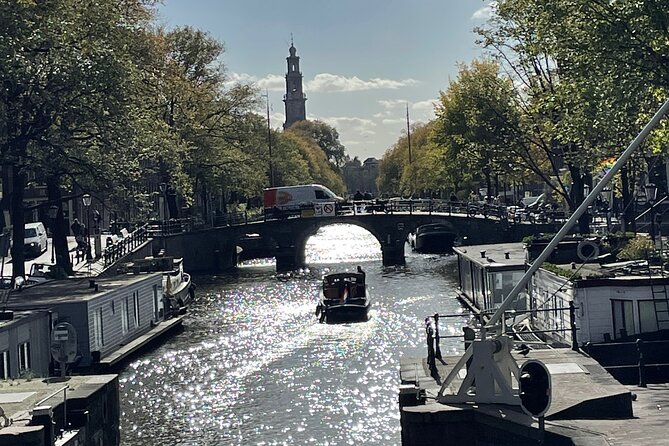
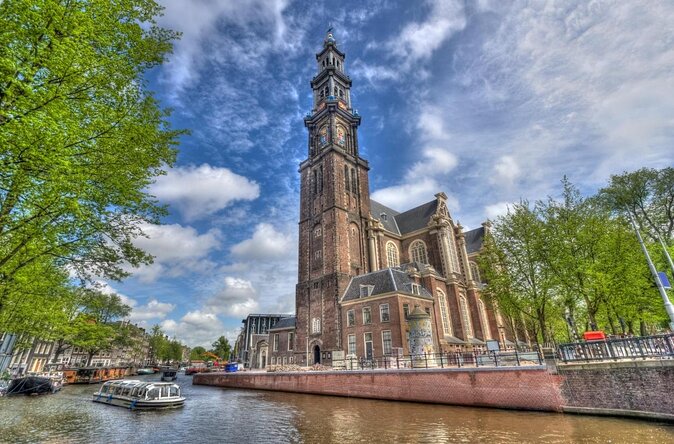
At Westerkerk, you get about 10 minutes of information and stories, including mention of the carillon. Even in a short window, Westerkerk pulls the tour’s theme of religion into a very physical place—church architecture, cultural role, and the idea that sound (the carillon) becomes part of the city’s rhythm.
This stop is brief, so I’d treat it as a “meaning marker,” not a deep dive. If you love the way cities communicate through churches, bells, and public space, you’ll enjoy how the guide connects it back to earlier topics like monarchy and culture.
Admission ticket note: This stop includes an admission ticket. So expect some access beyond just an exterior look.
The tour’s big themes: canals, religion, and monarchy you’ll remember
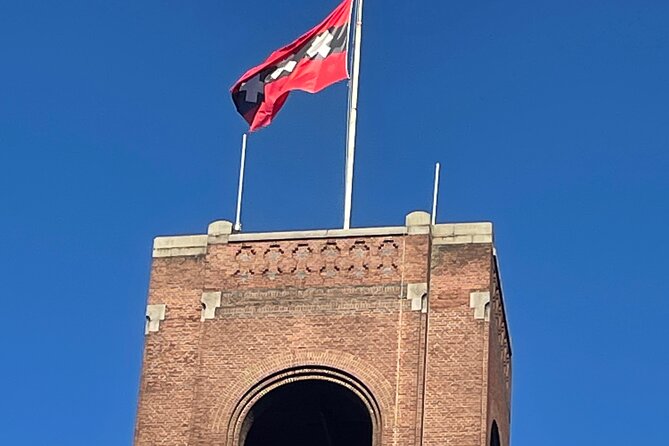
A good guided walk helps you leave with mental maps. This one leans on three threads—canals, religion, and monarchy/culture—so the city stops feeling like a pile of sights.
Canals: not scenery, but a system
By the time you reach the Torensluis area, you should be able to explain to yourself how water shaped city layout and life. The canals get treated as part of Amsterdam’s “way of living,” with architecture and development tied to the realities of living and trading.
Religion: the social role behind the buildings
Westerkerk isn’t only a photo. The guide’s framing helps you see religion as a cultural force in the city’s public identity, not just a private belief system.
Monarchy and civic power
Starting at Dam Square sets you up to understand how monarchy and public authority worked in Amsterdam’s story. It’s useful for first-time visitors because it gives you context that many walking tours skip.
If you want the city to click fast, these themes do the heavy lifting.
Price and value for $30.86: what you’re really paying for
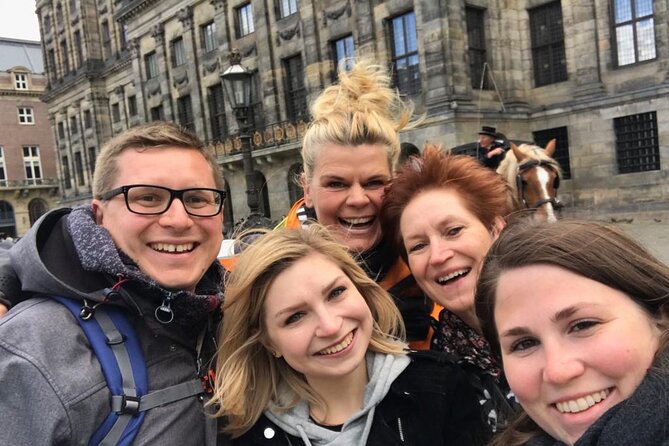
At $30.86 per person for roughly 2 hours 30 minutes, the value comes from three things:
- A professional guide for the full route. You’re not paying just for access to a few places—you’re paying for someone to connect them.
- A small group (max 8), which keeps the tour from feeling like a conveyor belt.
- Entry included for several stops (Magna Plaza, Torensluis, Jordaan, and Westerkerk). Even without knowing every detail of the included tickets, it’s a practical way to avoid extra planning costs.
The one place where you should expect not-included costs is Dam Square (no admission ticket included). Still, Dam Square is an outdoor civic space, so it’s usually not where travelers run into major extra fees.
If you’re deciding between a quick “see everything” tour and a story-focused one, this is the second type. You’ll get more understanding per step.
Who should book this cultural city tour
This works best if you fit one of these moods:
- You want a first-time orientation that doesn’t feel dry.
- You like your Amsterdam with context: why places matter, not only what they look like.
- You enjoy architecture and city planning stories, especially around water.
- You want a calmer group size where the guide can keep the thread going.
It might be less ideal if your top priority is nonstop highlights and constant action. One short review note pointed out the desire for more impressions, so if you’re the type who gets restless with long explanations, consider what you want from a walking tour before you commit.
Practical tips to get the most out of 2.5 hours
- Wear comfortable shoes. You’ll be on foot for most of the tour.
- Bring a phone for the mobile ticket and keep it easy to access.
- If you have mobility needs, let the organizer know in advance. The tour indicates they can adapt for walking disability if you tell them before the tour.
- Plan to listen first, then look. The guide’s best details land when you pause and follow their thread.
Should you book Herzblut’s Amsterdam Cultural City Tour?
I’d book it if you want Amsterdam to feel understandable fast. The combination of small group size, theme-based storytelling, and entry included for multiple stops makes it a solid value for a first visit or a “refresh” visit when you already know the big sights but want meaning.
I’d think twice if you want constant visual surprises and don’t want to spend more time on explanations than on jumping from one highlight to another. Also, note that Dam Square is a long stop and can be busy.
If your goal is heart-and-soul Amsterdam—with canals, culture, and the reasoning behind the city’s layout—this tour fits that goal well.
FAQ
How long is the cultural city tour?
The tour lasts about 2 hours 30 minutes.
Where does the tour start and end?
It starts at Beursplein, 1012 Amsterdam and ends back at the same meeting point.
What’s the group size for this tour?
The tour has a maximum of 8 travelers.
What’s included in the price?
A professional guide is included. Admission is also included for some stops (details below).
Is admission included at every stop?
No. Dam Square does not include an admission ticket, while Magna Plaza, Torensluis, the Jordaan, and Westerkerk include admission tickets.
Do I receive a mobile ticket?
Yes, the tour uses a mobile ticket.
Can I get a refund if I cancel?
Yes. You can cancel up to 24 hours in advance for a full refund.