REVIEW · AMSTERDAM
Rijksmuseum & Amsterdam City Center – Exclusive Guided Tour
Book on Viator →Operated by Babylon Tours Amsterdam · Bookable on Viator
Art meets canals in one tight day. This tour is interesting because it stacks Rijksmuseum masterpieces like Rembrandt and Vermeer, then turns around and uses Amsterdam’s streets as a living history textbook. I love that the guide helps you see the museum fast without missing the points that matter, and I love the stop-and-go walking style that makes it easy to pause for photos when something catches your eye. One consideration: the walking portion is active, with lots of short stops, so you’ll want comfy shoes and a steady pace.
You’ll be with a dedicated guide and your own private party, in English, with the day running rain or shine. You also get a lunch break (own expense), which keeps the schedule realistic instead of trying to cram everything into 5 hours of sprinting.
In This Review
- Key highlights worth your attention
- A Half-Day Mix of Rijksmuseum Art and Canal-Side History
- Your 10:00 Start at Cobra Café and a Smart Flow Around Amsterdam
- Rijksmuseum: Dutch Masters, Dollhouses, and the Museum Layout Hack
- From St. Nicholas Basilica to the Tower of Tears: City Walls, Trade, and Belief
- Nieuwmarkt, De Waag, and the Street Anatomy of the Dutch Golden Age
- Zuiderkerk to Begijnhof: Churches, Hofjes, and a Calm Side of Amsterdam
- From Dam Square and Herengracht to Papeneiland: Landmarks and a Sweet Finish
- Price, Comfort, and When Private Makes Sense
- Should You Book This Rijksmuseum & Amsterdam City Center Tour?
- FAQ
- How long is the tour?
- Is this a private tour?
- What language is the guide?
- Where does the tour start and end?
- Is lunch included?
- Are entrance fees included?
- Is transportation between stops included?
- What should I know about visiting the Rijksmuseum?
- Can I cancel for a full refund?
Key highlights worth your attention
- Rijksmuseum “what to see” focus so you get the big Dutch names plus smaller details like dollhouses and the museum library context
- Private, guide-led walking that helps you connect paintings to real places in Amsterdam
- Many iconic stops, mostly exterior views so you cover ground quickly without museum fatigue
- East India Company courtyard moment that adds context to the city’s power and trade era
- Ends at Papeneiland for a classic canal-corner vibe to close the day
A Half-Day Mix of Rijksmuseum Art and Canal-Side History
If you’re the type who loves a city that has layers, this is a strong match. Amsterdam can feel like a blur when you’re alone—canals, bridges, churches, then suddenly you’re lost in photo mode. This tour builds a thread: art and Dutch culture first, then the streets that shaped them.
I like how the day uses contrast. You start indoors, where light, portraiture, and objects from Dutch life set the tone. Then you walk outside and watch how that same era shows up in architecture, markets, and merchant streets.
The private format matters more than it sounds. When the guide can tailor the pace, you’re less likely to feel dragged along. You also get the kind of storytelling that makes famous works feel less like museum labels and more like real people with real lives—like the domestic world behind Vermeer’s work.
You can also read our reviews of more guided tours in Amsterdam


Your 10:00 Start at Cobra Café and a Smart Flow Around Amsterdam
The tour starts at Cobra Café, Hobbemastraat 18 at 10:00 am, and it ends at Papeneiland, Prinsengracht 2. That end point is a plus: you’re finishing somewhere beautiful and canal-framed, not back where you started.
A few practical notes you’ll actually care about:
- You’ll be walking a good stretch through the center, and the stops are often brief—so wear shoes you can walk in for hours.
- The day is designed to run rain or shine. Amsterdam weather can change fast, so plan for wind and mist.
- Some sites require appropriate dress, and the Rijksmuseum security rules are strict. You can’t bring large bags—only handbags or small thin bag packs go through.
- The tour uses a “keep moving, stop often” style. That’s great for first-timers. If you prefer long museum hours or slow wandering, you might want extra solo time after.
Also, the Rijksmuseum can have occasional closures without warning. The operator notes that if opening is delayed more than an hour from tour start, you’ll get an appropriate alternative, but refunds or discounts aren’t available in that case. I’d treat this as a rare weather-like risk, not something to plan around.
Rijksmuseum: Dutch Masters, Dollhouses, and the Museum Layout Hack
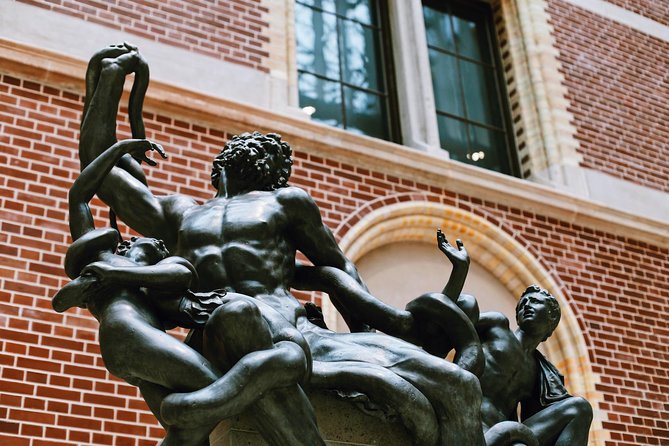
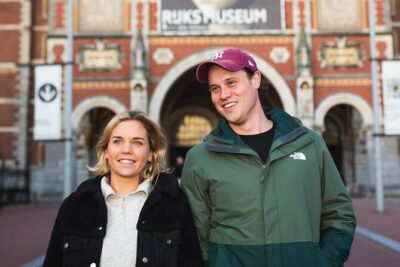
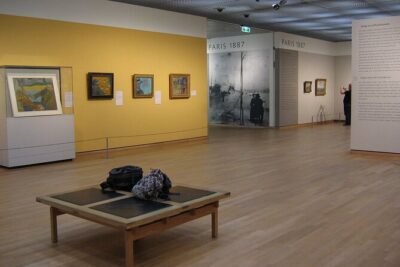
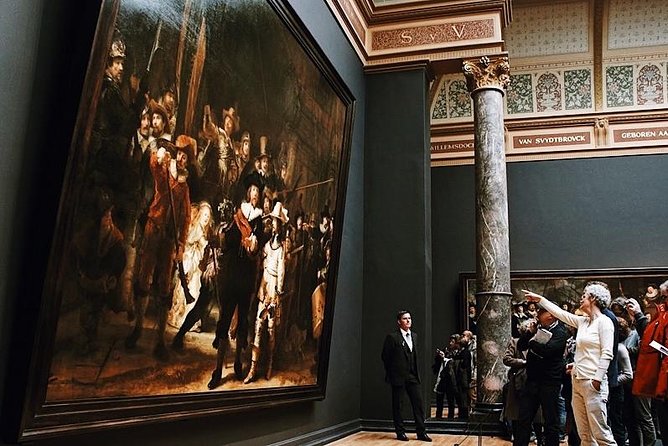
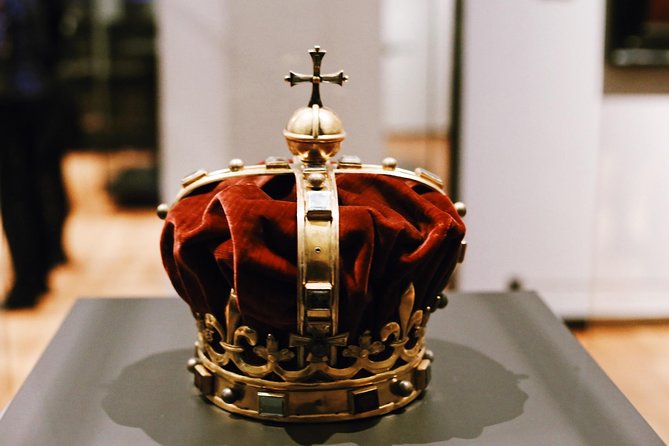
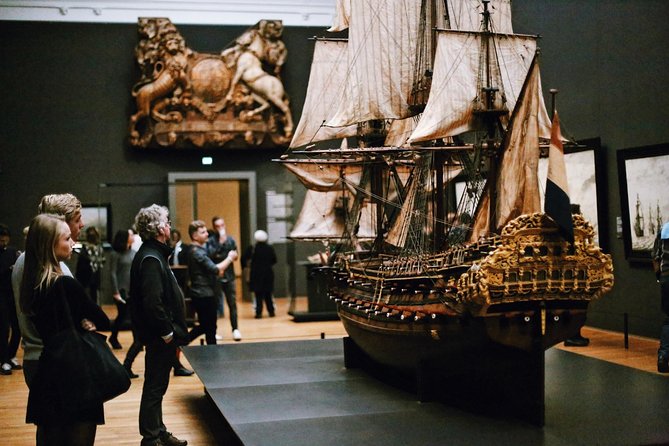
The Rijksmuseum stop is about 2 hours 30 minutes, and admission is included. This is your big anchor. The museum’s collection is enormous—so without a plan, it’s easy to see only what’s in your direct line of sight.
What makes this portion work is the way the guide structures your time. You’re not just looking at famous names. You’re getting the museum context—how Dutch history is built from thousands of objects across centuries. That matters because it changes how you read the paintings. Instead of thinking, I’ve seen Rembrandt, you start thinking, Why did Dutch society produce this kind of art at this moment?
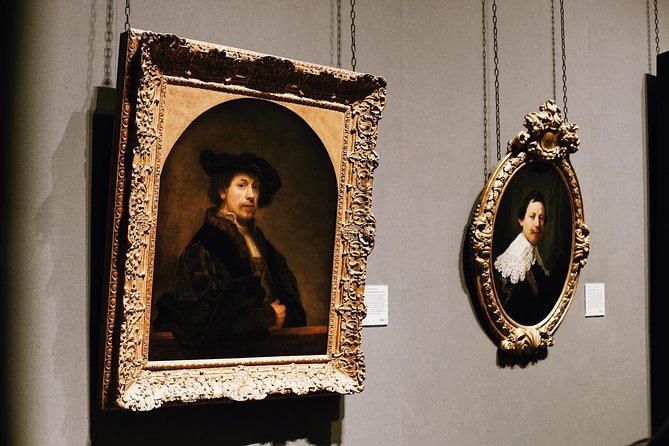
You’ll see standout works tied to the big Dutch masters, including Rembrandt and Vermeer, and you’ll also get attention drawn to items many people skip. One of the more memorable touches is the focus on 17th-century dollhouses—a reminder that Dutch domestic life and craftsmanship were taken seriously. Another highlight mentioned in the tour focus is Vermeer’s The Milkmaid, which is great for seeing how everyday scenes were treated like art worthy of careful observation.
You’ll also spend time in areas where you can learn more than just paintings. The museum includes a 19th-century library setting, and that kind of detail helps you understand how the museum thinks: it’s not only about art, but about knowledge, collecting, and how people curated meaning.
A few on-the-ground tips:
- This museum is popular, and some rooms may have quiet or restricted speaking rules. Your guide will explain it before you enter those areas.
- Expect security lines. Even with fast-moving planning, that part can’t always be controlled.
- Some parts of the collection can vary by season, so don’t treat every subject you hope for as guaranteed on any random date.
From St. Nicholas Basilica to the Tower of Tears: City Walls, Trade, and Belief

After lunch (your own expense), the tour shifts into a walking history loop through Amsterdam’s older core. Most stops are short—often 5 to 10 minutes—so the guide’s job is to give you just enough to recognize what you’re seeing.
At St. Nicholas Basilica, you’ll focus on why it was built when it was. The church was finished in the late 19th century at a time when Roman Catholics could again practice publicly after long prohibition. You’ll also get a quick look at how the building blends architectural styles and artistic movements, which helps you read it beyond its appearance.
Then comes the Schreierstoren, known as the Tower of Tears (or Weeper’s Tower). This is one of those places where the structure is brief and the story does the heavy lifting. The tower was originally part of Amsterdam’s medieval city wall, and it’s linked to the belief that women wept there for husbands leaving to war or to fish. Even if you take the story as a tradition rather than a literal diary entry, it’s the kind of detail that makes a city wall feel human.
Next you’ll pass through Zeedijk, the area often described as Amsterdam’s Chinatown. It’s not a museum stop; it’s a living street. You’ll notice the mix of Asian markets, restaurants, shops, and a major Buddhist temple—the largest Chinese-style Buddhist temple in Europe—which gives you a real sense of how Amsterdam’s identity isn’t stuck in one era.
Nieuwmarkt, De Waag, and the Street Anatomy of the Dutch Golden Age
You’ll move on to Nieuwmarkt, a central square with a long commercial and social role dating back to the 17th century. The “why” is useful here: it sat just inside an old city gate, so it became a convenient meeting point for traders and shoppers.
Close by, you’ll see De Waag, a 15th-century building and one of Amsterdam’s oldest remaining non-religious structures. It started as part of the city gate and wall system, then served multiple roles over time, including guildhall, museum, and fire station. I like this stop because it teaches you to look at old buildings as flexible tools, not fixed monuments.
One of my favorite architectural beats on this walk is the cluster around Trippenhuis and Klein Trippenhuis. The Trippenhuis is described as Amsterdam’s widest home, spanning about 22 meters, while the Klein Trippenhuis sits across from it and is among the narrowest houses. This contrast is a quick way to understand how land taxes and urban pressures shaped design decisions.
You’ll also encounter the Oost-Indisch Huis courtyard, the Dutch East India Company headquarters area. The tour frames it as the birthplace of the world’s first multinational corporation. Even if you don’t memorize that factoid, the point lands: Amsterdam’s power came from trade networks, and the city’s wealth built both art and architecture.
You can also read our reviews of more city tours in Amsterdam



Zuiderkerk to Begijnhof: Churches, Hofjes, and a Calm Side of Amsterdam

Not all of Amsterdam is loud and glassy. This route pulls you into quieter layers too.
At Zuiderkerk, you’ll see Amsterdam’s first purpose-built Protestant church, designed by Hendrick de Keyser, with an elegant tower. Protestant architecture can look “plain” if you only think in stereotypes, so seeing it in the middle of this walk helps you understand how religious shifts changed public design.
You’ll also pass by Rembrandt’s house (Rembrandthuis), where he lived and worked between 1639 and 1656. The tour notes this as an art museum with collections connected to Rembrandt and his contemporaries, but you’re mainly viewing it as a historical stop rather than settling into a long visit.
Then you hit Stopera, the complex that houses the city hall plus the Dutch National Opera and Ballet. The build took at least 60 years, which is a fun reminder that big public institutions take time—especially in a city that runs on slow, stubborn craftsmanship.
Next, you’ll see Huis Aan De Drie Grachten, a rare 17th-century canal house with façades facing three directions. This is one of those street-level “how did they pull that off?” moments that makes you look up instead of straight ahead.
After that, you reach Begijnhof, one of Amsterdam’s oldest hofjes (almshouses) built around a sheltered courtyard and garden. The story here is specific: it housed the Beguines—unmarried women living together under vows of chastity. Today, the site includes churches. Even if you don’t step far into the space, the courtyard feel changes your mood in minutes.
From Dam Square and Herengracht to Papeneiland: Landmarks and a Sweet Finish
You’ll then reach Dam Square, one of Amsterdam’s best-known public squares. The tour points out major landmark neighbors there, including the Royal Place, New Church, and the National Monument. It’s a quick stop, but it helps you place what you’ve seen into the city’s ceremonial center.
After Dam Square, the walk leans into Dutch Golden Age grandeur along the Herengracht canal, including the “Golden Bend.” It’s a classic view for a reason: these canal houses show wealth, status, and the city’s merchant power.
Then comes a sensitive, famous moment: you’ll pause outside the Anne Frank House. The tour also mentions the Westerkerk nearby, described as having the tallest church tower in Amsterdam. This stop is brief, and that’s okay. It’s more about orienting you to the neighborhood than turning it into an all-day emotion.
You’ll also spot decorative details like the De Drie Hendricken gable stones, carved with allegories and trade emblems. These are the kinds of façades that look like clutter until you learn to read the purpose behind them—symbols and messages tied to commerce.
Another calm courtyard stop comes with Karthuizerhof, described as Amsterdam’s largest hofje with a tranquil courtyard built for the city’s poor and elderly.
Then you see Noorderkerk, a 17th-century Protestant church built for the Jordaan district. The tour notes a cross-shaped floor plan tied to Reformation worship ideals. It’s a quick look, but it’s a strong reminder that religious architecture is design philosophy, not just building shape.
Finally, you end at Papeneiland, a pretty canal corner with a brown café dating to 1642, said to serve some of the best apple pie in town. This ending matters because it gives you a natural place to linger after the walking. You’re not sprinting to the last stop and immediately leaving—you get a soft landing.
Price, Comfort, and When Private Makes Sense
At $287.18 per person for about 5.5 hours, this tour isn’t cheap. But it’s not only paying for someone to walk with you. The price is also about time, interpretation, and included entry where it counts.
Here’s how I’d judge value:
- Rijksmuseum admission is included, and that’s usually the main ticket cost people worry about when planning an art day.
- You’re also getting an organized route through lots of central landmarks, with private guide time and built-in context so you don’t waste that museum money by seeing the wrong things.
- The day includes a lunch break, but you’re not stuck on a rigid museum-only schedule. You get art plus street history.
The private angle helps most when your party wants flexibility without losing structure. If you’re bringing kids who want short attention bursts, a guide-led stop pattern can work better than a “wander and hope” plan. If you’re an art lover who also wants the city’s context (not just the works), this tour does that pairing well.
One thing to keep in mind: some stops are exterior views or have admissions noted as not included for certain buildings. So if your dream day is about going inside every structure, you might need to add on extra visits later.
Should You Book This Rijksmuseum & Amsterdam City Center Tour?
I’d book it if you want a first-time Amsterdam day that’s heavy on meaning, not just photos. This tour is built for people who like art, architecture, and the kind of stories that connect paintings to the streets outside the museum.
I’d hesitate if you hate walking stop-and-go schedules, or if you want long, in-depth museum time where you can linger room by room. In that case, you might do better with a longer museum plan and add city sights on your own later.
A small planning thought: if you’re also chasing specific museums like the Van Gogh Museum, don’t assume you can wing those tickets. Plan ahead so your day doesn’t turn into scramble mode.
FAQ
How long is the tour?
The tour runs about 5 hours 30 minutes (approx.), including a lunch break.
Is this a private tour?
Yes. It’s private, meaning only your group participates.
What language is the guide?
The tour is offered in English.
Where does the tour start and end?
It starts at Cobra Café, Hobbemastraat 18, 1071 ZB Amsterdam, and ends at The Papeneiland, Prinsengracht 2, 1015 DV Amsterdam.
Is lunch included?
Lunch is not included. You’ll have a break for lunch on your own.
Are entrance fees included?
The tour includes all entrance fees as part of the experience. Some sights are listed with admission noted as free or not included, but you’re guided through the key sights on the route.
Is transportation between stops included?
Private transportation is included between tour locations if necessary.
What should I know about visiting the Rijksmuseum?
You’ll need appropriate dress for entry to some sites, and no large bags or suitcases are allowed inside the Rijksmuseum—only handbags or small thin bag packs. Also, the museum may occasionally close without warning, and if delays exceed 1 hour from the tour start time, an alternative is provided without refunds or discounts.
Can I cancel for a full refund?
Yes. You can cancel up to 24 hours in advance for a full refund.