REVIEW · AMSTERDAM
Amsterdam 1-Hour Canal Cruise With Live Guide
Book on Viator →Operated by Captain Jack Amsterdam · Bookable on Viator
Canals in Amsterdam are the real address book. This 1-hour electric canal cruise with a live guide gives you an easy, comfortable way to spot the big sights without turning it into a walking quest. I like the relaxed vibe on the boat (cushioned seats, blankets, and quiet electric power), and I like that the guide ties what you see to the why. One possible drawback: in cold weather the timing can feel tight if you show up late, and the trip can run a bit late sometimes.
The route leans classic: Prinsengracht, the 17th-century canal ring, bridges, and the Amstel area, with commentary that helps you see details you’d miss from street level. The boat is open-air in good weather, and in winter they use a closed, heated setup. You’ll come away with a cleaner mental map fast, which is what you want on day one.
In This Review
- Key highlights at a glance
- Why a 1-hour Amsterdam cruise fits your schedule so well
- Price and value: what $26.59 buys you (and what it doesn’t)
- The comfort setup: cushions, blankets, and winter heating
- Getting there: Prinsengracht 261a and how to avoid stress
- Prinsengracht and the Anne Frank area: the emotional anchor of the ride
- The 17th-century canal ring (Grachtengordel): seeing Amsterdam’s blueprint
- Rijksmuseum views from the Spiegelgracht: big art energy without museum lines
- Jordaan on the water: romantic bridges, boutiques, and local life
- Houseboats at Prinsengracht: how Amsterdam actually lives
- Leidseplein entertainment zone: nightlife energy from a calm seat
- Spiegelkwartier galleries and the Duifkerk story
- Bridges as landmarks: why Magere Brug and others stick with you
- Amstel river highlights: churches, theaters, and the city’s origin story
- Hermitage Amsterdam and the museum-town feel along the Amstel
- Market and neighborhood moments: Waag, Jewish history, and older city layers
- Practical tips: how to make the most of your hour
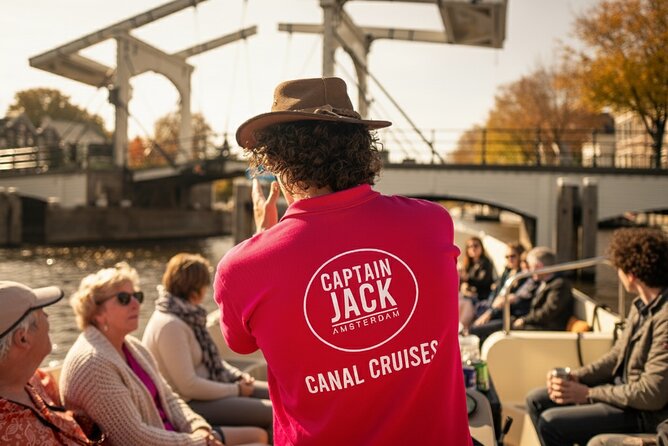
- What the guide style feels like on board
- Should you book this Amsterdam 1-hour canal cruise?
Key highlights at a glance
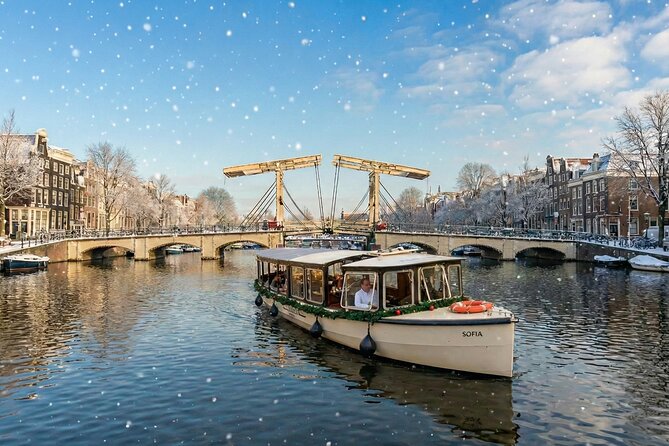
- Quiet electric-powered boat that feels calmer than older, noisier vessels
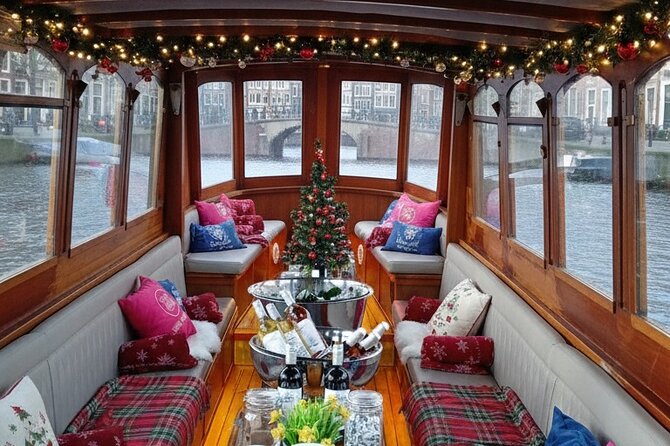
- Cushioned seats + blankets (and a heated option in winter) for real comfort
- Live, spoken guide stories focused on culture, history, and what you’re passing
- Stops for major landmarks like Anne Frank’s house area and views near the Rijksmuseum
- Small-group feel with a maximum of 30 travelers, so questions are doable
Why a 1-hour Amsterdam cruise fits your schedule so well
Amsterdam can be intense. One busy day turns into sore feet and a blurry list of attractions. This cruise is built for the in-between moments: you sit, the city moves past you, and a guide gives you the context while you look.
Because it’s about one hour, you also get flexibility. If your day is packed with museum tickets or a late dinner plan, this is the kind of activity that still works. It’s not trying to replace a museum visit; it’s the primer that makes the rest of your trip click.
You can also read our reviews of more boat tours in Amsterdam


Price and value: what $26.59 buys you (and what it doesn’t)
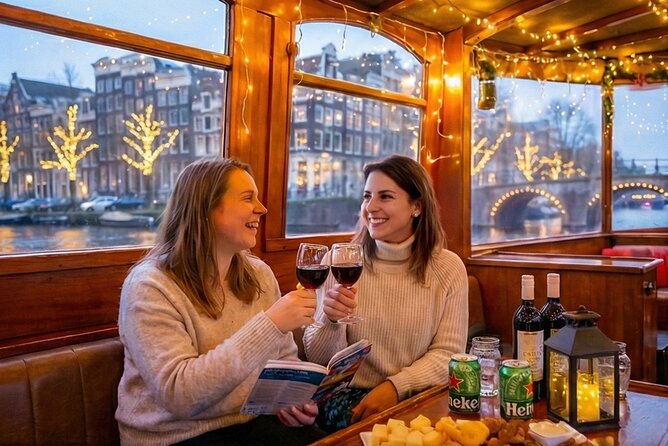
At $26.59 per person, you’re paying for three things: a prime canal view, a live guide, and comfort upgrades that make a short ride feel longer. The basics are included—electric boat, fees and taxes, blankets, and umbrellas—so you’re not budgeting extra just to stay warm.
Alcohol is not included, but there is a bar where you can buy drinks. Snacks like nuts are also available for purchase. For me, that’s a fair setup: you can keep it simple with water or tea, or you can treat the ride like a mini event with a beer or glass of wine.
The comfort setup: cushions, blankets, and winter heating
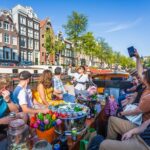
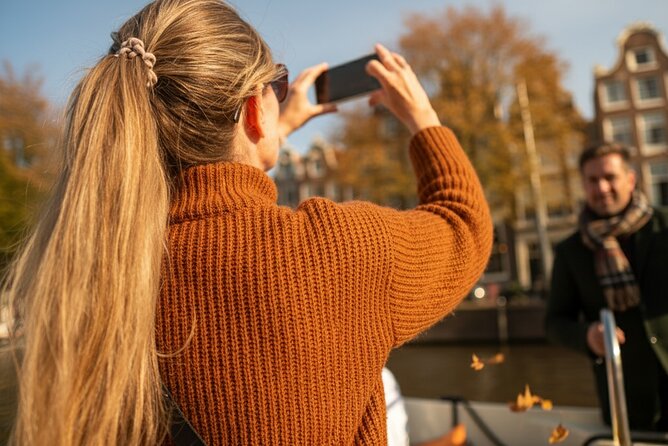
This boat is open-air when conditions are good, with cushioned seating and blankets. That matters because Amsterdam weather changes fast, and the canals can feel cooler than the streets.
In winter, they switch to a closed and heated boat. If you’re traveling in colder months, that’s a big deal for comfort and for actually hearing the guide. Either way, the ride stays focused on sightseeing, not on fighting the elements.
Getting there: Prinsengracht 261a and how to avoid stress
The meeting point is on Prinsengracht at 261a (1016 GV), and the cruise ends back at the same place. That return-to-base detail is underrated in Amsterdam, where a short stroll can turn into a longer wandering detour.
You’ll also want to treat punctual arrival as part of the plan. The tour can be affected by late starts sometimes, and with a one-hour duration, minutes feel like money. If you’re also juggling another reservation after the cruise, give yourself a buffer so you don’t feel rushed.
Prinsengracht and the Anne Frank area: the emotional anchor of the ride
Your cruise centers on Prinsengracht, and the guide highlights the museum where Anne Frank and her family hid from the Nazis. Even though you’re not walking inside on this experience, the canal-side viewpoint helps you understand the setting—quiet streets, canal edges, and the way buildings line up along the water.
Anne Frank is one of the clearest places in Amsterdam where history and daily life overlap. As you glide past, the commentary gives you the timing and stakes behind the story, so you’re not just seeing a name on a wall.
A small practical note: this is the kind of stop where you may want a moment to look and then look again. The guide’s pace matters, so if you’re the type who likes to study details, be ready with steady attention.
You can also read our reviews of more guided tours in Amsterdam



The 17th-century canal ring (Grachtengordel): seeing Amsterdam’s blueprint
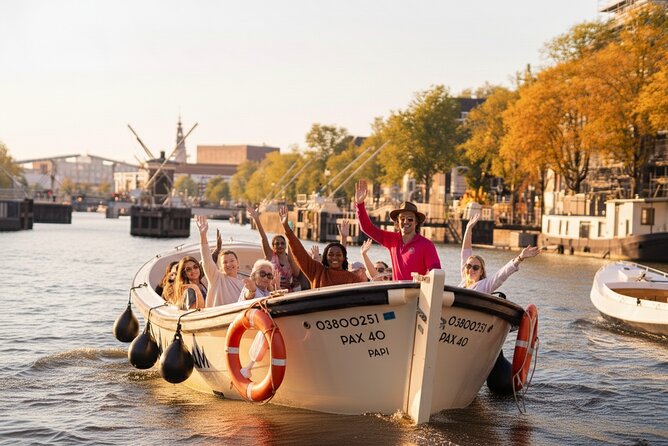
One of the best parts of a canal cruise with a live guide is that you start spotting patterns. Here, the narration connects the Grachtengordel—the UNESCO-listed canal belt of Herengracht, Prinsengracht, and Keizersgracht—with how the city was laid out during the Dutch Golden Age.
You’ll hear that the canals formed concentric rings around Amsterdam, and that there are monumental buildings along them. From the boat, you can actually track the geometry—where the belts feel like layers of history instead of just pretty water.
If you’re the sort of traveler who likes architecture or city planning, this section is your reward. You’ll finish with a better sense of where Jordaan sits, where Museumplein relates, and why certain bridges feel like key crossings.
Rijksmuseum views from the Spiegelgracht: big art energy without museum lines
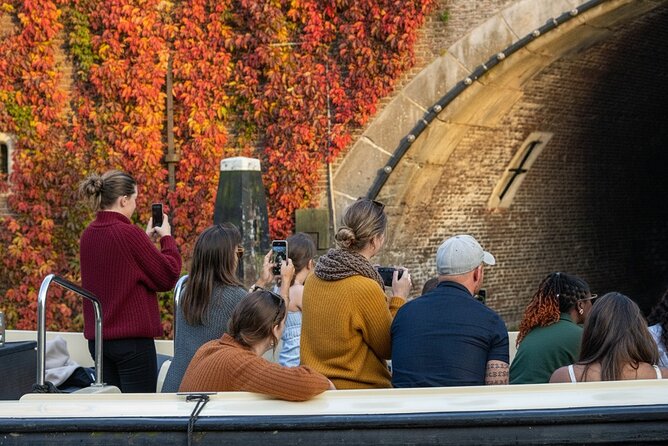
One of the route moments is docking right in front of the Rijksmuseum. Even if you don’t go inside during the cruise, you still get the chance to appreciate the building and to hear about the museum’s standout works—like Rembrandt’s The Night Watch.
Then the cruise moves into the area around the Spiegelgracht, a canal that runs toward Nieuwe Spiegelstraat and links different parts of the canal system. The guide also points out the art-and-gallery vibe near Museumplein, which helps you connect the museum cluster to the canal network.
This part is a great reminder: Amsterdam’s art doesn’t live only behind ticket gates. It also lives along streets, in views, and in the way canals frame buildings.
Jordaan on the water: romantic bridges, boutiques, and local life
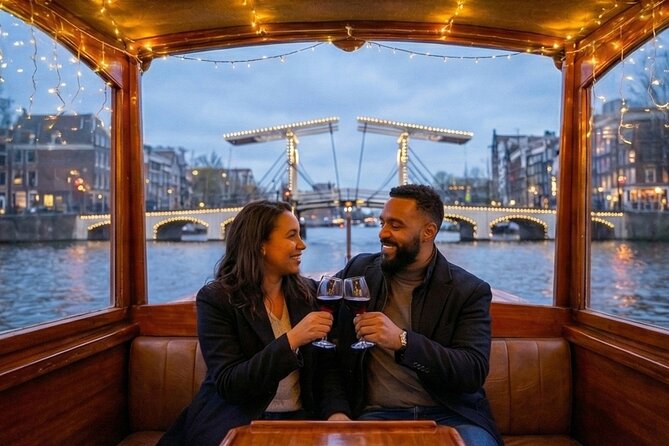
The cruise includes classic Jordaan imagery, including the romantic wooden bridge known in English as the Skinny Bridge (Magere Brug). This spot is famous because the crossing is narrow and was historically replaced with a wider bridge. The commentary also brings in the love-bridge reputation—kissing above or below the arch—so the vibe stays playful even when you’re surrounded by history.
As the boat glides through Jordaan areas, the guide also calls out smaller shopping streets and neighborhood restaurants—more boutique and local-feeling than big-brand shopping. That matters because Jordaan is one of those districts where the best parts are often the ones you walk slowly.
If you want something practical afterward: this cruise helps you decide which streets are worth your next walk. You’ll likely leave with a couple of “I want to go there” instincts.
Houseboats at Prinsengracht: how Amsterdam actually lives
You also cruise along with the houseboat museum on Prinsengracht. This is one of the most human parts of the experience because it gives you a snapshot of how some Amsterdammers live when the canal is more than scenery.
For kids, this tends to land well because it’s visual and a little unusual. For adults, it turns the romantic postcard version of Amsterdam into something more grounded. You realize the canals are part of everyday housing choices, not just tourist routes.
A drawback to watch for: because it’s a short cruise, you won’t get a long look. If you’re hoping for deep inspection, plan a follow-up walk or museum stop after.
Leidseplein entertainment zone: nightlife energy from a calm seat
Near the Leidseplein area, the guide points out the entertainment cluster—bars, restaurants, night clubs, and concert halls. The tone here is more lively, even though you’re still sitting in comfort.
From the boat, you see how Amsterdam can hold party life and cultural institutions in the same tight geographic space. Then the ride keeps moving, so you don’t get stuck in a queue or a loud street for too long.
If nightlife is part of your trip, this gives you direction. You’ll understand where the action concentrates and where to avoid crossing the city on foot at the wrong hour.
Spiegelkwartier galleries and the Duifkerk story
As you pass the Spiegelgracht and the Spiegelkwartier area, you get a sense of Amsterdam’s gallery trail—alongside antique shops and art-focused streets. That’s useful if you plan to spend part of your trip on Museumplein and also want the more specialized art browsing nearby.
The cruise also highlights Duifkerk, a church with a layered story. The guide references that it reopened after restoration in 2002 and that original murals reappeared during the process. Even passing by, the commentary gives you enough background to notice why the building matters beyond architecture.
This is one of those moments where the guide’s voice changes the way you look. Instead of scanning facades, you start listening for the story behind the stones.
Bridges as landmarks: why Magere Brug and others stick with you
Amsterdam bridges are not just crossings. They’re photo points, meeting points, and sometimes symbols. On this cruise, bridges show up as moments that reset your focus—suddenly you’re looking at how the city connects rather than just how it lines up.
The Magere Brug segment is the star for most visitors, partly because the guide connects it to legend and history. But the broader message is practical: learn the bridge locations, and you’ll find yourself navigating Amsterdam faster later.
Amstel river highlights: churches, theaters, and the city’s origin story
The cruise turns toward the Amstel, Amsterdam’s big river-canal artery. The guide explains that Amsterdam was founded around the Amstel and that a dam formed the city. You also hear that Amstel is the name behind the beer, which is a fun bit of cultural branding.
You’ll pass notable religious and performance landmarks tied to neighborhoods and eras, including the Westerkerk and Zuiderkerk, plus the Royal Theatre Carré. There’s also mention of theaters and opera spaces in the Stopera area, which helps you connect Amsterdam’s cultural calendar to geography.
If you’re the type who wants your travel to make sense beyond lists, this section does the job. It frames Amsterdam’s growth and identity as something built along water and amplified through public buildings.
Hermitage Amsterdam and the museum-town feel along the Amstel
The cruise includes a stop for Hermitage Amsterdam, a branch museum on the Amstel in a classical building from 1681. This is a good reminder that major museums aren’t only in one museum quarter; they also cluster along waterways, where the city naturally concentrated institutions.
From the boat, it’s easier to understand why people head to these areas. The canal route stitches them together into one continuous map.
Market and neighborhood moments: Waag, Jewish history, and older city layers
The narration also hits the older city fabric around markets and historical landmarks. One stop includes De Waag, a 15th-century building originally a city gate with later uses like guild house and anatomical theater. That’s a lot of roles for one structure, and hearing it helps you see the building as a time machine.
The cruise also connects you to the Jewish neighborhood through references to places like the Jewish Historical Museum and the Hollandsche Schouwburg monument. The commentary frames these sites as part of Amsterdam’s WWII story, so the cruise becomes more than sightseeing—it becomes a set of prompts for where to learn more if you want.
A related bonus: the route also references the idea of markets and the city’s longstanding trading culture. Even if you don’t buy anything, it gives you context for why squares like Noordermarkt became weekly rhythm points.
Practical tips: how to make the most of your hour
This cruise is fast. So here’s how to get the best experience without overthinking it.
- Arrive early enough to board calmly. The boat experience is short, and a late start shrinks your time even more.
- Dress for wind off the water, especially in open-air conditions. Blankets help, but you’ll still feel the chill if you dress too light.
- If you care about photos, pick a spot early and stay put. Moving around too much can make you miss guide points.
- Listen for the guide’s transitions. When the story changes from canals to bridges to churches, it often matches a real visual shift on the water.
- If you’re traveling with teens or kids, this tends to work because the guide uses humor while still giving structure to the facts.
What the guide style feels like on board
The live guide approach here is built for both first-timers and repeat Amsterdam fans. Many comments highlight guides who are friendly and quick with details, with stories that blend history, canal trivia, and fun human observations.
I also like that the boat is smaller, which makes it easier to ask questions without shouting across a crowd. On a one-hour cruise, that means your questions can actually change what you pay attention to.
One caution from past experiences: if sound is a problem, it can come down to radio volume for safety communication with other boats. If you’re sensitive to loud audio, choose seating closer to where you can hear clearly, and don’t be shy about letting staff know if you truly can’t catch the guide.
Should you book this Amsterdam 1-hour canal cruise?
Yes—if you want a fast, comfortable orientation to Amsterdam’s canal layout with a live guide and a real focus on what you’re passing. At $26.59, the value is strongest when you treat it as a first-pass to help you plan your next museum, neighborhood walk, or bridge photo stop.
Skip it (or pair it carefully) if you’re expecting a long, stop-by-stop deep dive that replaces museum time. This is about movement, views, and context—not full classroom-style history. And if you’re the type who needs perfect timing, show up early and plan for the possibility of a late start.
If you’ve got one hour and you want Amsterdam to make sense quickly, this cruise is an easy win.