REVIEW · AMSTERDAM
Amsterdam Old City Private Walking Tour
Book on GetYourGuide →Operated by Stadswandelkantoor · Bookable on GetYourGuide
Amsterdam reads best at walking pace. This private 2-hour route helps you understand how Amsterdam grew from a reclaimed swamp into a 17th-century world power, with the canals and merchant houses you actually see in real life, not just on a screen. I love the private, tailored pacing and I love that the guide brings real local context that turns familiar landmarks into stories you can picture.
The main trade-off is simple: two hours is short. You’ll get a smart overview of several neighborhoods, but it’s not enough if you want museum-level detail or long stops in each place.
In This Review
- Key highlights
- Private Amsterdam Old City Walking Tour: The Two-Hour Sweet Spot
- Starting at Amsterdam Central Station Without Overthinking It
- How Amsterdam Built Itself: From Swamp to 17th-Century Power
- Medieval Center Highlights: Churches, Old Church, and Oude Manshuispoort
- Following the Money: Merchant Houses, Jordaan, and Herengracht
- Red Light District Walk: Seeing It With Context
- Begijnhof: A Quiet Pocket That Changes the Mood
- Old Jewish District to Nieuwmarkt to Chinatown
- Oostindisch Huis and the East India Company Story You Can See
- Price and Value: Is $265 Per Group Worth It?
- Who This Tour Suits Best (and When to Choose Something Else)
- Practical Tips for a Smooth Old City Walk
- Should You Book This Private Amsterdam Old City Tour?
- FAQ
- Where does the tour meet?
- How long is the walking tour?
- What is the price and group size?
- Is the tour private?
- What’s included, and what’s not?
- Is it wheelchair accessible, and can I bring luggage?
- Can I cancel, and can I pay later?
Key highlights
- A guide who adjusts to your interests, not a scripted march
- Medieval center landmarks plus quiet, lesser-known corners
- Begijnhof: women’s homes and a calmer pocket of the city
- Canals like Herengracht that explain Amsterdam’s wealth and layout
- Oude Jewish District to Nieuwmarkt to Chinatown in one smooth cultural thread
- Red Light District with context, not just the obvious view
Private Amsterdam Old City Walking Tour: The Two-Hour Sweet Spot
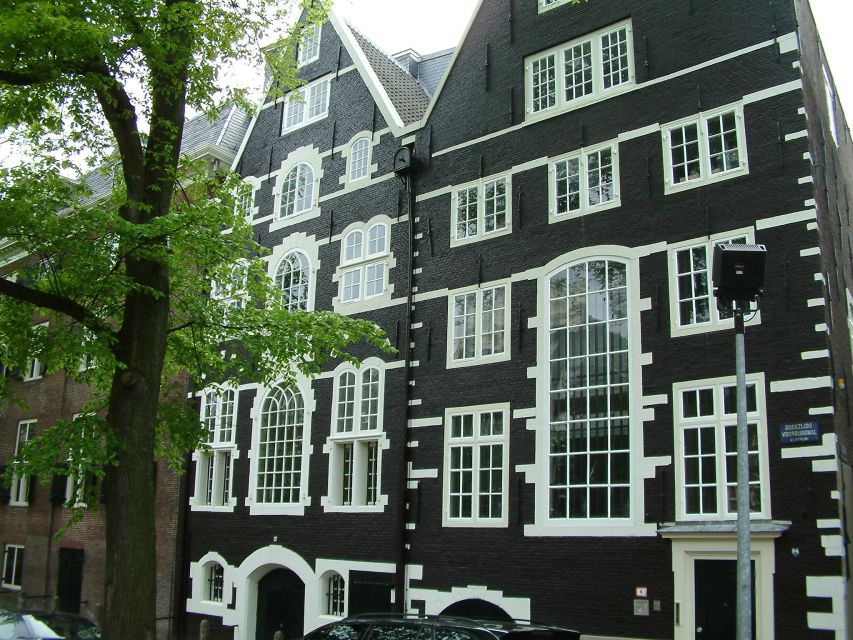
This is the kind of Amsterdam tour that works because it doesn’t try to do everything. You get a guided walk that hits the medieval core, follows the canal lines, and then swings through the areas that shape modern Amsterdam’s identity: trade, religion, migration, and the city’s more famous nightlife zone.
At $265 per group (up to 10 people) for a 2-hour private walk, the value comes down to one thing: you’re paying for a guide who can steer the conversation. If you care about architecture, you’ll get it. If you care more about why the city looks the way it does, the guide can emphasize the engineering and the social history. That flexibility is what makes it feel better than a fixed route.
And you’ll notice the tour doesn’t treat Amsterdam as one big postcard. It’s more like a set of neighborhoods with their own logic, then a shared canal-and-bridge geography that ties it together.
You can also read our reviews of more walking tours in Amsterdam



Starting at Amsterdam Central Station Without Overthinking It
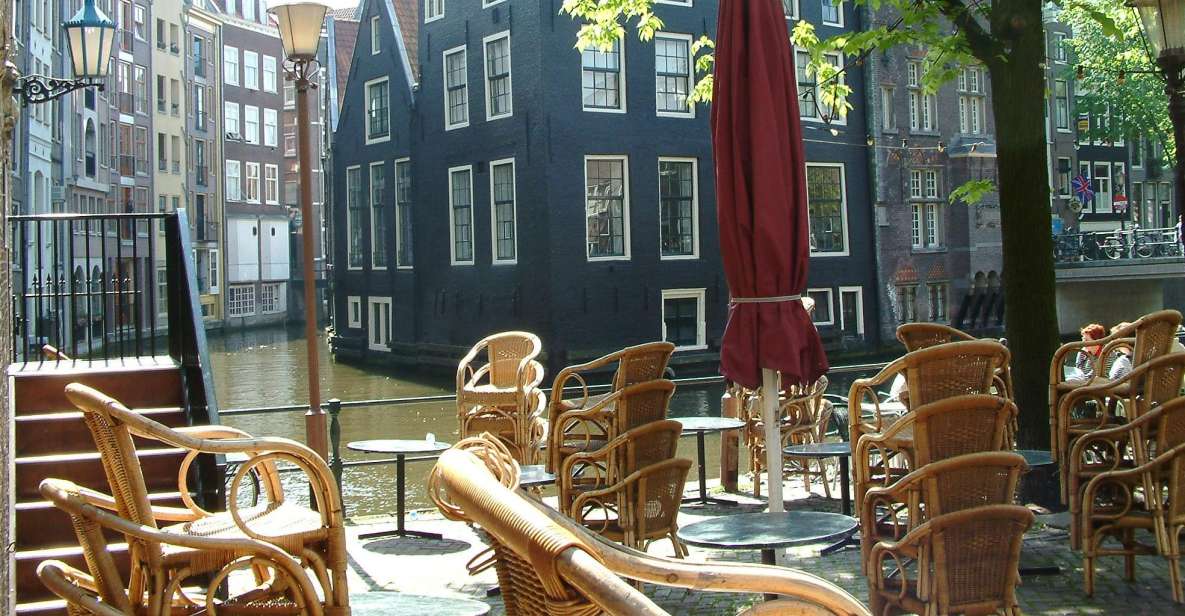
Your tour meets at Amsterdam Central Station, in front of the main entrance. That’s a practical choice. It’s easy to find, easy to reach, and you can show up without needing to plan a complex meetup.
One small but important heads-up: no luggage or large bags are allowed. So plan light. If you’re traveling by train and have a big suitcase, you’ll want to store it before your walk. That rule matters because it keeps the route smooth and walkable, especially in older streets and tight corners.
The tour is also wheelchair accessible, which is a real benefit in a city where many historic areas can still be tricky. If mobility is a concern for you, it’s worth going into the walk with realistic expectations: a guide can help you manage the route, but Amsterdam’s old streets can still be uneven.
How Amsterdam Built Itself: From Swamp to 17th-Century Power
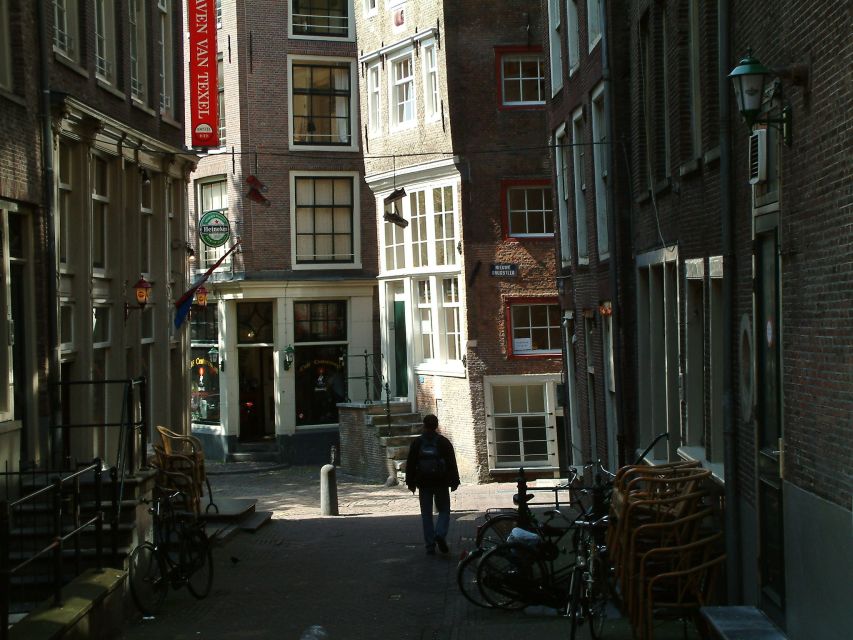
The core idea I’d carry with me from this walk is that Amsterdam’s story starts with land you don’t instinctively think about. You learn how the city grew on reclaimed ground, when the land was buried in mud and the harbor was almost inaccessible. Until the connection with the North Sea was realized in the 19th century, Amsterdam’s survival and growth depended on clever local infrastructure and constant adaptation.
Then the guide anchors that engineering story in numbers and momentum. By 1650, Amsterdam had about 220,000 inhabitants, making it the 3rd largest city in Europe. That’s the point where you start understanding why Amsterdam’s buildings look the way they do—especially the merchant houses and the canal-side “addressing” of wealth.
If you love history, great. If you don’t, you’ll still enjoy this because the guide translates big historical forces into what you can see while walking: canal geometry, street layout, and why certain buildings mattered.
Medieval Center Highlights: Churches, Old Church, and Oude Manshuispoort
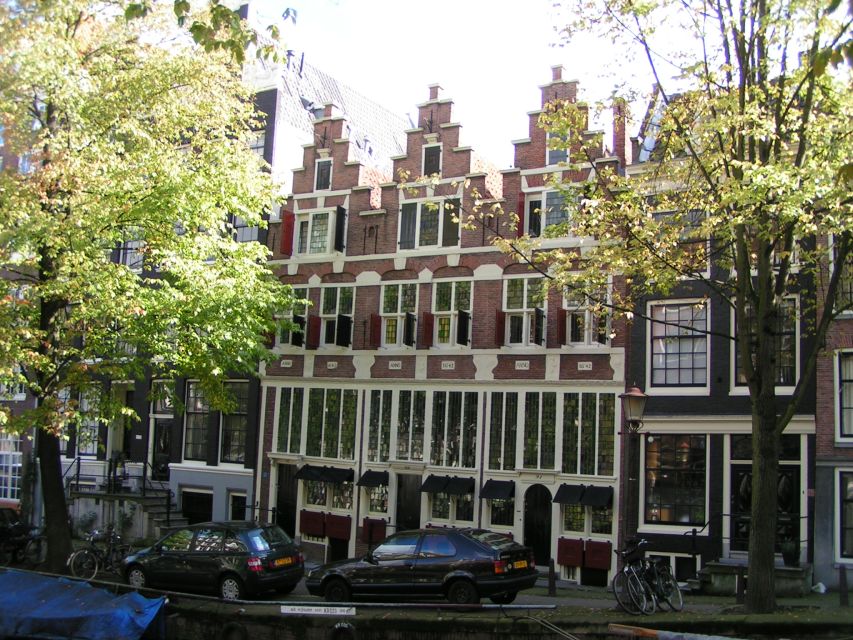
The tour moves through Amsterdam’s medieval center, including parts of the old city wall. That’s not just decorative history. When you see remnants of old defenses and older street patterns, you understand how the city expanded in stages instead of as one planned grid.
You also get several church stops, including hidden churches, the Old Church, and Oude Manshuispoort. These aren’t presented as random “look up and admire” moments. The point is contrast: Amsterdam’s religious life, its architecture, and the way smaller, older spaces can sit right next to the city’s more famous layers.
A big plus here is pacing. In a tour like this, the guide can help you notice what you might otherwise miss: entrances, narrow passages, and the small signs that a building once served a different purpose. One review highlighted that the guide visited places that you wouldn’t naturally find in a typical guidebook, and that kind of off-main-story wandering is exactly what makes these medieval stops feel rewarding in a short time.
Following the Money: Merchant Houses, Jordaan, and Herengracht
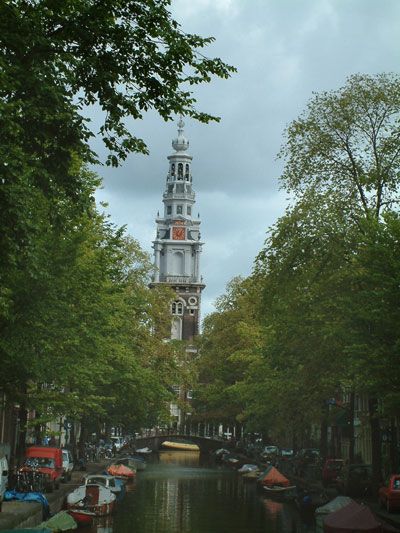
Amsterdam’s wealth isn’t a theory here. You see it. The walk includes handsome merchant houses and takes you through the Jordaan area, where you can spot older shop-and-home patterns and understand how trade created a certain kind of city life.
A highlight in the canal story is the Herengracht. The guide explains it as one of the first major canals, and once you hear that, you start to read the canal as an economic map. This is where Amsterdam’s layout makes sense: water routes for goods, walls for security, and canal-edge homes for people whose fortunes depended on commerce.
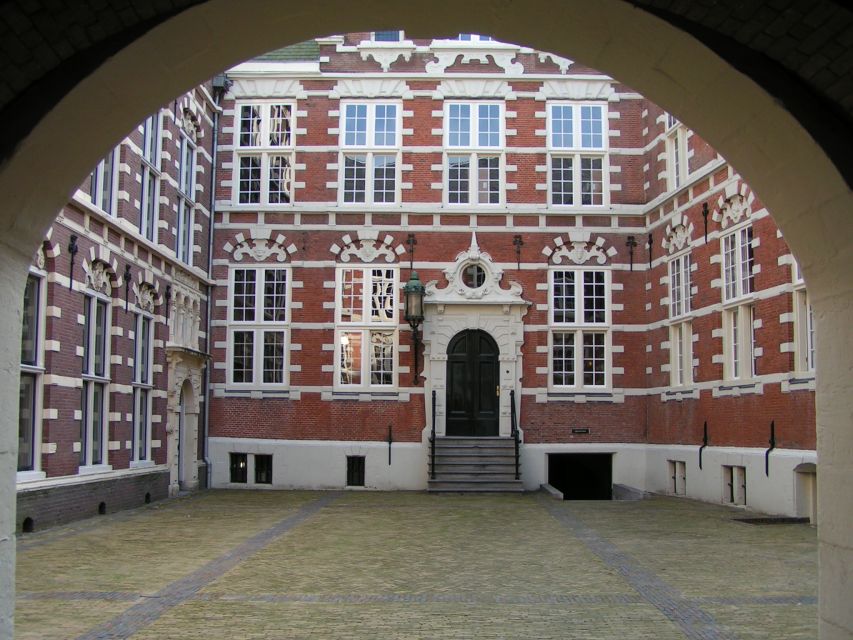
You’ll also hear about old trading-era structures, including the Oostindisch Huis, tied to the East India Company. Even if you’re not a history buff, this part helps you connect the dots between global trade and local power. Amsterdam didn’t become a world city by accident. It became one because the money flowed through the city—and the city’s buildings reflect that flow.
You can also read our reviews of more city tours in Amsterdam





Red Light District Walk: Seeing It With Context
Yes, you’ll walk through the Red Light District. The value of having a guide here is context. Without it, the area can feel like a visual noise overload. With it, you’re able to see the neighborhood as a social and economic district shaped by centuries of urban change.
This is also a neighborhood where you may feel a bit protective of your comfort. If you’re the kind of visitor who prefers to avoid anything that feels morally loaded, you might want to think about that before booking. On the other hand, if you’re interested in how Amsterdam functions as a real city, not a curated theme park, the guided approach helps you understand what you’re looking at while still keeping the visit respectful and practical.
For many people, the best part is not the famous sights themselves. It’s hearing the broader explanation of how Amsterdam became a center of world power and cultural influence, and then seeing that layered history play out in a modern street scene.
Begijnhof: A Quiet Pocket That Changes the Mood
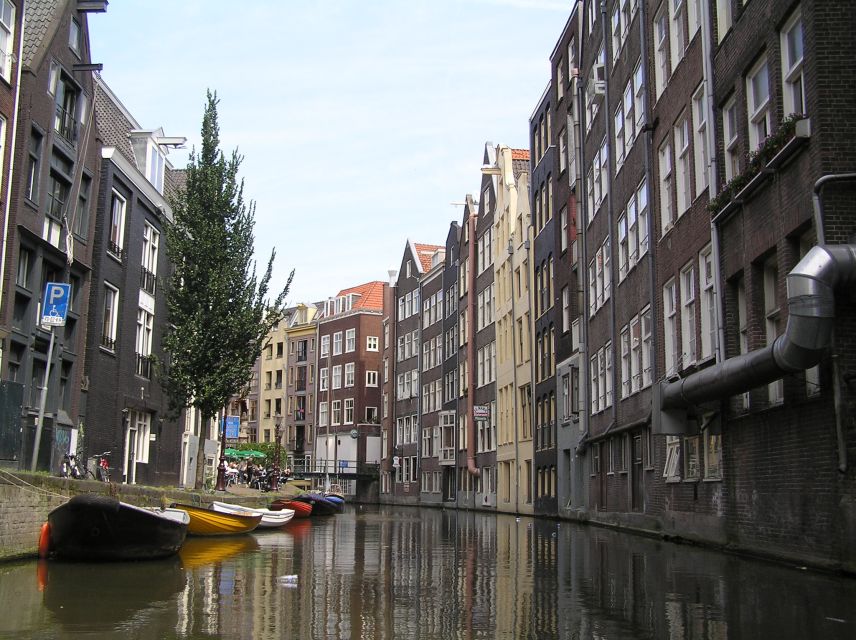
Then the tour offers a reset: the Begijnhof. These women’s homes provide a different Amsterdam rhythm—one that’s calmer and more inward-looking than the surrounding streets.
This stop matters because it breaks the tour’s emotional pattern. You go from public, high-visibility streets into a protected courtyard space. That shift is part of why it’s memorable. You get a chance to absorb the architecture and atmosphere as something lived-in, not just photographed.
It’s also a great example of how Amsterdam contains multiple worlds close together. One street can feel loud and famous; a courtyard can feel almost old-world still. In a two-hour tour, landing here is a smart choice because it gives you contrast and meaning.
Old Jewish District to Nieuwmarkt to Chinatown
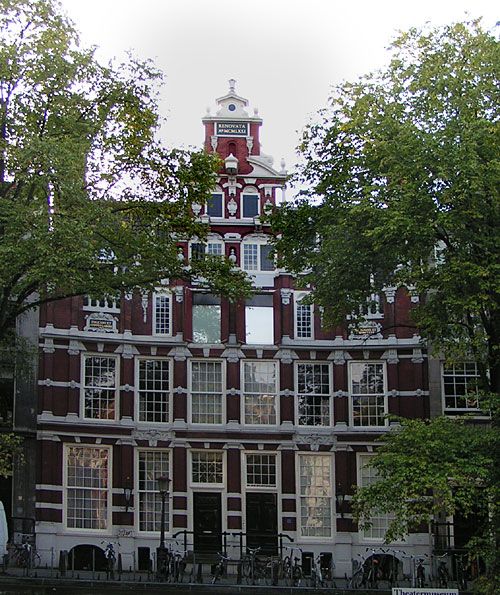
Amsterdam’s neighborhoods aren’t isolated stories. They connect. The walk includes the old Jewish District, and then it transitions toward Nieuwmarkt, where you also get to Chinatown.
This sequence works well because the guide can frame these areas as part of Amsterdam’s longer patterns of migration, trade, and community life. You don’t just walk past a destination; you understand why it exists where it does and how Amsterdam’s role as a major city helped draw different populations over time.
Nieuwmarkt is especially useful in a short tour because it feels like a crossroads. You get the practical street experience of an active area, and you also get the historical explanation that ties the present neighborhood to the city’s earlier chapters.
If you like walking tours that help you connect places into a story instead of repeating a checklist of sights, this portion will feel like the tour’s payoff.
Oostindisch Huis and the East India Company Story You Can See
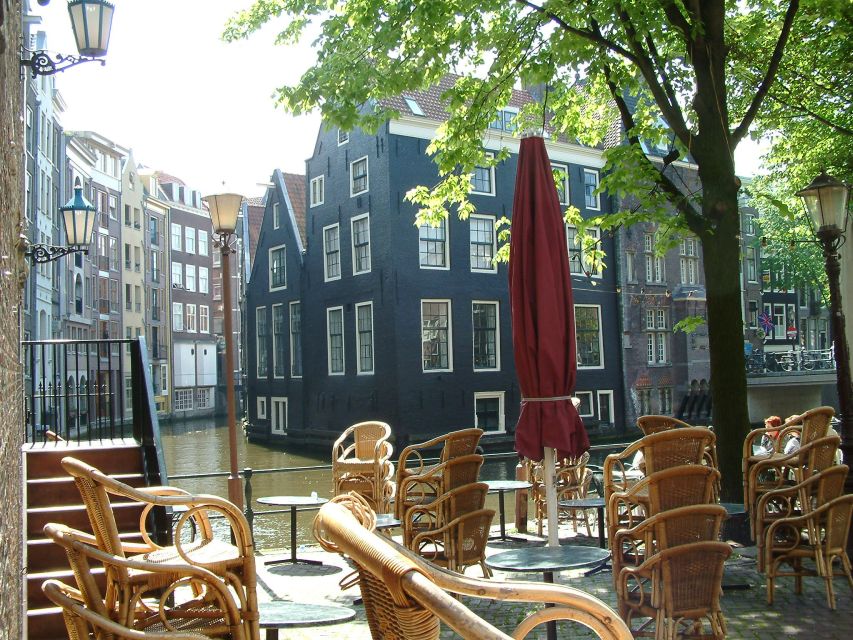
One of the more interesting learning beats is the mention of Oostindisch Huis, Amsterdam’s East India Company headquarters. Even if you don’t know the history ahead of time, you’ll come away with a clearer sense of why Amsterdam’s power was global.
This is where the walking tour becomes more than sightseeing. The guide uses architecture and landmark context to show how international trade built local wealth. When you can connect a building to a bigger system, your understanding deepens without needing extra hours.
The best part is that you’ll be ready to notice similar patterns across the city afterward. You start to look at canals, building size, and location with a new question: who needed this place, and why here?
Price and Value: Is $265 Per Group Worth It?
Let’s talk value honestly. $265 per group up to 10 people isn’t a cheap stroll, but it’s also not priced like a private luxury experience. The cost only feels fair if the guide actually does the job you’re paying for: adapt to your interests, explain what you’re seeing, and help you notice details you would likely miss alone.
That’s also what stands out in the feedback for this tour. One strong review said the guide was a true old Amsterdam local and shared stories about developments in the 1970s, including places that aren’t typically in standard guidebooks. Another highlighted that even with a group of eight, the walk felt informative and that the experience felt authentic. That matters because it suggests the guide isn’t just repeating textbook facts. The stories give the architecture and streets life.
So here’s my rule of thumb:
- If you love history but also want it connected to what you can see, this price makes sense.
- If you mostly want photos with minimal explanation, you can probably do it cheaper on your own.
You’re paying for interpretation, not just movement.
Who This Tour Suits Best (and When to Choose Something Else)
You’ll enjoy this tour most if you:
- like architecture and history (the only real requirement stated)
- want a guided path through multiple parts of the old city without spending your whole day planning
- prefer private attention over large-group chaos
- enjoy understanding why places exist, not just what they look like
It’s less ideal if:
- you want very long stops at a single site
- you’re sensitive to the atmosphere of the Red Light District and would rather avoid it entirely
- you travel with big luggage that you can’t store before the meeting
Also, two hours is the tour’s sweet spot. Think of it as a fast, guided orientation that helps you decide where to return later on your own.
Practical Tips for a Smooth Old City Walk
A few things will make your experience easier.
- Wear comfortable shoes. You’re walking through older streets and canal-side areas, and the pace is built for seeing a lot.
- Keep your bag small. No luggage or large bags are allowed, and tight spaces can make big items annoying.
- Pick your interests early. Since the tour is adapted to your wishes, tell the guide what you want most: churches and architecture, trade history, canals, or neighborhoods like Begijnhof and Chinatown.
- Expect a lot of stories in a short time. The guide’s job is to connect dots quickly, and that’s what you’re paying for.
Should You Book This Private Amsterdam Old City Tour?
If you want a 2-hour private walk that gives you both landmarks and meaning, I’d book it. The mix of medieval center sights, canal context, Begijnhof calm, and the cultural connections from the old Jewish District to Nieuwmarkt and Chinatown is a strong use of limited time.
I’d especially recommend it if you like guided storytelling from someone who knows the city beyond the obvious stops. The reviews point to exactly that: local memory, off-the-guidebook details, and the kind of background that helps Amsterdam click fast.
If you’re on a tight budget, or if you’d rather wander without explanations, you may get by cheaper on your own. But if you want your first Amsterdam Old City experience to feel structured and instantly useful, this is a very solid choice.
FAQ
Where does the tour meet?
The meeting point is Amsterdam Central Station, in front of the main entrance.
How long is the walking tour?
It lasts 2 hours.
What is the price and group size?
It costs $265 per group, and the group size is up to 10 people.
Is the tour private?
Yes, it’s a private group tour.
What’s included, and what’s not?
Included is the 2-hour walking tour adapted to your wishes, a guide, and VAT. Food and drinks are not included.
Is it wheelchair accessible, and can I bring luggage?
The tour is wheelchair accessible. Luggage or large bags are not allowed.
Can I cancel, and can I pay later?
Yes. You can cancel up to 24 hours in advance for a full refund, and you can reserve now & pay later.